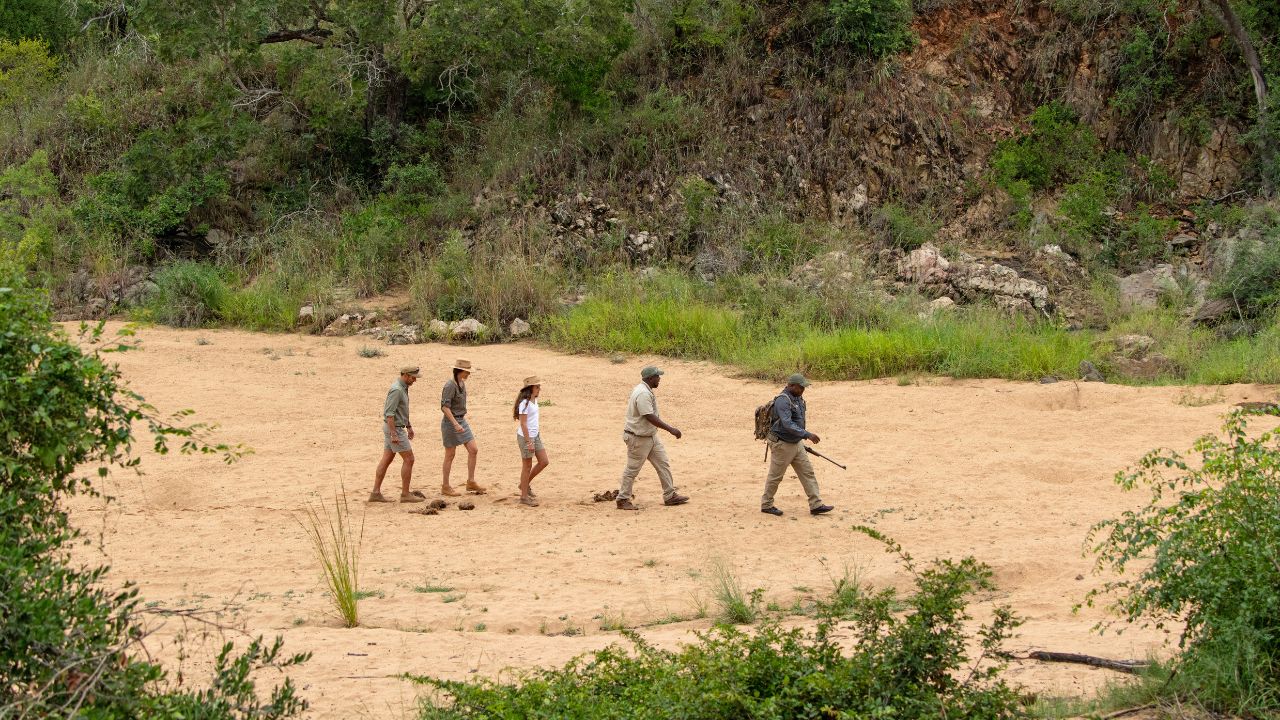
A vehicle safari puts Africa in front of you. A walking safari puts you inside Africa.
That difference sounds simple. On the ground, it changes everything. The smell of the bush after rain. The sound of your guide stopping mid-step and raising a fist, and the sudden, electric awareness of why. The way distance collapses when you are moving at the speed of the animals around you, rather than the speed of a Land Cruiser.
If you are researching walking safaris, you are probably already drawn to something more engaged than sitting behind glass. This guide covers everything you need to make a clear, informed decision which countries suit which kind of experience, what actually happens on a walking safari, how safety works, when to go, and what separates a good walking safari from a great one.
What Is a Walking Safari, Exactly?
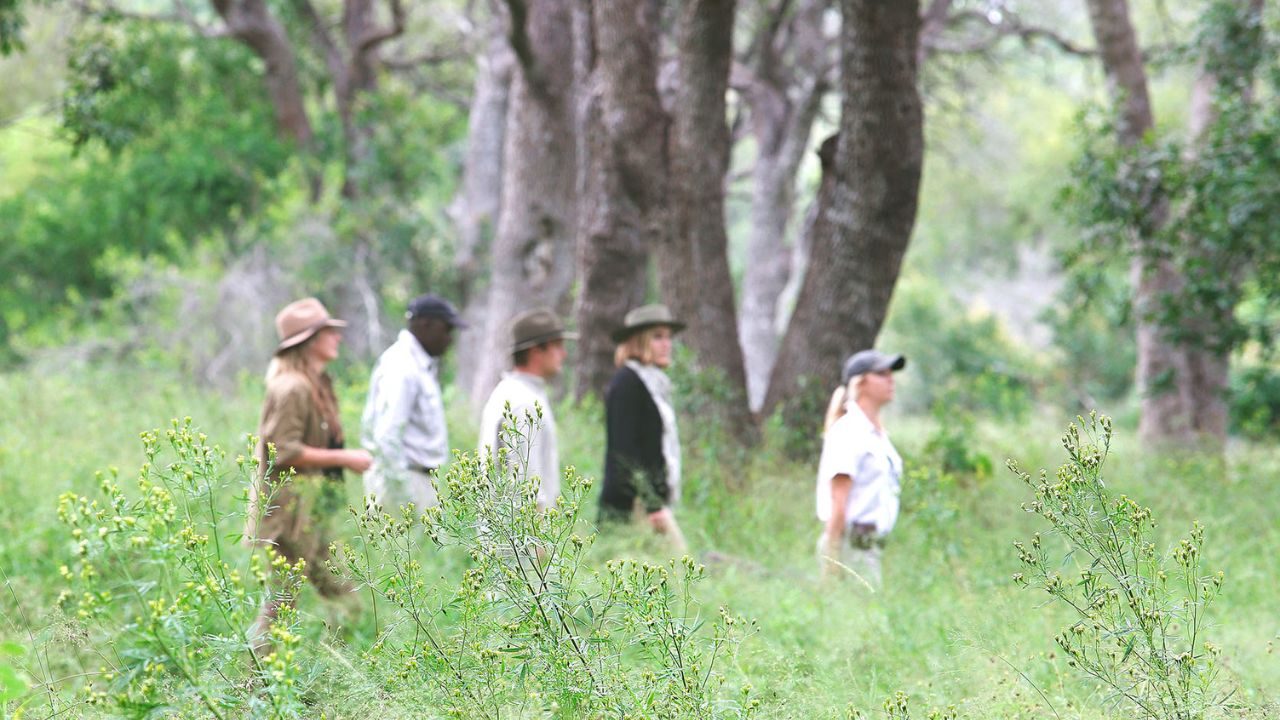
A walking safari is a guided wildlife experience conducted entirely on foot, led by a professional trails guide in wild, unfenced terrain. A Walking Safari is not a nature walk or a hike with occasional animal sightings. It is a structured, professionally managed engagement with the African bush at ground level — the same level the animals operate at.
The experience typically involves:
- Early morning departures (around 5:30–6:00am) when animals are most active and temperatures are manageable
- Groups of four to eight guests maximum
- A highly trained and armed guide
- Walks of three to five hours, moving slowly and stopping frequently
- A shorter afternoon walk or sundowner walk in the cooler late afternoon hours
What happens in between those start and finish points is entirely dictated by what the bush presents. Some mornings cover two kilometres over three hours because you’re watching an elephant bull feeding from tree to tree. Others cover eight kilometres at a steady pace through quiet woodland. The guide reads the environment in real time, and the walk follows what is actually there.
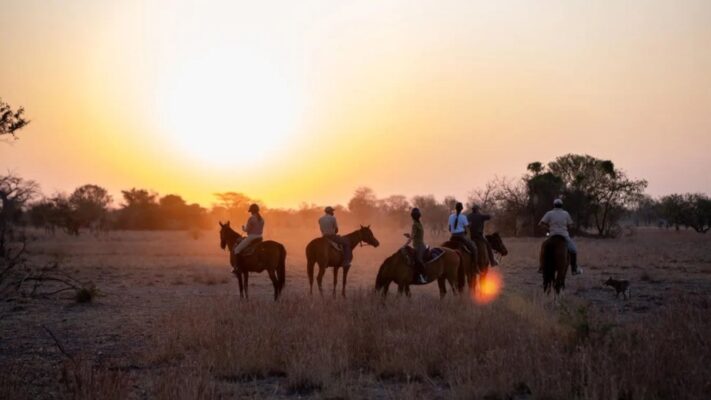
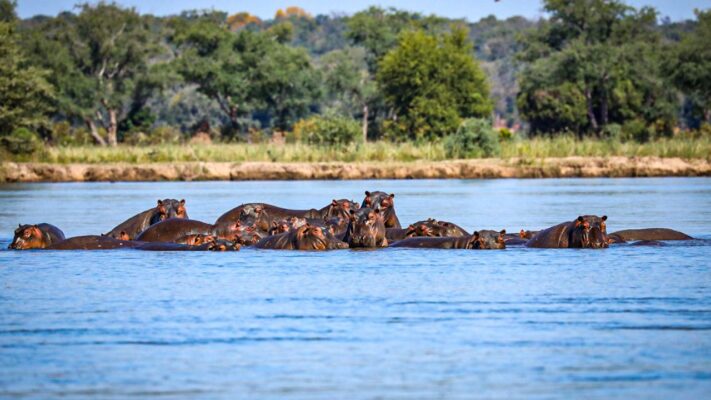
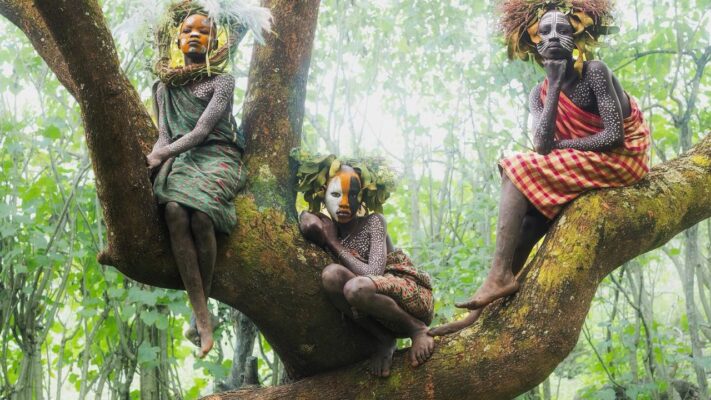
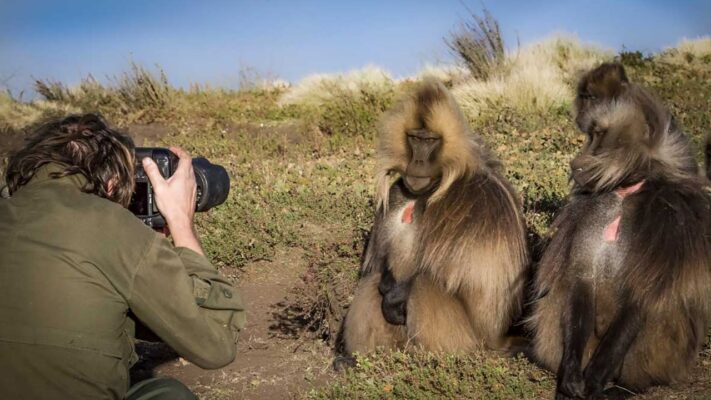
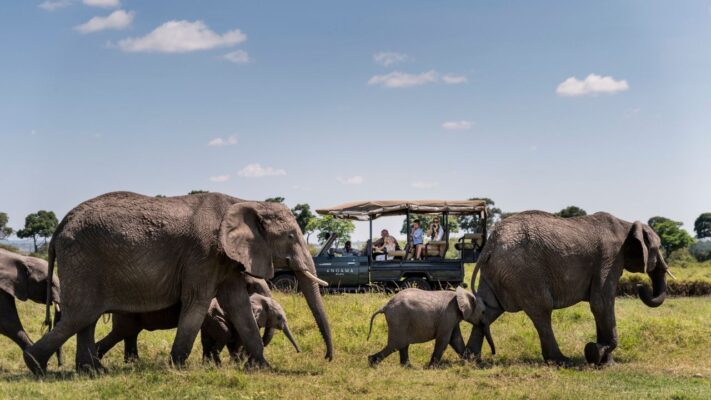
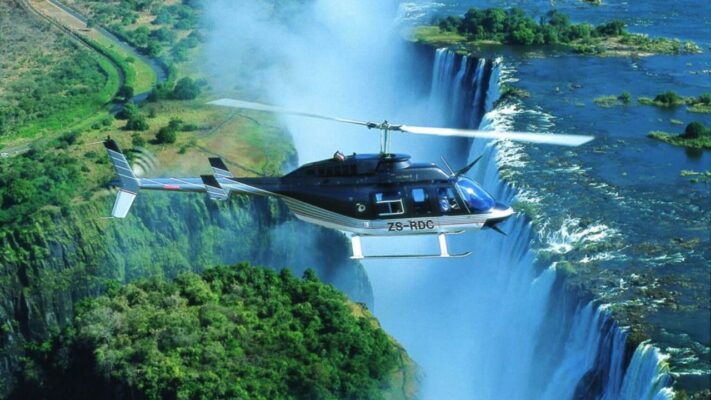
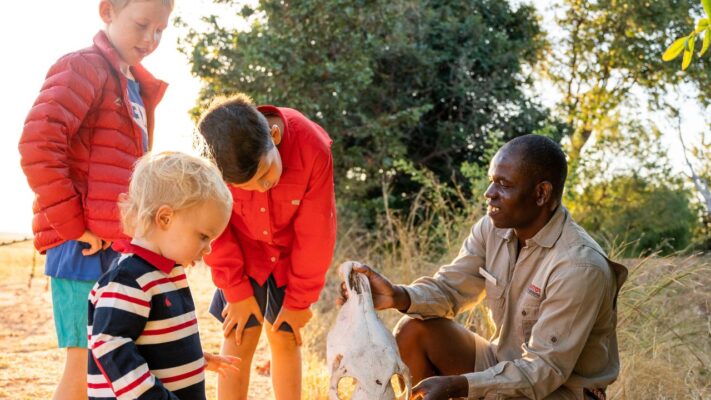
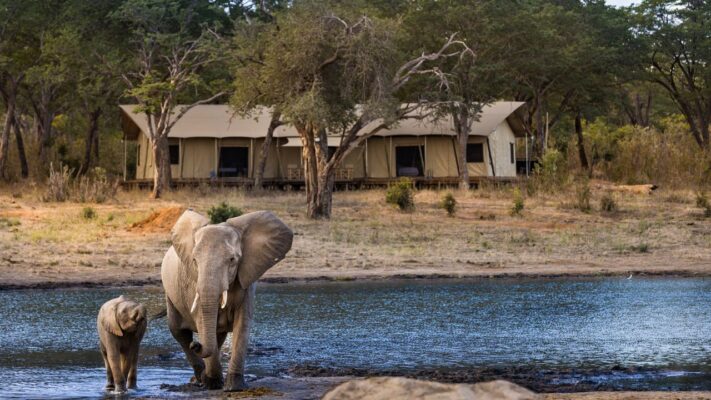
Signature Walking Safari Experiences

How Is a Walking Safari Different from a Game Drive?
This is the question most people ask first, and it deserves a direct answer.
On a game drive, the vehicle does several things simultaneously: it elevates you above the ground, it provides a physical barrier between you and the wildlife, it allows rapid movement across large distances, and critically most large animals have become habituated to vehicles and treat them as neutral objects. You can get very close to a lion in a Land Cruiser because the lion does not register the vehicle as a threat.
On foot, none of those conditions apply. You are at ground level, in the same physical space as the animals, with no barrier. Animals respond to your presence differently. The entire dynamic shifts.
This changes what you notice. From a vehicle, attention moves outward scanning for animals at a distance. On foot, attention compresses. A set of tracks in the dust becomes significant. The direction of the wind becomes something you are actively aware of. The alarm call of a bird in a thicket ahead tells your guide something specific, and watching them process that information in real time is itself part of the experience.
The other difference is sensory. Walking through the bush engages all five senses in a way that a vehicle cannot replicate. The smell of the wild sage. The crunch of dry grass. The heat of the ground radiating upward. These details are not incidental they are the texture of the experience.
Is a Walking Safari Safe?
This is the most common question, and it deserves an honest answer rather than reassurance.
Walking safaris are conducted by professional trails guides who have undergone rigorous qualification processes specific to on-foot dangerous game management. In a number of countries, the benchmark qualification is through the Field Guides Association of Southern Africa (FGASA), which includes a dedicated Trails Guide assessment covering animal behaviour, dangerous game protocols, tracking, navigation, and field first aid.
In Zimbabwe, the Professional Guide qualification, as examined by the Zimbabwe Professional Hunters and Guides Association, is widely considered the most technically demanding guide qualification in the world. Candidates are assessed on foot in the presence of dangerous game, and the pass rate reflects the standard required.
The safety framework on a walking safari is specific and non-negotiable:
- Walks operate in small groups only usually a maximum of six to eight guests
- The lead guide carries a high-calibre rifle and makes all decisions about approach and positioning
- Sometimes a second armed ranger covers the rear of the group
- All movement decisions when to stop, when to approach, when to change direction rest entirely with the guide
- Guests follow instructions without hesitation; this is briefed clearly before every walk
The honest truth is that incidents on professionally guided walking safaris are extremely rare. The guides leading these walks have spent years developing the knowledge and judgment that make them safe. The risk is real but managed, and understanding that distinction is part of what makes the experience compelling rather than just frightening.
Which African Country Is Best for a Walking Safari?
There is no single best country the right choice depends on what you are looking for. Here is how the main destinations compare.
Zambia — Where the Walking Safari Was Born
Zambia’s South Luangwa Valley is where the modern walking safari originated. In the 1950s, conservationist Norman Carr established the first commercial walking operation here, and the tradition his approach created remains the benchmark against which other walking destinations are measured.
The Luangwa offers high predator density, particularly leopard combined with a bush camp culture that keeps groups small, infrastructure minimal, and wildlife encounters unhurried. If you want the most immersive, traditional walking safari experience available, Zambia is where to start.
Best for: First-time walking safari guests, traditional bush camp experience, leopard and lion encounters
Zambia Walking Safari Experiences
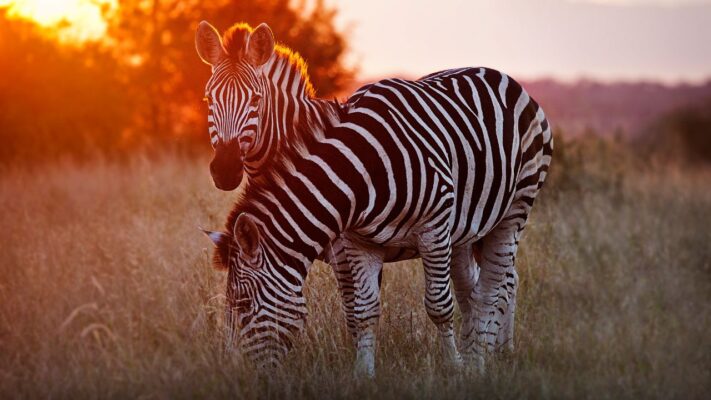
Zimbabwe — The Highest Technical Standard on the Continent
Zimbabwe is a favourite of where the world’s most technically accomplished guides operate. The relationship between Zimbabwean guides and dangerous game, particularly elephant, is specific to the training standard they have completed, and it produces encounters that simply are not possible elsewhere. A number of the parks permit walking safaris – and conditions vary according to the park.
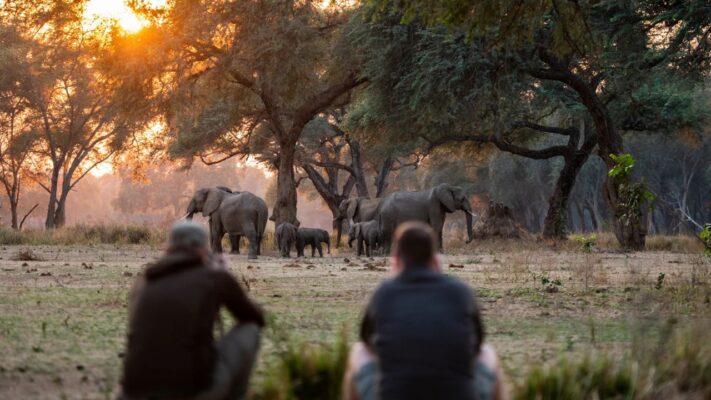
Walking among free-ranging elephant at Mana Pools National Park, a UNESCO World Heritage Site, managed entirely by a guide’s positioning and judgment, is one of the most distinctive wildlife experiences in Africa. The terrain is dramatic, the wildlife density is high, and the standard of guiding is unmatched.
Best for: Experienced safari travellers, elephant encounters, the highest guiding standard available
Zimbabwe Walking Safari Experiences
South Africa — Big Five Walking on Private Reserve Land
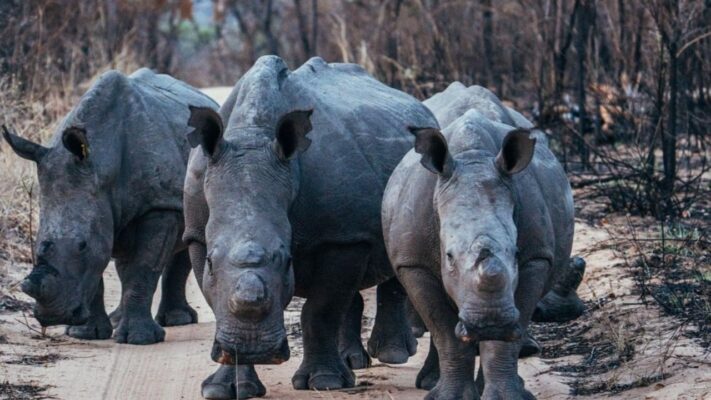
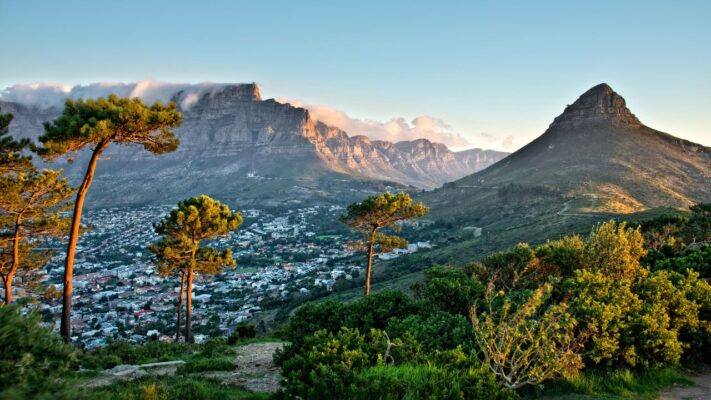
South Africa’s walking safari offer is based primarily in the private concession areas adjacent to the greater Kruger National Park. These unfenced reserves cover enormous areas of diverse bushveld terrain and offer off-trail walking access to the full Big Five: lion, elephant, leopard, rhino, and buffalo.
South Africa also offers the most flexible infrastructure of any Southern African walking destination, with a wider range of accommodation styles than Zambia or Zimbabwe.
Best for: Families, those combining walking with vehicle game drives, first-time Africa visitors
South Africa Walking Safari Experiences
Botswana — Walking Through the Okavango Delta
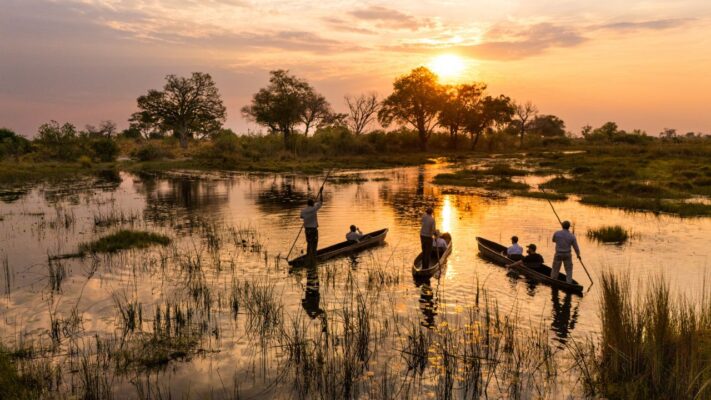
Botswana’s walking safari is unlike any other on the continent because the terrain itself is unlike any other. The Okavango Delta a vast inland river system that floods seasonally produces a hybrid experience: walking across islands, crossing water channels by mokoro (traditional dugout canoe), tracking game through a landscape that changes with the flood cycle.
Botswana’s strict low-volume conservation policy means that visitor numbers in walking areas are kept well below what the ecosystem can absorb. The result is walking country that feels genuinely remote.
Best for: Those wanting a unique landscape experience, wildlife combined with water-based movement, genuine remoteness
Botswana Walking Safari Experiences
Kenya — Walking with Indigenous Guides in Community Conservancies
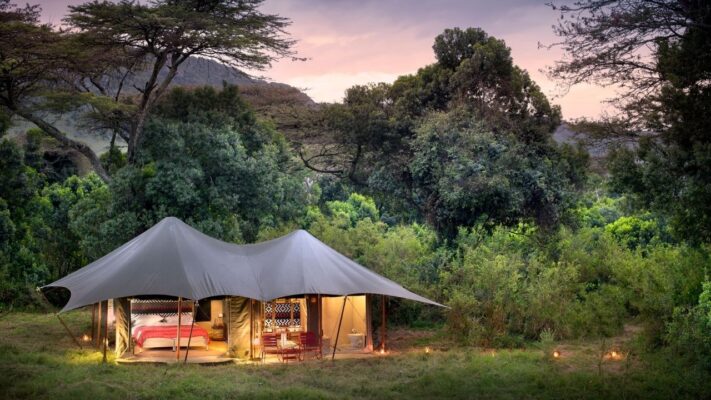
Kenya’s walking safari offer has been transformed by the growth of community-owned conservancies in Laikipia and the greater Maasai Mara ecosystem. In these areas, Maasai and Samburu guides bring ancestral ecological knowledge to the walking experience — an understanding of landscape, animal behaviour, and environmental indicators that no formal qualification can fully replicate.
Community conservancies also represent one of the most transparent examples of tourism revenue directly supporting both conservation and local communities, through a model that pays Maasai landowners to keep their land in wildlife habitat.
Best for: Those interested in indigenous guiding knowledge, community conservation models, the Mara ecosystem
Kenya Walking Safari Experiences
Tanzania — Remote Multi-Day Wilderness Trekking
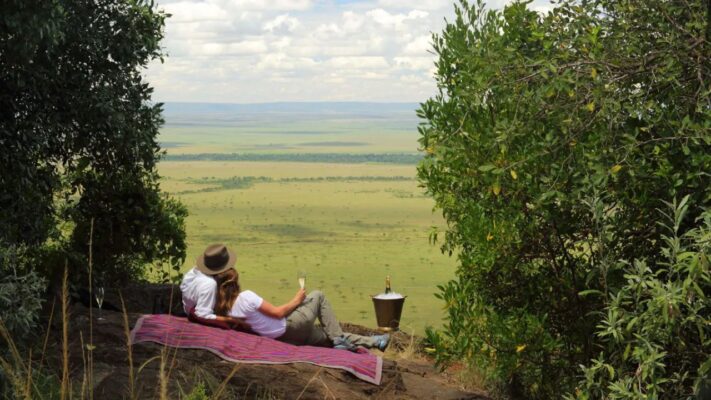
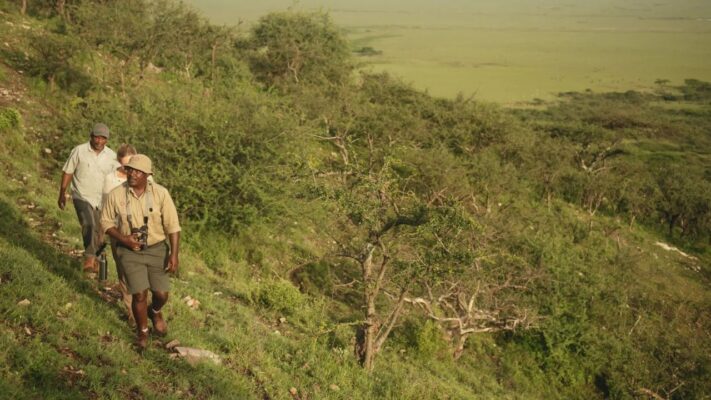
Tanzania offers the most remote walking safari terrain in Africa. Ruaha National Park and Nyerere (formerly Selous) are among the largest protected areas on the continent — vast, wild, and managed at visitor densities low enough that days can pass without encountering another group. Other areas like Ugalla Game Reserve provide unparalleled wild experiences – then those wanting the unique experience of walking across the Serengeti plains – this can be arranged too. Chimpanzee trekking in Mahale National Park is another experience that few travellers get to make.
Multi-day wilderness treks in Tanzania, camping in unfenced terrain overnight, represent the most physically demanding and most complete form of walking safari available.
Best for: Experienced travellers, those wanting multi-day treks, maximum remoteness and wilderness
Tanzania Walking Safari Experiences
Uganda — Gorilla Trekking in Bwindi Forest
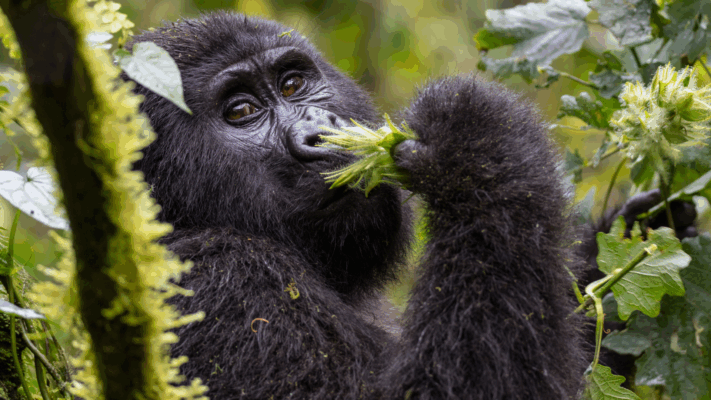
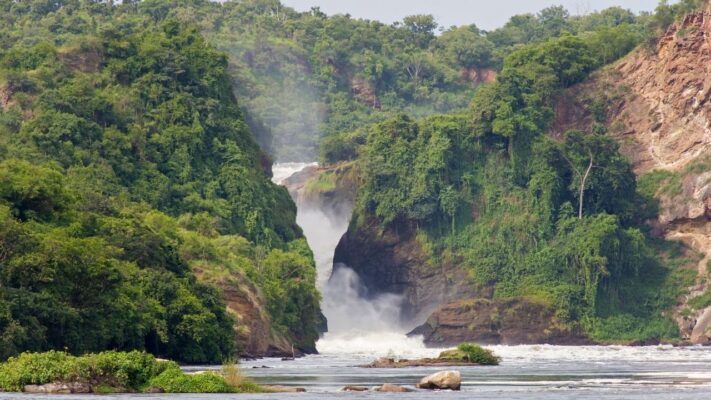
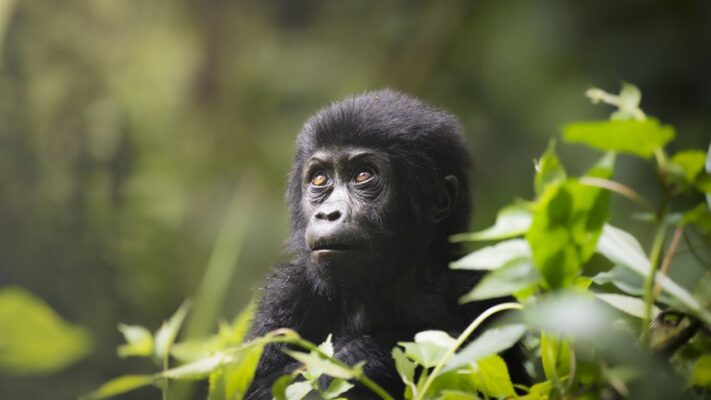
Uganda occupies a distinct category. Gorilla trekking in Bwindi Impenetrable Forest is a walking experience rather than a traditional safari steep, forested terrain, conducted in small groups of eight, culminating in one hour with a habituated mountain gorilla family. Other primate trekking is also available, from chimpanzees to baboons, in different areas across Uganda.
The physical challenge is real. Terrain is steep and dense, altitude reaches 2,500 metres in places, and treks to locate gorilla groups can range from one hour to a full day depending on the animals’ overnight position. The encounter itself is governed by strict ethical protocols developed over decades of conservation practice.
Best for: Those specifically seeking gorilla and general primate trekking, combining with East Africa safari itineraries
Uganda Walking Safari Experiences
When Is the Best Time to Go on a Walking Safari?
Season matters significantly in walking safari planning, and the answer varies by country.
Dry Season (June to October) — Best for wildlife density and visibility
Across Southern and East Africa, the dry season is the optimal walking period. Vegetation thins, animals concentrate around permanent water sources, and tracking conditions are at their best. This is when most dedicated walking safari operations are at peak activity.
Green Season (November to April) — Best for birding, scenery, and lower visitor numbers
The green season transforms the bush. Vegetation is dense, rainfall is regular, and wildlife disperses. Walking in these conditions is a different experience, more physically demanding, with different encounters, and a landscape that has an entirely different visual character. For birders and those wanting quieter, less-visited camps, the green season has real advantages.
The optimal window by country:
- Zambia: June to October
- Zimbabwe: August to October (September and October are peak)
- South Africa: May to September
- Botswana: May to October
- Kenya: July to October, January to February
- Tanzania: June to October
- Uganda: June to September, December to February
What Should You Expect on a Walking Safari Day?
Understanding the daily structure helps set the right expectations.
Before dawn: Wake-up call, hot drink, light snack at camp
Early morning (5:30–10:00am): The main walk. Four to five hours, moving at the pace of the bush. The guide leads, the group follows, stops are frequent and unannounced. This is the heart of the day.
Midday: Return to camp. The African midday heat, particularly in the dry season, makes extended outdoor activity uncomfortable. Most camps are designed around a generous midday break: a proper meal, shade, rest, and often informal time with the guide to debrief what the morning produced.
Late afternoon (3:30–6:00pm): A shorter afternoon walk or sundowner walk. Predators begin moving. Light quality changes. A different set of animals becomes active.
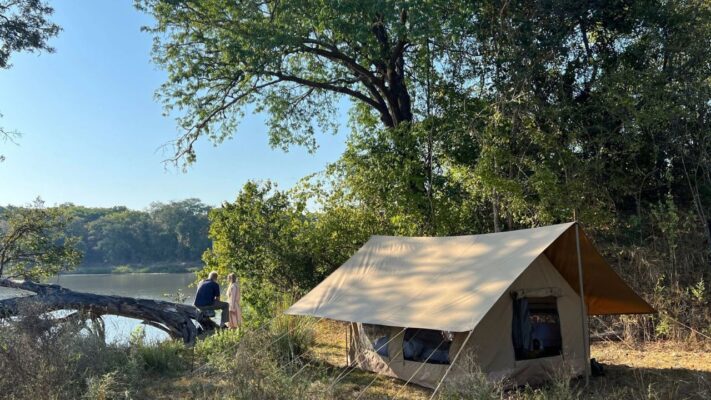
Evening: Dinner at camp, often around a fire. In remote fly-camps, this is where the quality of the experience crystallises the darkness, the sounds of the night, and the absence of anything that competes with where you actually are.
What Makes a Walking Safari “Luxury”?
The word gets used loosely, but in the context of walking safaris it has a specific meaning.
Luxury in the bush is not about marble bathrooms or swimming pools though some properties offer both. It is about the quality of the guiding, the intimacy of the group size, the calibre of the camp management, and the thought that has gone into placing you in exactly the right landscape at exactly the right time of year.
A genuinely luxury walking safari has:
- A guide whose experience and qualification are verifiable and exceptional
- A group size small enough that every guest has a meaningful experience
- A camp whose design serves the environment it is in rather than imposing on it
- An itinerary built around what is actually happening in that ecosystem in that season, not a fixed programme
The fly-camp, a small, temporary camp placed deep in the wilderness, dismantled at the end of the season, is the purest expression of walking safari luxury. It exists only because the land allows it, only because a skilled team has made it possible, and only for as long as the season permits. That ephemerality is the point.
How to Start Planning Your Walking Safari
A walking safari itinerary is not something to build from a website dropdown. The variables: country, season, camp selection, guide availability, activity combination, and group composition interact in ways that matter for the quality of the experience.
The right starting point is a conversation with a specialist who knows the specific camps, the specific guides, and the specific conditions in each destination at the time you are planning to travel.
African Signature Journeys plans bespoke walking safari itineraries across Zambia, Zimbabwe, South Africa, Botswana, Kenya, Tanzania, and Uganda. Every itinerary is built from scratch around what you are specifically looking for.
Africa Is Rich With Choice
We Are Here To Help
Connect with an Africa Specialist to design a bespoke African Experience!
Continue Reading: The Walking Safari Hub Series
This guide is the central reference point for a complete series covering every dimension of the walking safari experience. Each hub goes deeper on a specific topic.
- 1 Is a Walking Safari Right for You? What to Know Before You Book
- 2: Walking Safari Countries Compared: Zambia, Zimbabwe, South Africa, Botswana, Kenya and Tanzania
- 3: Walking Safari Safety: What Professional Guides Actually Do
- 4: What to Pack for a Walking Safari: The Practical Kit List
- 5:Walking Safari Camps: The Difference Between a Good Camp and a Great One
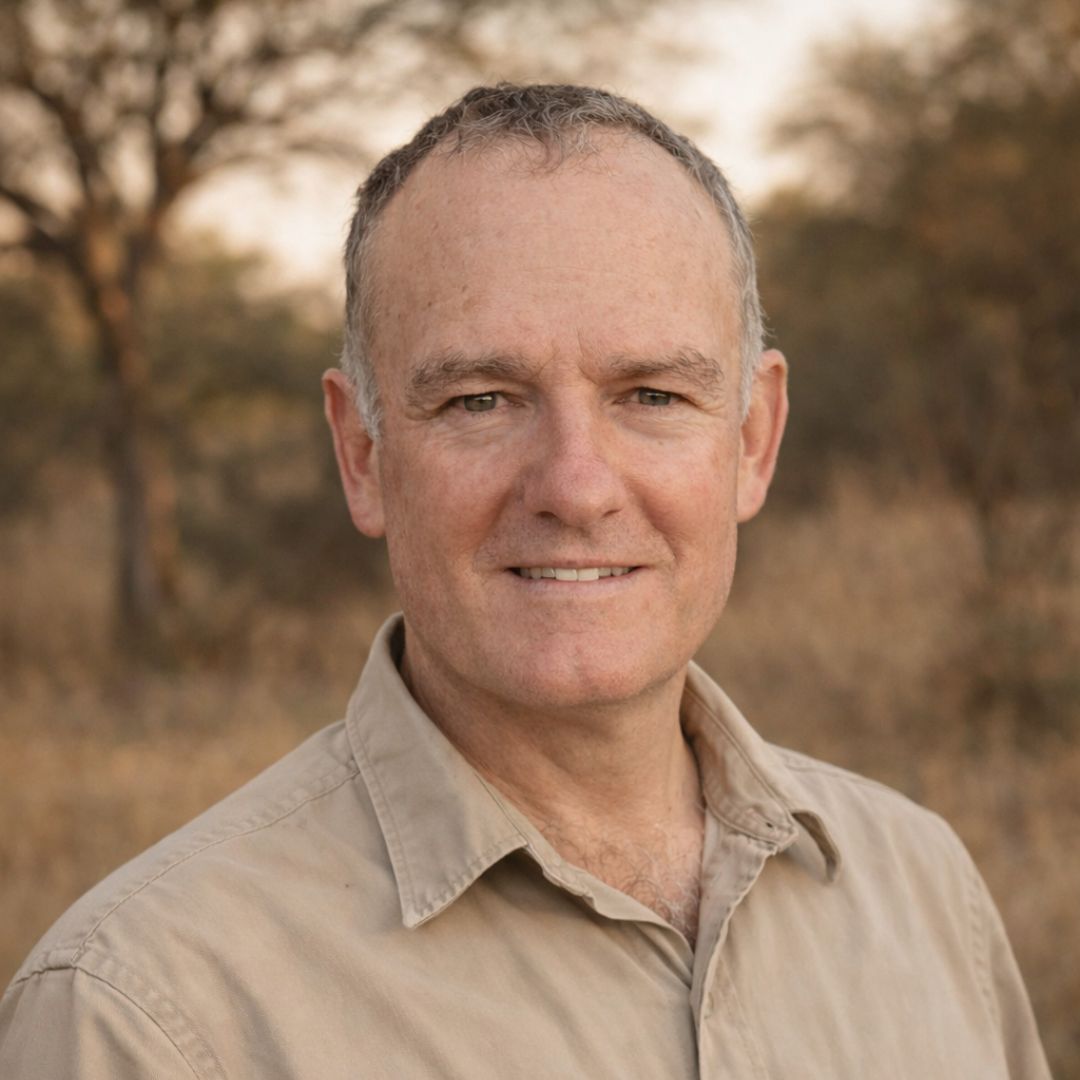
Sean Lues
Award Winning Safari Guide
Content by Award Winning Safari Guides
The content on African Signature Journeys is overseen by Sean Lues, an award-winning professional safari guide who was born and raised in Zimbabwe and has spent decades living, guiding, and managing safari operations across Africa.
Winner of the Zimbabwe Professional Guides Association Guide of the Year award, Sean is recognised for his deep knowledge of African wildlife, landscapes, and safari experiences. Now based in Australia, he combines firsthand African expertise with an understanding of what Australian travellers want from their safari adventure.
His experience helps ensure the information, recommendations, and insights shared by African Signature Journeys are practical, accurate, and based on real-world experience.
Do You Have a Question We Can Answer For You?
Connect with Sean