
Best Time to Visit Victoria Falls: A Season-by-Season Guide
There is no single best month to visit Victoria Falls. The waterfall transforms constantly across the year, driven by a river system far larger than the falls themselves. Your ideal timing depends on what matters most to you: thundering power, clear photography, adventure activities, or a safari pairing. This guide breaks down the real seasonal cycle, so you can choose dates that match your priorities, not a generic calendar rule.
Why Victoria Falls Doesn’t Follow a Simple Wet-Dry Calendar
Most travel guides describe Victoria Falls with a basic wet-season, dry-season split. That framing misses the real story. The falls sit at the base of the Upper Zambezi River Basin, a catchment spanning 1.37 million square kilometres across Angola, Zambia, and Namibia. Rain falling in the Angolan highlands does not reach Victoria Falls immediately.
Instead, that water first drains into the Barotse Floodplain in western Zambia. This vast wetland absorbs the flood surge like a giant sponge. Only once it saturates does the water release downstream toward the falls. This process creates a two-to-three-month lag between local rainfall and peak flow at Victoria Falls.
Local rains around the falls peak in January and taper by late March. Yet the river’s true flood peak does not arrive until April or May. Understanding this delay explains almost every seasonal question travellers ask about Victoria Falls.
The Four Seasons of Victoria Falls
Conventional four-season language doesn’t suit this environment well. Instead, think in terms of four hydrological phases.
High-Flood Inundation (March to May)
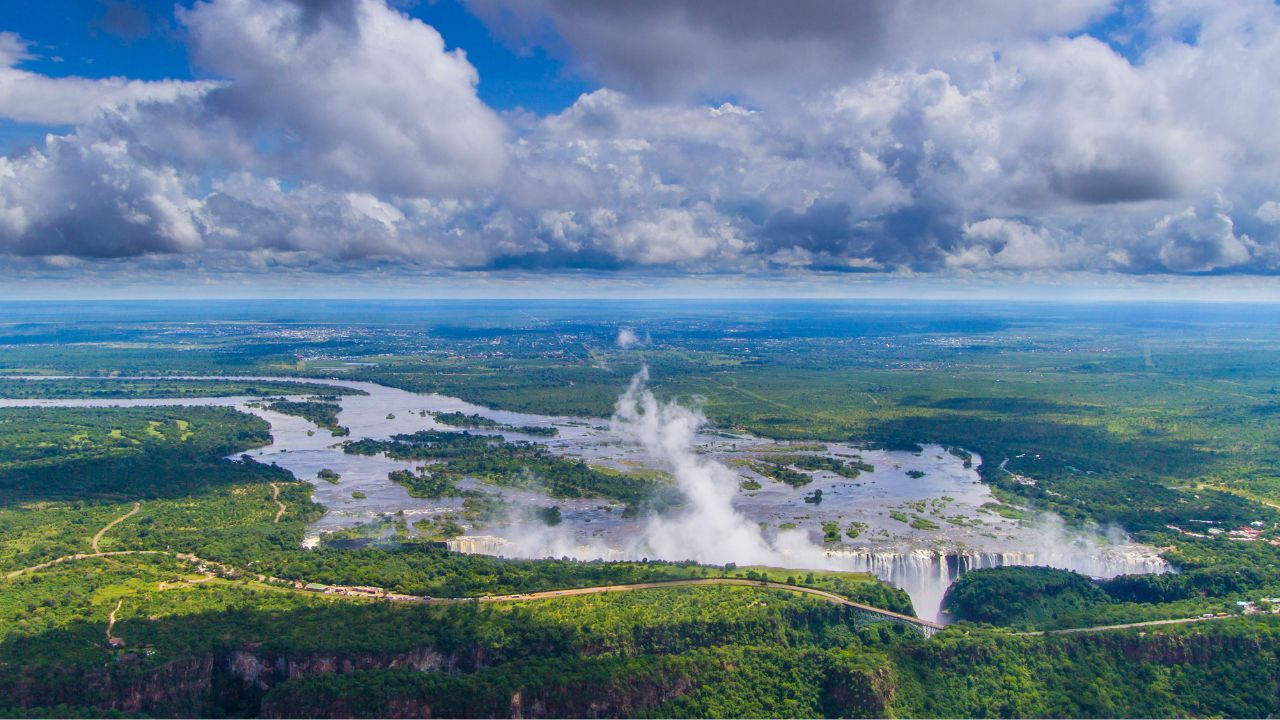
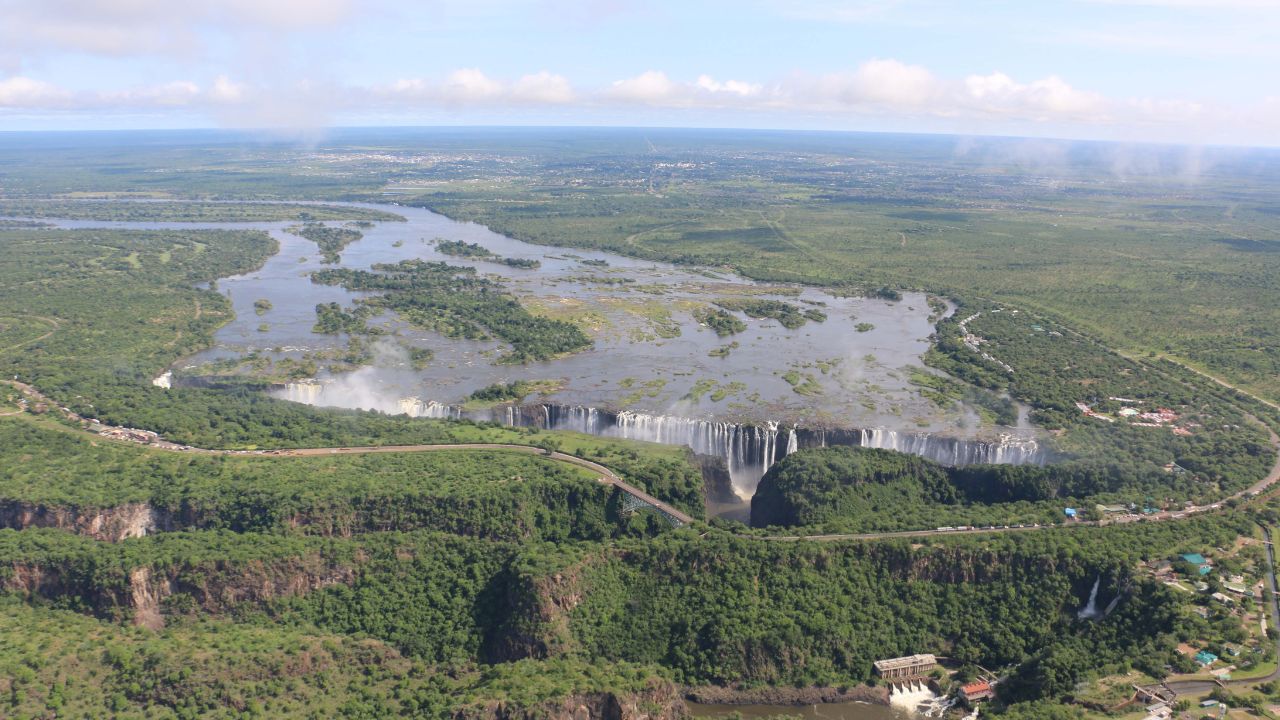
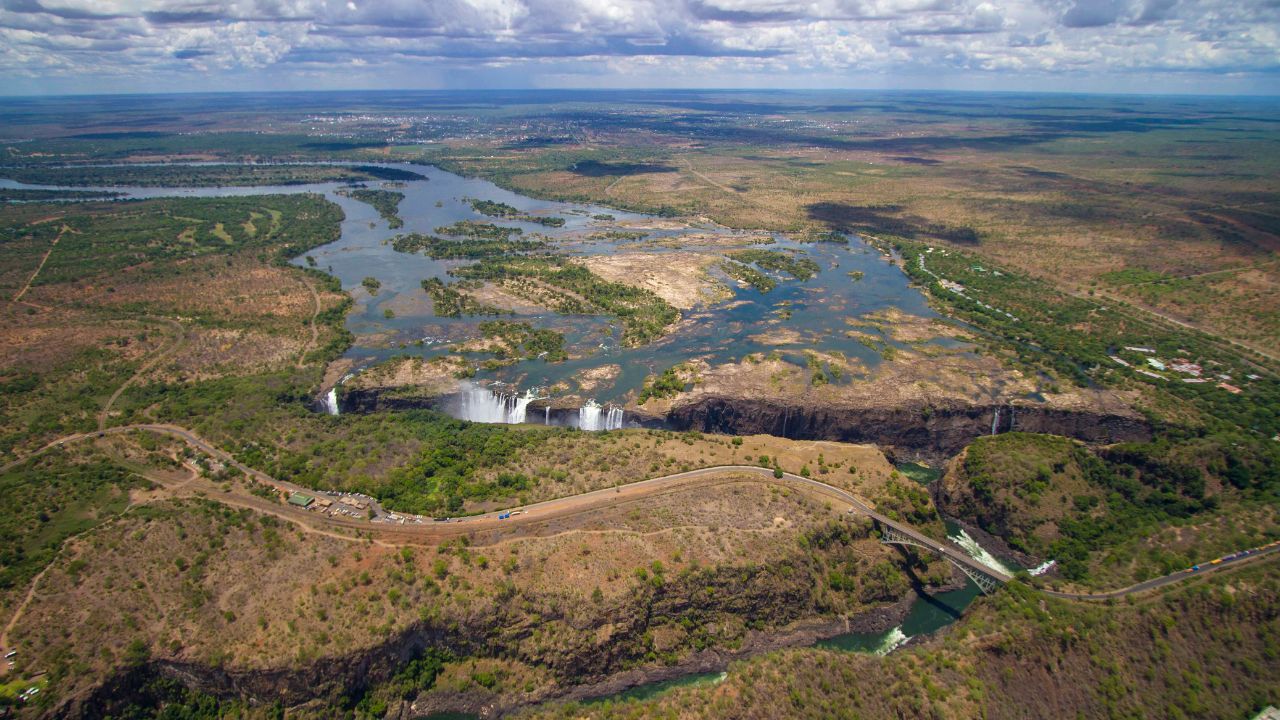
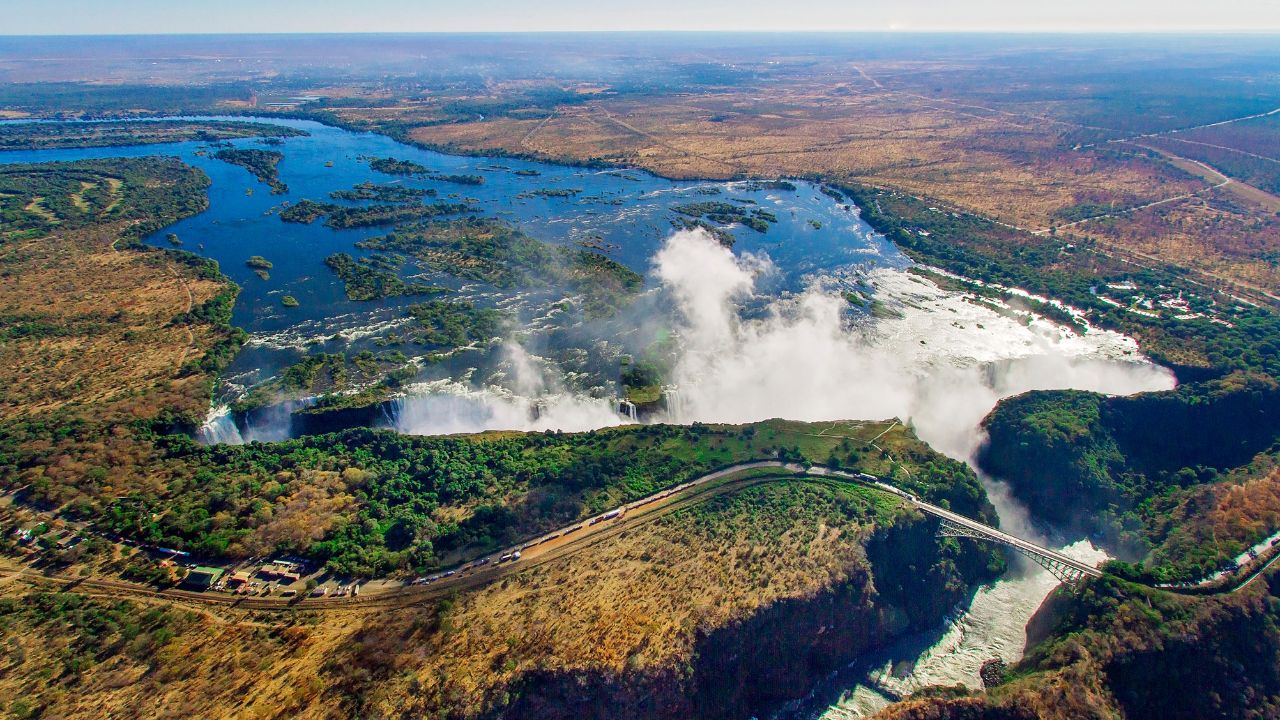
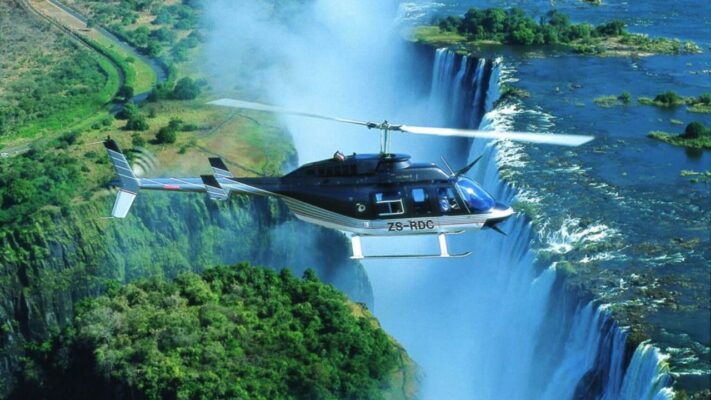
This is peak power. River discharge can exceed 5,000 cubic metres per second, sending spray columns up to 500 metres into the sky. The roar becomes deafening, and rainforest trails receive constant, drenching mist. Ground photography grows difficult here, though helicopter flights reveal the full scale beautifully.
Receding Flow and Clear Air (June to August)
As winter sets in, spray drops below the gorge lip. Panoramic, edge-to-edge views open up across the chasm. Days turn crisp and sunny, while nights grow cold. This window pairs naturally with prime dry-season safari viewing nearby.
Low-Water and Exposed Geology (September to November)
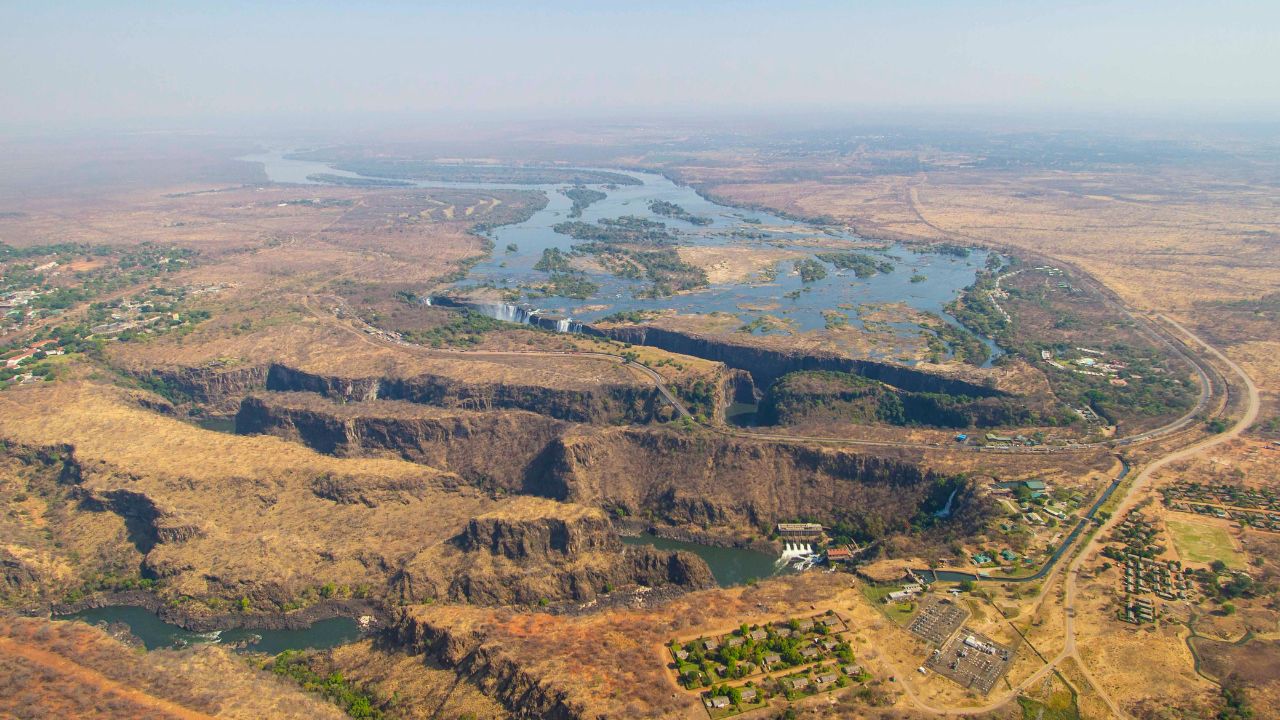
Flow reaches its annual low point. The Zambian side often runs dry, while Zimbabwe’s Main Falls and Devil’s Cataract keep flowing steadily. Temperatures climb sharply, adventure activities like Devil’s Pool swimming open up, and wildlife concentrates around scarce water sources.
Green Season Build-Up (December to February)
Local summer rains arrive, turning the landscape lush and green. Bird numbers swell with migratory arrivals from across Africa. Water levels begin rising again as the cycle restarts. Crowds thin noticeably, and lodge rates often drop by 30 to 50 percent.
Match Your Priority to Your Travel Dates
Different travellers want different things from Victoria Falls. Use this table to find your ideal window quickly.
| Priority | Best Months | What You’ll Experience |
| Maximum hydraulic power | March–May | Deafening roar, dense spray, unforgettable scale |
| Clear photography & views | June–August | Full curtain visible, crisp air, mild days |
| Devil’s Pool & adventure | Late Aug–Dec | Swimming at the edge, low-water rafting |
| Combined safari & falls | July–October | Dry-season wildlife, balanced water flow |
| Lunar rainbows | Full moon, Mar–Jul | Spray-lit moonbow, three nights per cycle |
| Value & quiet trails | January–February | Discounted rates, lush scenery, fewer crowds |
Devil’s Pool, Livingstone Island, and Adventure Timing
Devil’s Pool draws travellers who want to swim right at the edge of the falls. It only opens once river levels drop enough, typically from mid-August through late December. October and November offer the most reliable conditions of the year. We cover the full opening calendar, safety record, and booking process in our dedicated Devil’s Pool guide.
White-water rafting on the Zambezi follows a separate calendar too. Low-water rafting through the technical Batoka Gorge rapids runs from August to late December. High-water rafting operates in January, February, June, and July, using a different launch point further downstream. Flood conditions close the river entirely from March through late May. Our rafting guide breaks down every seasonal window in full.
Zimbabwe or Zambia: Choosing Your Side
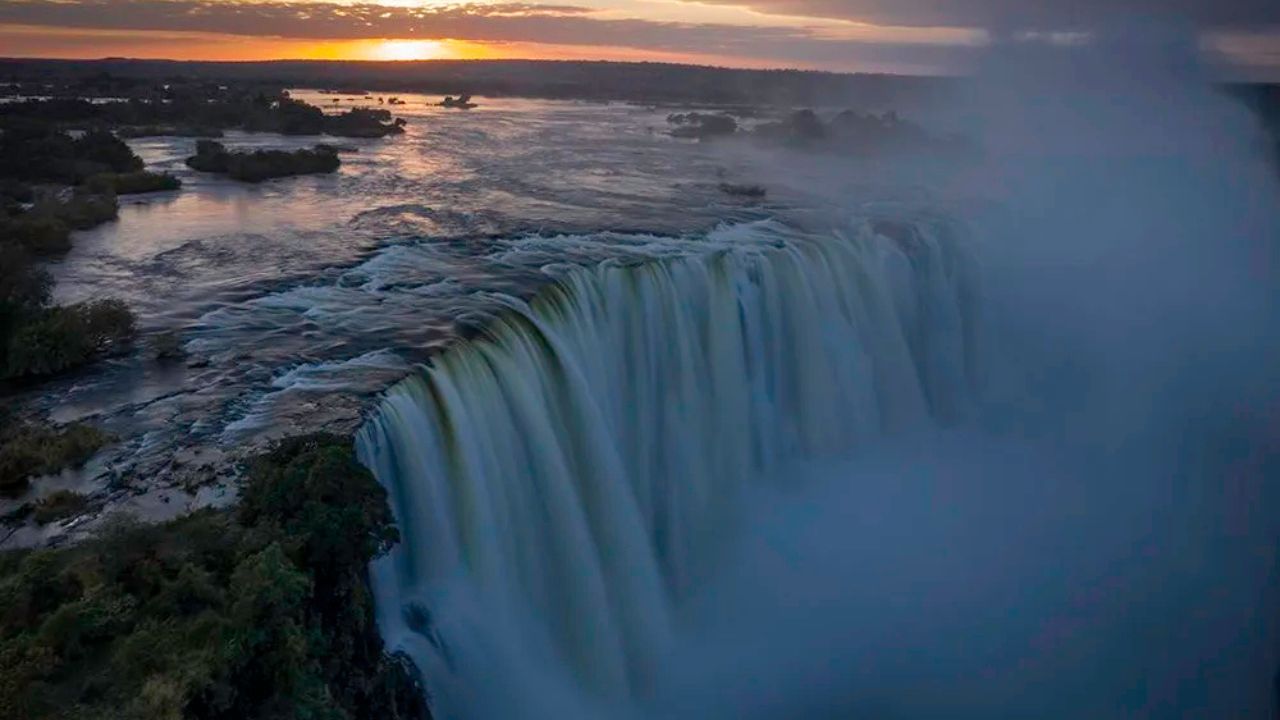
Around 75 percent of the waterfall sits within Zimbabwean territory, spread across sixteen formal viewpoints along a paved rainforest path. Zambia’s Mosi-oa-Tunya National Park covers the remaining stretch, centred on the Eastern Cataract. During the low-water months, the Zambian side often dries out almost completely, while Zimbabwe’s cascades continue flowing.
The KAZA UniVisa, priced at US$50, lets travellers from the United States and Australia cross freely between both countries for thirty days. Most visitors base themselves on one side and day-trip across the historic bridge. We compare both sides in detail, including viewpoints, seasonal flow, and border logistics, in our Zimbabwe versus Zambia guide.
Combining Victoria Falls With a Safari
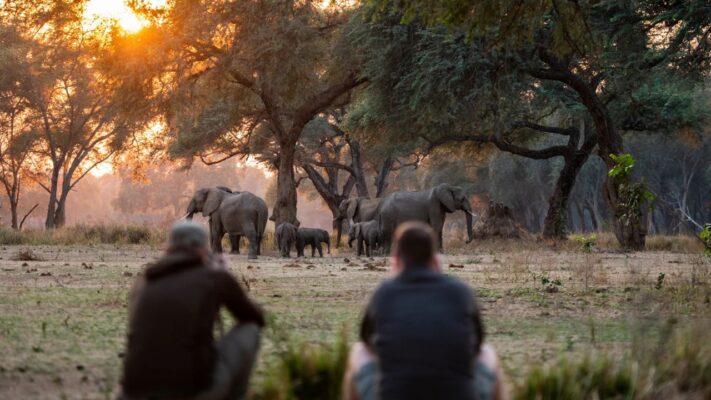
Victoria Falls rarely stands alone on an itinerary. Hwange National Park, two hours south, delivers exceptional dry-season game viewing from July to October. Chobe National Park in Botswana, just across the Kazungula border, sees massive elephant gatherings between June and October. Both destinations pair naturally with a falls visit, though their peak wildlife season coincides with the falls’ lower water months.
Travellers prioritising both waterfall flow and wildlife density often find June through August strikes the best balance. Our safari specialists can help sequence a multi-destination route around both priorities, whether that means Hwange, Chobe, or a broader Southern African circuit.
Planning Notes for American and Australian Travellers
American visitors sometimes struggle with the hemisphere reversal. Southern African winter, from June to August, is mild, sunny, and dry, not cold. Daytime temperatures typically sit between 20°C and 25°C (68°F to 77°F). Most US travellers book nine to fourteen months ahead, targeting June through August or the December festive period.
Australian travellers already share the southern hemisphere calendar, so seasonal timing feels intuitive. Adventure-focused Australians often prioritise low-water rafting, Devil’s Pool, and walking safaris over resort-style stays. Booking windows typically run six to nine months ahead, with many travellers folding Victoria Falls into longer regional circuits through Botswana and Namibia.
Discover Signature Zimbabwe Experiences




Frequently Asked Questions
Does Victoria Falls ever dry up completely? No. The Zimbabwean side flows year-round, even when the Zambian side thins significantly during October and November.
What is the wettest month? January and December bring the heaviest local rainfall, though this doesn’t directly control the falls’ water volume due to the upstream hydrological lag.
How many days do you need? Most travellers allow two to three nights, enough time for the viewpoints, one adventure activity, and a sunset cruise.
Start Planning Your Visit
Every season at Victoria Falls offers something genuinely different. The right dates depend entirely on what matters most to you. Our Zimbabwean-born safari specialists can help align your visit with the water levels, activities, and wildlife season you’re after. Get in touch with African Signature Journeys to start building your itinerary.
Explore the Victoria Falls Series
- Best Time to Visit Victoria Falls: A Season-by-Season Guide (You are here)
- Victoria Falls Devil’s Pool: Best Months & Safety
- Victoria Falls Rafting: High vs Low Water Season
- Victoria Falls: Zimbabwe vs. Zambia Side Guide

Sean Lues
Award Winning Safari Guide
Content by Award Winning Safari Guides
The content on African Signature Journeys is overseen by Sean Lues, an award-winning professional safari guide who was born and raised in Zimbabwe and has spent decades living, guiding, and managing safari operations across Africa.
Winner of the Zimbabwe Professional Guides Association Guide of the Year award, Sean is recognised for his deep knowledge of African wildlife, landscapes, and safari experiences. Now based in Australia, he combines firsthand African expertise with an understanding of what Australian travellers want from their safari adventure.
His experience helps ensure the information, recommendations, and insights shared by African Signature Journeys are practical, accurate, and based on real-world experience.