Zambezi White-Water Rafting: High Water vs Low Water Seasons Explained
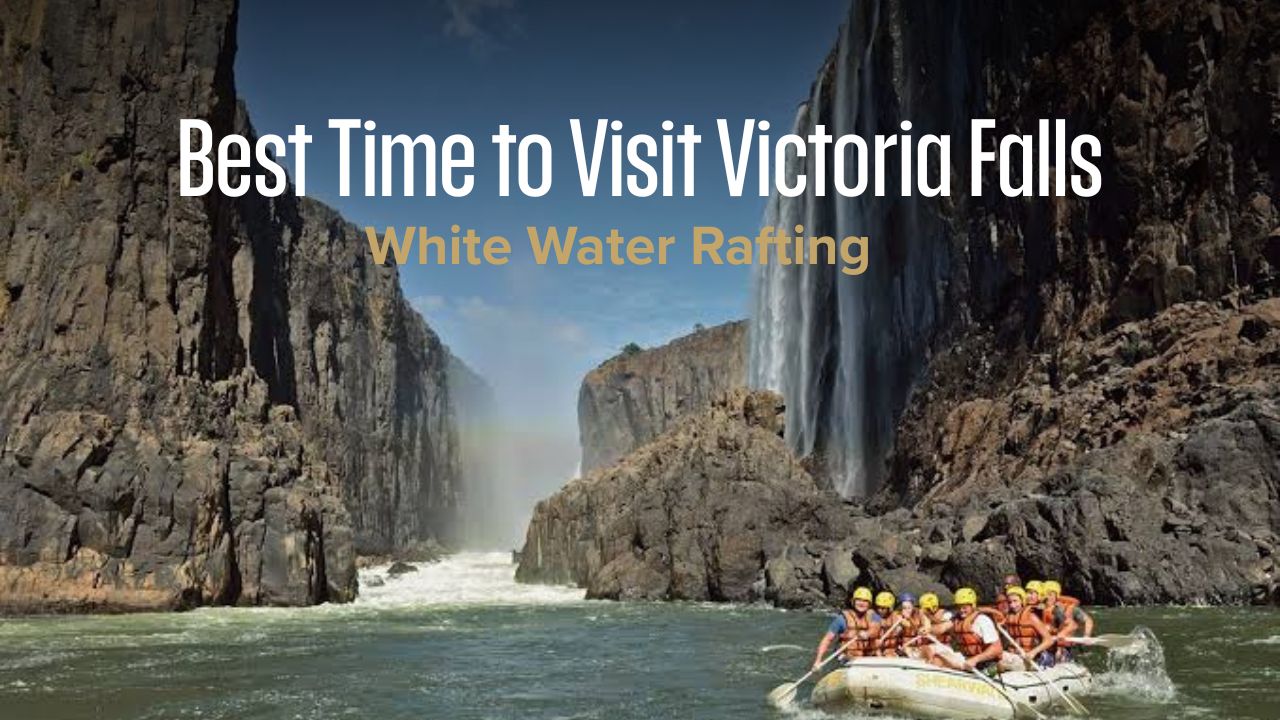
Our main guide to the best time to visit Victoria Falls touches briefly on rafting’s seasonal swings. This hub goes deeper, covering exactly how water levels reshape the Batoka Gorge run across the year. Timing your trip correctly determines which rapids you’ll run, and whether the river is even open.
The Batoka Gorge: A World-Class Rafting Venue
Below Victoria Falls, the Zambezi carves through the Batoka Gorge, home to what international outfitters consider the world’s finest single-day commercial Grade 5 rafting. Unlike most rivers, the Batoka Gorge changes character completely as water volume rises and falls. Rafting here isn’t one experience; it’s three distinct seasonal experiences layered across the calendar.
Low-Water Rafting (Approximately August 10 to Late December)
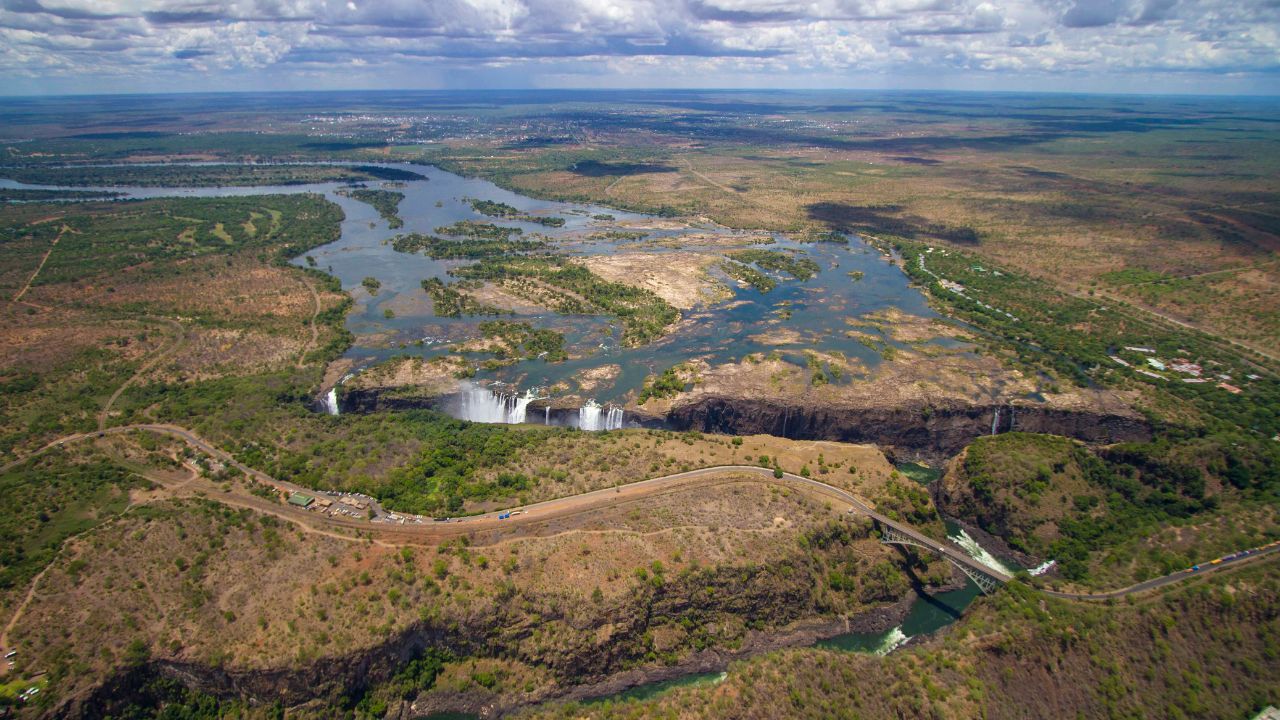
This is the classic Zambezi run most adventure travellers picture. As flow drops, the river carves through steep technical drops and powerful standing waves. Trips launch directly below the waterfall at Rapid 1, known locally as The Boiling Pot. From there, rafters tackle up to nineteen numbered rapids, including famous features like “The Overland Truck-Eater” and “The Mother.”
This season represents the ultimate white-water experience sought by serious river runners. Rapid gradients, technical boulder gardens, and continuous Grade 5 action define this window. Most Australian rafting enthusiasts specifically target these months.
High-Water Rafting (Approximately January to February, and June to July)
As river levels rise, the narrow upper gorge becomes too dangerous to navigate safely. Operators shift the launch point ten kilometres downstream to Rapid 11, running the river through to Rapid 23 or 24. This stretch trades technical drops for enormous wave trains and fast-moving water.
High-water rafting suits travellers seeking a thrilling, less technical ride. Trips remain full-day adventures, though the rapid selection differs meaningfully from the low-water run further upstream.
Flood Closure Period (Approximately March to Late May or Early June)
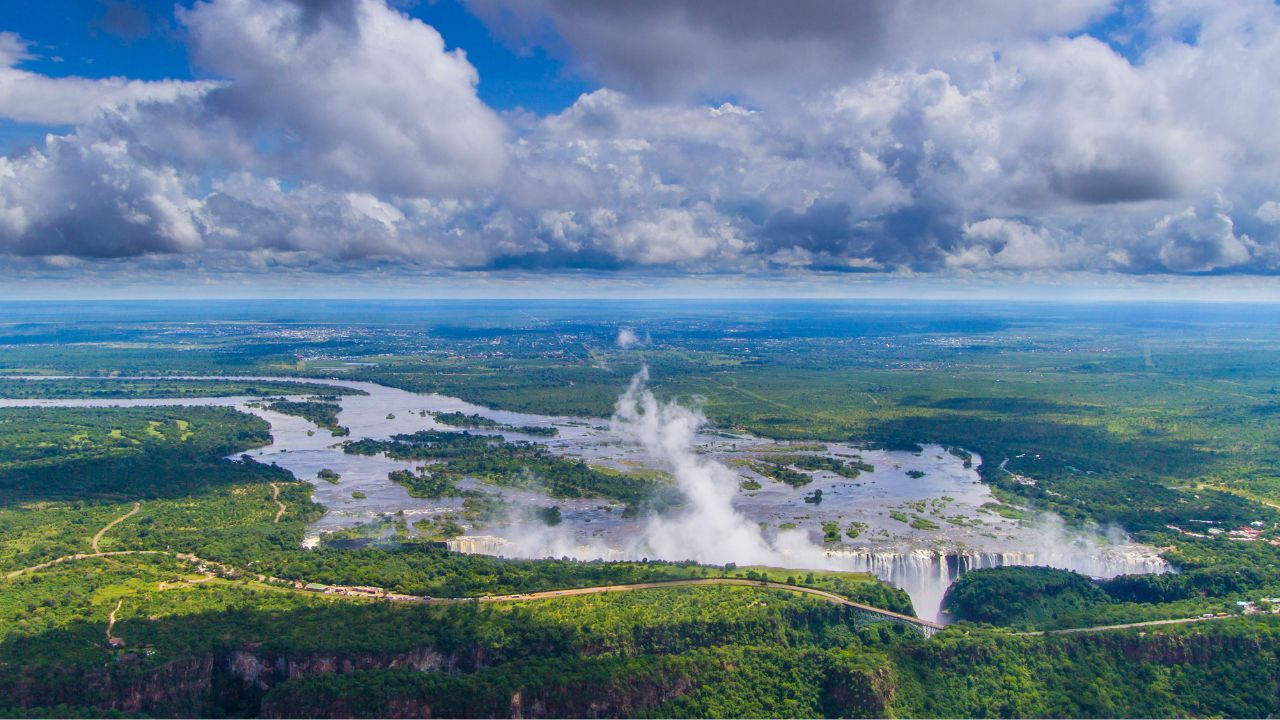
When the Zambezi reaches peak flood discharge, water levels in the gorge can rise by up to twenty vertical metres. Commercial rafting operations suspend completely during this window. Extreme hydraulics, submerged rescue trails, and a total lack of safety eddies make the river unsafe for any commercial trip.
Travellers visiting during April’s peak flood should plan on scenic flights and gorge-based activities instead of rafting. Our main seasonal guide explains why this period delivers the falls’ most dramatic visual power despite the rafting closure.
Other Zambezi River Activities and Their Seasons
Rafting isn’t the only water-based activity governed by seasonal flow. Several other pursuits follow their own distinct calendars above and below the falls.
- Canoeing safaris: Best from June to November, when gentler currents allow safe navigation through the river islands of Zambezi National Park.
- Tiger fishing: Clear water from late May through October creates premier sight-fishing conditions. September and October bring the famous “catfish run,” when tigerfish feed aggressively on baitfish along the drying floodplains.
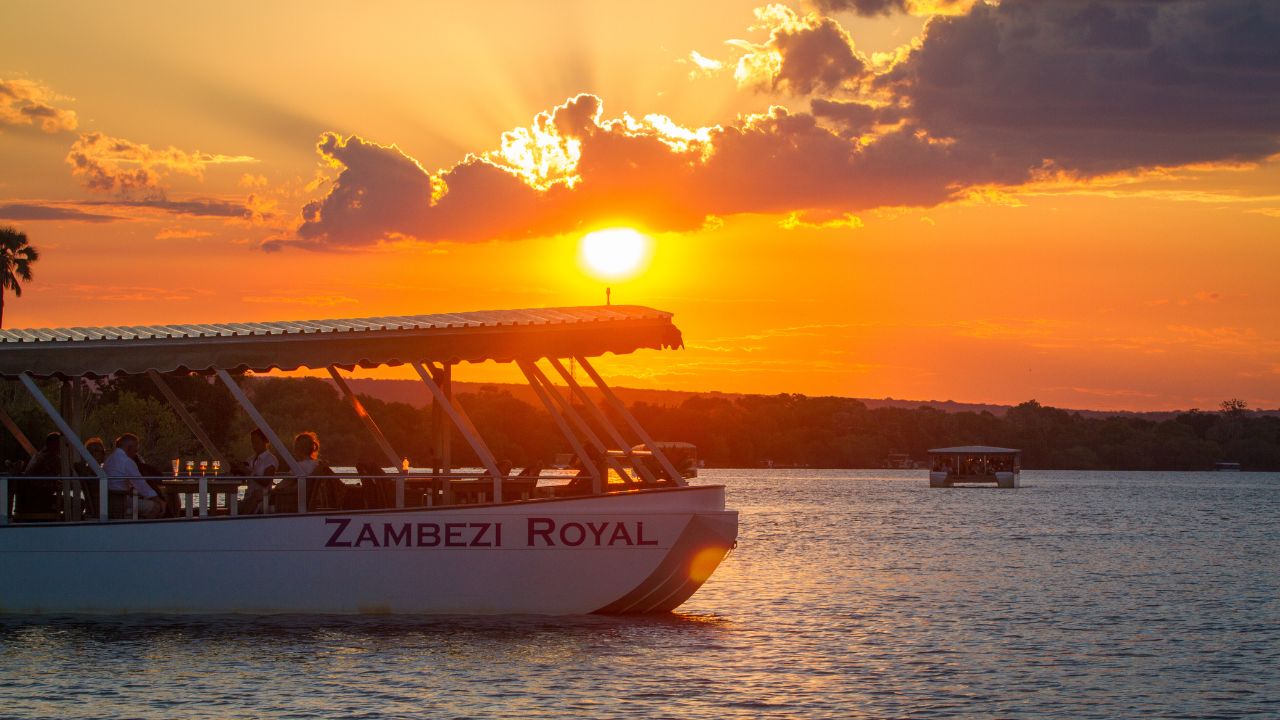
- Sunset and catamaran cruises: These operate reliably year-round along the wide Upper Zambezi channels, though winter cruises from June to July call for warm layers after sunset.
Year-Round Gorge and Aerial Adventures
Several signature activities operate regardless of season, offering flexibility for travellers with fixed dates.
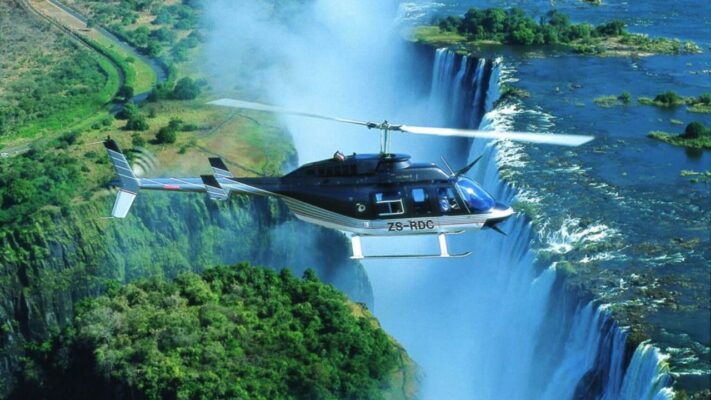
The 111-metre bungee jump from the Victoria Falls Bridge runs daily throughout the year, alongside the gorge swing and zipline. Only localised summer thunderstorms pause these briefly. Helicopter and microlight flights also run continuously, though the view shifts dramatically by season: March and April reveal a vast, mist-shrouded chasm, while October exposes the carved basalt geology of the gorge in sharp detail.
Matching Rafting to Your Wider Itinerary
Rafting’s low-water season overlaps neatly with Devil’s Pool’s opening window, making August through December an efficient stretch for combining both activities. Our Devil’s Pool guide covers that overlap in detail, including how to sequence both bookings within a single trip.
Rafting trips typically launch from the Zambian side of the gorge, near the Boiling Pot Trail. Travellers based in Zimbabwe will cross the border briefly for pickup. Our Zimbabwe versus Zambia guide explains the crossing process and KAZA UniVisa requirements in full.
Discover Signature Zimbabwe Experiences




Frequently Asked Questions
Why does rafting close in April and May? Peak flood volume makes the gorge too dangerous, removing safety eddies and submerging rescue trails throughout the canyon.
Which season is more technical, high water or low water? Low-water rafting, from August to December, is considered more technical due to its boulder gardens and steep drops.
Do you need rafting experience beforehand? No prior experience is required. Guides provide full safety briefings, and trips suit strong swimmers in good general fitness.
Plan Your Zambezi Adventure
Matching your dates to the right rafting season transforms a good trip into an unforgettable one. Our specialists know the Batoka Gorge intimately and can time your rafting day around the exact water levels you want. Contact African Signature Journeys to start planning your Zambezi adventure.
Explore the Victoria Falls Series
- Best Time to Visit Victoria Falls: A Season-by-Season Guide
- Victoria Falls Devil’s Pool: Best Months & Safety
- Victoria Falls Rafting: High vs Low Water Season (You are here)
- Victoria Falls: Zimbabwe vs Zambia Side Guide
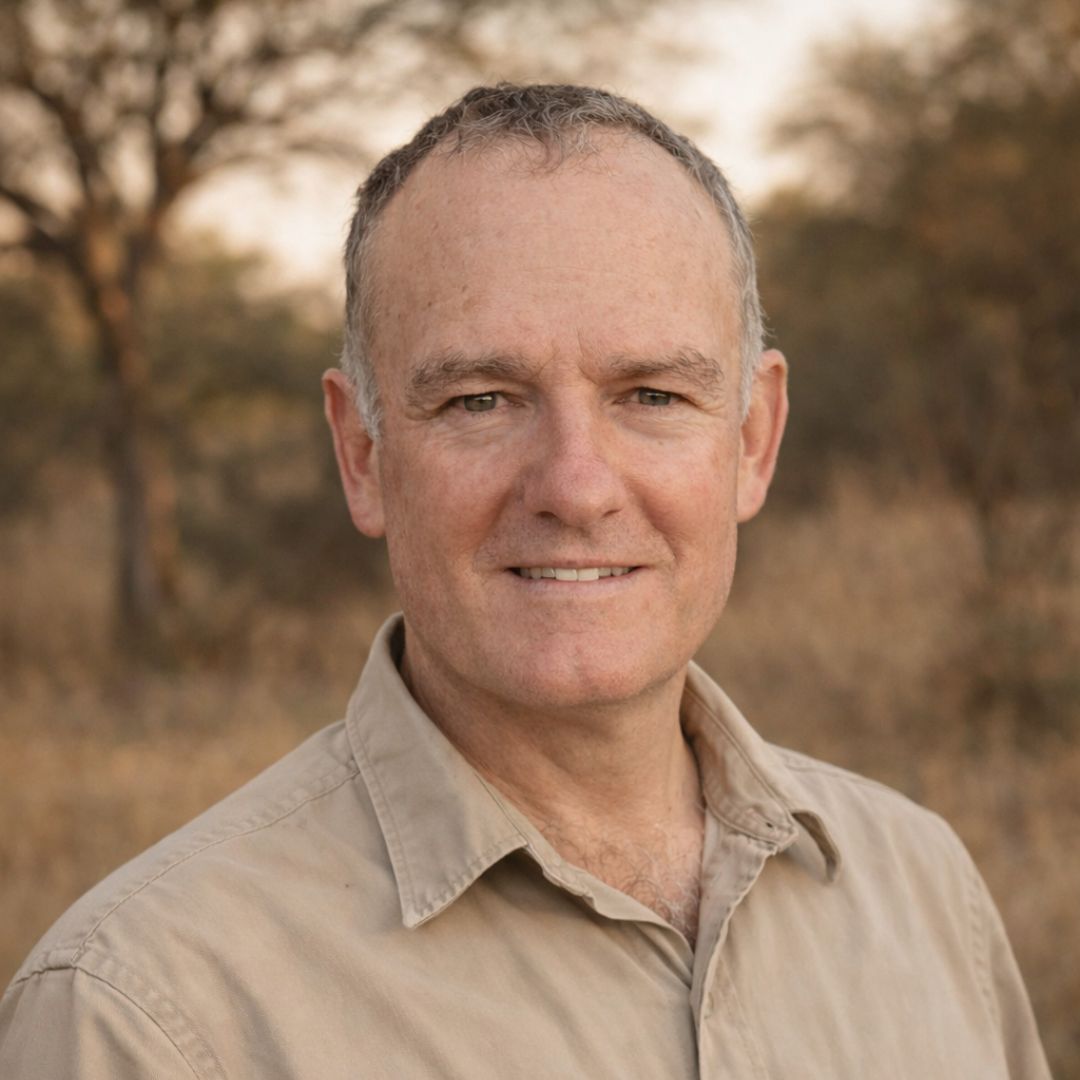
Sean Lues
Award Winning Safari Guide
Content by Award Winning Safari Guides
The content on African Signature Journeys is overseen by Sean Lues, an award-winning professional safari guide who was born and raised in Zimbabwe and has spent decades living, guiding, and managing safari operations across Africa.
Winner of the Zimbabwe Professional Guides Association Guide of the Year award, Sean is recognised for his deep knowledge of African wildlife, landscapes, and safari experiences. Now based in Australia, he combines firsthand African expertise with an understanding of what Australian travellers want from their safari adventure.
His experience helps ensure the information, recommendations, and insights shared by African Signature Journeys are practical, accurate, and based on real-world experience.