Packing for a walking safari is different from packing for a standard safari or an outdoor trip. The requirements are specifically shaped by the physical demands of the activity, the environmental conditions in Africa’s dry-season bush, and the practical reality of small camps with strict weight limits on light aircraft transfers.
This guide covers what you actually need, why each item matters, and what most people get wrong. It connects to the broader planning framework in our Complete Guide to Walking Safaris in Africa, and to the destination-specific seasonal information in Walking Safari Countries Compared — Hub 2.
The Single Most Important Item: Footwear
Start here, because this is where most people either prepare well or make a mistake they will feel for the entire trip.
What you need: A mid-weight, leather or leather-lined hiking boot with ankle support. It needs to be fully broken in before you travel.
Why ankle support: Walking safari terrain, particularly in Zambia, Zimbabwe, and Tanzania, involves uneven ground, dry river beds, rocky surfaces, and the occasional need to step quickly in a specific direction. Ankle support is not optional on this terrain.
Why leather: Leather manages thorns better than synthetic fabrics, provides more durability in dusty, dry conditions, and moulds to the foot over time. Many synthetic boots also retain heat differently, which matters in Africa’s dry-season temperatures.
Why broken in: New boots on a walking safari are a significant problem. Three to five hours of walking per day on uneven terrain in boots that have not been worn in will produce blisters that make the remaining days of the trip considerably less comfortable. Break your boots in properly several hours of wear on varied terrain before departure.
Sandals: Bring a pair of comfortable sandals for camp. Your feet will appreciate the break.
Clothing: Why Colour Matters More Than You Think
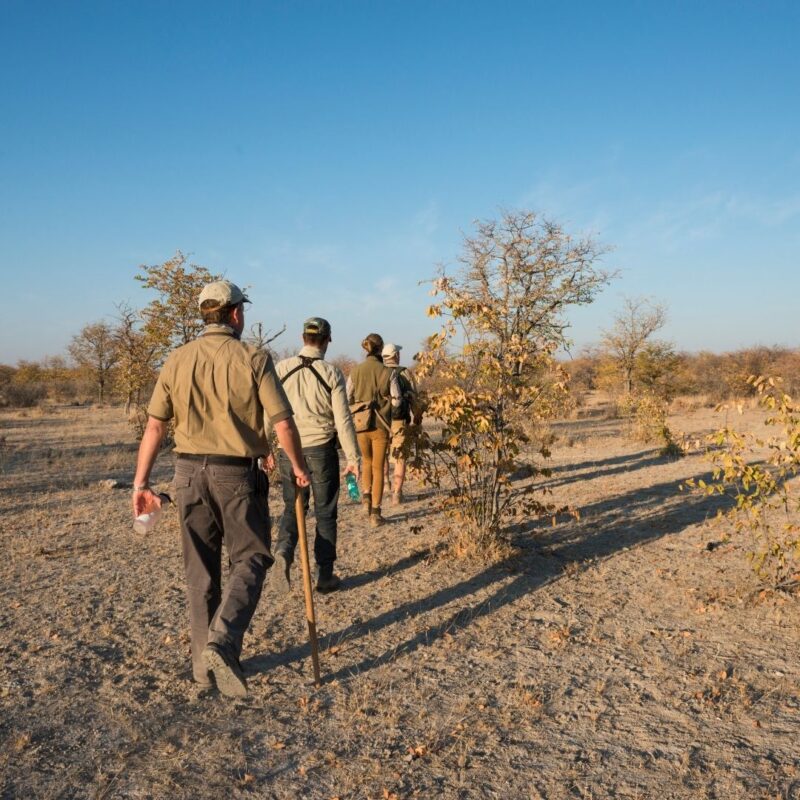
The colour of your clothing on a walking safari is not an aesthetic choice it has a functional basis.
What you need: Earth tones. Khaki, olive, stone, tan, light brown. Natural colours that do not contrast with the bush environment.
Why it matters: Animals in the African savanna, particularly plains game like impala, kudu, and zebra, perceive the spectrum of light differently from humans. Blue and white register as high-contrast, conspicuous signals. Bright colours create visual disturbance. Earth tones reduce your visual signature against the dry-season bush, which is itself various shades of ochre, brown, and dusty green.
This matters on a walking safari in a way it does not on a game drive. From a vehicle, your colour is irrelevant, the vehicle is the stimulus. On foot, you are the stimulus, and how you present matters.
Practical clothing list:
- 3–4 lightweight long-sleeved shirts (long sleeves protect from sun, thorn scrapes, and insects)
- 2–3 pairs of lightweight trousers or convertible pants (avoid jeans too heavy, poor temperature regulation)
- 1 warm fleece or lightweight down jacket for early morning departures (early mornings in the dry season can be cold, particularly in Zimbabwe and South Africa)
- 1 wide-brimmed hat this is essential, not optional
- Lightweight moisture-wicking underlayers
- Gaiters are useful in high grass. Ask your operator whether they are recommended for your specific destination
What not to bring: Camouflage clothing. In most African countries, camouflage is restricted to military use and wearing it as a civilian can cause problems at airports or checkpoints. Stick to plain earth tones.
Optics: Binoculars Are Not Optional
A good pair of binoculars changes the walking safari experience substantially, particularly for birding, which is at its best in the early morning hours when walks are conducted.
What you need: Something like 8×32 or 10×42 binoculars. Compact enough to carry without fatigue, powerful enough for bird identification at distance.
Why not bigger: Larger binoculars (12×50 or above) are excellent for vehicle-based game viewing where you are not carrying them. On foot, over several hours, the weight accumulates. The 8×32 format offers the best balance of portability and optical quality for walking conditions.
Roof prism vs porro prism: Roof prism binoculars are more compact and more durable in dusty, knocked-around conditions. They are the right choice for a walking safari.
Hydration: The Dehydration Risk Most People Underestimate
Africa’s dry-season heat is characterised by low humidity. This means that sweat evaporates almost immediately you do not feel as wet as you would in a humid environment, and the sensation of thirst may be delayed relative to actual fluid loss.
Dehydration in these conditions can occur faster than most guests expect, and its effects, such as fatigue, headache, and reduced concentration, degrade the experience of the walk before you realise the cause.
What you need:
- A 2-litre hydration bladder (carried in a day pack)
- Electrolyte tablets or sachets sodium replenishment prevents the performance degradation that comes from drinking water without replacing salts
Practical habit: Drink consistently throughout the walk, not just when thirsty. Your guide will set regular water breaks, and you should drink at each one even if you do not feel thirsty.
Sun Protection
Walking in Africa’s dry season, at the latitudes where most walking safaris operate, involves significant UV exposure, particularly when the sun angle is higher, and guests tend to relax their vigilance.
What you need:
- SPF 50+ sun protection, mineral-based formulation
- Wide-brimmed hat (already listed, worth repeating)
- UV-protective sunglasses with wraparound coverage
- Long-sleeved shirts (already listed, these protect more effectively than sunscreen alone)
Why mineral-based: Chemical sunscreen formulations contain compounds that can wash off into waterholes and pool edges, creating ecological impact in sensitive areas. Mineral-based (zinc oxide or titanium dioxide) formulations are ecologically neutral. Several walking safari operations specifically request this from guests.
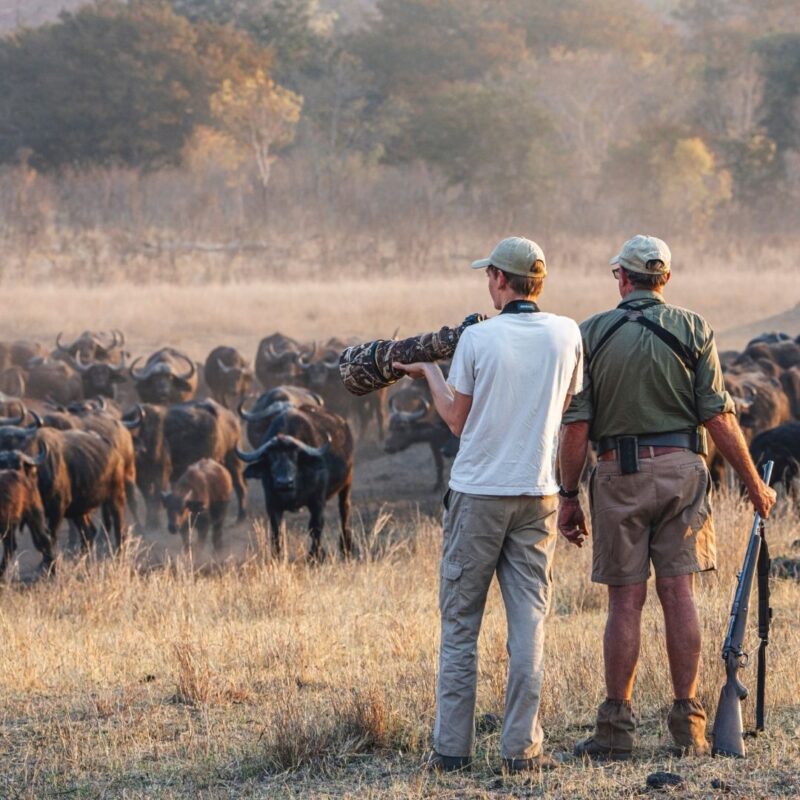
Photography on Foot: A Different Approach
The absence of a vehicle changes photography significantly. The beanbag stabiliser that vehicle-based safari photographers rely on is not available. A different approach is required.
Practical recommendations:
- A lightweight monopod provides stability for longer focal lengths without the weight and bulk of a tripod
- High shutter speeds 1/500 second or faster, for moving subjects in the morning light, are more important than they are in vehicle-based photography
- The morning golden hour (before 09:00) provides extraordinary light; prioritise photographic attention in this window
- A wide-angle lens (24–100mm equivalent is a favourite) is often more useful on a walking safari than a long telephoto. Encounters happen at closer range, and the environmental context, the landscape, the guide, and the quality of the light make for images that have a different character from telephoto wildlife portraits.
- Smaller, quieter cameras are better suited to the walking context than large DSLR setups. Mirrorless systems are ideal.
Weight: Every item you carry on a walk is carried for three to five hours. Camera equipment should be audited for weight before departure. Bring what you will actually use, not everything you might want.
What to Leave at Home
- Perfume and strong-scented products. Scent carries considerable distance in still bush air and communicates your presence to animals and your guide’s management decisions before the group arrives. Use unscented soap and deodorant.
- Bright or reflective jewellery and watches. Visual signals at close range matter on foot.
- Noisy synthetic fabrics. Some nylon fabrics produce a swishing sound with leg movement that carries in a quiet bush. Softer fabrics, cotton, linen blends, or brushed synthetic are preferable.
- Heavy luggage. Light aircraft transfers to many walking safari camps have strict weight limits, typically 15kg in a soft-sided bag. Check this before packing and pack to it.
What Your Camp Will Provide
Most professional walking safari camps provide: day pack, walking poles (on request), water on the trail, first aid, and an early morning hot drink before departure.
Confirm with your specific camp what is provided; this affects what you need to carry independently.
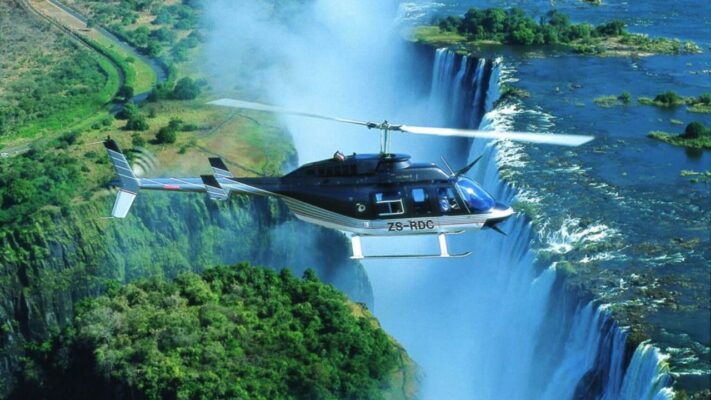
Signature Walking Safari Experiences
Hub Series Navigation
- Pillar: Walking Safaris in Africa — The Complete Guide
- Hub 1: Is a Walking Safari Right for You?
- Hub 2: Walking Safari Countries Compared
- Hub 3: Walking Safari Safety
- Hub 4: What to Pack for a Walking Safari (You are here)
- Hub 5: Walking Safari Camps — The Difference Between Good and Great

Sean Lues
Award Winning Safari Guide
Content by Award Winning Safari Guides
The content on African Signature Journeys is overseen by Sean Lues, an award-winning professional safari guide who was born and raised in Zimbabwe and has spent decades living, guiding, and managing safari operations across Africa.
Winner of the Zimbabwe Professional Guides Association Guide of the Year award, Sean is recognised for his deep knowledge of African wildlife, landscapes, and safari experiences. Now based in Australia, he combines firsthand African expertise with an understanding of what Australian travellers want from their safari adventure.
His experience helps ensure the information, recommendations, and insights shared by African Signature Journeys are practical, accurate, and based on real-world experience.
Do You Have a Question We Can Answer For You?
Connect with Sean