Choosing a walking safari destination is one of the most important decisions in planning an African trip, and it is genuinely difficult because the countries on offer are not interchangeable. Each has a distinct landscape, a specific wildlife profile, a guiding tradition, and a character on foot that differs meaningfully from the others.
This guide compares the main walking safari destinations directly, country by country, so that you can make an informed decision about where to go and why. It connects to our Complete Guide to Walking Safaris in Africa and builds on the overview provided there.
Zambia: The Original Walking Safari Destination
The experience: Traditional, immersive, high predator density, small bush camps
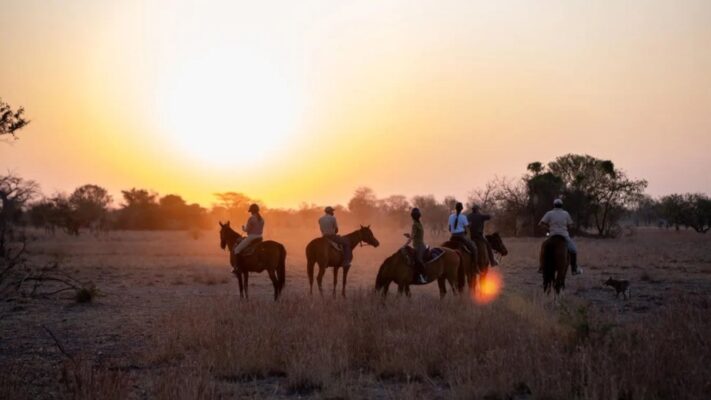
Zambia holds a specific place in walking safari history. Norman Carr pioneered the commercial walking safari in the South Luangwa Valley in the 1950s, and the approach he developed, small groups, foot-based exploration, minimal camp infrastructure, a philosophy of observation over intervention, remains the template that most other walking safari operations have followed.
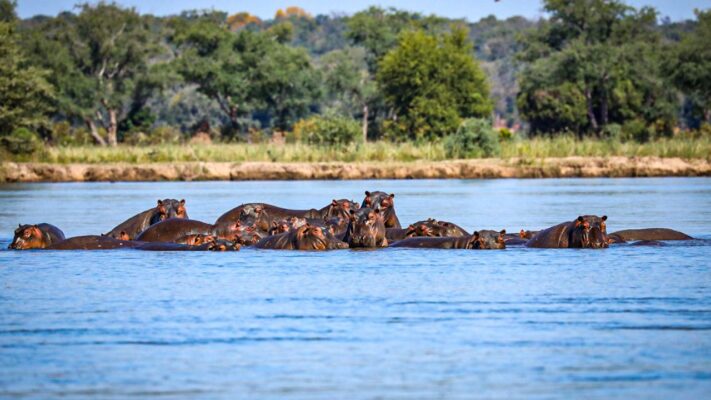
The South Luangwa Valley today has one of the highest leopard densities in Africa. Lion prides work the riverine corridors. Buffalo herds move in substantial numbers through the floodplains. The combination of wildlife density and a guiding culture that has been refining the walking experience for seven decades makes Zambia the most compelling single destination for anyone whose primary interest is the walking safari itself.
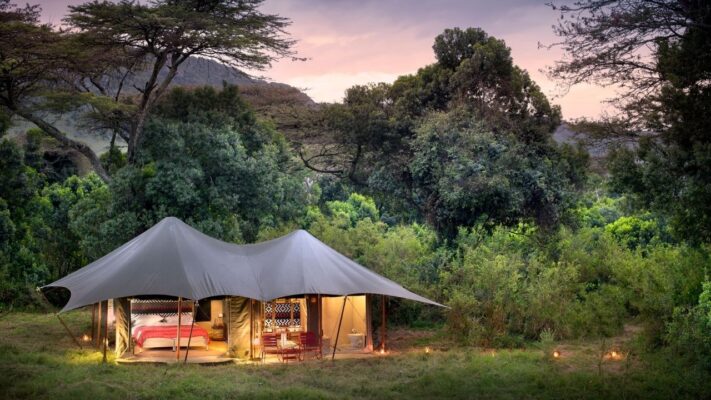
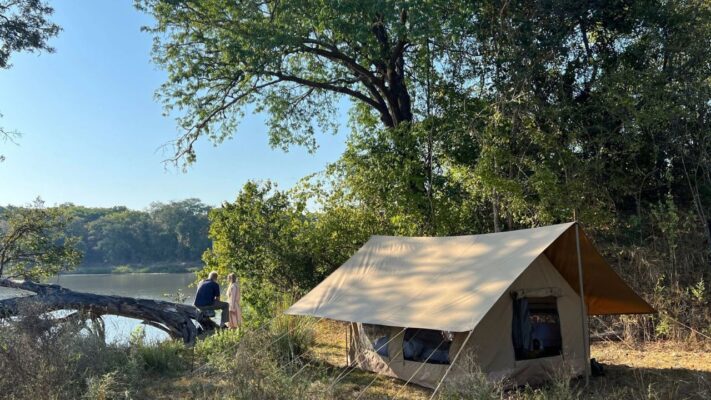
Bush camps in the Luangwa are deliberately small, with a maximum of four to eight guests. Many are seasonal structures, dismantled at the end of the walking season and removed from the landscape entirely. This low-footprint approach is not a marketing choice; it is a conservation philosophy embedded in how Zambian walking operations are structured.
Zambia suits you if: You want the most immersive, traditional walking safari experience. You are interested in leopard as a primary wildlife focus. You want small camps, unhurried pace, and a guiding culture with deep roots.
Best season: June to October
Zambia Walking Safari Experiences
Zimbabwe: The Highest Guiding Standard in the World
The experience: Technical mastery, elephant encounters, dramatic landscape, serious guiding
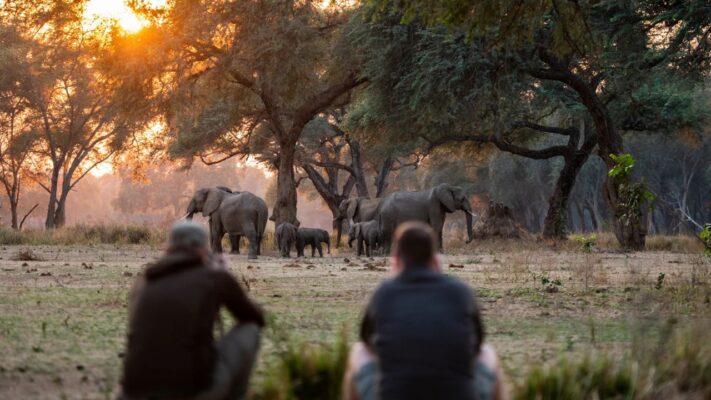
Zimbabwe produces the world’s most technically accomplished walking guides. The Professional Guide qualification assessed on foot in the presence of dangerous game is considered the most demanding guide examination anywhere. The guides who hold it have earned it through years of field experience and a training process with no shortcuts.
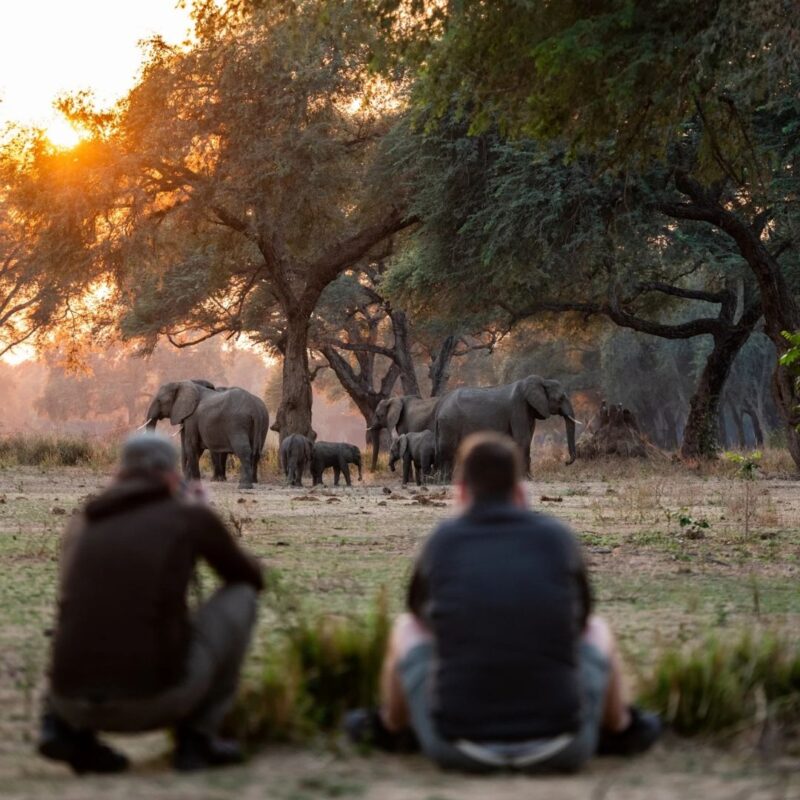
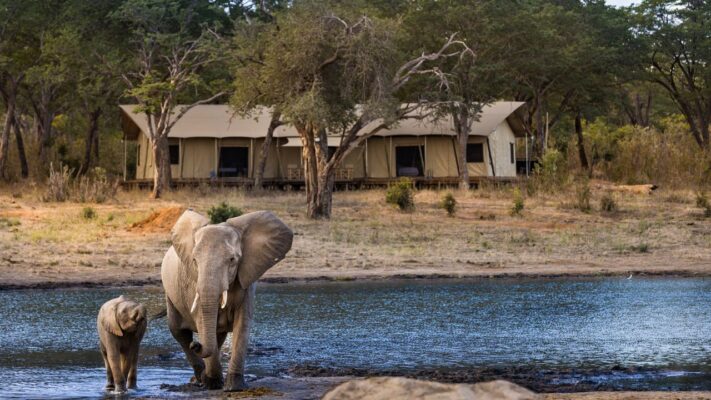
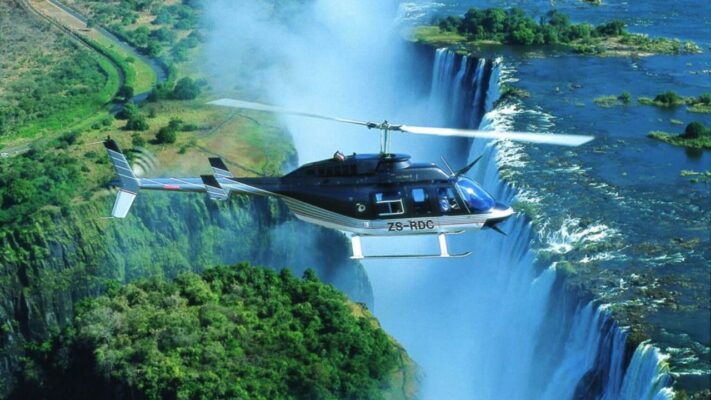
The primary walking destination in Zimbabwe is Mana Pools National Park, a UNESCO World Heritage Site in the Zambezi Valley. The landscape is defined by large stands of Acacia albida trees that fruit counter-seasonally and draw elephant, buffalo, and impala in concentrated numbers during the dry months. Walking among free-ranging elephants at Mana Pools managed entirely by a guide’s judgment and positioning is a specific experience available nowhere else in Africa at this standard.
For travellers who have done vehicle safaris, perhaps multiple times, and want to understand what guiding at the highest possible level actually looks like, Zimbabwe is the answer.
Zimbabwe suits you if: You want the most technically accomplished guiding available. You have some prior safari experience and are ready for a more demanding encounter. Elephant is a priority species for you.
Best season: August to October (September and October are peak for wildlife concentration)
Zimbabwe Walking Safari Experiences
South Africa: Walking with the Big Five on Private Reserve Land
The experience: Big Five access, flexible infrastructure, high guiding standard, diverse terrain
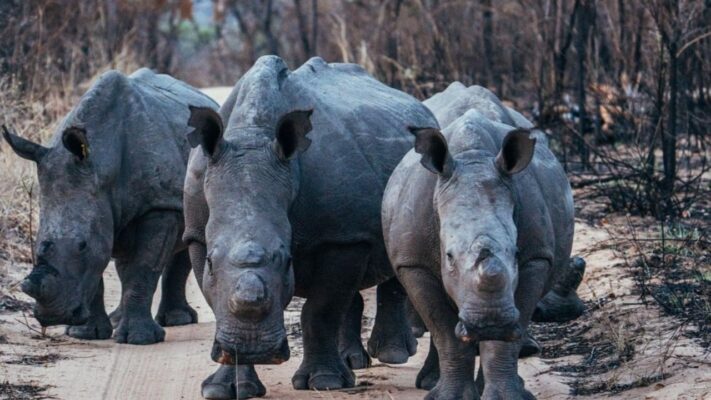
South Africa’s walking safari experience is concentrated in the private concession areas adjacent to the greater Kruger National Park, vast, unfenced reserves covering diverse bushveld terrain, where off-trail walking gives access to lion, elephant, leopard, rhino, and buffalo.
The FGASA qualification framework produces consistently high guiding standards, and the density of professional guides in South Africa means that the quality across reputable operations is reliably good. The diversity of terrain within the greater Kruger ecosystem — riverine forest, open grassland, rocky koppies, dense thicket means that no two walks cover the same ecological ground.
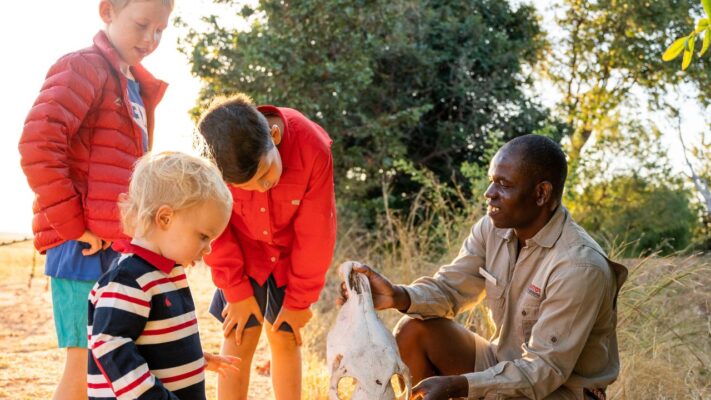
South Africa offers the most infrastructure flexibility of any Southern African walking destination. For families, multi-generational groups, or travellers who want the option of combining walking mornings with vehicle game drives, South Africa’s private reserves provide options that Zambia and Zimbabwe’s more specialist walking camps do not.
South Africa suits you if: You are a first-time walking safari guest wanting a supported introduction to the experience. You are travelling with family or a mixed group with varying preferences or if you want Big Five access in a walking format. You want the option of combining walking with vehicle game drives.
Best season: May to September
South Africa Walking Safari Experiences

Botswana: A Walking Safari Unlike Any Other
The experience: Hybrid landscape, Okavango Delta islands, black-maned lions, genuine remoteness
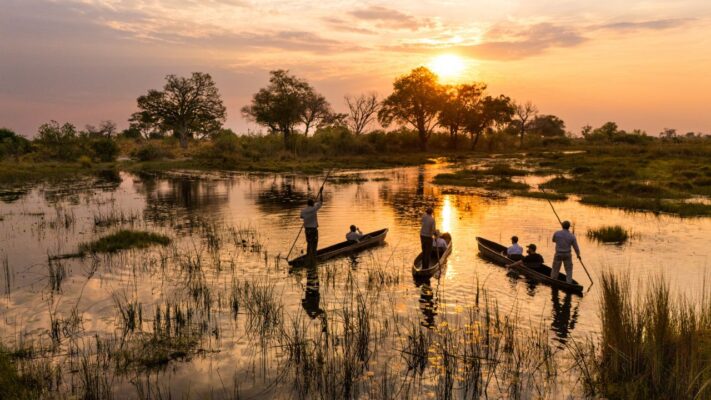
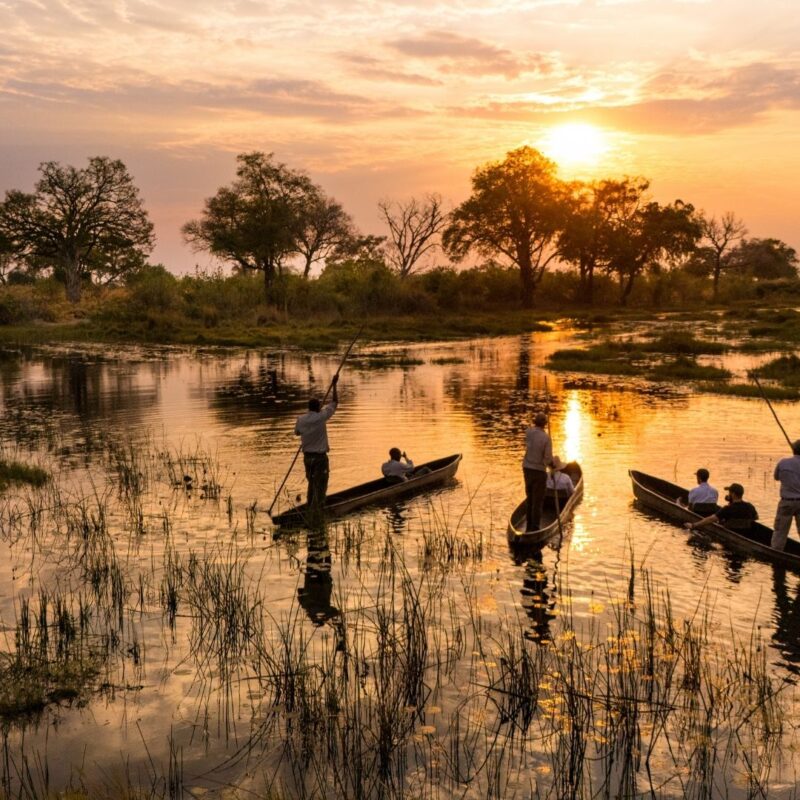
Botswana’s walking safari is in a category of its own because the terrain is in a category of its own. The Okavango Delta is an inland river system that floods seasonally, produces a landscape where game paths cross islands accessible only on foot, water channels are navigated by mokoro (dugout canoe), and the geography changes with the flood cycle.
The wildlife profile includes the famous black-maned Kalahari lions, large elephant herds, and the specific species supported by a permanent freshwater system in an arid region. Walking these islands, following game trails between palm groves and floodplain grass, produces encounters with a physical setting that no other destination can replicate.
Botswana’s strict conservation policy and low-volume, high-value tourism keep visitor numbers well below the ecological threshold in all walking areas. The remote camps operating in these zones are among the most genuinely isolated in Africa.
Botswana suits you if: You want a walking experience that is physically unlike any other destination. You are drawn to the Okavango Delta’s unique landscape. Remoteness and low visitor density are important to you.
Best season: May to October
Kenya: Walking with Indigenous Guides in Community Conservancies
The experience: Maasai guiding knowledge, community conservancy model, Great Migration context
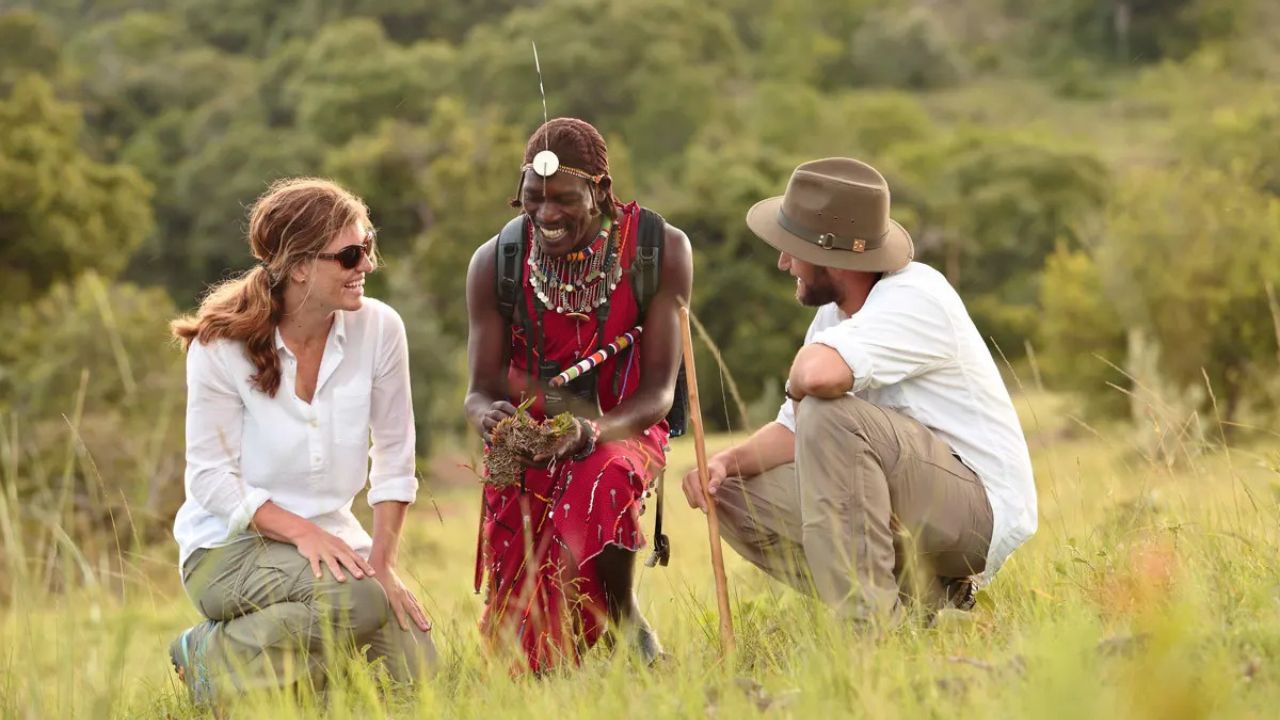
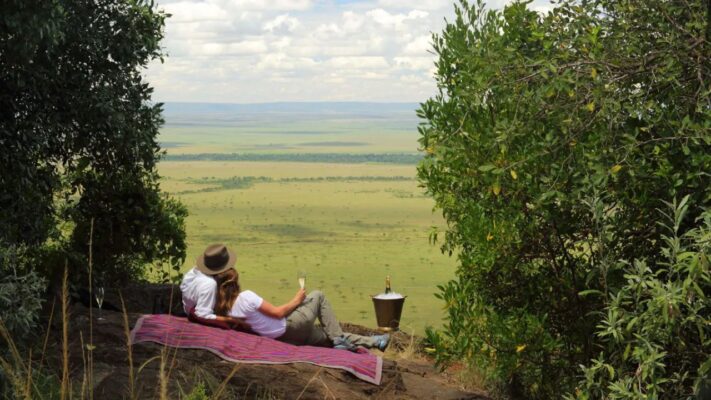
Kenya’s walking safari landscape has been transformed by the growth of community-owned conservancies, particularly in Laikipia and the greater Maasai Mara ecosystem. In these areas, Maasai and Samburu guides provide a form of ecological knowledge that formal certification cannot replicate: ancestral understanding of landscape, animal behaviour, and environmental indicators accumulated over generations.
The community conservancy model also provides one of the most transparent examples of tourism revenue directly supporting both conservation and local communities. Landowners in these areas are paid directly to keep their land in wildlife habitat rather than converting it to agriculture a structure with documented conservation outcomes in terms of habitat preservation and wildlife population recovery.
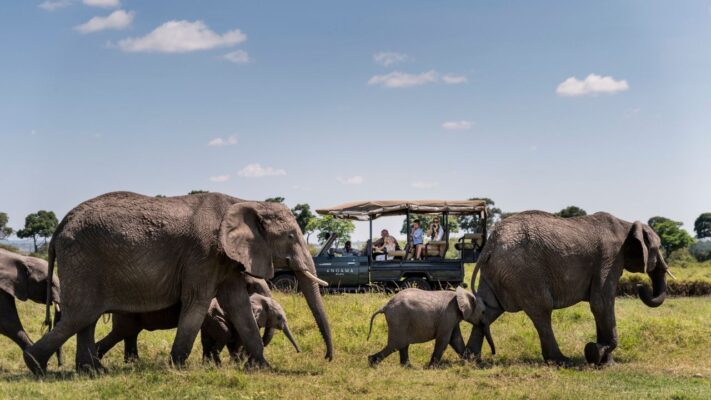
Kenya also provides the most direct walking access to the Great Migration, with conservancy properties adjacent to the Maasai Mara’s migration routes.
Kenya suits you if: You are drawn to indigenous guiding knowledge and the cultural dimension of the walking experience. Community conservation outcomes matter to you. You want walking access in the Mara ecosystem.
Best season: July to October for the Migration; January to February also excellent
Kenya Walking Safari Experiences
Tanzania: Wilderness Trekking at Genuine Scale
The experience: Remote multi-day treks, massive protected areas, low visitor density
Tanzania offers the most remote walking terrain in Africa. Ruaha National Park and Nyerere National Park together cover territory so vast that visitor density in many zones is measured in single digits per day. Multi-day wilderness treks camping overnight in unfenced terrain, walking from one camp to the next, represent the most demanding and most complete form of the walking safari available.
The wildlife in Ruaha and Nyerere includes large buffalo herds, significant lion populations, elephant, and wild dog. The terrain is rugged. The camps are genuinely remote. This is walking country for travellers who want the landscape itself to be part of the challenge.
Tanzania suits you if: You want multi-day wilderness trekking rather than a single-base walking programme. Maximum remoteness and scale are your priorities. You have prior safari or walking experience and want to go deeper.
Best season: June to October
Tanzania Walking Safari Experiences
Uganda: Gorilla Trekking — A Different Category of Walking
The experience: Mountain gorilla encounters, forested terrain, high physical challenge
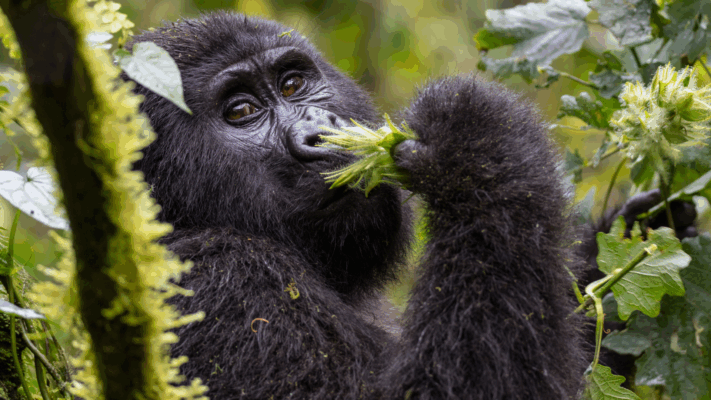
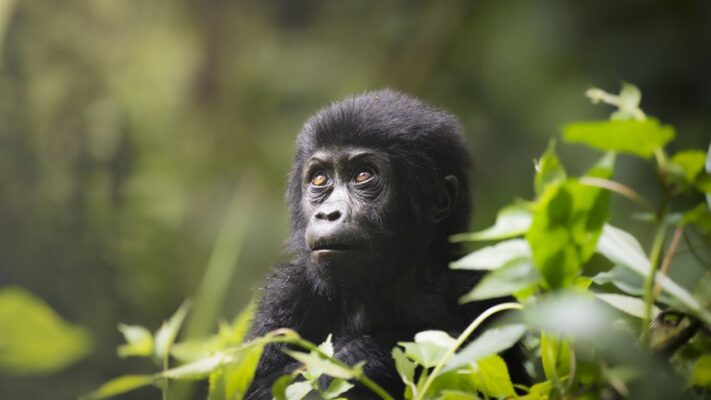
Uganda’s walking offer is centred on gorilla trekking in Bwindi Impenetrable Forest, a fundamentally different activity from savanna walking safaris, but a walking experience nonetheless.
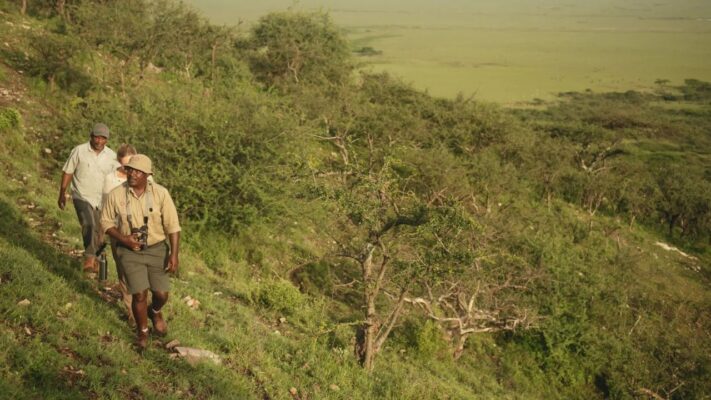
The terrain is steep, dense forest at altitudes up to 2,500 metres. Treks to locate habituated gorilla groups can take anywhere from one hour to a full day. The encounter itself, governed by strict protocols covering group size (eight guests maximum), approach distance, and a one-hour time limit, is among the most emotionally significant wildlife experiences available anywhere.
Gorilla trekking works particularly well as part of a broader East Africa itinerary combining Uganda with Kenya or Tanzania.
Uganda suits you if: Mountain gorilla trekking is a specific goal. You are combining with an East Africa walking itinerary. You are prepared for the physical demands of high-altitude forested terrain.
Best season: June to September; December to February
Uganda Walking Safari Experiences
How to Choose
If you are planning your first walking safari and want the most immersive traditional experience — Zambia.
Zimbabwe – If you want to understand what guiding at its highest level looks like.
South Africa – If you are travelling with family or want flexibility.
Botswana – If the landscape itself is as important as the wildlife.
Kenya – If the cultural and community dimension matters to you.
Tanzania – If you want multi-day wilderness trekking at scale.
Uganda – If gorilla trekking is on the list, Uganda, combined with one of the above.
Most guests who travel with African Signature Journeys combine two or three countries on a single trip a structure that allows meaningful time in each destination rather than a surface pass through many. The planning team can advise on which combinations work logistically and experientially for your specific travel dates and interests.
Africa Is Rich With Choice
We Are Here To Help
Connect with an Africa Specialist to design a bespoke African Experience!
Hub Series Navigation
- Pillar: Walking Safaris in Africa — The Complete Guide
- Hub 1: Is a Walking Safari Right for You?
- Hub 2: Walking Safari Countries Compared (You are here)
- Hub 3: Walking Safari Safety — What Professional Guides Actually Do
- Hub 4: What to Pack for a Walking Safari
- Hub 5: Walking Safari Camps — The Difference Between Good and Great
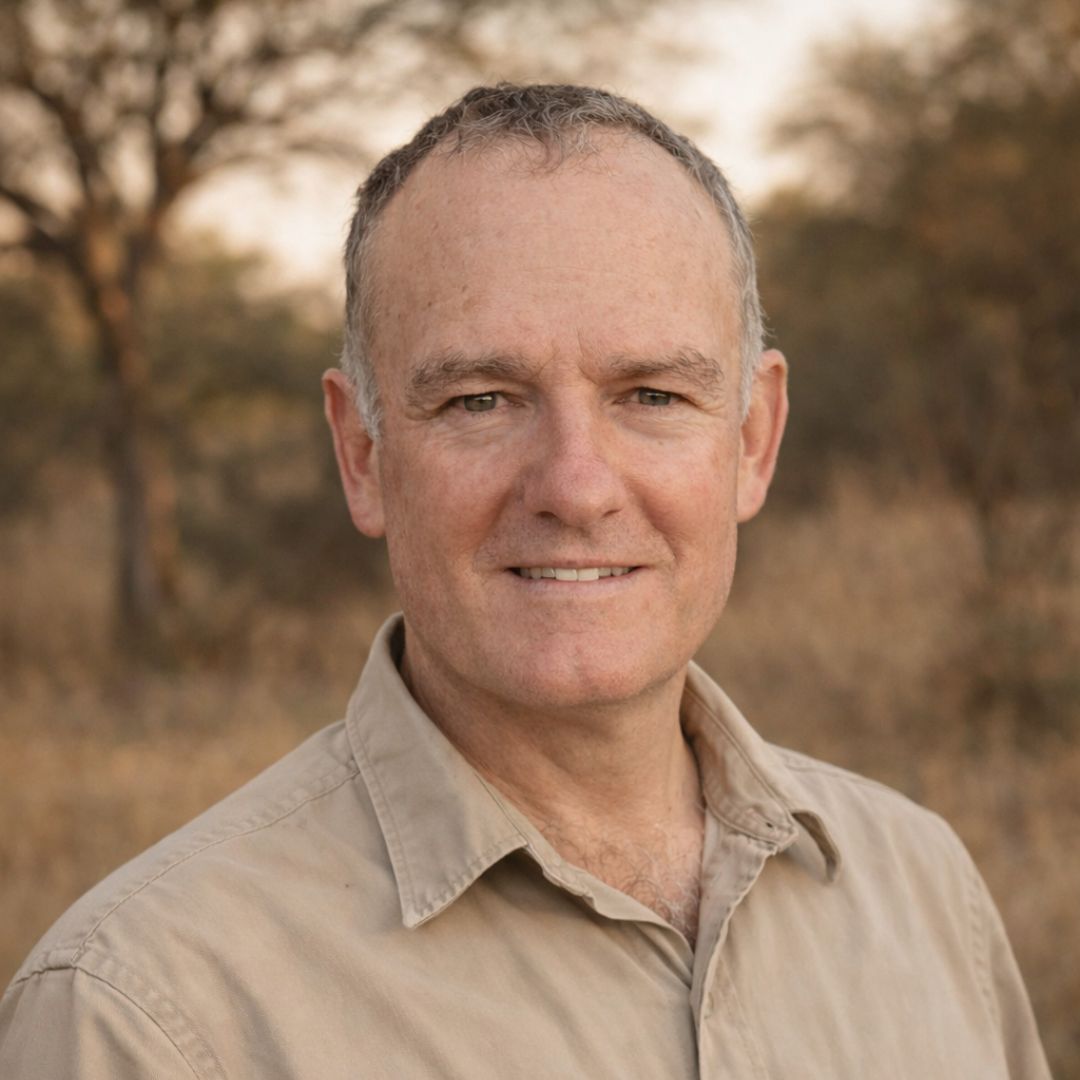
Sean Lues
Award Winning Safari Guide
Content by Award Winning Safari Guides
The content on African Signature Journeys is overseen by Sean Lues, an award-winning professional safari guide who was born and raised in Zimbabwe and has spent decades living, guiding, and managing safari operations across Africa.
Winner of the Zimbabwe Professional Guides Association Guide of the Year award, Sean is recognised for his deep knowledge of African wildlife, landscapes, and safari experiences. Now based in Australia, he combines firsthand African expertise with an understanding of what Australian travellers want from their safari adventure.
His experience helps ensure the information, recommendations, and insights shared by African Signature Journeys are practical, accurate, and based on real-world experience.
Do You Have a Question We Can Answer For You?
Connect with Sean