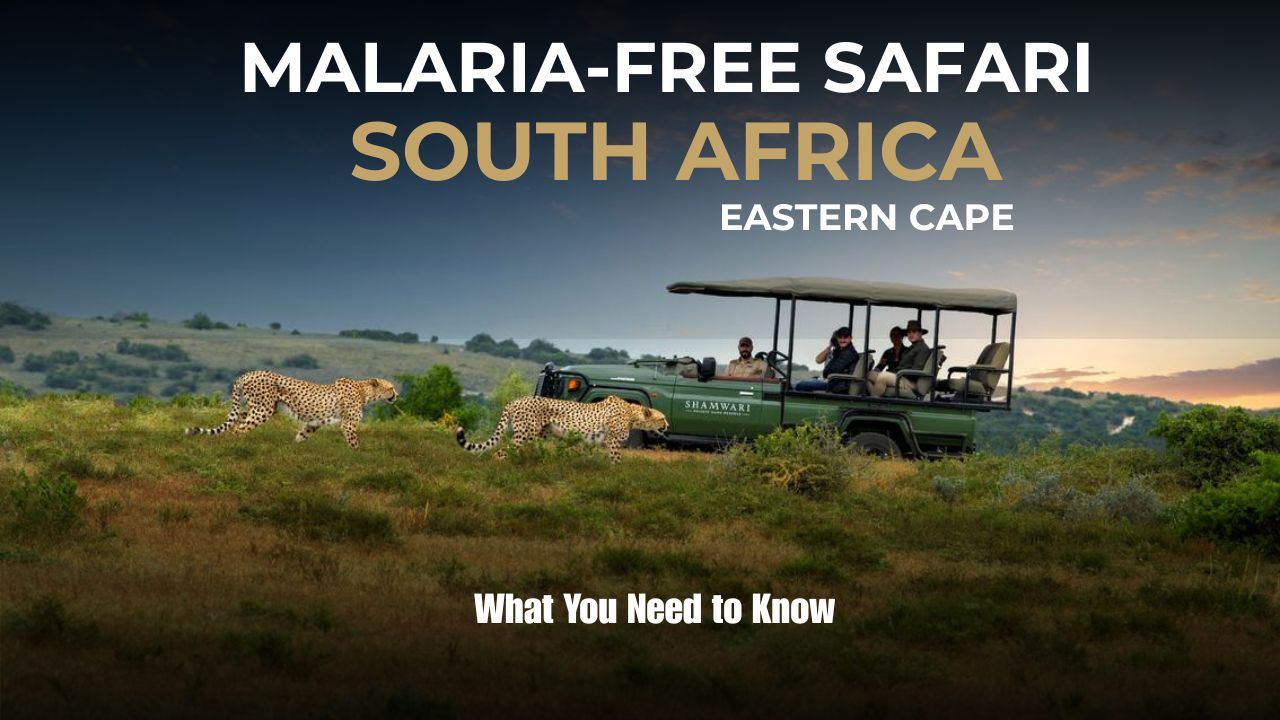
The Eastern Cape: South Africa’s Most Accessible Malaria-Free Safari Country
Our complete guide to malaria-free safaris in South Africa covers four regions where you can track the Big Five without antimalarial medication. The Eastern Cape is the one that fits most naturally into how Australians actually travel to South Africa.
Most Australian visitors land in Johannesburg, then head to Cape Town and the Garden Route. The Eastern Cape reserves sit at the eastern end of that coastal road. A short domestic flight into Port Elizabeth (Gqeberha) slots them into any itinerary without a detour. Three nights in the bush before or after the coast, and the trip becomes something genuinely complete.
That geographic logic is part of the appeal. The reserves are the rest of it.
How This Safari Country Was Made
The Eastern Cape was sheep and cattle farming country for over a century. Conservation initiatives began reclaiming this land in the late 1990s. Farmers removed fencing, restored indigenous vegetation, and reintroduced wildlife absent for generations. The result is a cluster of reserves that now hold the Big Five in country that once grazed merino wool.
This history shapes what the Eastern Cape delivers and how it differs from the Kruger ecosystem. These reserves are smaller and more contained. Animal densities can be lower than in a place like Sabi Sands. In return, you get exclusivity, strong guiding, no malaria risk, and an intimacy that larger reserves rarely achieve. Every visit contributes directly to an active conservation project, a dimension many Australian travellers find meaningful.
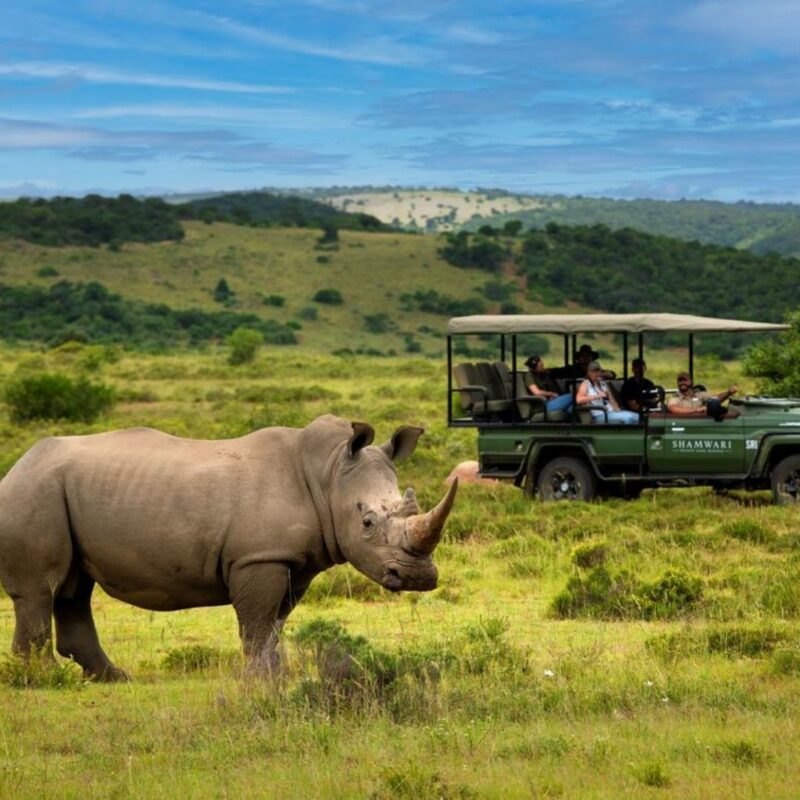
Shamwari Private Game Reserve
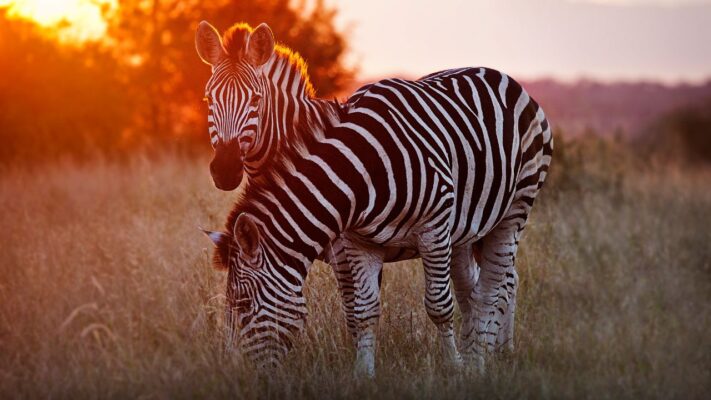
Shamwari is the longest-running private reserve in the Eastern Cape. It covers 25,000 hectares and carries the full Big Five lion, leopard, elephant, rhino, and buffalo, alongside wild dog, cheetah, hippo, giraffe, and zebra.
Six five-star lodges operate within the reserve. Long Lee Manor, an Edwardian manor house overlooking open plains, is one of the more distinctive lodge settings in South Africa. Riverdene Family Lodge caters specifically to families with young children. The Born Free Big Cat Sanctuary and the Wildlife Rehabilitation Centre both operate within Shamwari and are open to guests. For travellers with a genuine interest in wildlife welfare, the engagement here goes deeper than anywhere else in the Eastern Cape.
Shamwari sits 75 kilometres from Gqeberha, roughly an hour by road.
Kwandwe Private Game Reserve
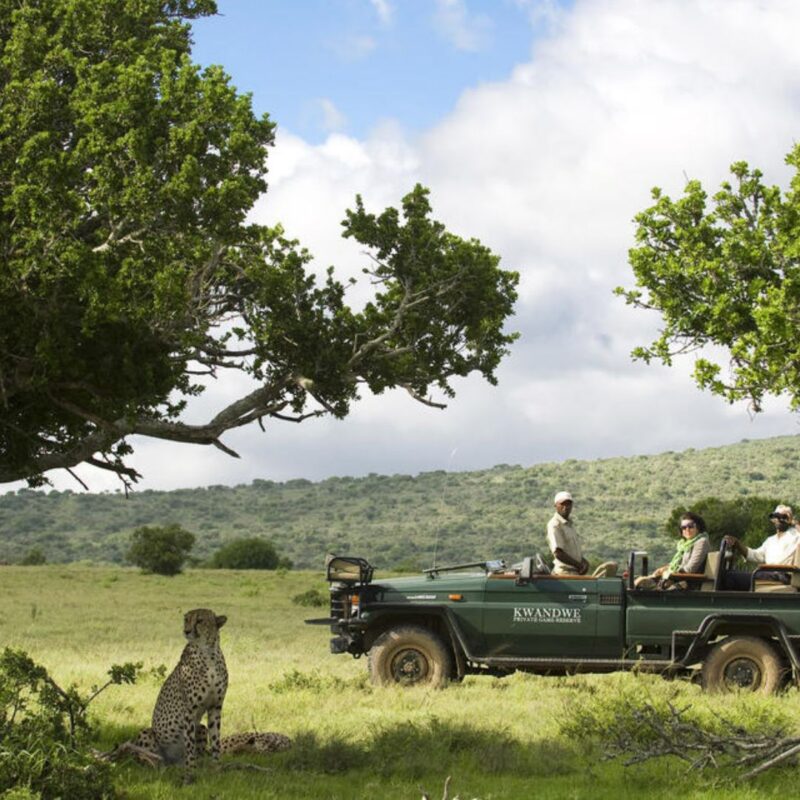
Kwandwe is quieter and less internationally known than Shamwari. Many experienced safari travellers consider it the stronger choice. It covers 22,000 hectares along the Great Fish River, moving through open grassland, dense thicket, and riverine forest. That ecological variety sustains different animal populations in different pockets of the reserve.
Five properties operate across the entire reserve, totalling 26 beds. The guest-to-wilderness ratio is exceptional even by private safari standards. Game drives carry a quality of solitude most reserves cannot match. Three of those five properties, Uplands Homestead, Fort House, and Melton Manor, are exclusive-use. Groups book the entire property. These work particularly well for families, multi-generational travel, and anyone who wants the reserve to themselves.
Cheetah viewing at Kwandwe ranks among the best in the Eastern Cape. The reserve also carries a significant population of blue crane, South Africa’s national bird and increasingly rare across its range. Guided walks along the Great Fish River are a highlight the game drives cannot replicate.
Kwandwe sits 160 kilometres from Gqeberha. The two-hour road transfer is worth it.
Kariega Game Reserve
Kariega is family-owned, which gives it a character the larger corporate reserves don’t carry. It covers more than 10,000 hectares across five ecosystems: valley bushveld, coastal forest, semi-arid karoo scrub, grassland, and the Kariega River system. The Big Five are all present. The topography brings you close to animals in ways that open savanna rarely does.
Kariega has built a particular reputation for rhino conservation. The reserve runs an active anti-poaching programme and has become a reference point for rhino protection in the Eastern Cape. Guiding reflects the family-ownership ethos, personal, consistent, and genuinely invested in the place.
The reserve is 80 minutes from Gqeberha.
Amakhala Game Reserve
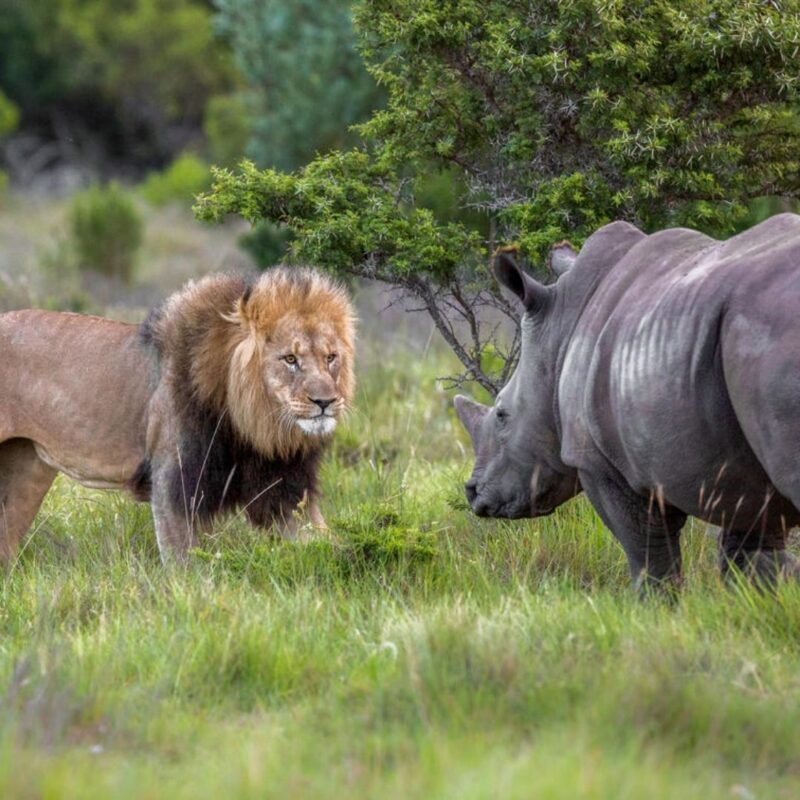
Amakhala was created in 1999 when a group of farming families decided collectively to return their land to wildlife. The reserve covers more than 7,000 hectares and now runs eleven properties, restored country houses, classic tented camps, and family lodges across a range of price points. That variety gives Amakhala more flexibility than any other reserve in the region.
The Big Five are present. Predator densities are more moderate than in larger reserves. Amakhala suits first-time safari travellers and families who want to calibrate the experience across different styles and budgets.
Addo Elephant National Park
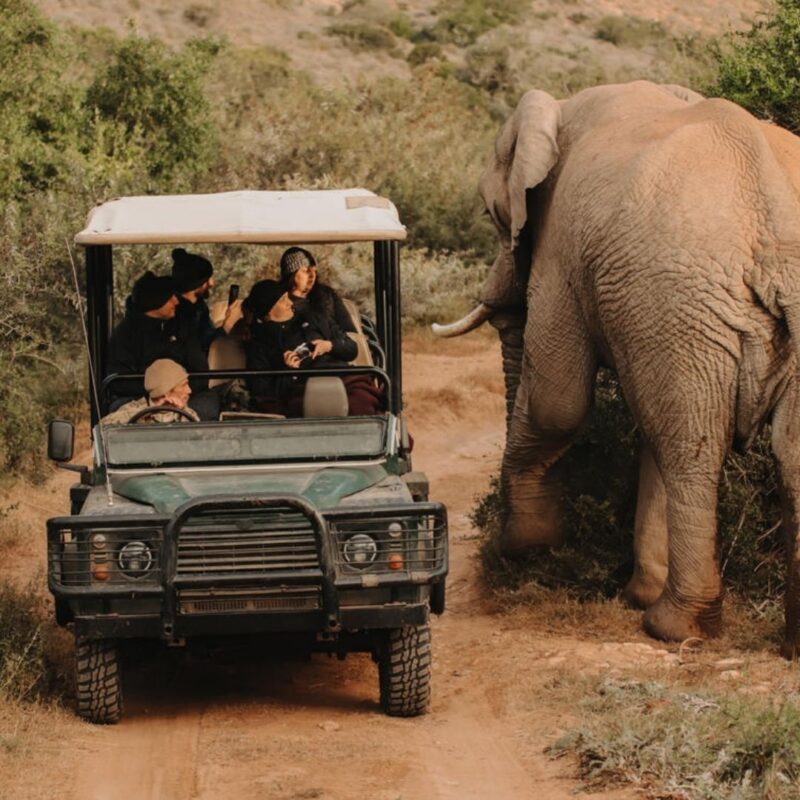
No Eastern Cape safari guide is complete without Addo. South Africa’s third-largest national park covers more than 180,000 hectares across several ecosystem zones, from interior bushveld to coastal marine habitat. It carries elephant, lion, leopard, buffalo, and both black and white rhino. The coastal section adds southern right whales and great white sharks, giving the park what some describe as a Big Seven.
Addo operates as a national park with public entry, self-drive options, and SANParks accommodation. The private concession, Gorah Elephant Camp, offers a full lodge experience within the park. For travellers who want a malaria-free Big Five safari without private reserve pricing, Addo is the most practical alternative.
How the Eastern Cape Fits an Australian Itinerary
The most natural structure starts in Cape Town, follows the Garden Route east through the Winelands, Hermanus, Knysna, and Plettenberg Bay, then connects by domestic flight from George or Knysna into Gqeberha. Three to four nights at a reserve follows before the flight home. That two-week shape covers South Africa’s two most celebrated experiences without doubling back or losing travel days.
A third week opens further options, a short stay at Victoria Falls, a visit to the Cradle of Humankind near Johannesburg, or a night in the winelands on the return leg.
See our series on Australia to Africa Safari Flights
What to Expect on the Ground
The Eastern Cape is warm year-round. Summer (October to April) brings green landscapes, newborn animals, and migrant birdlife. Winter (May to September) delivers cooler, drier conditions and better game visibility as vegetation thins.
Flights from Johannesburg to Gqeberha operate several times daily and take around two hours. From Cape Town the flight runs about one hour 45 minutes. Most reserves arrange airport transfers directly.
Guiding quality across the Eastern Cape is consistently strong. Guides work within contained reserves with known animal populations and known territory. That familiarity produces a quality of interpretation that open-system parks rarely match.
If you would like to talk through which Eastern Cape reserve suits your itinerary, your travel style, and your group, we are happy to work through the details. Reach us at africansignature.com.
Series Navigation
• Malaria-Free Safaris in South Africa: Complete Guide
▶ Malaria-Free Safari: Eastern Cape, South Africa (You are here)
• Malaria-Free Safari: Madikwe Game Reserve
• Malaria-Free Safari: Waterberg, South Africa
• Malaria-Free Safari: Tswalu Kalahari
Sean Lues
Award Winning Safari Guide
Content by Award Winning Safari Guides
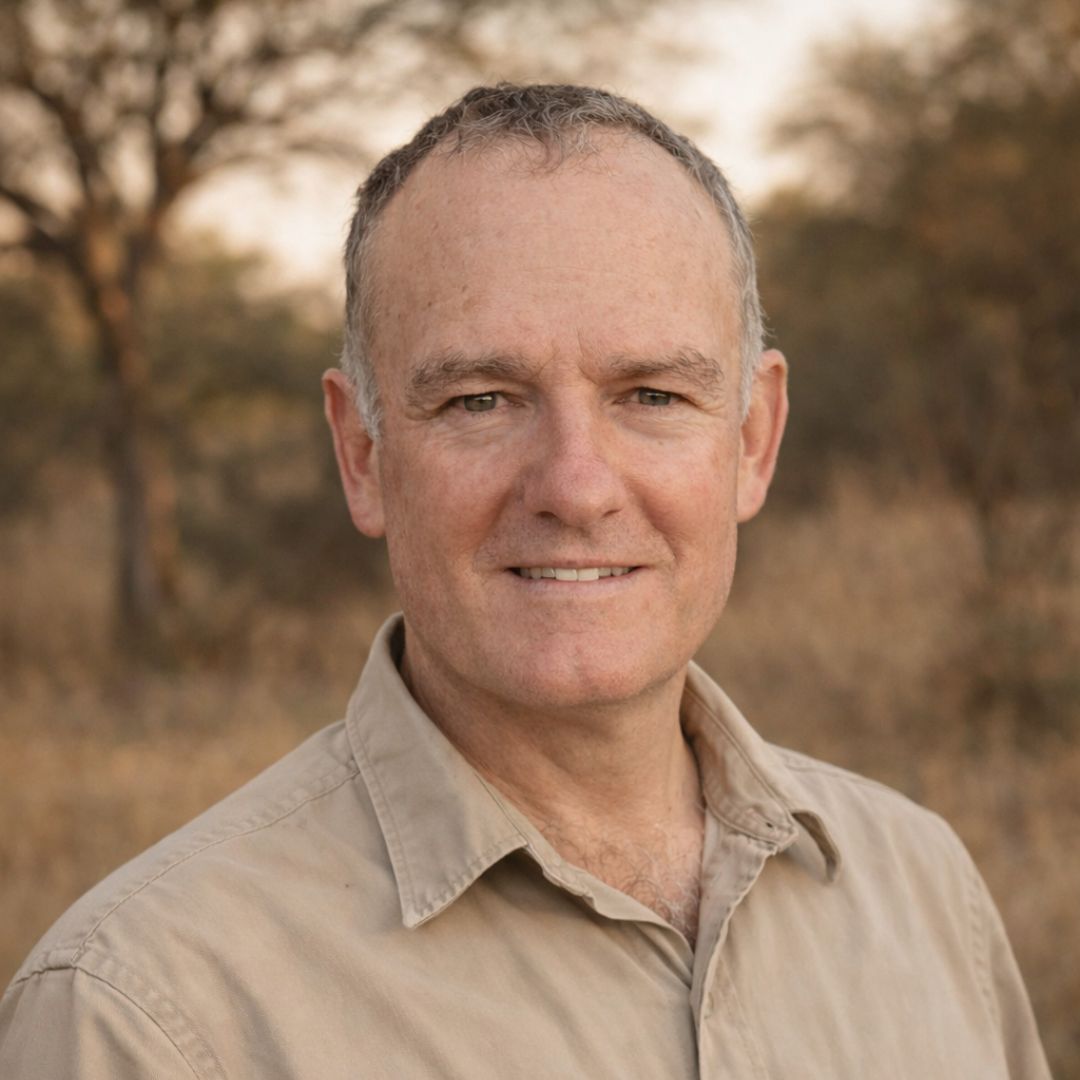
The content on African Signature Journeys is overseen by Sean Lues, an award-winning professional safari guide who was born and raised in Zimbabwe and has spent decades living, guiding, and managing safari operations across Africa.
Winner of the Zimbabwe Professional Guides Association Guide of the Year award, Sean is recognised for his deep knowledge of African wildlife, landscapes, and safari experiences. Now based in Australia, he combines firsthand African expertise with an understanding of what Australian travellers want from their safari adventure.
His experience helps ensure the information, recommendations, and insights shared by African Signature Journeys are practical, accurate, and based on real-world experience.
Do You Have a Question We Can Answer For You?
Connect with Sean