Tswalu Kalahari: South Africa’s Most Exclusive Malaria-Free Safari
Our complete guide to malaria-free safaris in South Africa identifies four regions where you can experience remarkable wildlife without antimalarial medication. Tswalu Kalahari occupies a category of its own. It is not simply a different destination. It is a different kind of safari entirely.
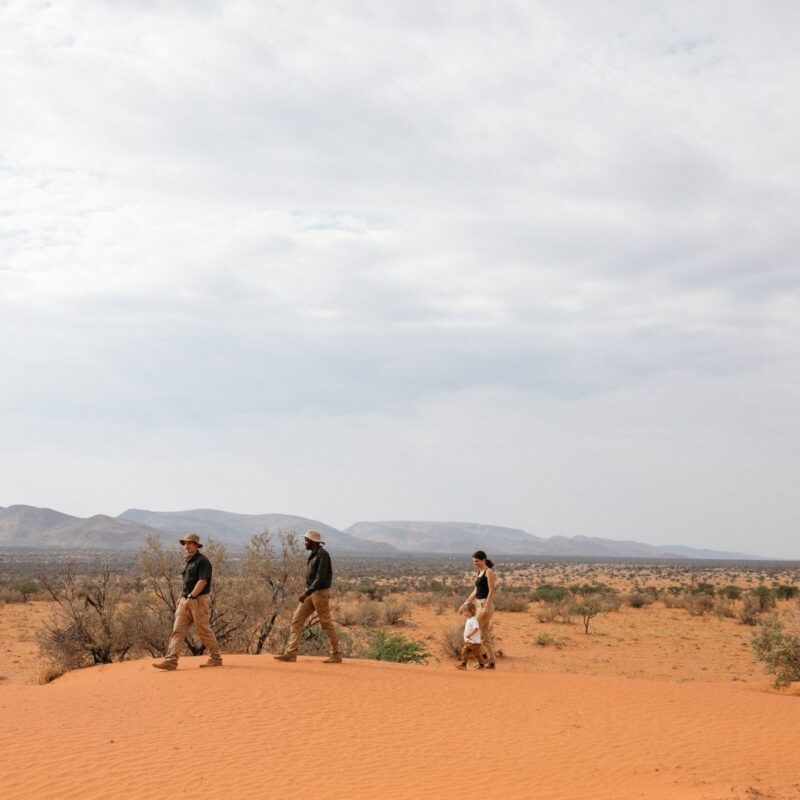
Tswalu is South Africa’s largest private reserve, covering more than 100,000 hectares of southern Kalahari. The ownership limits guests to 40 at any one time across the entire property. The landscape is desert — open red dunes, ancient fossil riverbeds, camelthorn woodland, and mountain ranges rising from the plains. The wildlife is unlike anything found in the country’s other malaria-free regions. Travellers come here for species they will not find at Madikwe, the Eastern Cape, or the Waterberg.
The Landscape
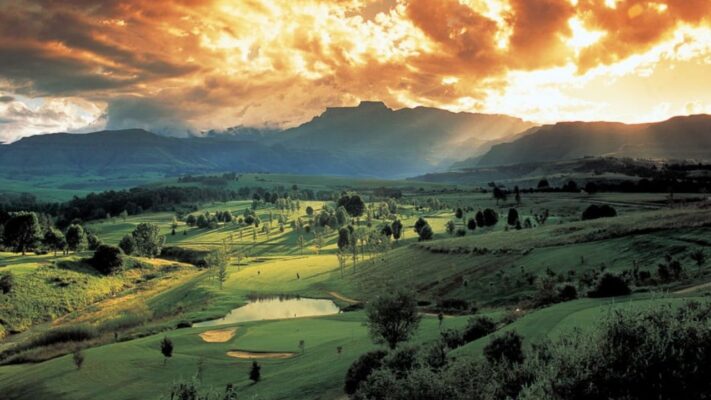
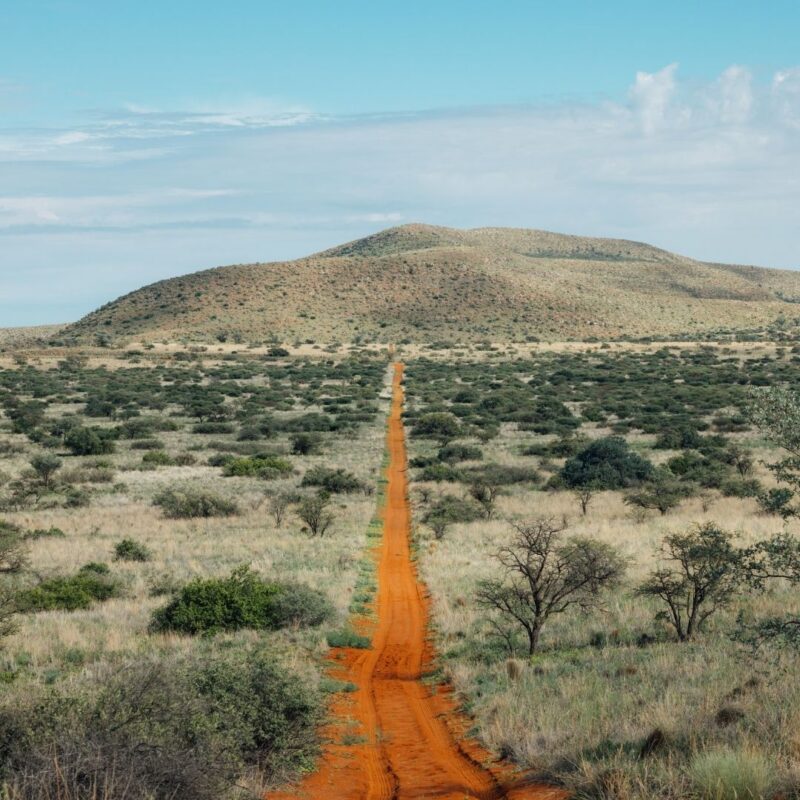
The southern Kalahari looks nothing like conventional South African safari country. Dunes shift slowly across the terrain. Dry riverbeds wind between camelthorn trees. The Korannaberg mountains rise sharply from the plains in the south. At sunset the light turns everything red and gold, and the silence is total.
This is arid country. Annual rainfall is low and unpredictable. The vegetation adapted to survive it — sparse, ancient-looking, and extraordinarily alive once you learn to read it. The absence of dense bush means visibility is long. You see animals at distance and watch them over time. The pace of a Tswalu safari is deliberately slower than elsewhere. Guests who rush here miss the point.
The Wildlife
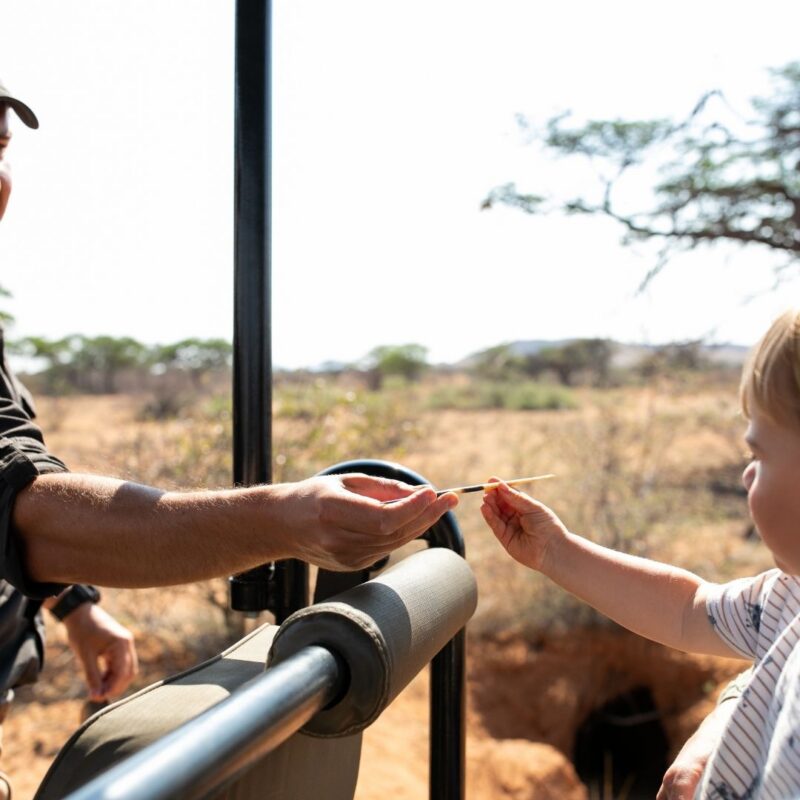
The species Tswalu is famous for are the reason most people book it. Pangolin — the world’s most trafficked mammal and one of the most rarely seen — are habituated on the reserve. Tswalu’s guides locate them regularly. Seeing a pangolin in the wild, watching it move and curl and go about its business, is an encounter very few people anywhere in the world have had. It is the experience that defines Tswalu for most visitors.
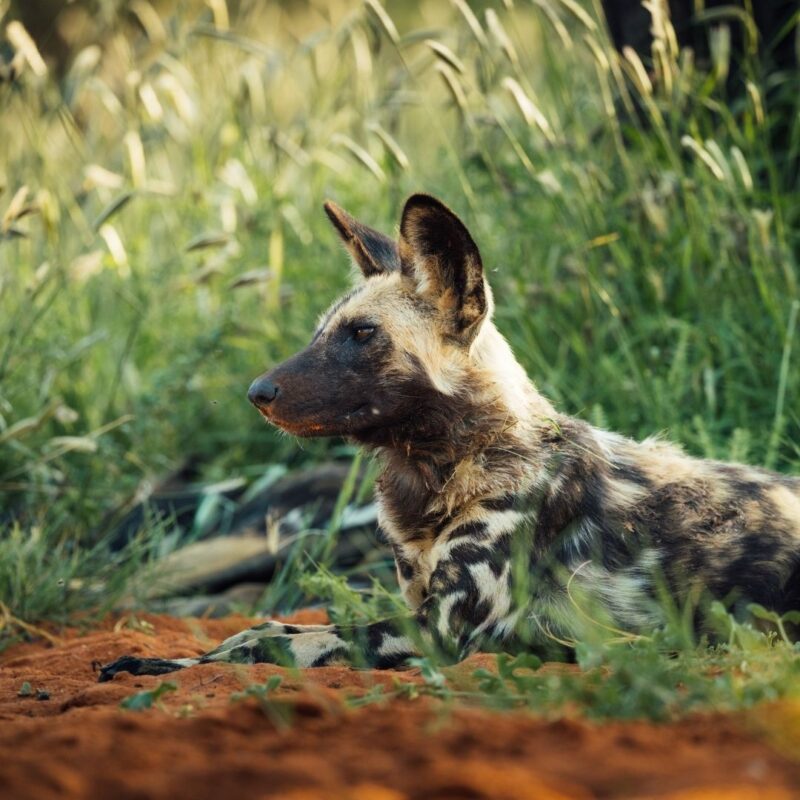
Aardwolf, the termite-eating cousin of the hyena, are regularly sighted. Brown hyena — largely nocturnal and rarely seen elsewhere in South Africa — appear on night drives. The black-maned Kalahari lion, a distinct ecotype with a dramatically fuller mane than its lowveld counterpart, is present and tracked by the reserve’s research team. Desert-adapted black rhino are resident on the property. Cheetah hunt across the open dunes with a visibility rarely matched in denser bush.
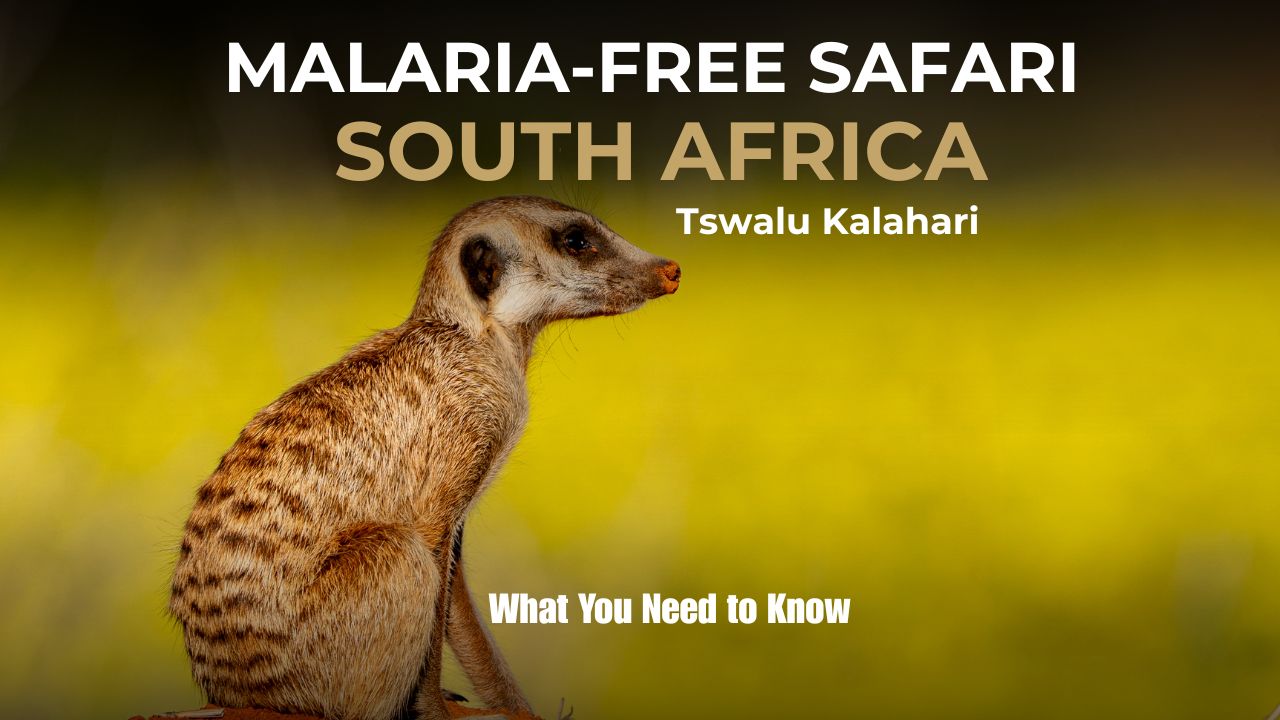
The meerkat families at Tswalu are habituated to vehicles and guides. Spending an early morning with a meerkat family at sunrise — watching the group warm themselves, disperse to forage, and communicate — is the kind of experience that stays with people for a long time.
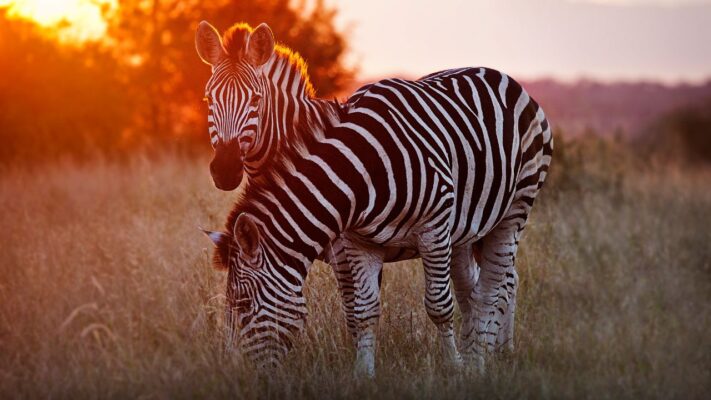
Gemsbok, red hartebeest, blue wildebeest, eland, and giraffe move across the dunes in numbers. Bat-eared fox, aardvark, and springhare are regular sightings on night drives. The birdlife is exceptional — the Kalahari carries species absent from wetter biomes, including sociable weaver colonies that build vast communal nests in the camelthorn trees.
The Lodges
Two properties operate at Tswalu. The Motse is the main lodge — seven cottages arranged around a central area built from local stone, with a pool, library, and dining space that opens entirely to the surrounding bush. Each cottage has a private plunge pool and views across the dune landscape. Meals are served communally or privately, in the lodge or out in the bush, depending on what the evening calls for.
Tarkuni is a five-suite homestead available on an exclusive-use basis. It suits families, groups of friends, and multi-generational parties who want the reserve to themselves. Staff, vehicles, and guides are dedicated to the Tarkuni group. Children are particularly well catered for — the reserve runs a structured children’s programme including junior ranger activities designed specifically around the Kalahari environment.
The service ratio across both properties is exceptionally high. Guides at Tswalu are among the most knowledgeable in South Africa, many with specific research backgrounds in the species the reserve is known for. Time spent with them in the bush is, for many guests, the most memorable part of the trip.
Research and Conservation
The Tswalu Foundation funds ongoing research into the species the reserve carries, with particular focus on pangolin, aardwolf, and brown hyena — animals that receive very little research attention elsewhere because they are so rarely encountered. Guests can engage with the research team and in some cases accompany researchers in the field. That access is rare and genuinely valuable for travellers with a serious interest in wildlife science.
How to Get There
Tswalu operates its own airstrip and requires a charter flight from either Johannesburg or Cape Town. Scheduled services do not fly here. The charter takes around two hours from either city. The reserve manages connecting flights and transfers for guests, and the process is straightforward once booked.
The charter requirement is a practical consideration that needs to factor into both budget and itinerary. It contributes directly to the exclusivity of the experience and keeps the reserve free from the day-visitor traffic that affects more accessible properties.
Combining Tswalu with Other Destinations
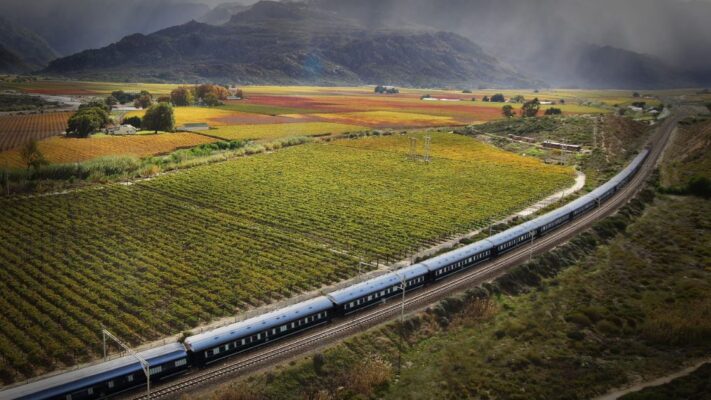
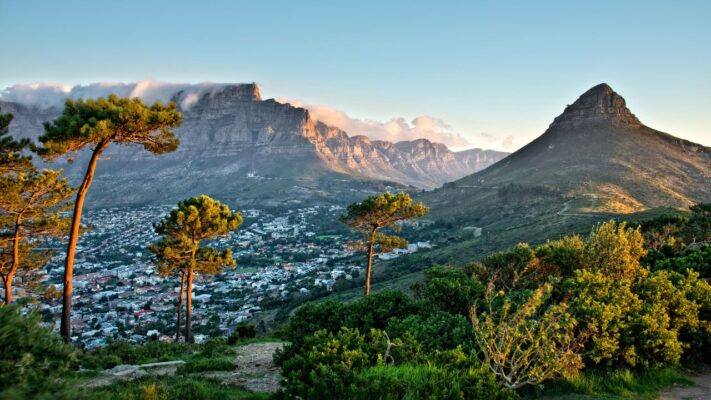
Tswalu pairs naturally with Cape Town. A week in the Cape Winelands and on the coast, followed by a charter north to Tswalu for three to four nights, gives a trip two dramatically different South African experiences. The contrast between the Cape’s lush vineyards and the Kalahari’s spare, ancient landscape is striking.
Tswalu also combines well with Johannesburg for travellers who want to start or end there. Some pair it with Madikwe — covered in Hub 2: Malaria-Free Safari: Madikwe Game Reserve — flying between the two private airstrips for a two-reserve malaria-free safari that covers both desert and savanna.
When to Visit
Tswalu rewards a cooler-season visit. May through August brings clear, cold nights, sharp daytime light, and comfortable temperatures for game drives. The desert in winter has a particular quality of clarity — visibility is long, colours are precise, and the night sky is extraordinary.
September and October mark the transition to summer. Temperatures rise quickly. Newborn animals begin appearing. The summer rainfall months from November to March bring heat, afternoon thunderstorms, and spectacular wildflower blooms across the dune fields. Game viewing in summer requires patience. The landscape, however, transforms in ways that dedicated visitors find worth the effort.
Is Tswalu Right for Your Trip?
Tswalu is not the right choice for every traveller. It suits those who want a focused, unhurried experience in extraordinary country. It suits travellers with a specific interest in rare and unusual species. It suits families and groups who want exclusive use of a world-class wilderness property.
For those who want to pair a rare-species malaria-free experience with a broader South Africa itinerary, Tswalu anchors that kind of trip better than any other reserve in this series.
If you would like to explore whether Tswalu suits your trip, or how it fits alongside the Eastern Cape, Madikwe, or the Waterberg, we are happy to work through the details. Contact us at africansignature.com.
Series Navigation
• Malaria-Free Safaris in South Africa: Complete Guide
• Malaria-Free Safari: Eastern Cape, South Africa
• Malaria-Free Safari: Madikwe Game Reserve
• Malaria-Free Safari: Waterberg, South Africa
▶ Malaria-Free Safari: Tswalu Kalahari (You are here)
Sean Lues
Award Winning Safari Guide
Content by Award Winning Safari Guides
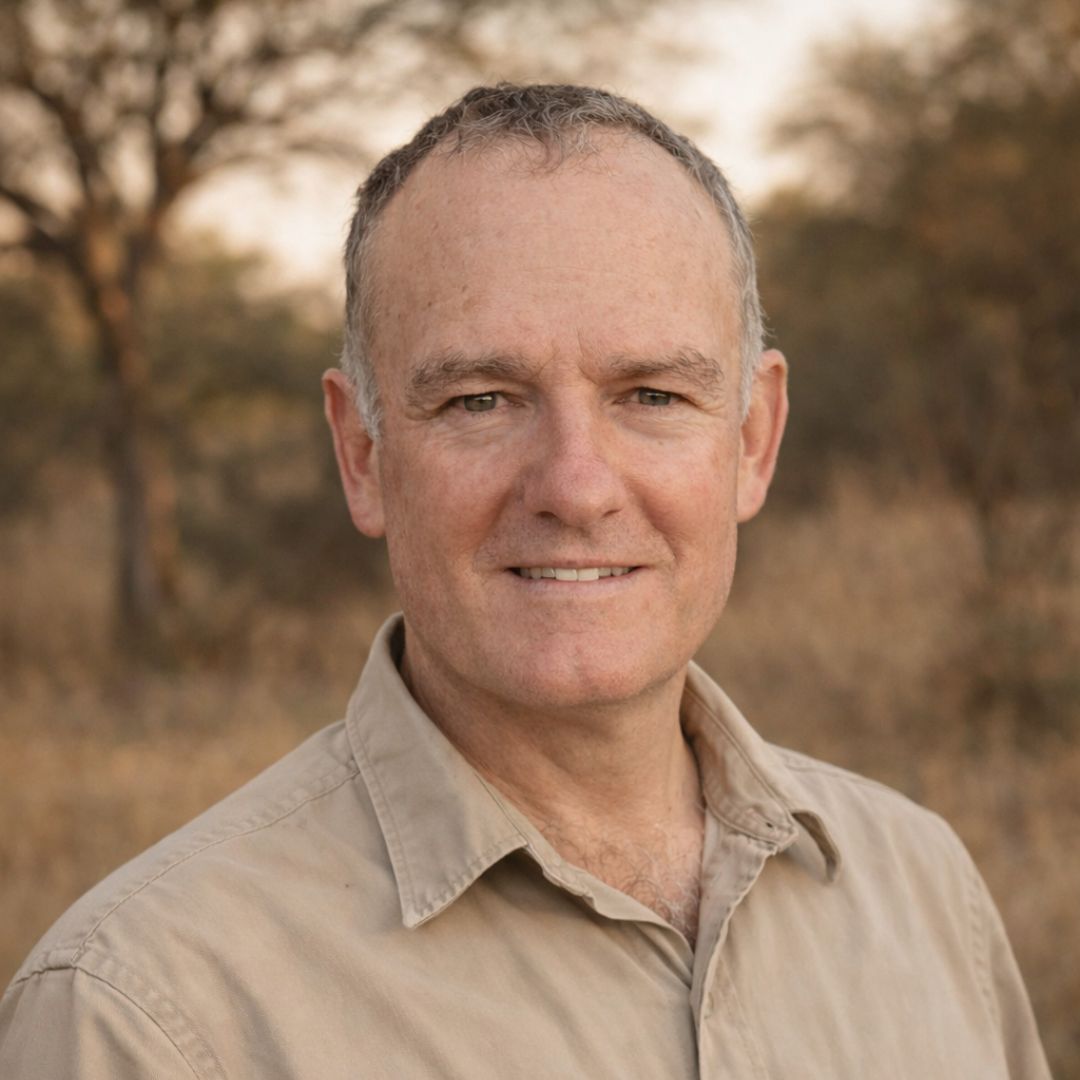
The content on African Signature Journeys is overseen by Sean Lues, an award-winning professional safari guide who was born and raised in Zimbabwe and has spent decades living, guiding, and managing safari operations across Africa.
Winner of the Zimbabwe Professional Guides Association Guide of the Year award, Sean is recognised for his deep knowledge of African wildlife, landscapes, and safari experiences. Now based in Australia, he combines firsthand African expertise with an understanding of what Australian travellers want from their safari adventure.
His experience helps ensure the information, recommendations, and insights shared by African Signature Journeys are practical, accurate, and based on real-world experience.