Safari Tipping in Botswana: Who to Tip, How Much, and How It Works
Our complete guide to safari tipping covers the framework every traveller needs before heading to Africa. Botswana, though, deserves its own treatment. The safari model here is unlike anywhere else on the continent, and understanding it changes how you think about tipping before you even land.
Botswana made a deliberate choice decades ago. Rather than chasing volume, it built its tourism industry around exclusivity. High fees. Low numbers. Vast private concessions with a handful of camps, each separated by enormous tracts of wilderness. The result is some of the most pristine wildlife habitat left in Africa, and some of the most accomplished safari guides you will encounter anywhere.
When you tip in Botswana, you are tipping inside that system. The people who work in these remote concessions travel long distances from their home communities, often spending weeks away from family during peak season. Tips are not incidental. They are a meaningful part of how these livelihoods function.
Understanding that context makes the tipping conversation feel less like an administrative task and more like what it actually is, a direct, personal acknowledgement of people who made something extraordinary possible for you.
The Safari Model in Botswana: Why It Shapes Tipping
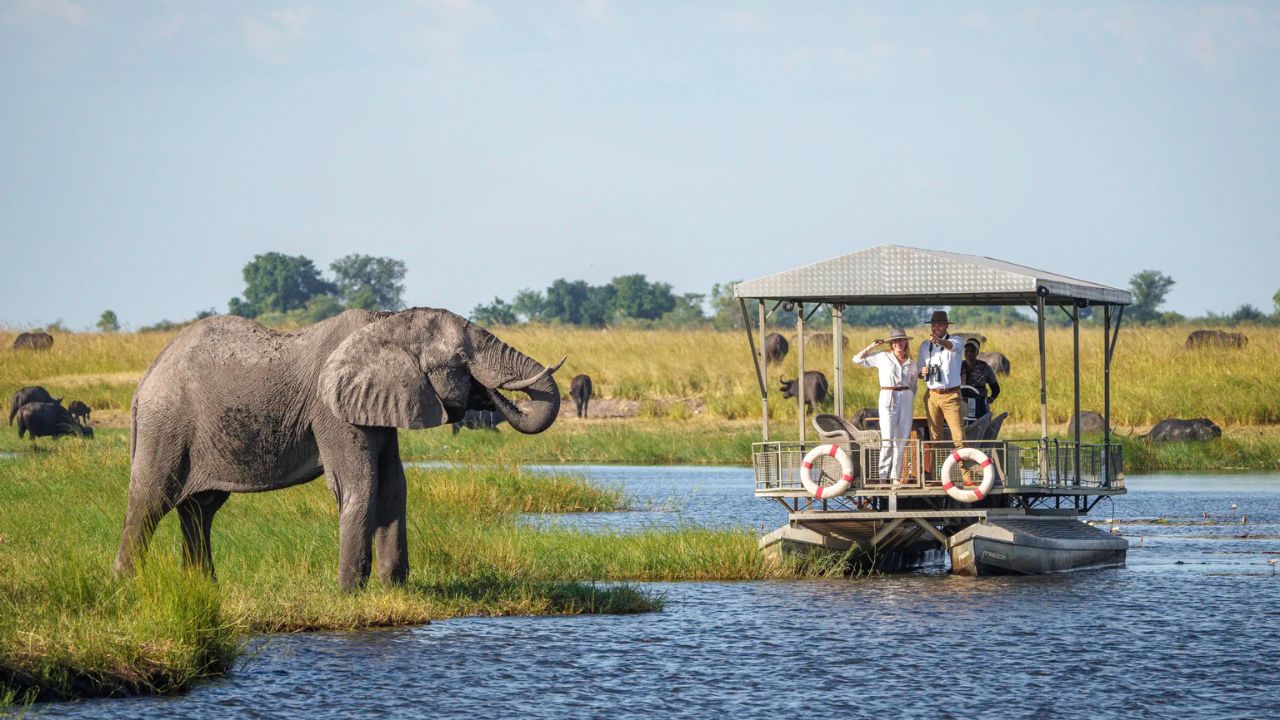
Most Botswana safaris operate from private concessions, areas of wilderness leased from the government or local communities, managed exclusively by one or two operators. There are no convoys of vehicles jostling for position at the same sighting. Just your vehicle, your guide, your tracker, and the bush.
This private model has two practical implications for tipping. First, your guide and tracker have given their undivided expertise to your group alone. Second, because group sizes are small, guides and trackers cannot rely on pooling tips from a large number of guests. The per-person-per-day framework compensates for this. It is the recognised standard across Botswana’s premier concessions — in the Okavango Delta, the Linyanti, Chobe, and the Central Kalahari.
The Okavango Delta: A Tipping Environment Unlike Any Other
The Okavango Delta is Botswana’s centrepiece — one of the world’s largest inland deltas, a vast flood-driven ecosystem of channels, islands, and papyrus reed beds that changes character with every season. Getting around it requires more than a game drive vehicle.
This is where the mokoro poler enters the picture.
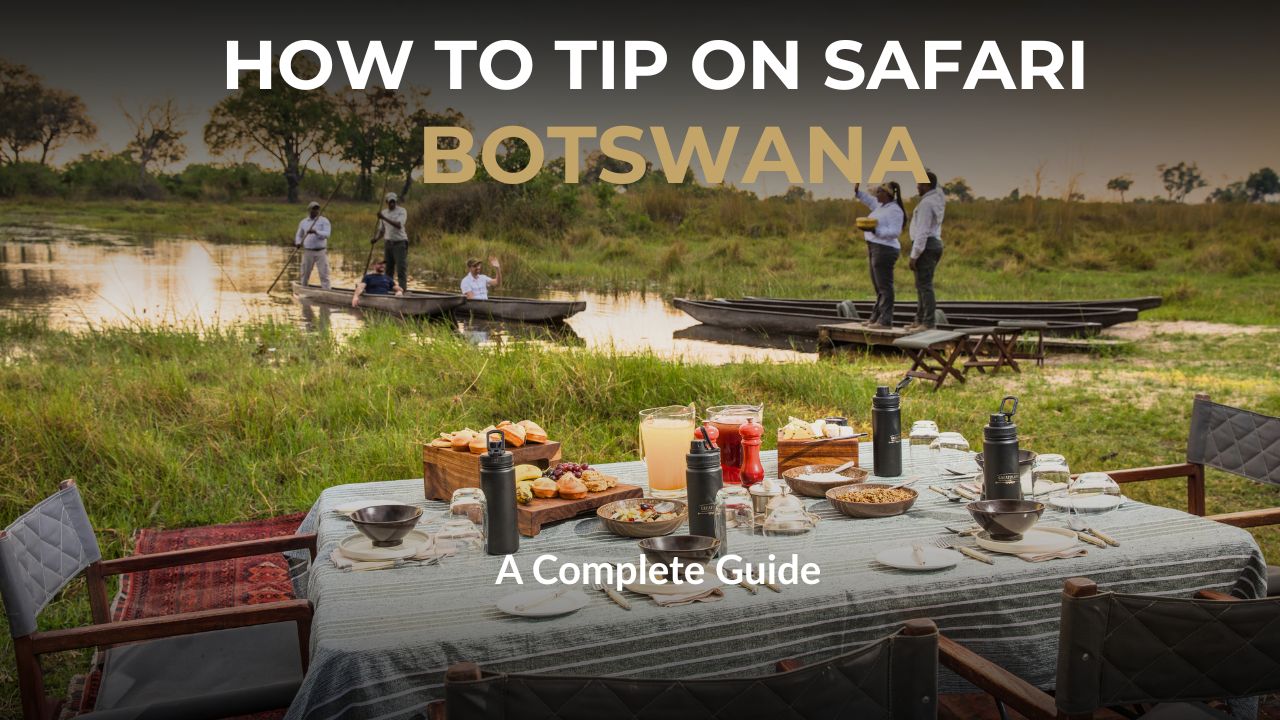
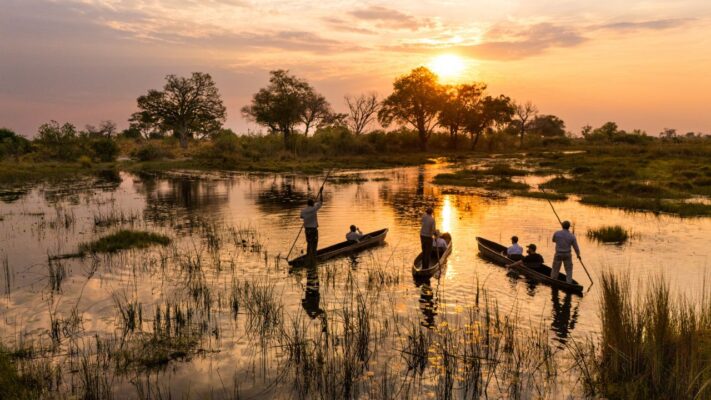
A mokoro is a traditional dugout canoe, poled silently through shallow channels where no motorised boat can travel. The poler stands at the rear, reading the water, navigating around submerged vegetation, moving through the Delta with an intimate knowledge built over years. They spot wildlife from water level, a sitatunga standing in reeds, a hippo submerged just ahead, a malachite kingfisher on a papyrus stem. They are, in every meaningful sense, a specialist guide operating in their own medium.
The mokoro poler is not part of your camp’s general staff. They are tipped separately, directly, and immediately after the excursion, not at checkout.
The same applies to motorboat guides on the Delta’s deeper channels and boat cruise guides on the Chobe River near Kasane. These are specialist roles. Each receives a direct tip for the activity, not a share of the communal staff pool.
This is the key distinction in Botswana compared to a land-based safari elsewhere. You may encounter multiple guiding roles in a single day. Budget for each one separately.
Who to Tip in Botswana
The roles below represent everyone you are likely to encounter on a Botswana safari. Amounts come directly from African Signature Journeys’ own tipping guidelines.
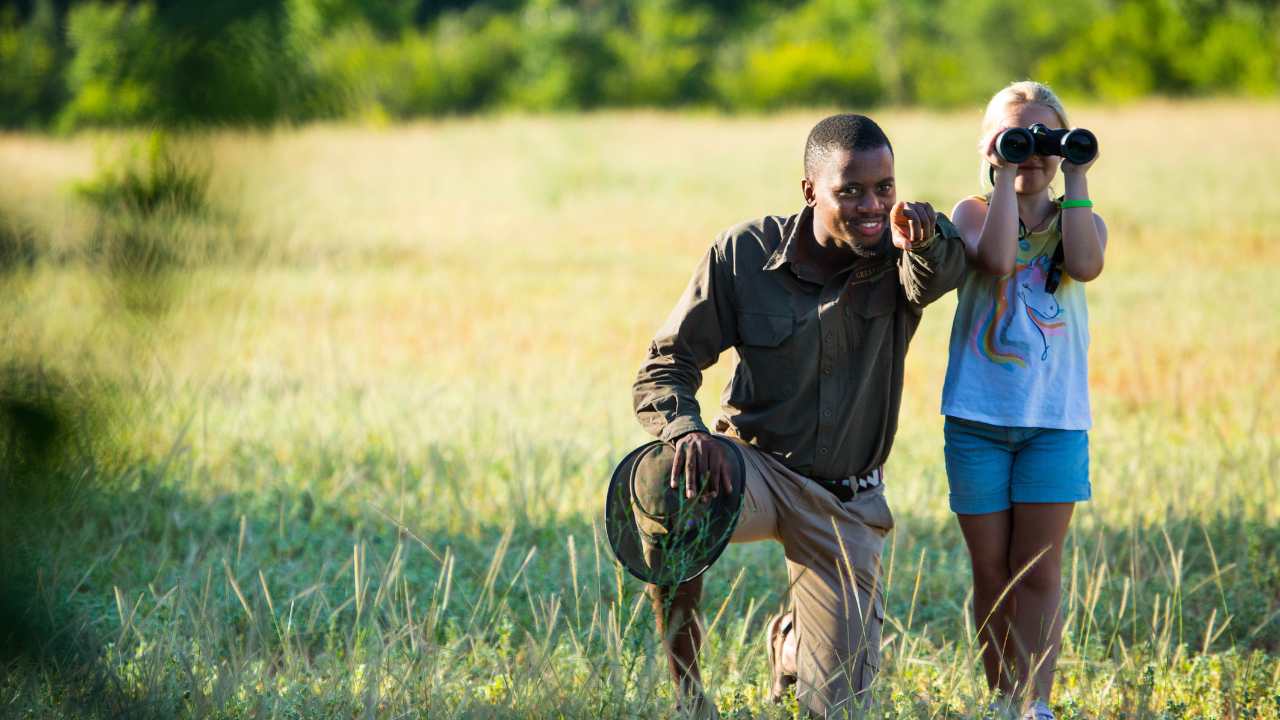
Safari Guide — Group Game Drive
USD $10–$20 per person per day. Your guide shapes the entire wildlife experience, reading animal behaviour, navigating the terrain, and translating the bush into something you can understand and remember. Tip directly in cash, in an envelope, at the end of your stay at each camp. Your guide receives this separately from the communal staff pool.
Safari Guide — Private Vehicle
USD $80–$120 per vehicle per day, split among the booking party. On a private safari, your guide has dedicated the full experience exclusively to your group. They cannot pool tips from a larger roster of guests. Tip at the upper end of the scale, the private rate reflects the exclusive nature of the service.
Tracker / Spotter
USD $5–$10 per person per day. The tracker sits at the front of the vehicle, elevated, exposed, and reading the bush at ground level. They interpret spoor, movement, and environmental cues that the guide cannot always catch from the driver’s seat. A good tracker is the reason you end up five metres from a leopard. Tip them directly and separately from the guide. Never via the tip box.
Mokoro Poler
USD $5–$15 per person per activity, paid directly after the excursion. This is one of the most important tips you will give in Botswana. The poler is a community specialist, often employed through a local community trust. Their income from tourism directly supports their village economy. Tip at the end of the excursion, not at checkout.
Motorboat Guide / Boat Cruise Guide
USD $5–$10 per person per activity, paid directly after the excursion. Whether navigating the deeper Delta channels or running a sunset cruise on the Chobe, these guides bring specialist water-based knowledge. Treat them the same as a mokoro poler, a direct tip immediately after the activity.
Game Lodge General Staff
USD $10–$20 per person per day, deposited in the communal tip box at reception. This pool covers housekeepers, kitchen teams, laundry staff, maintenance crew, and gardeners. These are the people you rarely see. They are the reason your tent is immaculate at 5am, your meals arrive perfectly in the field, and everything functions in a remote wilderness location with no margin for error.
Private Butler
USD $10–$15 per person per day, handed directly on departure. Many of Botswana’s premium camps assign a dedicated butler to each suite or tent. If yours went beyond their role, remembered your coffee order, arranged a private breakfast on the water, was simply present in all the right moments, tip at the higher end.
Transfer Driver
USD $3–$5 per person per transfer. Road transfers between Maun or Kasane and a camp can be long and demanding. The driver navigates remote tracks, handles luggage logistics for light aircraft connections, and is often your first real introduction to Botswana.
Baggage Porter
USD $1–$2 per bag, paid directly on delivery.
Spa or Massage Therapist
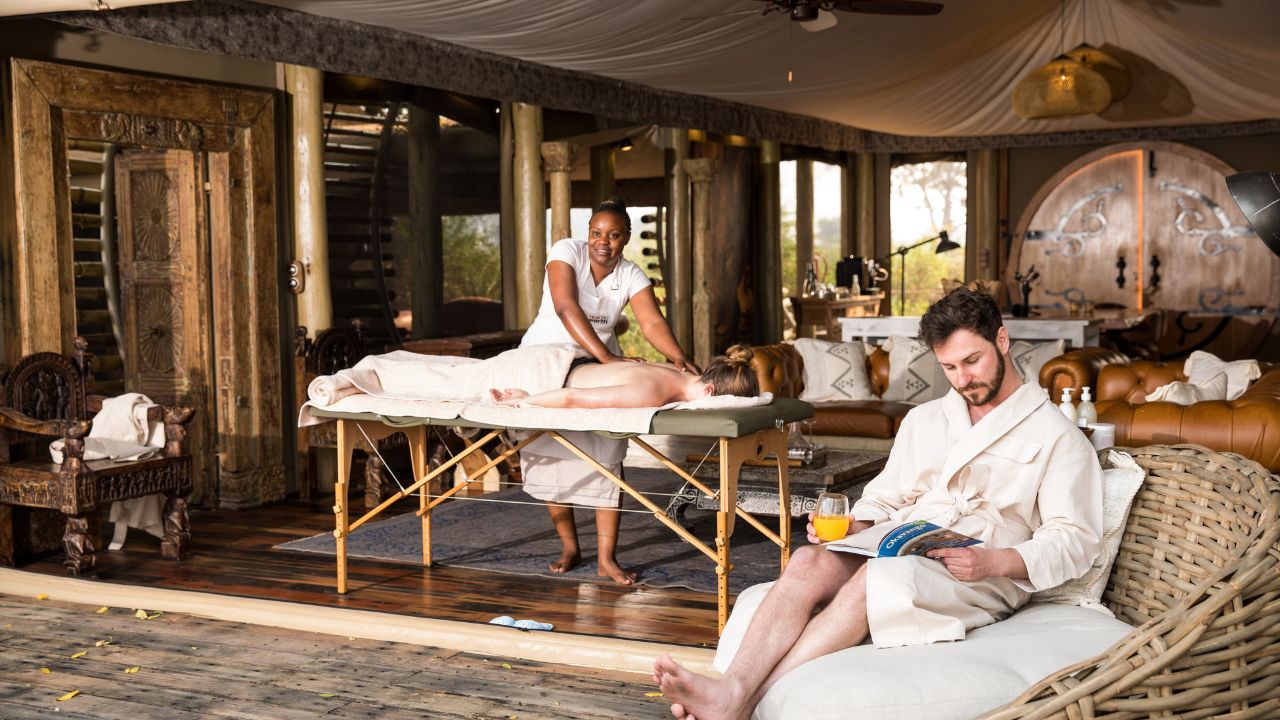
10–15% of the treatment cost, paid directly after the treatment.
Meals at Standalone Restaurants
10–15% of the bill, cash or card. Check first whether a service charge is already included.
Currency in Botswana: What to Bring and How to Prepare
US dollars are widely accepted across Botswana’s safari camps and lodges. For Australian travellers, this is the most practical option, convert to USD before you leave home and bring small, clean denominations.
The USD Note Rule
Notes must be printed after 2006 and must be clean, unfolded, and undamaged. Local banks and exchange bureaus routinely reject older or worn notes as standard practice. Ask your Australian bank for newer notes specifically when you convert.
Which Denominations to Carry
USD $1, $5, $10, and $20 bills are the most practical. Avoid $50 and $100 notes for tipping, they create change problems and are harder for staff in remote concessions to exchange.
Botswana Pula
Botswana’s currency is the Pula (BWP). If you have Pula from an exchange in Maun or Kasane, it is always appreciated, staff can use it immediately without a bureau de change visit. For most fly-in travellers, US dollars are entirely practical and universally accepted.
Practical Protocol: How to Tip Without Awkwardness
The anxiety around tipping rarely comes from the amounts. It comes from uncertainty about the moment.
Prepare the Night Before Departure
Most fly-in departures happen early, a 6am airstrip transfer leaves no time for envelope preparation at checkout. The night before you leave, prepare separate envelopes: one for your guide, one for your tracker, one for the communal staff box, and individual envelopes for any butlers or specialists who stood out. Label them. Have them ready.
How to Hand Tips to Guides and Trackers
Hand guide and tracker tips directly and privately. A genuine thank-you in that moment carries as much weight as the cash itself. These are not transactions — they are acknowledgements between people who have shared something remarkable.
How to Handle the Communal Tip Box
Drop the communal envelope in the tip box at reception. If you cannot find it on your last morning, hand the envelope to the camp manager. Every well-run camp in Botswana has a system for distribution.
Tipping Mokoro Polers and Activity Guides
Tip immediately after the activity ends, not at checkout. Polers and boat guides may not be at the camp when you depart, and the natural moment of connection at the end of the experience is the right one.
What If the Camp Has a No-Tipping Policy
A small number of high-end operators build staff compensation into their rates and ask guests not to tip. If this applies to a property on your itinerary, African Signature Journeys will tell you before your trip.
Tipping in Botswana as an Australian Traveller
Tipping does not come naturally to most Australians. At home, it is optional and often token. On a Botswana safari, it occupies different territory, not obligatory in the legal sense, but deeply embedded in the service economy that makes these experiences possible.
The journey from Australia to Botswana is long and significant. By the time you arrive at a camp in the Okavango Delta, you have made a serious investment of time, money, and anticipation. The people who meet you there have made their own kind of investment, in skills built over years, in early mornings and late nights, in a knowledge of this landscape that most of the world will never possess.
Tipping thoughtfully is the simplest way to close that loop.
Most Australian travellers on a Botswana itinerary combine it with at least one other country, South Africa, Zambia, and Zimbabwe are common pairings. Each destination has its own currency preferences and tipping customs. Our complete tipping PDF brings everything together in one document you can take with you.
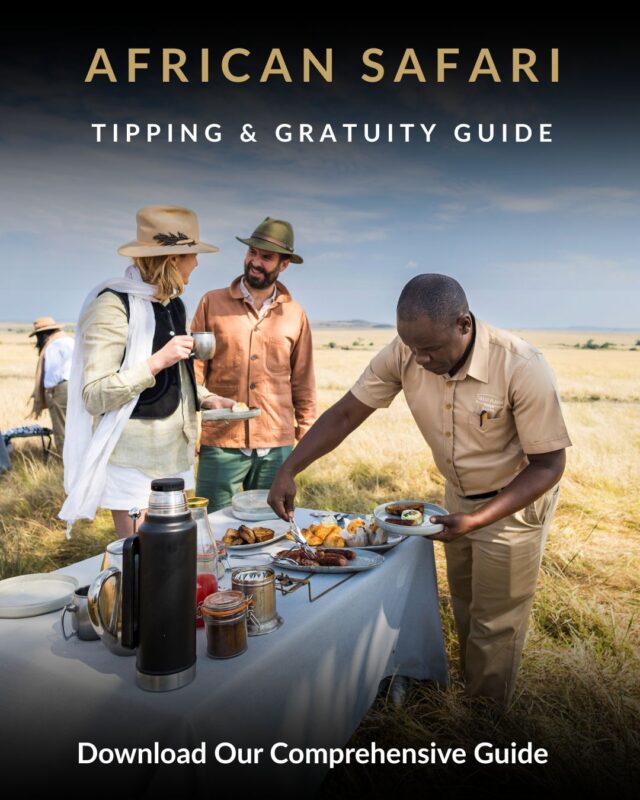
You can download our African Safari Tipping & Gratuity Guide for a comprehensive understanding of tipping customs and protocols in Africa
To talk through tipping as part of your Botswana planning, reach out to the African Signature Journeys team.
In This Series
Safari Tipping in Africa: The Complete Guide
Safari Tipping in Botswana (You are here)
Safari Tipping in South Africa
Discover Signature Botswana Experiences
Sean Lues
Award Winning Safari Guide
Content by Award Winning Safari Guides
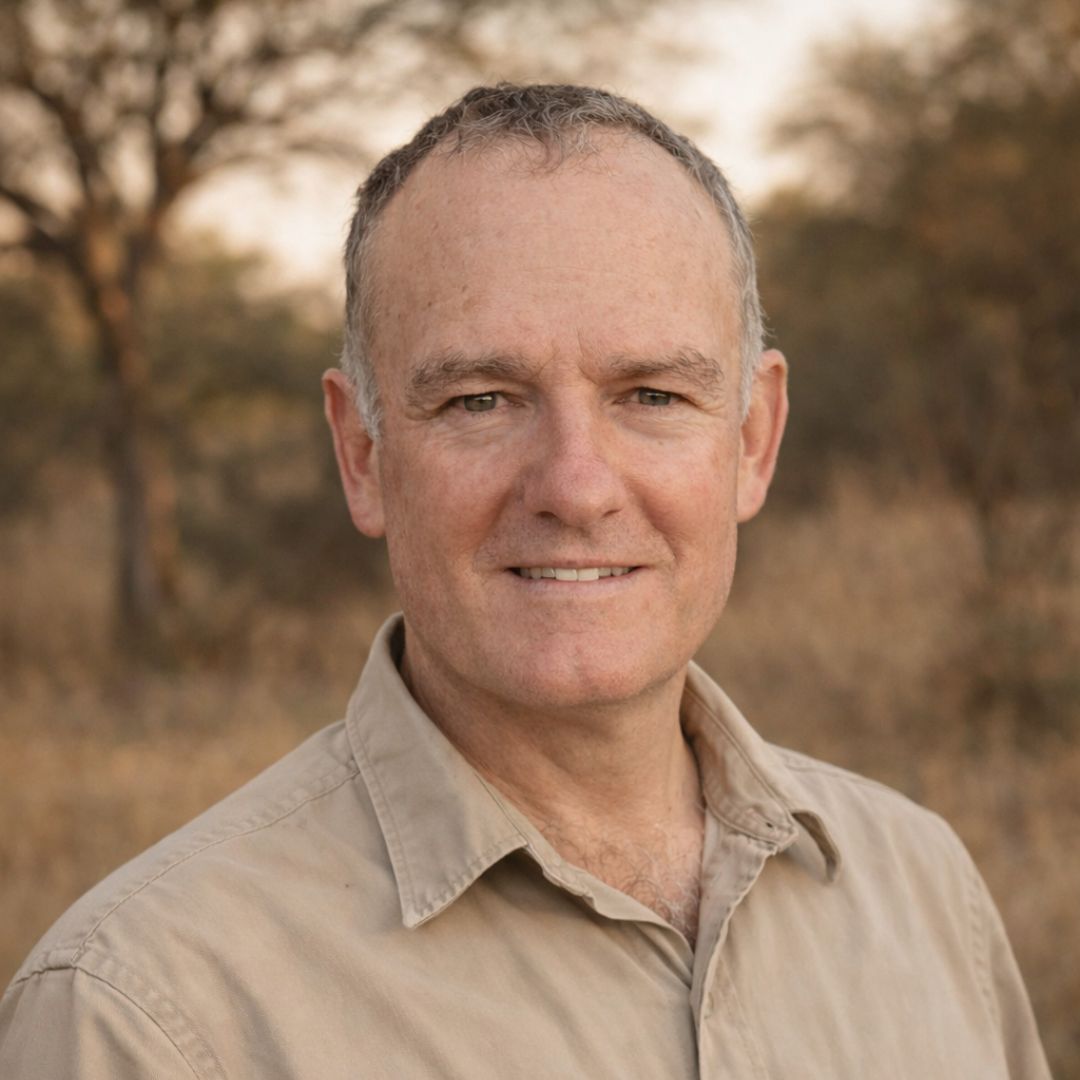
The content on African Signature Journeys is overseen by Sean Lues, an award-winning professional safari guide who was born and raised in Zimbabwe and has spent decades living, guiding, and managing safari operations across Africa.
Winner of the Zimbabwe Professional Guides Association Guide of the Year award, Sean is recognised for his deep knowledge of African wildlife, landscapes, and safari experiences. Now based in Australia, he combines firsthand African expertise with an understanding of what Australian travellers want from their safari adventure.
His experience helps ensure the information, recommendations, and insights shared by African Signature Journeys are practical, accurate, and based on real-world experience.