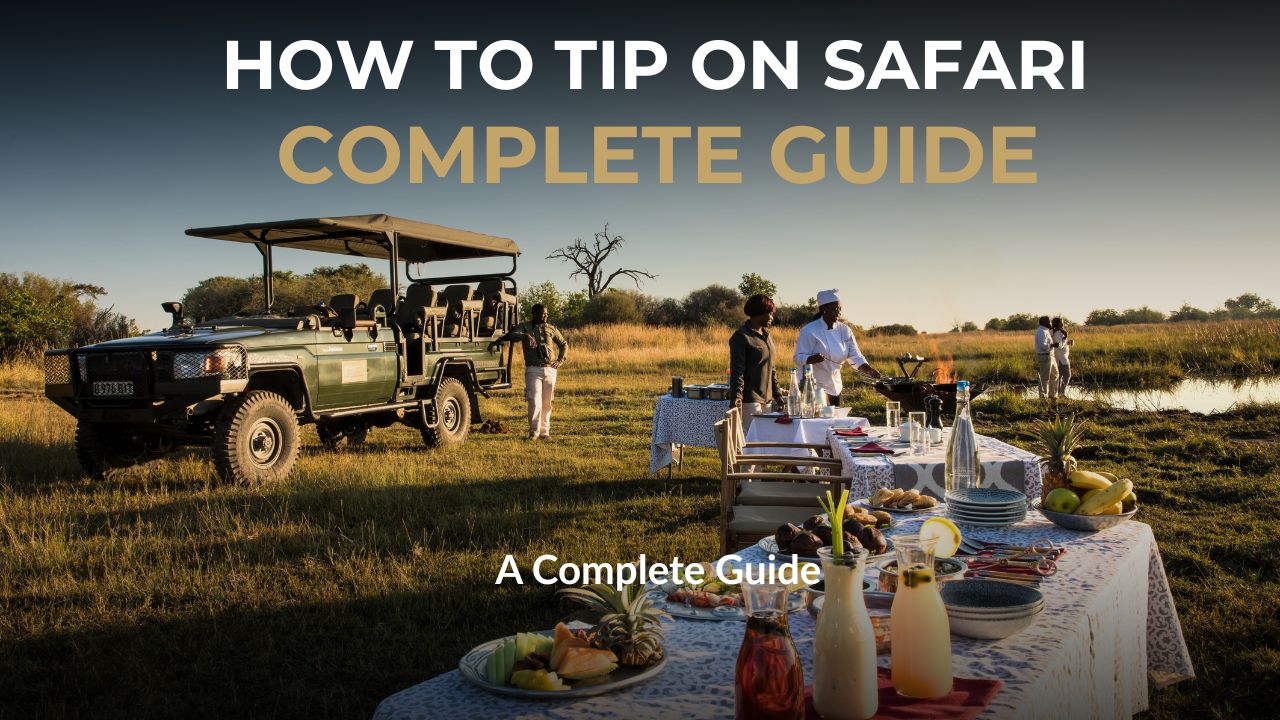
How to Tip on an African Safari: Everything You Need to Know
Most travellers arriving in Africa for the first time carry some version of the same anxiety. They’ve spent months planning the trip. They know their itinerary. They’ve packed their neutral colours and their dust-proof camera bags. Then someone asks: “Have you worked out your tipping?”
The question catches people off guard. There is no single rule or printed tariff on the wall. There are envelopes, tip boxes, personal handovers, and a cast of people, guides, trackers, housekeepers, chefs, mokoro polers, gorilla rangers, each with a different role and a different custom attached to it.
This guide untangles all of it. It covers every destination African Signature Journeys operates in, explains the framework that underpins tipping across the continent, and points you to the country-specific detail you need for your particular itinerary.
Why Tipping Matters More Here Than Almost Anywhere Else
Safari camps and lodges operate in some of the most remote corners of Africa. Staff travel long distances to work, often spending weeks away from family during peak season. Base salaries across most African tourism destinations are modest relative to the cost of living.
Tips are not a bonus. For many staff members, they represent a meaningful portion of take-home income, and that income flows outward. Research from private reserves in South Africa suggests a safari worker’s earnings, including tips, can indirectly support up to twelve people through their extended family and village. In destinations like Zambia, Zimbabwe, and Uganda, where rural incomes sit well below what is needed to cover basic needs, that impact runs deeper still.
Behind every game drive, there are people you may never meet, the laundry team washing your dust-covered clothes overnight, the kitchen staff preparing breakfast at 4:30am before your morning drive, the maintenance crew keeping your tent lit and your shower running in a wilderness location forty minutes from the nearest town.
Tipping thoughtfully acknowledges all of them.
The Standard Framework: Per Person, Per Day
Safari tipping follows a different logic to tipping in Australia. You don’t calculate a percentage of your accommodation bill. Instead, you tip per person, per day, for each night you spend at a camp or lodge.
Why This System Exists
The per-person-per-day model reflects the continuous, multi-day nature of safari service. A guide is responsible for your safety, your education, and your experience from the 5:30am wake-up call through the evening game drive and the night walk back to camp. A housekeeper turns your room over twice a day, often while you are out, without any personal interaction. The system acknowledges both.
Once you understand the framework, you can calculate your full tipping budget before you leave Australia, convert it to cash in the right currencies, and arrive prepared.
The Dual-Track System
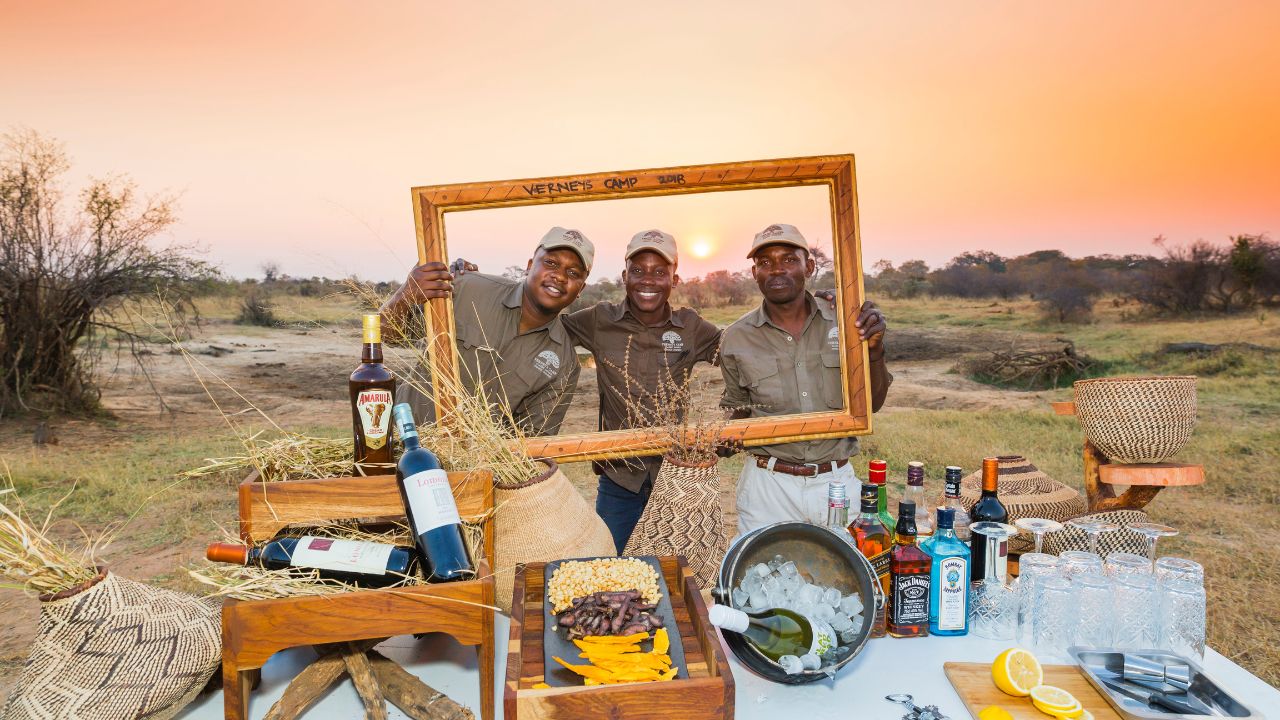
Most African safari camps operate what is known as a dual-track tipping system. Front-of-house specialists, guides, trackers, butlers, are tipped directly, in cash, usually in a prepared envelope at the end of your stay. Back-of-house staff, chefs, housekeepers, maintenance workers, gardeners, are tipped collectively through a communal tip box at the main lodge or reception area.
This system exists to ensure fairness. It means the chef who prepared your bush breakfast and the laundry attendant who cleaned your kit are recognised alongside the guide you spent every game drive with.
Who to Tip on Safari: The Key Roles
The amounts below represent the standard framework across African Signature Journeys’ destinations. Country-specific variations are covered in each hub guide.
Safari Guide or Ranger
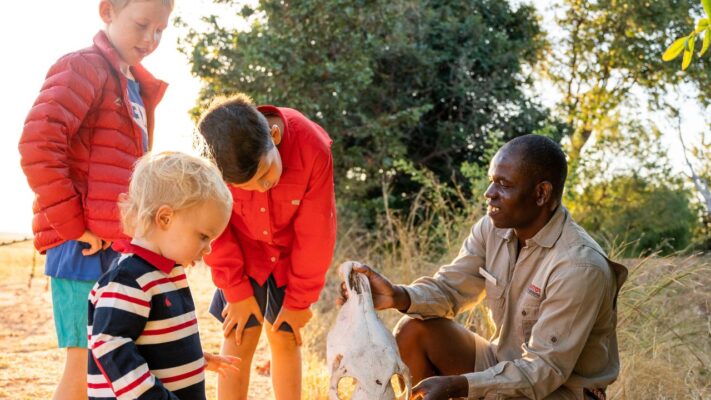
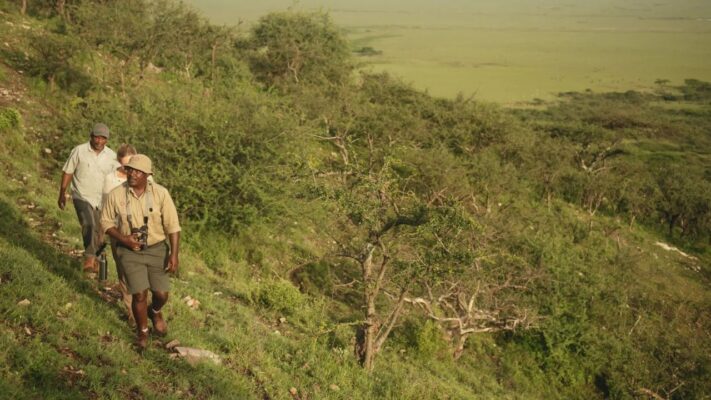
USD $10–$20 per person per day, tipped directly at the end of each camp stay. The guide is the person who shapes your entire wildlife experience. Great guiding combines ecological knowledge, tracking skill, patience, and the ability to read animal behaviour in real time. Tip this person directly, in cash, in an envelope, not after each game drive, but once at the end of your stay.
Tracker or Spotter
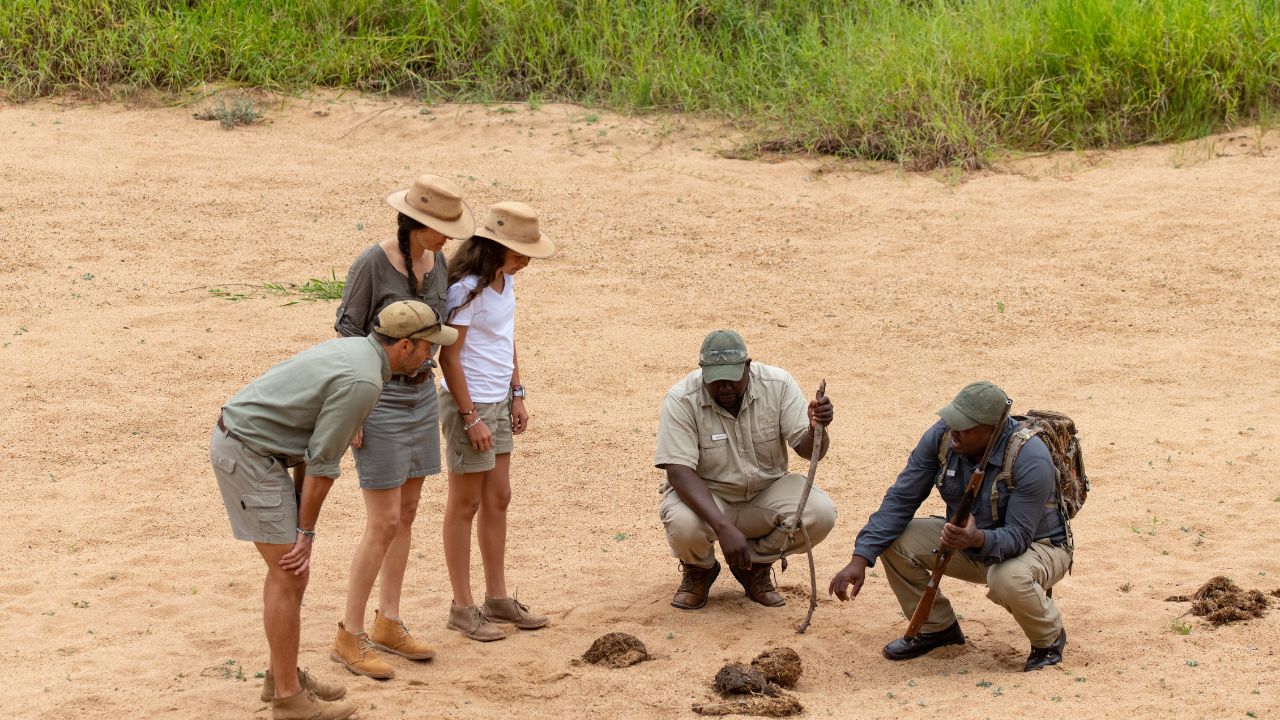
USD $5–$15 per person per day, tipped directly and separately from the guide. Not all lodges use a dedicated tracker, but many in Southern Africa do, particularly in Botswana, Zambia, Zimbabwe, and the private reserves of South Africa. The tracker sits at the front of the vehicle and reads the bush at ground level. They find the animal before anyone else does.
Camp Staff — Communal Tip Box
USD $10–$20 per person per day, deposited in the communal tip box at checkout. This covers housekeepers, waitstaff, kitchen teams, and all the staff who make a camp function behind the scenes.
Private Butler
USD $10–$15 per person per day, tipped directly on departure. If a specific staff member went significantly beyond their role, tip them directly in addition to the communal contribution.
Transfer Driver
USD $3–$10 per person per transfer, depending on distance and complexity. Road transfers between airstrips, lodges, or towns can be long and demanding.
Airport and Hotel Porters
USD $1–$2 per bag, paid directly on delivery.
Specialist Activity Guides
Mokoro polers, boat guides, gorilla trekking rangers, walking safari scouts, each of these specialist roles carries its own tipping protocol. The country hubs in this series cover each one in detail.
When to Tip
Timing is simpler than most travellers expect. Tip at the end of each stay, not daily, not after each activity.
When you check out of a camp, hand your guide their tip directly. Drop your communal contribution in the tip box. If a butler or specific staff member stood out, find a quiet moment to hand them an envelope separately.
If you are leaving before dawn, which happens often on fly-in safari itineraries, tip the night before. Tell your guide privately. They will appreciate the consideration, and you will leave with one less thing to think about at the airstrip.
Currency: What to Bring and How to Prepare
US Dollars for Most of Africa
US dollars are the standard tipping currency across Kenya, Tanzania, Uganda, Botswana, Zambia, Zimbabwe, and Namibia. You do not need to convert to multiple local currencies for most tips at safari lodges.
Condition matters enormously. Notes must be clean, unfolded, and printed after 2006. Many banks and exchange bureaus across Africa refuse older or worn US dollar notes as standard practice, not occasionally, but routinely. Ask your Australian bank for newer notes when you convert. Bring small denominations: $1, $5, $10, and $20 bills are the most useful. Avoid $50 and $100 notes for tips.
South African Rand for South Africa and Namibia
South Africa and Namibia operate in the rand zone. The South African Rand (ZAR) is strongly preferred here, and the Namibian Dollar (NAD) is pegged 1:1 with ZAR. Tipping in US dollars at South African camps and city restaurants places an administrative burden on staff who must then locate a bureau de change. Use rand wherever possible in these two countries.
Prepare Envelopes Before You Travel
Before you leave Australia, calculate your tipping budget based on your itinerary, number of nights at each camp, number of guides and trackers, number of transfers and specialist activities. Convert that total to cash in the correct currencies. Then break it into labelled envelopes, one per camp. This removes all friction from the moment itself.
Private Safari vs Shared Game Drive: Does It Change the Tip?
Yes. On a private safari, your guide and tracker have devoted their undivided expertise to your group alone. They cannot pool tips from a larger group of guests. Tip at the upper end of the range, or beyond it. The exclusive nature of the service warrants it.
On a shared game drive, tip at the standard per-person-per-day rate. If you are travelling as a family with children who are not using the guide’s full attention, use your judgement, most travellers tip for the adults and acknowledge the guide verbally for any additional care shown to younger members of the group.
Special Activities With Their Own Tipping Customs
Gorilla Trekking in Uganda
Gorilla trekking involves a separate team beyond your lodge guide, a trek ranger, park trackers, armed escorts, and often a porter. Each role is tipped separately. The full detail is covered in our Uganda country hub.
Walking Safaris in Zambia and Zimbabwe
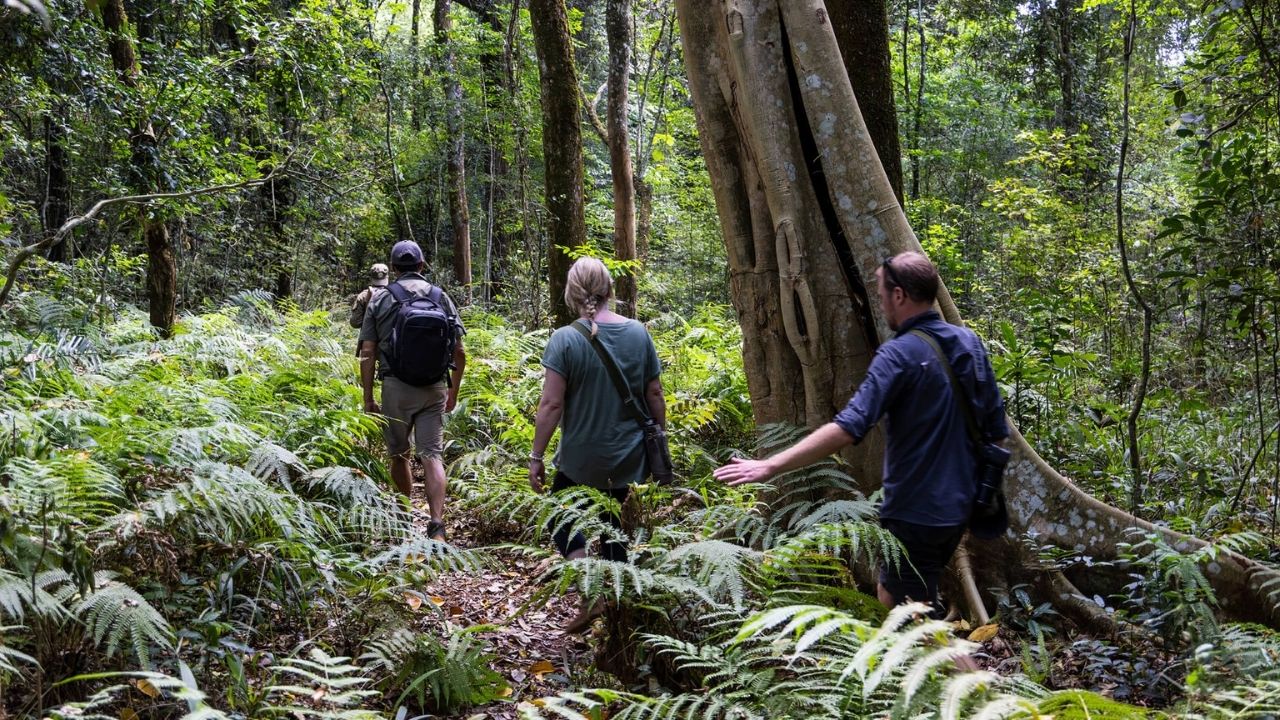
Walking safari guides carry significant responsibility, they are leading guests on foot through active wildlife areas. Zambia’s walking guides are accompanied by armed national park scouts. Both are tipped directly. Tip at the same level as a vehicle guide, or slightly higher.
Mokoro Excursions in Botswana
Mokoro polers on the Okavango Delta are community specialists, not lodge staff. They are tipped directly and immediately after the excursion — not at checkout. The full detail is in our Botswana hub.
Should You Tip the Camp Manager?
No, not typically. Camp managers are salaried professionals who do not expect tips. The situation is similar to tipping a restaurant owner — unusual and unnecessary. If a manager went to extraordinary personal lengths to make something happen for you, a warm verbal acknowledgement and a positive review carry more weight than cash.
Tipping Is Discretionary — But It Is Not Optional in Spirit
No one will chase you for a tip. No one will make you feel uncomfortable for not leaving one. Tipping in Africa is a personal choice.
That said, understanding what it means, and arriving prepared, is part of being a thoughtful traveller. The people who spend their days tracking leopards, reading the bush, managing early mornings and difficult terrain so that guests can have extraordinary experiences, deserve to be seen.
A considered tip is one way of seeing them.
For destination-specific detail, choose your country from the hub series below. For Australian travellers building a multi-country itinerary, our downloadable tipping guide brings every country, every role, and every amount into a single printable document.
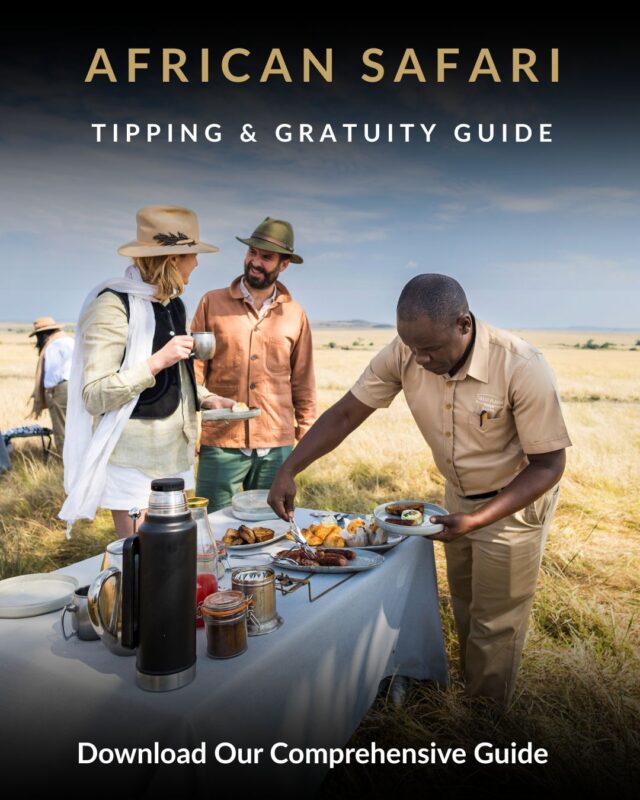
You can download our African Safari Tipping & Gratuity Guide for a comprehensive understanding of tipping customs and protocols in Africa
To talk through tipping as part of your safari planning, reach out to the African Signature Journeys team. It is always part of our pre-departure briefing.
In This Series
- Safari Tipping in Africa: The Complete Guide (You are here)
- Safari Tipping in Botswana
- Safari Tipping in Kenya
- Safari Tipping in Tanzania
- Safari Tipping in Uganda
- Safari Tipping in Zambia
- Safari Tipping in Zimbabwe
- Safari Tipping in Namibia
- Safari Tipping in South Africa
Explore Our African Signature Experiences


Sean Lues
Award Winning Safari Guide
Content by Award Winning Safari Guides
The content on African Signature Journeys is overseen by Sean Lues, an award-winning professional safari guide who was born and raised in Zimbabwe and has spent decades living, guiding, and managing safari operations across Africa.
Winner of the Zimbabwe Professional Guides Association Guide of the Year award, Sean is recognised for his deep knowledge of African wildlife, landscapes, and safari experiences. Now based in Australia, he combines firsthand African expertise with an understanding of what Australian travellers want from their safari adventure.
His experience helps ensure the information, recommendations, and insights shared by African Signature Journeys are practical, accurate, and based on real-world experience.