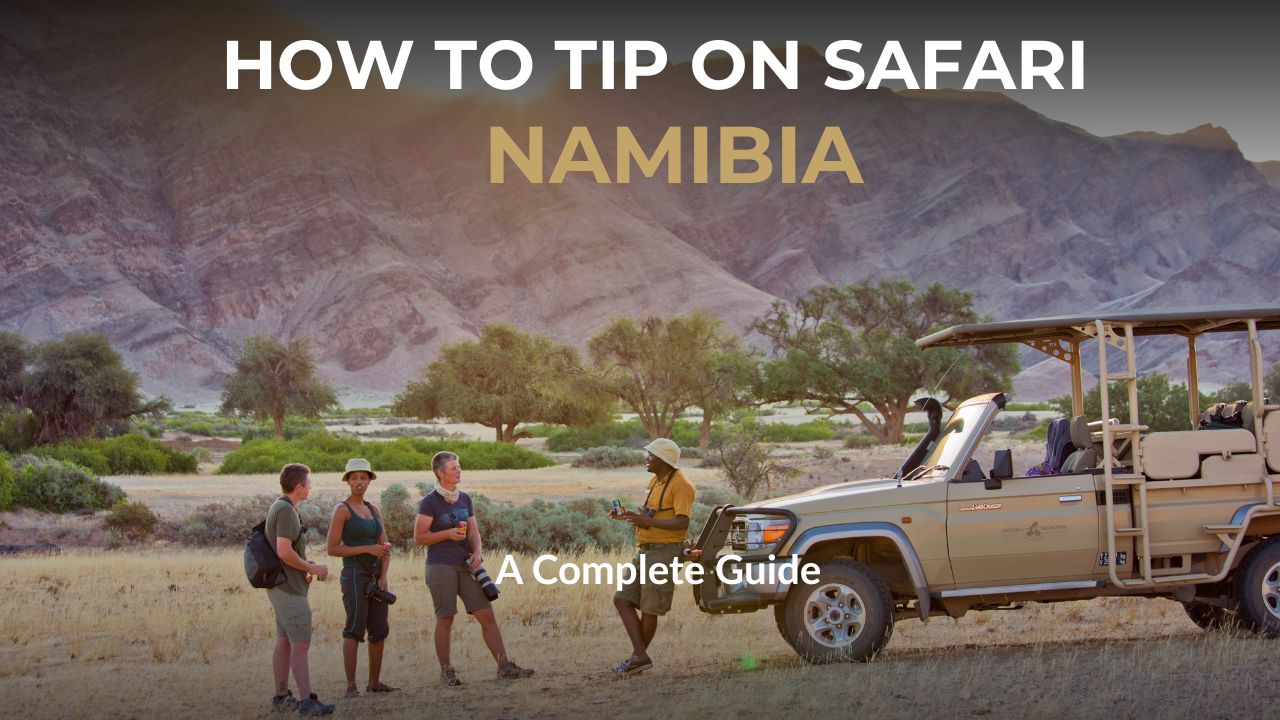
Safari Tipping in Namibia: Who to Tip, How Much, and How It Works
Our complete safari tipping guide covers the framework that applies across all of Africa. Namibia occupies a unique place within that framework, a destination shaped by vast distances, desert-adapted wildlife, self-drive culture, and a currency zone that sets it apart from the rest of Southern and East Africa.
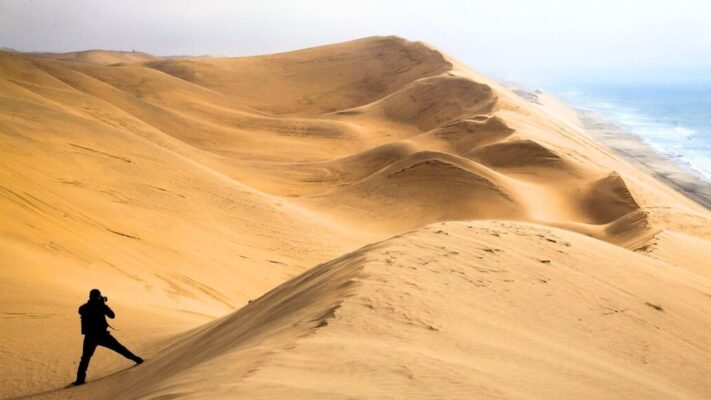
Namibia is unlike anywhere else on the continent. The Namib Desert is one of the oldest on earth. The red dunes of Sossusvlei rise to more than 300 metres. Etosha National Park concentrates extraordinary wildlife around waterholes in an arid landscape that could not feel more different from the Okavango Delta or the Serengeti. The Skeleton Coast is one of the world’s great wildernesses, haunting, remote, and barely touched.
Getting around Namibia requires either a well-planned self-drive or a skilled overland guide who can navigate thousands of kilometres of gravel roads without losing the thread of what makes the country extraordinary. That distinction, self-drive versus guided, shapes tipping in ways that differ from most other African destinations.
The Safari Model in Namibia: What Shapes Tipping Here
Namibia is the only African destination where a significant proportion of travellers choose to self-drive without a guide. The road infrastructure is good, the distances are manageable with planning, and the country rewards independent exploration.
However, African Signature Journeys designs guided Namibia experiences, fly-in safaris to remote desert lodges, private guided overland journeys, and specialist itineraries that combine Etosha with Damaraland, the Skeleton Coast, and the south. On a guided Namibia itinerary, the private overland guide carries a level of responsibility that goes beyond most other guiding contexts, they are navigating remote terrain, managing vehicle logistics, and providing a sustained experience across many days.
Tipping reflects that sustained commitment differently from a single-lodge stay.
Namibia also sits firmly in the rand zone. This changes the currency equation entirely.
Currency in Namibia: Rand First, USD Second
South African Rand Is Strongly Preferred
Namibia’s economic integration with South Africa means the South African Rand (ZAR) and the Namibian Dollar (NAD — pegged 1:1 with ZAR) are the dominant currencies for all local transactions, including tips. Staff who receive ZAR or NAD can use it immediately. Staff who receive USD must locate a bureau de change, which in remote Namibia is genuinely inconvenient.
For Australian travellers, the most practical approach is to convert Australian dollars to South African Rand before leaving home, or to withdraw rand at Windhoek’s Hosea Kutako International Airport on arrival. Most major Australian banks can order ZAR in advance.
When USD Is Acceptable
US dollars are accepted at many of Namibia’s higher-end lodges and can be used for tips where rand is not available. But the preference is clear, The Rand benefits the recipient directly and immediately. Where you have the choice, use rand.
Who to Tip in Namibia
Amounts below come from African Signature Journeys’ Namibia-specific tipping guidelines, expressed in both USD equivalent and ZAR.
Safari Ranger / Guide — Group
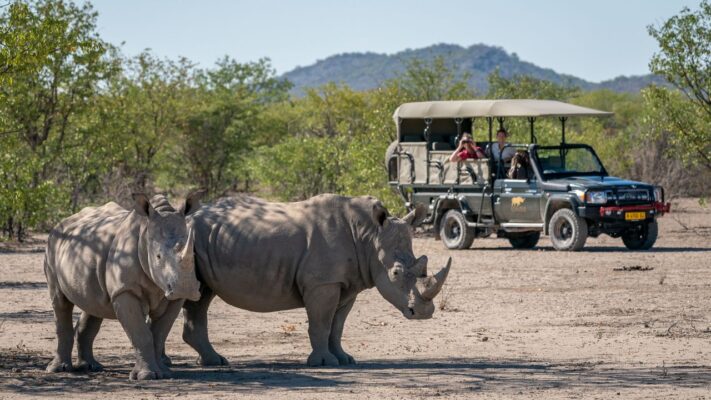
USD $8–$11 equivalent (ZAR 150–200) per person per day, tipped directly in cash at the end of each lodge stay. Namibia’s desert lodge guides combine ecological knowledge with a deep understanding of arid landscapes that most safari travellers have not encountered before. Desert-adapted species, black rhino, desert elephant, oryx, brown hyena, require different interpretation than savannah wildlife.
Safari Ranger — Ultra-Luxury Property
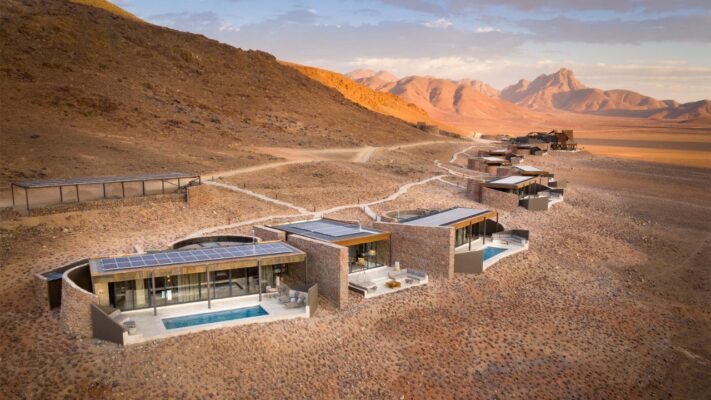
USD $22 equivalent (ZAR 400) per person per day at Namibia’s premium desert properties. Lodges like Hoanib Skeleton Coast Camp or &Beyond Sossusvlei Desert Lodge operate at a level where the guiding, the design, and the remoteness all justify tipping at the top of the range.
Private Guide — Overland Journey
USD $20–$25 per vehicle per day for a private overland guide. This rate differs from a lodge-based guide because the overland guide provides sustained, continuous service across multiple days, navigating gravel roads between Windhoek, Etosha, Damaraland, the Skeleton Coast, and the south. Their expertise and effort accumulate across the journey. Tip at the end of the full overland programme, not at each overnight stop.
Tracker / Spotter
USD $4.50–$6 equivalent (ZAR 80–100) per person per day, tipped directly. Desert trackers in Namibia are specialists in arid-zone tracking, reading sand, rock, and sparse vegetation to locate black rhino and desert elephant in terrain where conventional bush tracking skills are not sufficient.
Game Lodge General Staff
USD $2.70–$11 equivalent (ZAR 50–200) per person per day, deposited in the communal tip box. The range reflects the significant variation in lodge size and luxury level across Namibia, from intimate desert camps to larger Etosha lodges.
Private Butler
USD $16 equivalent (ZAR 300) per person per day, handed directly on departure.
Transfer Driver
USD $5 equivalent (ZAR 90) per person per transfer, flat rate.
Baggage Porter
USD $0.50 equivalent (ZAR 10) per bag, paid directly on delivery.
Spa or Massage Therapist
10% of the treatment cost, paid directly or added to the room bill.
Sightseeing Excursion Guide
USD $19 equivalent (ZAR 350) per person for a full-day excursion, such as a guided dune walk at Sossusvlei or a cultural experience in a Himba village.
Meals at Restaurants
10–15% of the bill in Windhoek and Swakopmund. Cash or card.
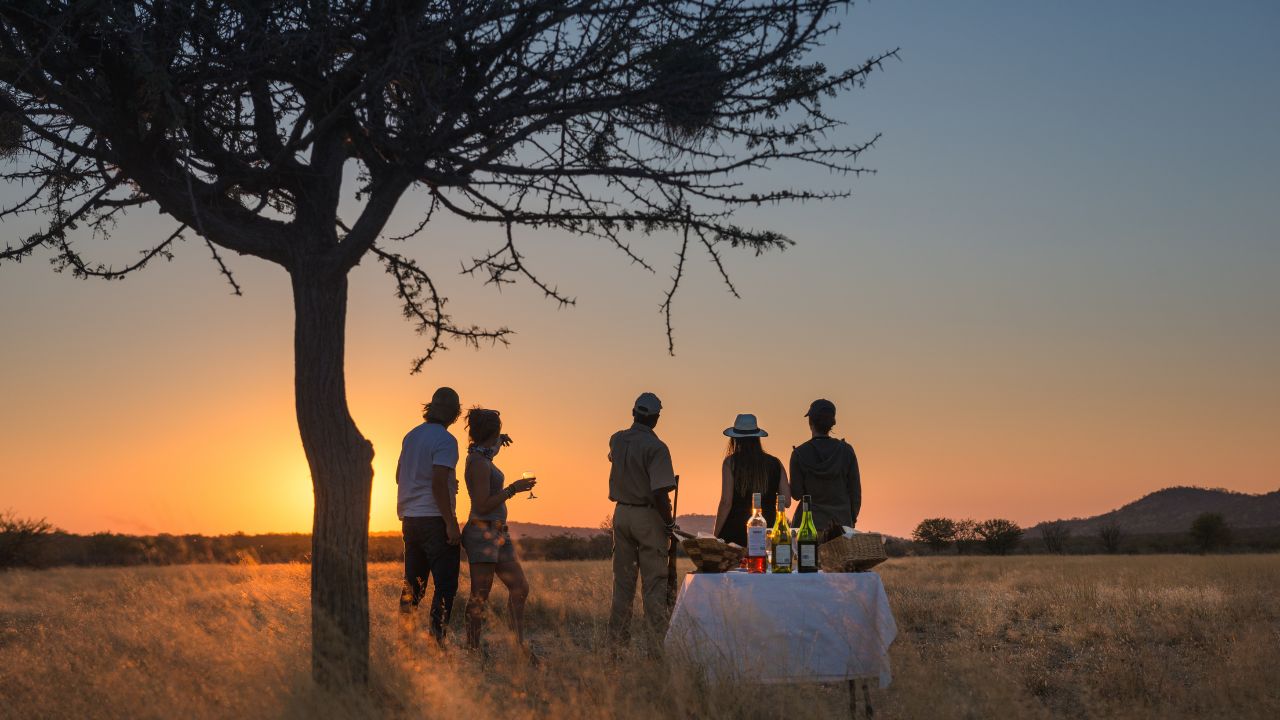
Practical Protocol: How to Tip in Namibia
Overland Guide Tipping — Tip at Journey’s End
Unlike lodge-based guides who are tipped at the end of each stay, an overland guide accompanies you for the full duration of the journey. Tip them at the end of the programme, the final day before you return to Windhoek. Calculate based on the full number of days.
Lodge-Based Guide Tipping — Tip at Each Property
If your Namibia itinerary combines several lodges, Etosha, then Damaraland, then Sossusvlei, tip the lodge guide at the end of each stay. These are different people in different locations.
Tracking Activities in the Desert
If your itinerary includes a specialist desert rhino tracking experience, typically run with a guide from Save the Rhino Trust or similar conservation organisations, tip the tracking guide directly at the end of the activity. USD $10–$15 per person is appropriate for a half-day tracking experience.
Windhoek and Swakopmund City Tips
For city-based experiences, a tour of Windhoek, a coastal excursion from Swakopmund, tip city guides directly at the end of the experience in ZAR where possible.
Tipping in Namibia as an Australian Traveller
Namibia is one of the most visually dramatic destinations African Signature Journeys offers. The landscapes are unlike anything else in Africa, or anywhere else. For Australian travellers, there is a certain familiarity to the arid terrain, the vast distances, and the sense of wilderness. Yet Namibia is entirely its own world.
The tipping conventions here are straightforward once you understand the rand zone and the overland guide distinction. Prepare your ZAR before you leave Australia, understand which guides are tipped per stay versus per journey, and arrive ready.
Most Australian travellers combine Namibia with South Africa, either as a standalone Southern Africa journey or as part of a broader multi-country itinerary. The rand currency overlap between the two countries makes the combination logistically simple from a tipping preparation perspective.
You can download our African Safari Tipping & Gratuity Guide for a comprehensive understanding of tipping customs and protocols in Africa
To plan your Namibia safari, reach out to the African Signature Journeys team.
In This Series
- Safari Tipping in Africa: The Complete Guide
- Safari Tipping in Botswana
- Safari Tipping in Kenya
- Safari Tipping in Tanzania
- Safari Tipping in Uganda
- Safari Tipping in Zambia
- Safari Tipping in Zimbabwe
- Safari Tipping in Namibia (You are here)
- Safari Tipping in South Africa
Discover Signature Namibia Experiences

Sean Lues
Award Winning Safari Guide
Content by Award Winning Safari Guides
The content on African Signature Journeys is overseen by Sean Lues, an award-winning professional safari guide who was born and raised in Zimbabwe and has spent decades living, guiding, and managing safari operations across Africa.
Winner of the Zimbabwe Professional Guides Association Guide of the Year award, Sean is recognised for his deep knowledge of African wildlife, landscapes, and safari experiences. Now based in Australia, he combines firsthand African expertise with an understanding of what Australian travellers want from their safari adventure.
His experience helps ensure the information, recommendations, and insights shared by African Signature Journeys are practical, accurate, and based on real-world experience.