Safari Tipping in South Africa: Who to Tip, How Much, and How It Works
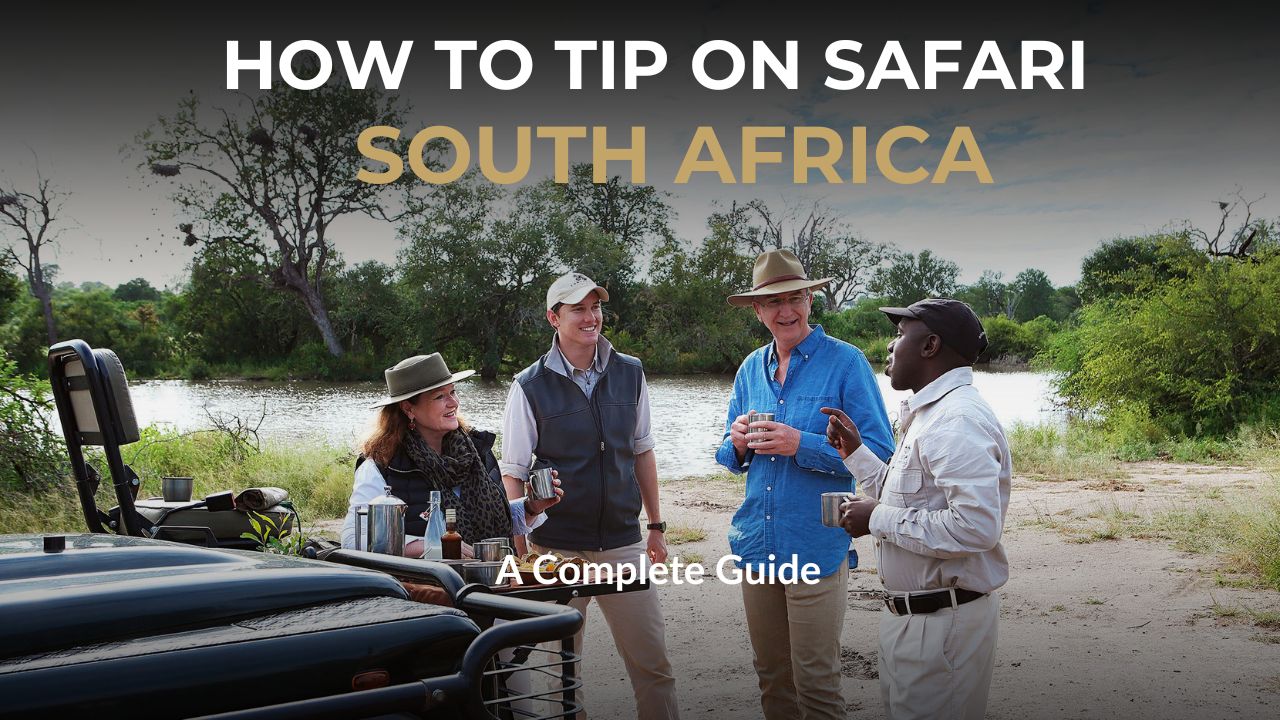
Our complete safari tipping guide covers the framework that applies across all of Africa. South Africa warrants its own dedicated hub, not just because it is one of the most popular destinations African Signature Journeys operates in, but because tipping here works differently in two important ways.
The currency is different. South Africa is firmly in the rand zone, and tipping in US dollars is genuinely unhelpful to the people receiving them. The guiding structure is also different. South Africa’s private game reserves use a two-person team, a ranger and a tracker, in a coordinated partnership that is more developed here than almost anywhere else in Africa.
Understand those two things, and tipping in South Africa becomes straightforward.
The Safari Model in South Africa: What Shapes Tipping Here
South Africa has a mature, well-developed tourism industry. Tipping is embedded in everyday life here in a way that differs from most other African countries, it is not just a safari convention, it is a broad cultural expectation across hospitality, restaurants, and services.
The private game reserves are the centrepiece of the safari experience. The Sabi Sand Game Reserve, bordering Kruger National Park, is home to Londolozi, Singita Ebony, &Beyond Ngala, and Sabi Sabi. Phinda Private Game Reserve in KwaZulu-Natal, Tswalu in the Kalahari, and Madikwe Game Reserve each offer distinct habitats and wildlife encounters. These properties operate at the luxury and ultra-luxury end of the market. The guiding standards are exceptional.
Many South Africa itineraries also include time in Cape Town, the Winelands, or along the Garden Route. City-based tipping follows different conventions from the bush. Both are covered here.
The Ranger and Tracker: Two Roles, Two Tips
This is the most important thing to understand about South Africa safari tipping.
In South Africa’s private game reserves, every game drive vehicle carries two specialists, a ranger (the guide) who drives and interprets, and a tracker who sits on the dedicated tracker seat at the front of the vehicle, elevated above the bonnet, reading the ground. These two people work as a team, but they hold entirely different roles and are tipped separately.
Why the Tracker Role Matters
The tracker seat is a physically demanding position, exposed to wind, cold, and dust, with no protection from the elements. The tracker reads spoor at speed: a paw print in soft sand, a broken twig at the margin of the road, the body language of a bird that has just been disturbed by a large predator. They communicate with the ranger constantly. A great tracker is the single biggest determinant of whether you find the leopard or not.
Tipping the tracker via the communal tip box, as some guests mistakenly do, means the tracker shares their tip with the kitchen staff and housekeepers. That is not the intention. Tip the tracker directly, separately, in their own envelope.
Who to Tip in South Africa
Amounts below come from African Signature Journeys’ South Africa-specific tipping guidelines.
Safari Ranger / Guide — Group Game Drive
USD $11–$22 equivalent (ZAR 200–400) per person per day, tipped directly in cash at the end of your stay. South Africa’s private reserve rangers hold formal qualifications from FGASA (Field Guides Association of Southern Africa) and in many cases carry the highest-level licences available in the industry.
Safari Ranger — Ultra-Luxury Property
USD $30–$40 per person per day at properties such as Tswalu, Singita, or Royal Malewane, where the service and guiding standard operates at the very top of what is available globally.
Tracker / Spotter
USD $4.50–$6 equivalent (ZAR 80–100) per person per day, tipped directly and separately from the ranger. Do not combine with the communal tip. Do not hand to the ranger to distribute. Hand directly to the tracker, in their own envelope, at the end of your stay.
Game Lodge General Staff
USD $11–$22 equivalent (ZAR 200–400) per person per day, deposited in the communal tip box. South Africa’s private reserves run with a substantial back-of-house team, chefs, housekeepers, maintenance, gardeners, laundry. The tip box covers all of them.
Private Butler
USD $15–$16 equivalent (ZAR 300) per person per day, handed directly on departure.
Transfer Driver
USD $5 equivalent (ZAR 90) per person per transfer, flat rate. Road transfers from Johannesburg or Hoedspruit to the Sabi Sand, or from Cape Town to the Winelands, are often managed by professional transfer services.
City or Safari Private Guide
USD $20–$25 per vehicle per day for a private guide, whether in Cape Town, Johannesburg, or on a dedicated private reserve day.
Baggage Porter
USD $0.50 equivalent (ZAR 10) per bag, paid directly on delivery.
Spa or Massage Therapist
10–15% of the treatment cost, paid directly or added to the spa bill.
Sightseeing Excursion Guide in Cape Town or Johannesburg
USD $19 equivalent (ZAR 350) per person for a full-day guided experience, a Cape Peninsula tour, a Winelands excursion, a Soweto cultural tour.
Meals at Restaurants
10–15% of the bill. South Africa has a sophisticated restaurant culture, Cape Town in particular is one of the world’s great dining cities. Tipping at 10–15% is standard and expected. Cash on the table is the most common method, though card tips are also straightforward here.
Currency in South Africa: Rand Is Essential
South African Rand Is the Only Practical Choice
Tipping in US dollars at South African safari camps and city restaurants is accepted but unhelpful. Staff must find a bureau de change, in a town like Hazyview near the Sabi Sand, or in Johannesburg after a restaurant dinner, to convert foreign notes. The exchange rate they receive is often poor.
Rand is immediate, practical, and preferred. For Australian travellers, the best approach is to convert Australian dollars to ZAR before leaving home, or to withdraw rand at OR Tambo International Airport in Johannesburg on arrival. Most Australian banks can order ZAR in advance with a few days’ notice.
Which Denominations to Carry
R50 and R100 notes are the most practical for tips. R200 notes are fine for larger amounts, a guide tip at the end of a stay, but can be harder for staff to break for smaller transactions.
If You Are Combining South Africa with Other Countries
Many Australian travellers combine South Africa with Namibia, both are in the rand zone, and the same currency works across both. Others pair South Africa with Botswana, Zambia, or Zimbabwe, which require USD. In that case, carry both currencies. Keep them clearly separated in labelled envelopes from the start of the trip.
Practical Protocol: How to Tip in South Africa
Tip at the End of Each Lodge Stay
Most South Africa itineraries involve one or two private reserve camps and time in Cape Town. Tip at the end of each safari camp stay. City tipping follows the activity, restaurants after the meal, guides at the end of the tour.
Ranger and Tracker — Two Separate Envelopes
Prepare one envelope for the ranger and one for the tracker before your last evening. Hand them separately, in private, with a direct thank-you to each person individually.
The Communal Tip Box
Drop the communal staff envelope in the tip box at reception. Some South African lodges distinguish between a general staff box and a butler/personal service tip, ask at reception if you are unsure who is included in the pool.
Do Not Tip the Camp Manager
South Africa’s camp managers are salaried professionals. They do not expect tips. If a manager went to extraordinary personal lengths, a warm verbal acknowledgement and a positive review are the appropriate responses.
City and Restaurant Tipping
In Cape Town and Johannesburg, tipping follows the standard South African social norm, 10–15% at restaurants, direct tips to tour guides at the end of the day. This is familiar territory for hospitality professionals here and does not require the same level of preparation as safari camp tipping.
Tipping in South Africa as an Australian Traveller
South Africa is the most accessible African destination for Australians, direct flights from Sydney and Melbourne via Johannesburg are available, the time zone difference is manageable, and English is widely spoken. Many Australian travellers use South Africa as their entry point to African safari.
Tipping here will feel more familiar than in other African countries, because the South African tipping culture has some overlap with what Australians encounter in good restaurants at home. The safari component, with its ranger-tracker team and communal tip box, adds structure that is specific to the bush experience.
The most important thing to remember: convert to rand before you arrive, prepare two separate envelopes for the ranger and tracker, and do not let the luxury price of a private reserve stay make you assume the staff are well compensated without your gratuity. The tip matters here as much as anywhere in Africa.
Most Australian travellers combine South Africa with Namibia for a Southern Africa journey, or with East Africa for a broader continent experience. Our country guides cover each destination, and the downloadable PDF brings everything together.
You can download our African Safari Tipping & Gratuity Guide for a comprehensive understanding of tipping customs and protocols in Africa
To talk through your South Africa safari, or a broader African itinerary, reach out to the African Signature Journeys team.
In This Series
- Safari Tipping in Africa: The Complete Guide
- Safari Tipping in Botswana
- Safari Tipping in Kenya
- Safari Tipping in Tanzania
- Safari Tipping in Uganda
- Safari Tipping in Zambia
- Safari Tipping in Zimbabwe
- Safari Tipping in Namibia
- Safari Tipping in South Africa (You are here)
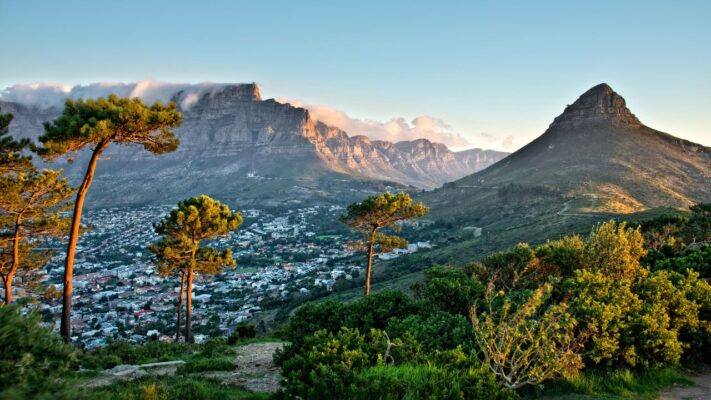
Discover Signature South Africa Experiences






Sean Lues
Award Winning Safari Guide
Content by Award Winning Safari Guides
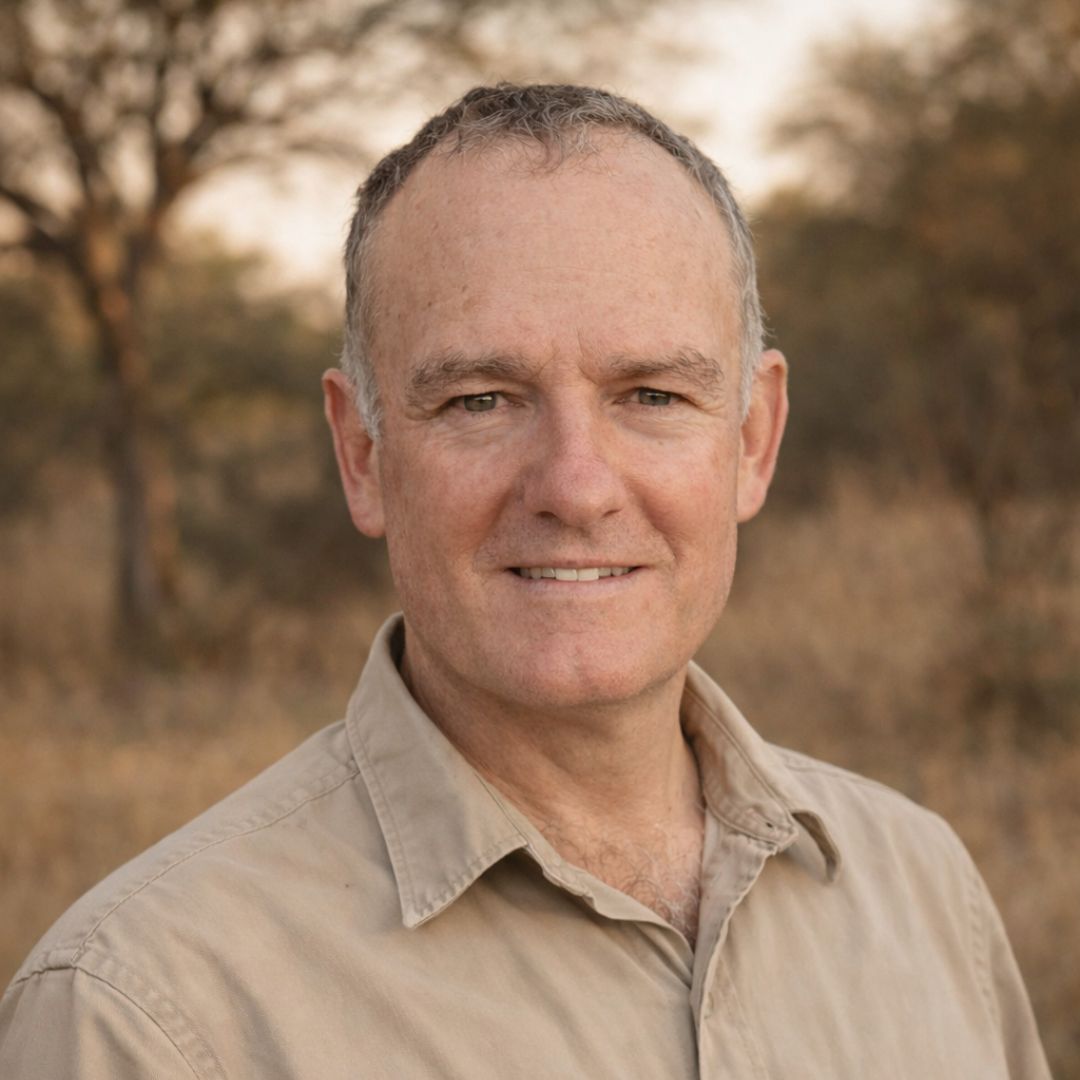
The content on African Signature Journeys is overseen by Sean Lues, an award-winning professional safari guide who was born and raised in Zimbabwe and has spent decades living, guiding, and managing safari operations across Africa.
Winner of the Zimbabwe Professional Guides Association Guide of the Year award, Sean is recognised for his deep knowledge of African wildlife, landscapes, and safari experiences. Now based in Australia, he combines firsthand African expertise with an understanding of what Australian travellers want from their safari adventure.
His experience helps ensure the information, recommendations, and insights shared by African Signature Journeys are practical, accurate, and based on real-world experience.