Safari Tipping in Zambia: Who to Tip, How Much, and How It Works
Our complete safari tipping guide covers the framework that applies across all of Africa. Zambia has a distinct identity within that framework, one shaped by the walking safari, by remote bush camps, and by a guiding culture that is widely regarded as among the finest in Africa.
Zambia is where the walking safari was pioneered. Norman Carr led the first commercial walking safaris in South Luangwa in the 1950s. That tradition endures. Guides here train for years before they are licensed to lead guests on foot in active wildlife areas. The qualification standards are rigorous. The result is a guiding culture that combines deep ecological knowledge with genuine personal courage.
When you tip in Zambia, you are acknowledging that. The amounts reflect it too.
The Safari Model in Zambia: What Shapes Tipping Here
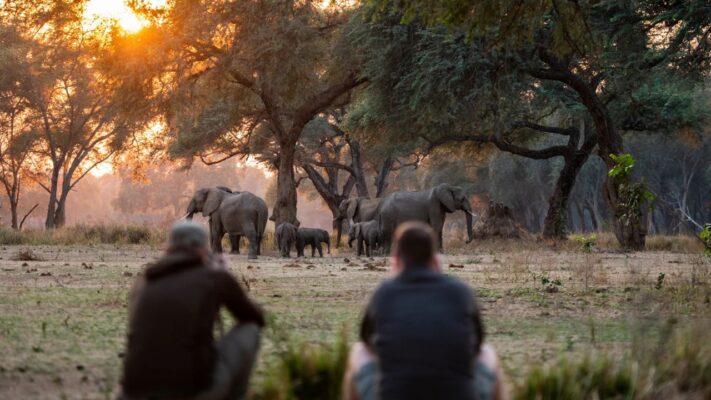
Zambia’s premier safari destinations, South Luangwa, Lower Zambezi, North Luangwa, Kafue, are characterised by small, intimate bush camps with limited guest numbers. Many camps operate with fewer than ten beds. The guiding ratio is high. Your experience is personal.
The walking safari is the signature activity. Most Zambia itineraries combine morning and evening game drives with morning bush walks. The walk is led by a professional guide and typically accompanied by an armed national park scout. These are two separate roles, two separate tips.
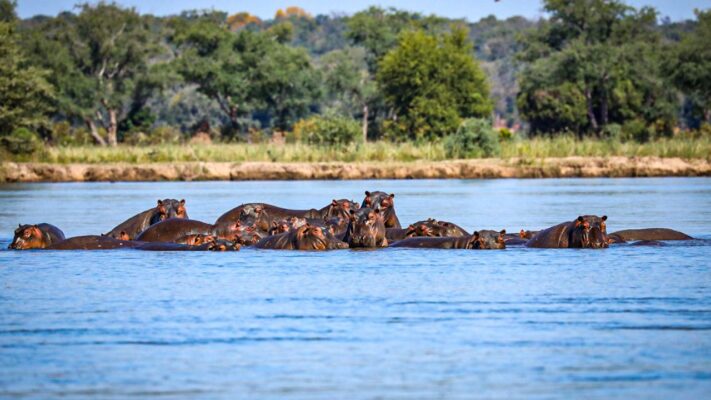
Some Lower Zambezi camps also offer canoe safaris, paddling the river alongside hippos and crocodiles, viewing wildlife from water level. Canoe guides are a specialist role, tipped separately from your camp guide.
Who to Tip in Zambia
Amounts below come from African Signature Journeys’ Zambia-specific tipping guidelines.
Safari Guide — Group Game Drive and Walking Safari
USD $10–$20 per person per day, tipped directly at the end of your stay. Your Zambian guide is likely to be among the most qualified bush professionals you will encounter on any African safari. Walking safari guiding in active wildlife areas demands a level of skill and accountability that goes beyond vehicle-based guiding. Tip at the higher end of the range for a guide who led exceptional walks.
Safari Guide — Private Vehicle
USD $80–$120 per vehicle per day, split among the booking party. Zambia’s small camps mean private vehicles are common on bespoke itineraries.
Armed National Park Scout
USD $5–$10 per person per walk, tipped directly and separately from the guide. The armed scout accompanies every walking safari by law. Their role is protective, of guests, against dangerous wildlife. They are a UWA equivalent, a national parks employee, and they are easily overlooked in the tipping moment. Do not overlook them.
Tracker / Spotter
USD $5–$10 per person per day, tipped directly. Some Zambia camps use a dedicated tracker on game drives in addition to the guide. Where present, tip separately.
Canoe Guide
USD $5–$10 per person per activity, paid directly after the canoe safari. The Lower Zambezi is one of Africa’s great river safari experiences, hippos surfacing alongside your canoe, elephants drinking on the bank, the Zimbabwean escarpment in the distance. The guides who run these experiences are highly skilled and tip-deserving.
Game Lodge General Staff
USD $10–$20 per person per day, deposited in the communal tip box at reception. Zambia’s remote bush camps run on a small, tight team. Every member of the back-of-house staff contributes to an experience that feels effortless because of significant effort behind the scenes.
Private Butler
USD $10–$15 per person per day, handed directly on departure.
Transfer Driver
USD $3–$5 per person per transfer. Transfers in Zambia between Lusaka, Mfuwe, or between camps can involve long road sections on unsealed tracks.
Baggage Porter
USD $1–$2 per bag, paid directly on delivery.
Spa or Massage Therapist
USD $5 per treatment, paid directly after.
Meals at Restaurants
10–15% of the bill in Lusaka. Check whether a service charge is included.
Currency in Zambia: What to Use
US Dollars Are Standard
US dollars are the accepted tipping currency across Zambia’s safari camps. The same quality rules apply, clean, unfolded, printed after 2006. Bring small denominations.
A Specific Legal Note on Zambia
Zambia’s legal tender laws require that change from commercial transactions be issued in Kwacha (ZMW). This means that if you use a larger note for a purchase in a shop or café, any change must come back to you in local currency. Carry exact amounts for tips to avoid accumulating Kwacha you cannot easily convert later.
Zambian Kwacha for Local Transactions
In Lusaka and Livingstone, the gateway town for Victoria Falls, Kwacha is practical for restaurants, local guides, and incidental service. Convert a small amount on arrival for these purposes.
Practical Protocol: How to Tip in Zambia
Tip at the End of Each Camp Stay
Zambia itineraries often involve two or three camps, a common combination is South Luangwa followed by Lower Zambezi. Tip at the end of each camp stay, not at the end of the overall trip.
Walking Safari Protocol
At the end of a walking safari, you return to camp or the vehicle. The natural moment to tip the armed scout is as the walk concludes at the trailhead. Tip the guide at checkout as normal at the end of your full stay.
Prepare Your Envelopes Before Departure Morning
Bush camps in Zambia often have very early departures for light aircraft connections. Prepare envelopes the night before, guide, scout (if walking safaris were part of the programme), communal staff, and any canoe guide if that activity falls on your last day.
Tipping After Exceptional Walks
If a guide led you through something genuinely extraordinary, a lion hunt on foot, a close elephant encounter managed with calm skill, a three-hour walk that revealed the bush in a way that changed how you see Africa, tip beyond the standard range. It is one of the most direct ways to acknowledge excellence.
Tipping in Zambia as an Australian Traveller
Zambia is not the most obvious first choice for Australian travellers new to Africa, it sits deeper into the continent, requires more connections, and lacks the name recognition of Kenya or South Africa. Those who make the journey tend to be experienced safari travellers, or those who have been advised by someone with genuine Africa knowledge.
The camps are smaller. The guiding is deeper. The experience is more intimate and more demanding than many other African destinations. Tipping reflects that, both in the amounts and in the number of specific roles involved.
African Signature Journeys has been designing Zambia itineraries for clients who want to go beyond the obvious. We cover tipping preparation in every pre-departure briefing, so you arrive knowing exactly who to tip, when, and with what.
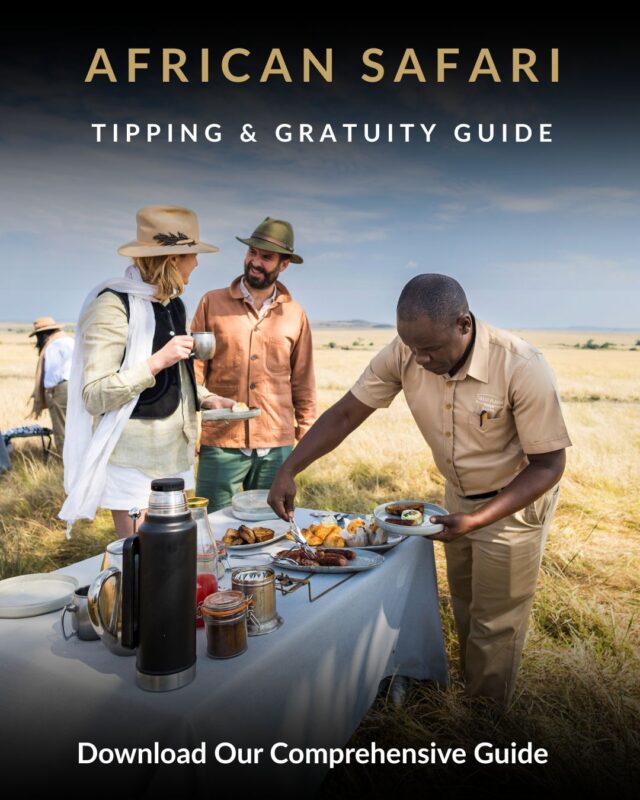
You can download our African Safari Tipping & Gratuity Guide for a comprehensive understanding of tipping customs and protocols in Africa
To talk through a Zambia safari, reach out to the team.
In This Series
- Safari Tipping in Africa: The Complete Guide
- Safari Tipping in Botswana
- Safari Tipping in Kenya
- Safari Tipping in Tanzania
- Safari Tipping in Uganda
- Safari Tipping in Zambia (You are here)
- Safari Tipping in Zimbabwe
- Safari Tipping in Namibia
- Safari Tipping in South Africa
Discover Signature Zambia Experiences
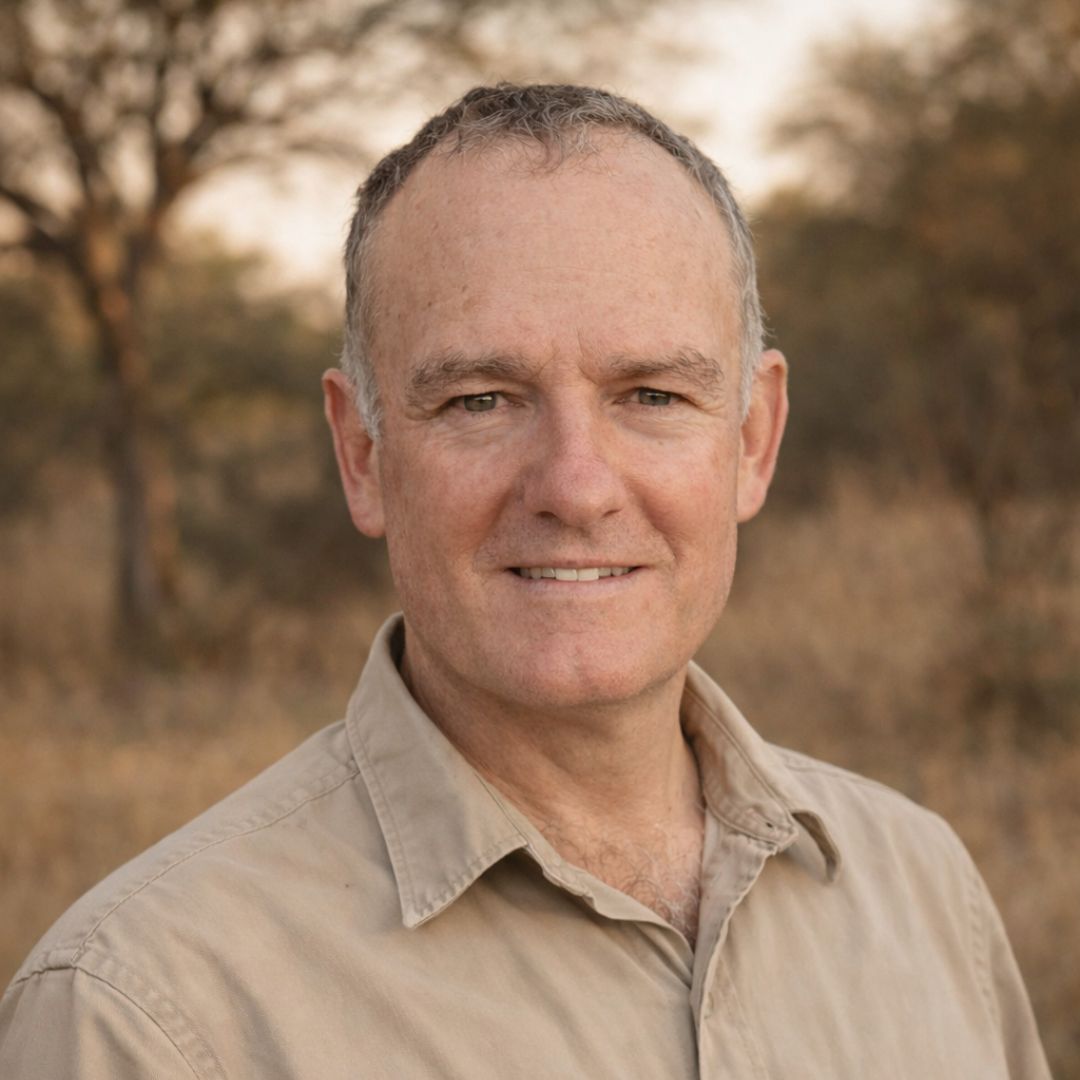
Sean Lues
Award Winning Safari Guide
Content by Award Winning Safari Guides
The content on African Signature Journeys is overseen by Sean Lues, an award-winning professional safari guide who was born and raised in Zimbabwe and has spent decades living, guiding, and managing safari operations across Africa.
Winner of the Zimbabwe Professional Guides Association Guide of the Year award, Sean is recognised for his deep knowledge of African wildlife, landscapes, and safari experiences. Now based in Australia, he combines firsthand African expertise with an understanding of what Australian travellers want from their safari adventure.
His experience helps ensure the information, recommendations, and insights shared by African Signature Journeys are practical, accurate, and based on real-world experience.