Safari Tipping in Tanzania: Who to Tip, How Much, and How It Works
Our complete safari tipping guide covers the framework that applies across all of Africa. Tanzania warrants its own deep look. This is one of the most safari-rich countries on the continent, home to the Serengeti, the Ngorongoro Crater, Tarangire, Lake Manyara, and some of Africa’s last truly remote wilderness areas like Ugalla and Ruaha.
Tipping is a deeply embedded custom throughout Tanzania. The guiding culture is strong and well-trained. The camps range from high-volume national park lodges to intimate private concession tented camps with three or four units. Each type of property has slightly different conventions, but the underlying framework is consistent.
For Australian travellers, Tanzania is often the centrepiece of an East African itinerary, and understanding how to tip here ensures the entire journey runs smoothly.
The Safari Model in Tanzania: What Shapes Tipping Here
Tanzania’s safari circuit operates across two distinct environments. The northern circuit, Serengeti, Ngorongoro, Tarangire, Arusha, is the most visited and the most internationally recognised. The southern and western circuits, Selous, Ruaha, Mahale, Ugalla, are wilder, more remote, and attract travellers seeking a less travelled experience.
In the northern circuit, some camps accommodate larger groups and multiple vehicles. In private concessions within the Serengeti, the Lamai Wedge, Wogakuria, Kogatende, only a handful of camps operate and vehicle numbers are strictly controlled. In the remote south and west, you may be the only guests at a camp for days at a time.
This context matters for tipping. Remote, private, and exclusive properties warrant tipping at the higher end of the range. The guide who is running game drives in a private concession with one vehicle is not pooling tips from a busier property. Acknowledge that.
Who to Tip in Tanzania
Amounts below are drawn from African Signature Journeys’ Tanzania-specific tipping guidelines.
Safari Guide — Group Game Drive
USD $10–$20 per person per day, tipped directly at the end of your stay. Tanzania’s northern circuit guides navigate challenging terrain, volcanic plains, seasonal floodplains, crater descent roads, while managing guest safety and delivering exceptional wildlife interpretation. Tip at the end of each camp stay, in a prepared envelope, handed directly.
Safari Guide — Ultra-Luxury or Extended Private Hire
USD $80–$120 per day for extended private hire, or up to USD $100 per day for an ultra-luxury property where service levels are exceptional. Split among the booking party.
Tracker / Spotter
USD $5–$15 per person per day, tipped directly and separately from the guide. Trackers are used in Tanzania’s private concessions more commonly than in the higher-traffic national park areas. Where present, tip them separately, never through the communal box.
Game Lodge General Staff
USD $10–$20 per person per day, deposited in the communal tip box at reception. This pool covers all back-of-house staff, chefs, housekeepers, laundry attendants, and maintenance crew.
Private Butler
USD $10–$15 per person per day, handed directly on departure.
Transfer Driver
USD $3–$5 per person per transfer. Transfers in Tanzania can cover significant distances, from Arusha to Tarangire, between Serengeti zones, or down to the coast for a Zanzibar extension. Acknowledge the effort and the skill required.
Baggage Porter
USD $1–$2 per bag, paid directly on delivery.
Spa or Massage Therapist
USD $5 per treatment at most Tanzania safari properties, paid directly after the treatment.
City or Cultural Guide in Arusha or Stone Town
USD $15–$20 per person for a full-day tour. Arusha is the gateway city for northern Tanzania safaris, and Stone Town on Zanzibar is a UNESCO-listed cultural landmark. Local guides in both are tipped directly at the end of the experience.
Meals at Restaurants
10% of the bill. Check whether a service charge is included, it often is at larger Arusha restaurants and Zanzibar beachside properties.
Currency in Tanzania: What to Use
US Dollars Are the Standard
US dollars are universally accepted at Tanzania’s safari camps and lodges. The same note quality rules apply here as across East Africa, clean, unfolded notes printed after 2006. Small denominations only: $1, $5, $10, and $20 bills. Avoid anything larger for tips.
Tanzanian Shillings for Local Tipping
For restaurants in Arusha, local guides, and any service outside the safari lodge environment, Tanzanian Shillings (TZS) are practical. Convert a small amount in Arusha or at Kilimanjaro International Airport for these purposes.
Remote Properties and Cash Logistics
Tanzania’s remote western and southern camps, Mahale, Ugalla, Katavi, are accessible only by light aircraft and have no reliable connectivity. Cash is the only viable tipping method. Plan ahead. Bring everything you need before you depart Arusha or Dar es Salaam.
Practical Protocol: How to Tip in Tanzania
Tip at the End of Each Camp Stay
Tanzania itineraries frequently move between multiple properties. Tip at the end of each stay, not at the end of the overall trip.
Prepare Envelopes Before Your Last Evening
Most Tanzania camps provide tipping envelopes. If yours does not, use plain envelopes labelled with the recipient. Prepare them the night before, not on the morning of departure when a 5am airstrip transfer allows no time.
Walking Safari Tips
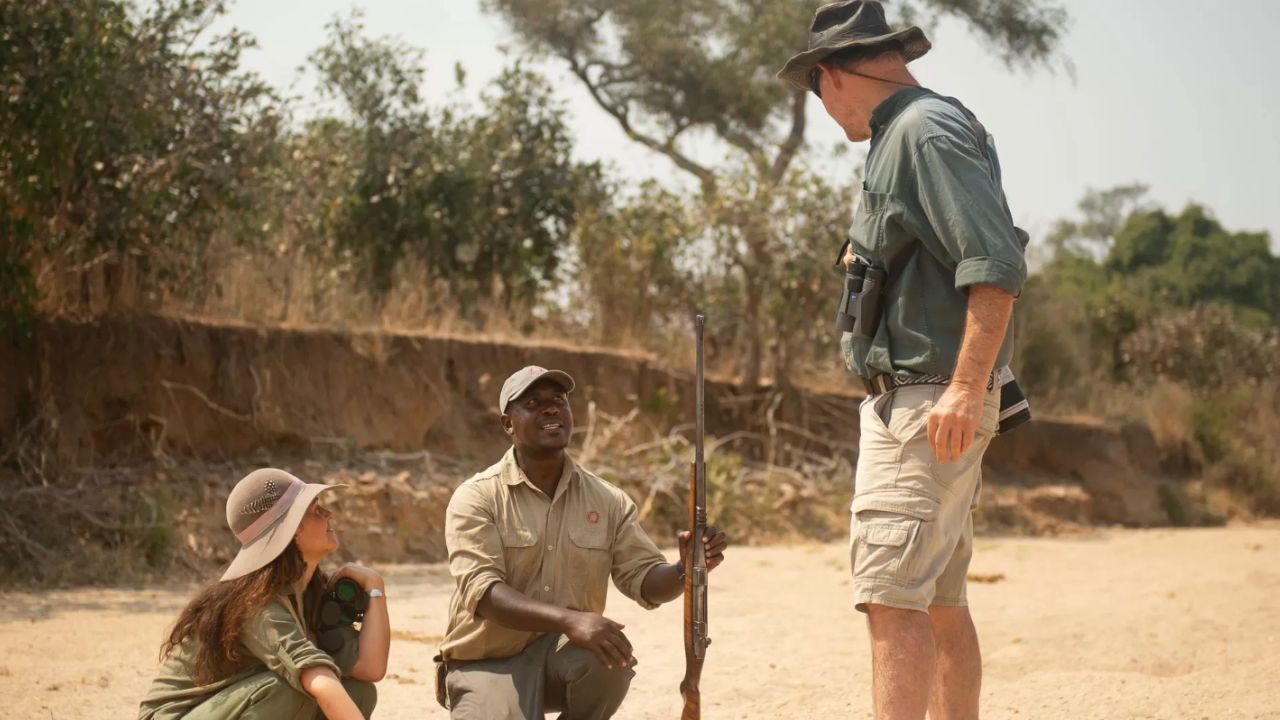
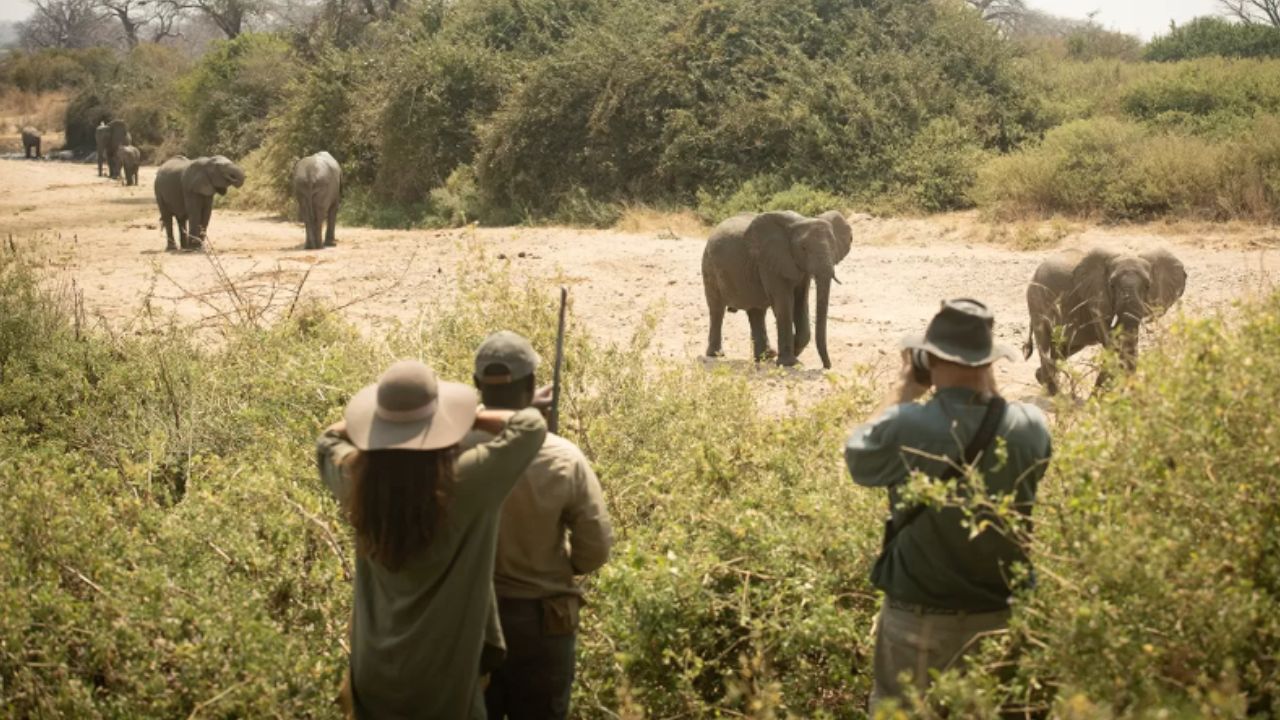
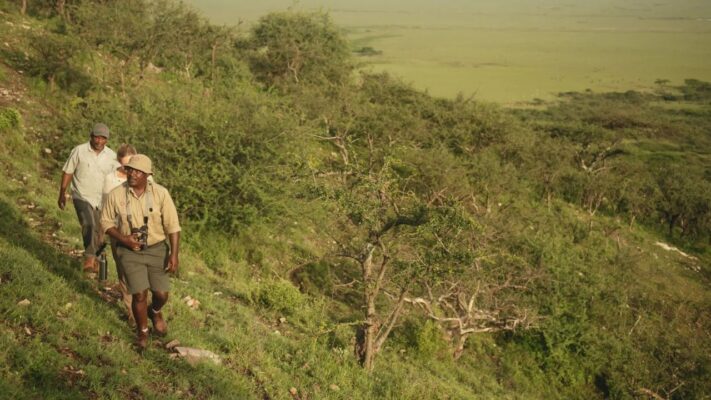
Tanzania has some extraordinary walking safari terrain, Ugalla, Selous, Ruaha. A professional walking guide carries greater responsibility than a vehicle guide. They are leading guests on foot through active wildlife areas. Tip at the standard guide rate or above, and if an armed escort accompanies the walk, tip them separately at USD $5–$10 per person per walk.
Zanzibar Extension Tipping
Many Australian travellers finish a Tanzania safari with a few nights in Zanzibar. Beach resort tipping follows different conventions, it is less formalised, less expected, and usually limited to restaurant tipping at 10% and a small acknowledgement for exceptional personal service. The per-person-per-day safari framework does not apply at beach properties.
Tipping in Tanzania as an Australian Traveller
Tanzania is a long way from Australia. The journey typically routes through the Middle East or Asia, and most travellers arrive having spent considerable time in transit before setting foot in the Serengeti. The camps that receive you, often in extraordinary, remote locations, are operated by teams who have worked hard to make something seamless out of a genuinely difficult logistical environment.
Tip for that. Not just for the game drives and the guiding, but for the whole invisible apparatus that makes a remote tented camp function.
Many Australian travellers pair Tanzania with Kenya, following the Great Migration across both sides of the ecosystem. Others combine it with Zanzibar for a beach finish. Both are natural pairings. Each has tipping customs covered in their own country guides, or in the complete downloadable PDF.
You can download our African Safari Tipping & Gratuity Guide for a comprehensive understanding of tipping customs and protocols in Africa
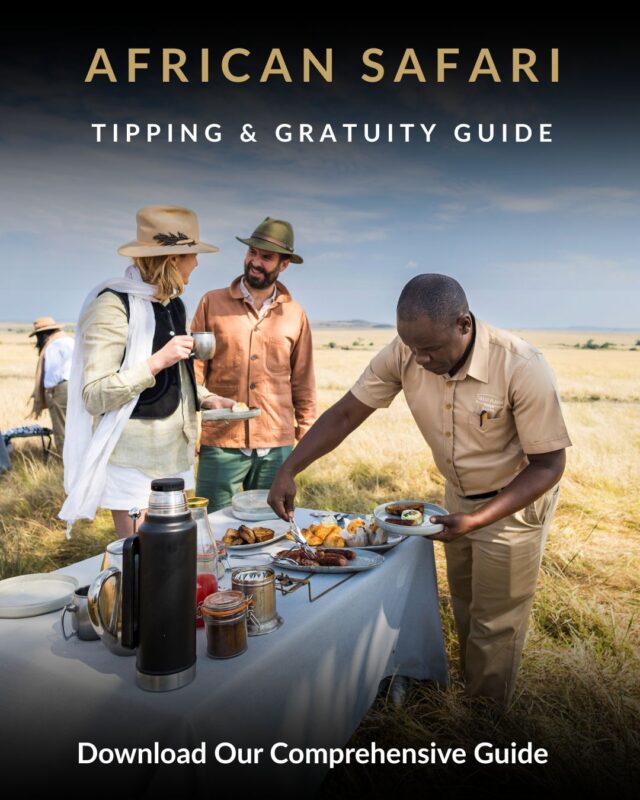
To plan your Tanzania safari and talk through tipping as part of the preparation, reach out to the African Signature Journeys team.
In This Series
- Safari Tipping in Africa: The Complete Guide
- Safari Tipping in Botswana
- Safari Tipping in Kenya
- Safari Tipping in Tanzania (You are here)
- Safari Tipping in Uganda
- Safari Tipping in Zambia
- Safari Tipping in Zimbabwe
- Safari Tipping in Namibia
- Safari Tipping in South Africa
Discover Signature Tanzania Experiences
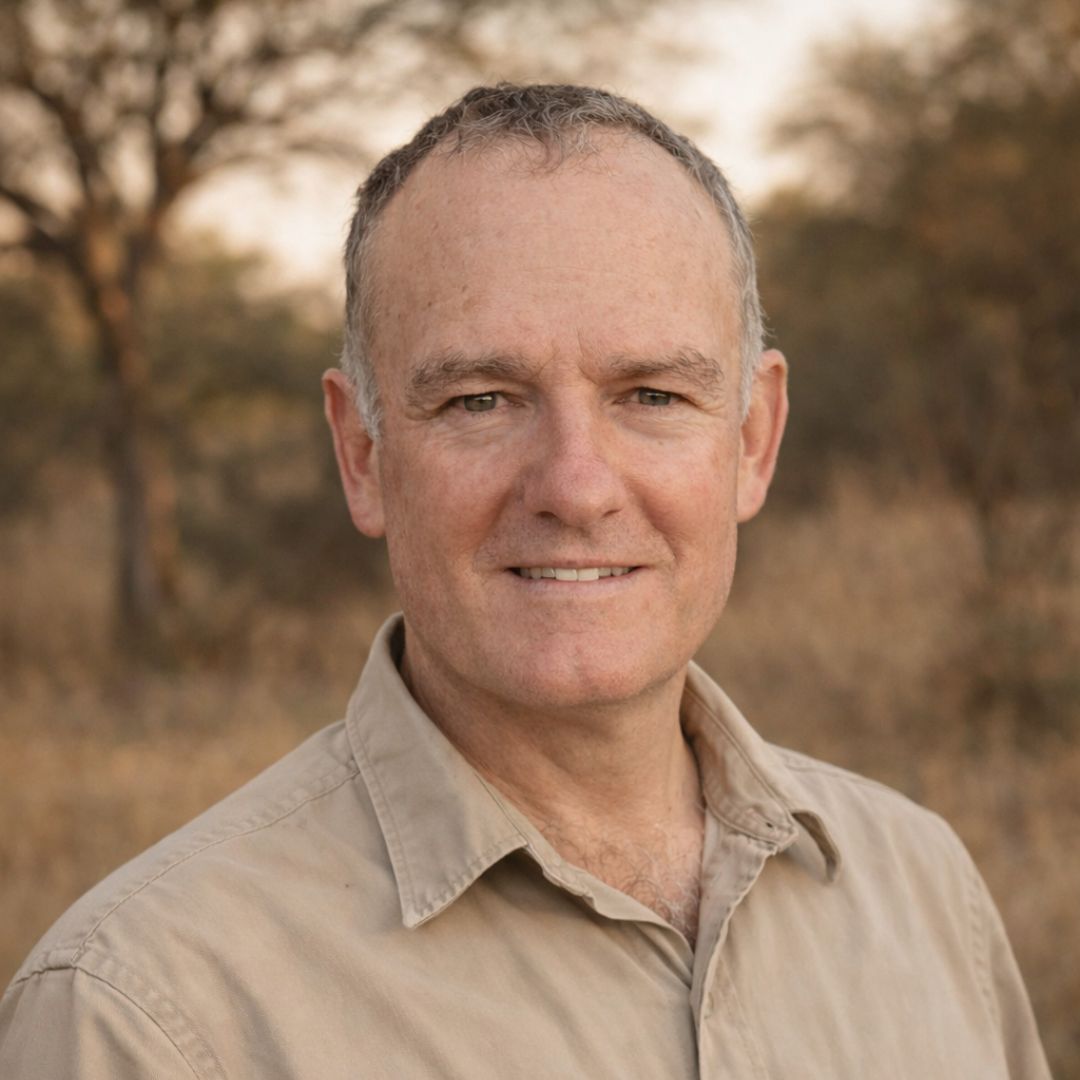
Sean Lues
Award Winning Safari Guide
Content by Award Winning Safari Guides
The content on African Signature Journeys is overseen by Sean Lues, an award-winning professional safari guide who was born and raised in Zimbabwe and has spent decades living, guiding, and managing safari operations across Africa.
Winner of the Zimbabwe Professional Guides Association Guide of the Year award, Sean is recognised for his deep knowledge of African wildlife, landscapes, and safari experiences. Now based in Australia, he combines firsthand African expertise with an understanding of what Australian travellers want from their safari adventure.
His experience helps ensure the information, recommendations, and insights shared by African Signature Journeys are practical, accurate, and based on real-world experience.