South Africa’s Malaria-Free Safaris: What You Need to Know Before You Book
South Africa holds a distinction no other African safari destination can claim. It is the only country on the continent with certified, year-round malaria-free safari regions offering the full Big Five experience. For many Australian travellers, that changes everything.
Malaria is a serious, sometimes fatal mosquito-borne illness. Preventative medication exists, but it carries side effects and real limitations on who can take it. Pregnant women and babies under five months should avoid all antimalarial drugs. Children require weight-adjusted doses of specific medications. Some travellers on prescription medications face drug interactions. Others simply prefer not to manage a daily pill routine throughout their holiday.
South Africa offers a genuine alternative. Its malaria-free wilderness areas are classified as such because the specific conditions that allow malaria transmission, warm, humid lowland environments and the right mosquito species, are absent. Higher altitude, drier climate, and cooler temperatures prevent the Anopheles mosquito from surviving in sufficient numbers to sustain the disease. No antimalarial medication is required. Insect repellent and sensible precautions still apply, but the malaria calculation drops off the table entirely.
The wildlife in these areas is not a compromise. Some of South Africa’s most impressive private reserves sit entirely within malaria-free zones.
Why South Africa Stands Apart
Malaria transmission is widespread across sub-Saharan Africa. Even destinations marketed as low-risk — parts of the Kenyan highlands, for example, carry seasonal risk during wetter months. South Africa is genuinely different. International health authorities recognise its malaria-free safari regions as such. This is not lodge marketing language.
The principal malaria-risk zones within South Africa are the northeastern lowveld — the greater Kruger National Park and surrounding bushveld, and parts of KwaZulu-Natal’s north coast. Those areas produce exceptional safaris. They also sit firmly in the risk column. Every destination covered in this guide sits outside it.
Discover Signature South Africa Experiences
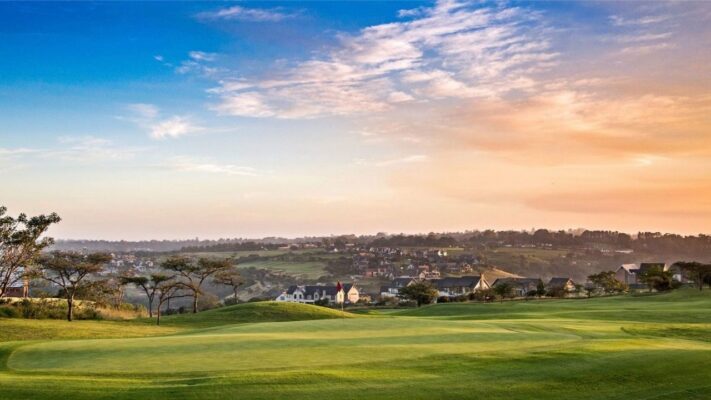


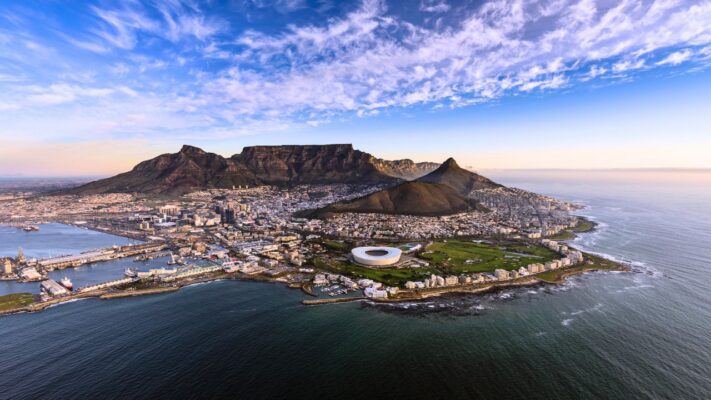
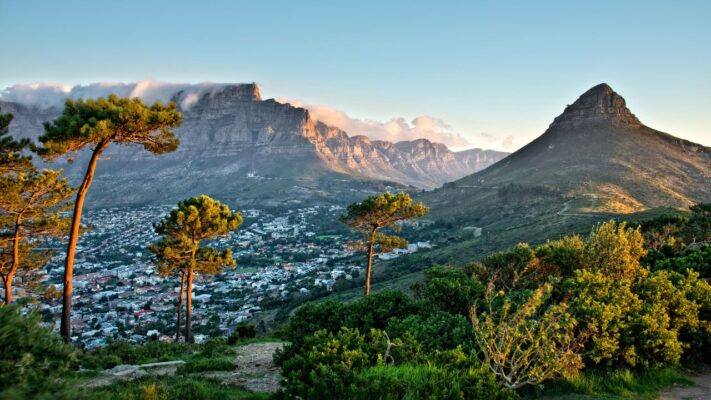
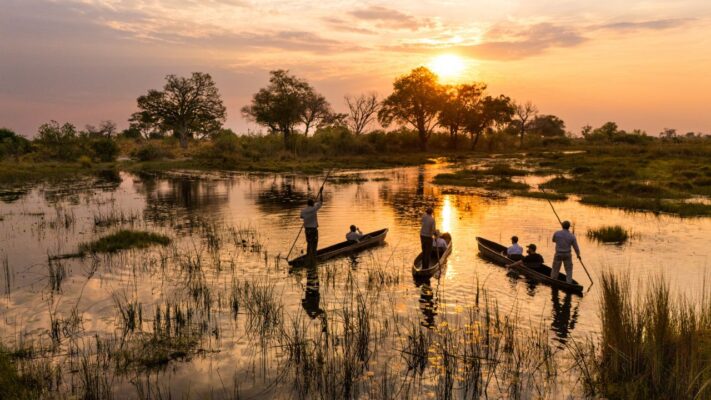


The Four Main Malaria-Free Safari Regions
The Eastern Cape
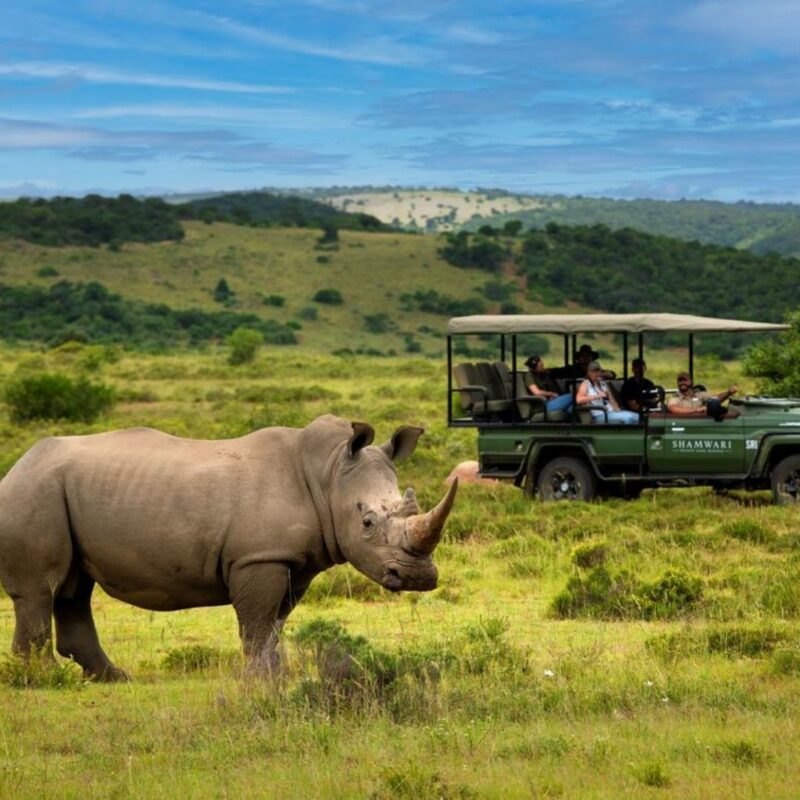
The Eastern Cape is South Africa’s most accessible malaria-free safari destination for travellers combining a safari with Cape Town and the Garden Route. A cluster of private reserves, Shamwari, Kwandwe, Kariega, and Amakhala, occupies rewilded farmland within two to three hours of Port Elizabeth (Gqeberha). Farmers reclaimed this land for conservation beginning in the late 1990s. Today it holds some of the finest private game reserves on the continent.
Shamwari covers 25,000 hectares and carries the Big Five alongside wild dog, cheetah, hippo, giraffe, and zebra. Kwandwe follows the Great Fish River across 22,000 hectares and earns particular respect for cheetah sightings and endangered blue crane populations. Kariega encompasses five distinct ecosystems within 10,000 hectares. Amakhala brings together multiple farming families across 7,000 hectares with nine separate lodge options.
We explore the Eastern Cape reserves in full detail in Hub 1: Malaria-Free Safari: Eastern Cape, South Africa.
Madikwe Game Reserve
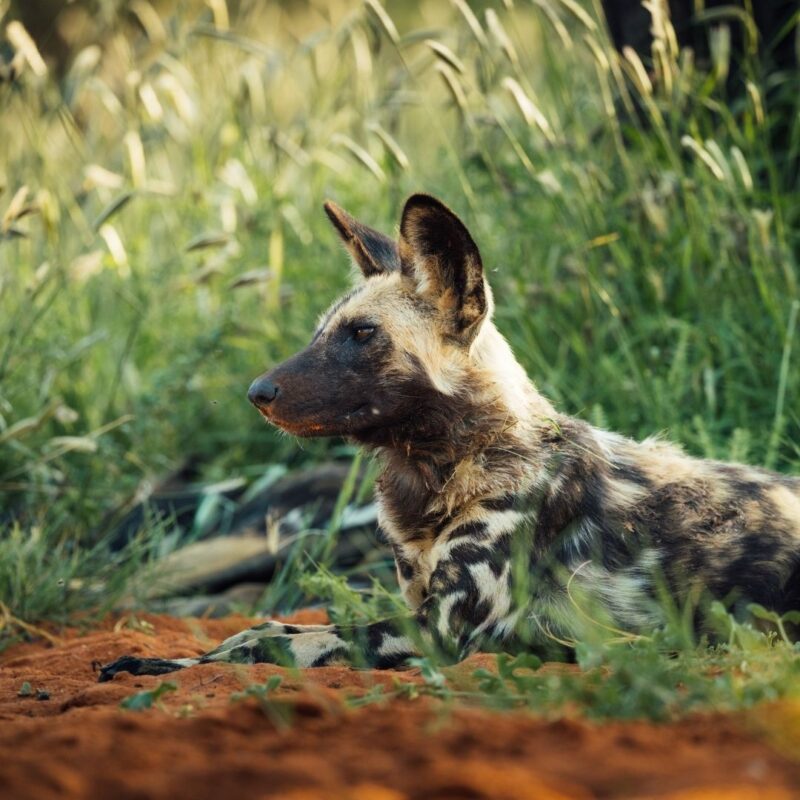
Madikwe is the gold standard of malaria-free safari in South Africa. At 75,000 hectares, it is one of the country’s largest private reserves. It holds the Big Five, established packs of African wild dog, cheetah, and the rarely seen brown hyena. No other malaria-free reserve in South Africa carries that combination.
Operation Phoenix, one of the largest wildlife translocation projects ever undertaken, restocked the reserve with more than 8,000 animals after its establishment in the 1990s. The reserve operates as a partnership between the North West Parks Board, lodge owners, and surrounding communities. Its 22 lodges maintain strict guest limits, keeping the experience intimate and the game drives uncrowded.
Madikwe sits four to five hours from Johannesburg by road, or under two hours by light aircraft. We cover it in full in Hub 2: Malaria-Free Safari: Madikwe Game Reserve.
The Waterberg
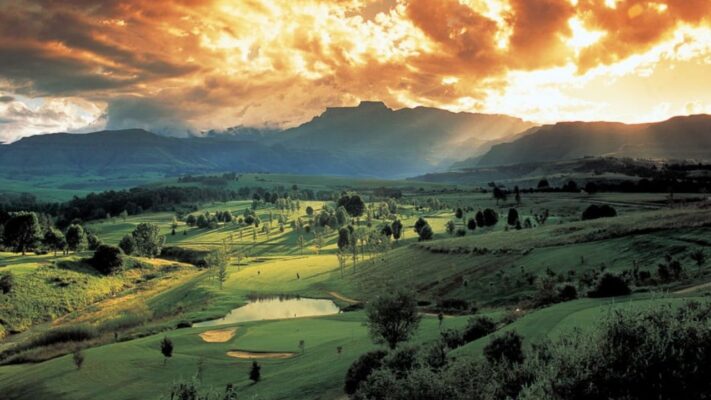
The Waterberg is a UNESCO Biosphere Reserve of sandstone escarpments, deep ravines, and sweeping plateaus roughly two and a half hours north of Johannesburg. It looks unlike anything else in South African safari country.
Welgevonden Private Game Reserve (37,000 hectares) operates on a fully private basis, no public access, very few vehicles. Marakele National Park (67,000 hectares) carries the Big Five and hosts one of the world’s largest Cape vulture colonies, with up to 800 breeding pairs nesting on its cliff faces. Both reserves offer Big Five game drives and excellent guided walks across dramatic terrain.
We cover the Waterberg in detail in Hub 3: Malaria-Free Safari: Waterberg, South Africa.
Tswalu Kalahari
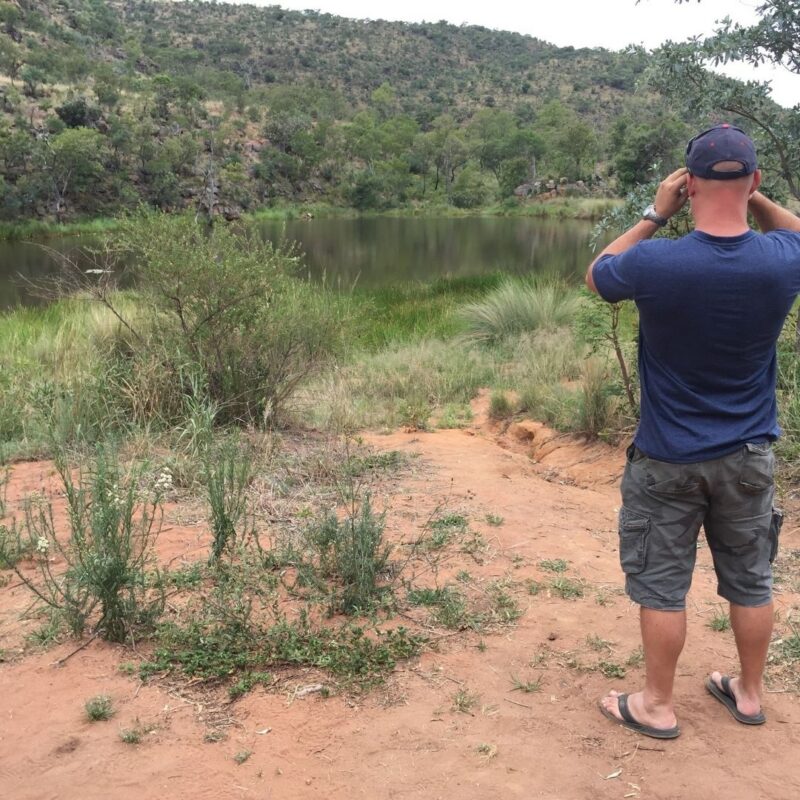
Tswalu is South Africa’s largest private reserve, covering more than 100,000 hectares of southern Kalahari. It operates at the highest end of the market, no more than 40 guests on the property at any time. Travellers come here for species found almost nowhere else: pangolin, aardwolf, black-maned Kalahari lion, brown hyena, and habituated meerkats. The desert landscape, the quality of light, and the near-total absence of other visitors make Tswalu an experience in its own category.
We cover Tswalu in full in Hub 4: Malaria-Free Safari: Tswalu Kalahari.
Who Benefits Most from a Malaria-Free Safari
Families with young children gain the most obvious advantage. Children under five face the highest risk of severe malaria outcomes. Some antimalarial medications are not appropriate for small children at all. A malaria-free reserve removes that concern entirely and allows children to participate in every activity without restriction.
Pregnant women and those breastfeeding cannot take most antimalarial drugs. Health authorities strongly advise them to avoid malaria zones. A malaria-free South African safari is the only way to have an authentic Big Five experience without that risk.
Travellers on prescription medications should always check for interactions with antimalarials before booking any malaria-zone safari. Choosing a malaria-free destination removes the issue.
First-time safari travellers often appreciate the simplicity. Removing the malaria question from the planning reduces cost, reduces complexity, and lets the focus remain on the experience itself.
Some travellers have had difficult reactions to antimalarial drugs in the past. Side effects can include insomnia, vivid dreams, heightened sun sensitivity, and nausea. Doxycycline, mefloquine, and atovaquone-proguanil each carry different risk profiles. The calculation is personal and worth making carefully.
What Malaria-Free Does Not Mean
Malaria-free does not mean mosquito-free. Insects are present in every African wilderness. Repellent, long sleeves after dark, and sensible precautions still apply. Comprehensive travel insurance including emergency medical evacuation is essential for any African itinerary regardless of malaria status.
Parts of Kruger, greater KwaZulu-Natal, and Mozambique carry malaria risk. Those areas frequently appear in South Africa itineraries. The malaria-free classification applies to specific reserves, not to South Africa as a whole.
How to Combine These Regions with a Broader South Africa Trip
The Eastern Cape connects seamlessly with Cape Town and the Garden Route. A standard two-week itinerary runs: four nights in Cape Town, three nights along the Garden Route, then three to four nights at a reserve near Gqeberha before flying home. It covers South Africa’s two most celebrated drawcards without doubling back.
Madikwe pairs naturally with Johannesburg as a first or last leg. A light aircraft charter from OR Tambo takes under two hours and avoids a long road transfer.
The Waterberg works well as a Johannesburg add-on. Three nights at Welgevonden or Marataba, followed by a road transfer or short flight to OR Tambo, closes a trip cleanly.
Tswalu combines most naturally with Cape Town or Johannesburg and requires a charter flight. It suits travellers who want a premium standalone wilderness experience.
When to Visit
The dry season runs from May through September. Vegetation thins, animals concentrate around water, and game viewing becomes more consistent across all four regions. Temperatures drop sharply at night in the Waterberg and Madikwe during June and July; warm layers on evening game drives are not optional.
The Eastern Cape performs well year-round. Summer months from October to April bring green landscapes, newborn animals, and migrant birdlife. Heat stays manageable compared to the lowveld.
Tswalu rewards a cooler-season visit. Desert light in May through August is extraordinary. Temperatures during the day are comfortable and the nights are clear.
Planning Your Trip from Australia
Most Australians route through Johannesburg, direct with Qantas or South African Airways, or via Dubai, Singapore, or Hong Kong. Johannesburg serves as the gateway to Madikwe, the Waterberg, and Tswalu. A short domestic connection reaches Gqeberha for the Eastern Cape reserves.
We have spent considerable time in all four of these regions and know the lodges that suit different traveller profiles, families, couples, multi-generational groups, and first-time safari travellers. The decision between a Kwandwe villa, a Madikwe tented camp, a Waterberg ridge lodge, or a Tswalu desert suite is not just logistical. It is a question of what kind of wilderness you want to wake up in.
If you are planning a malaria-free safari in South Africa, we would welcome the chance to work through the options with you.
Series Navigation
▶ Malaria-Free Safaris in South Africa: Complete Guide (You are here)
• Malaria-Free Safari: Eastern Cape, South Africa
• Malaria-Free Safari: Madikwe Game Reserve
• Malaria-Free Safari: Waterberg, South Africa
• Malaria-Free Safari: Tswalu Kalahari
Sean Lues
Award Winning Safari Guide
Content by Award Winning Safari Guides
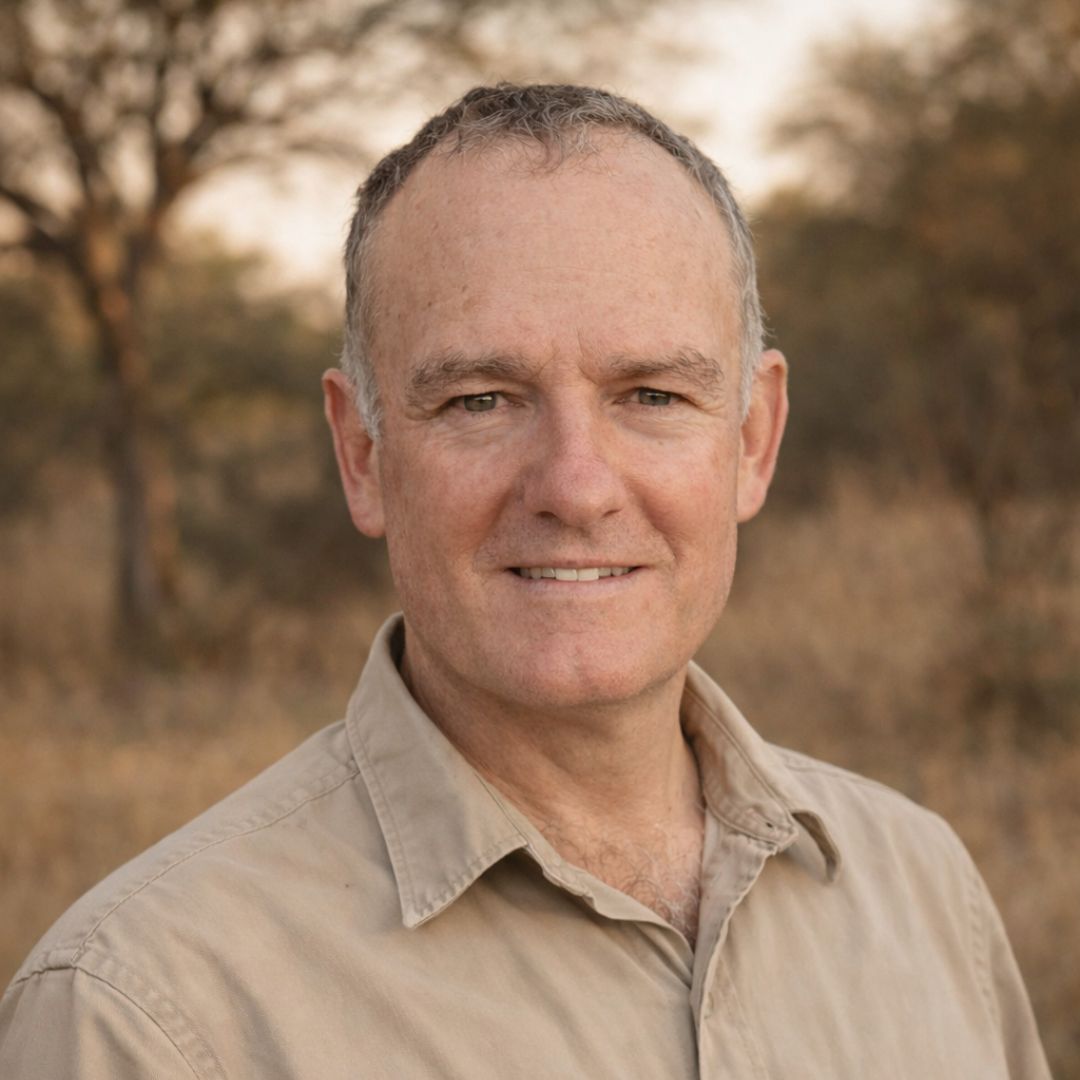
The content on African Signature Journeys is overseen by Sean Lues, an award-winning professional safari guide who was born and raised in Zimbabwe and has spent decades living, guiding, and managing safari operations across Africa.
Winner of the Zimbabwe Professional Guides Association Guide of the Year award, Sean is recognised for his deep knowledge of African wildlife, landscapes, and safari experiences. Now based in Australia, he combines firsthand African expertise with an understanding of what Australian travellers want from their safari adventure.
His experience helps ensure the information, recommendations, and insights shared by African Signature Journeys are practical, accurate, and based on real-world experience.