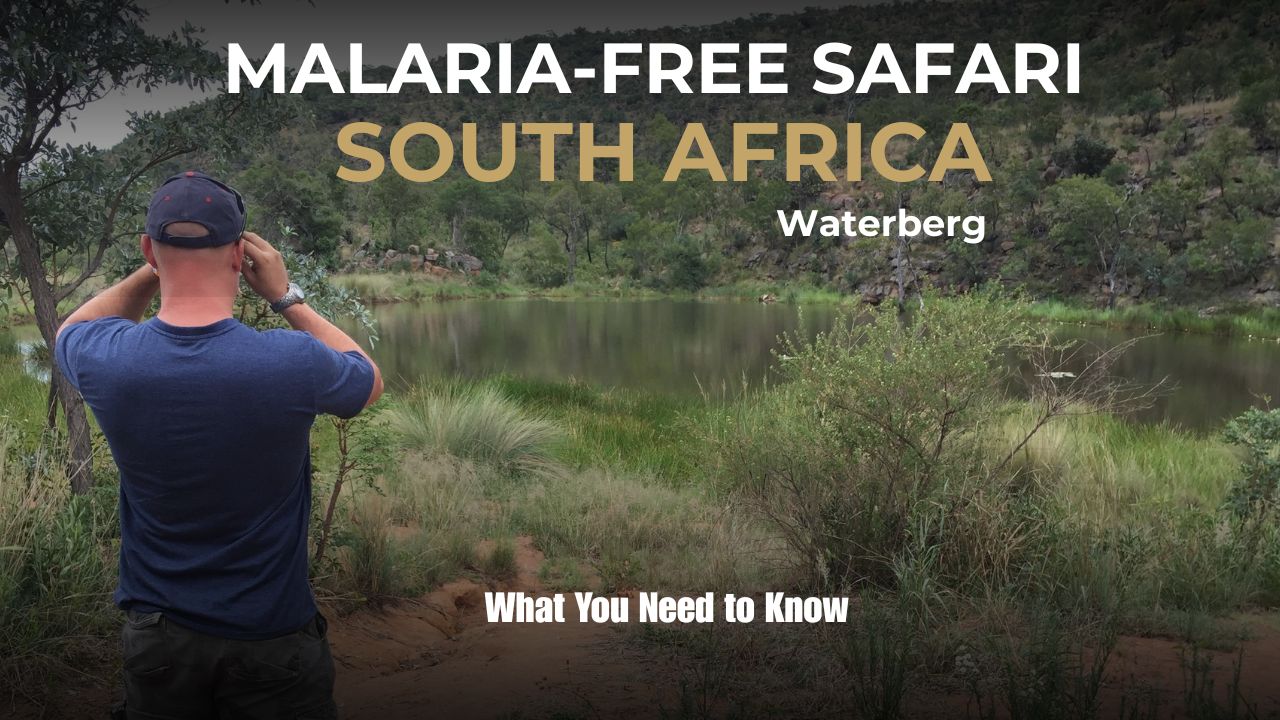
The Waterberg: Where Malaria-Free Safari Country Gets Dramatic
Our complete guide to malaria-free safaris in South Africa covers four regions where you can experience the Big Five without antimalarial medication. The Waterberg is the one that most often reframes what people expect South African safari country to look like.
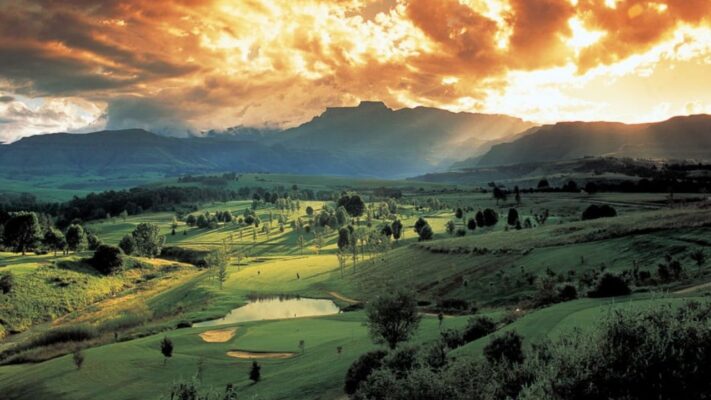
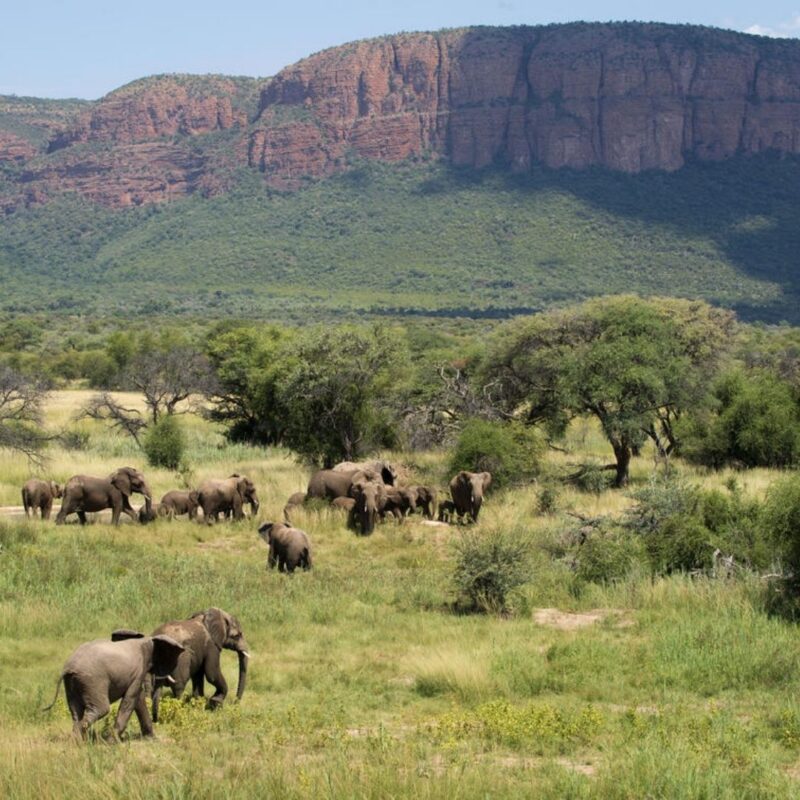
The Eastern Cape offers green hills, dense thicket, and river systems. Madikwe delivers sweeping savanna and acacia woodland. The Waterberg is something else. A sandstone plateau rises from the plains of Limpopo Province, cut by deep ravines, waterfalls, and cliff faces where Cape vultures move in their hundreds. Australians, accustomed to wide horizontal landscapes, often find the verticality unexpectedly affecting.
The Waterberg also sits two and a half to three hours by road from Johannesburg. That makes it the most accessible malaria-free Big Five destination from the city.
The UNESCO Biosphere
The Waterberg is a UNESCO Biosphere Reserve. The designation reflects genuine ecological significance. The sandstone plateau creates a complex series of microclimates and habitats, dry bushveld at lower altitudes, mesic grassland and pockets of fynbos at higher elevations. That variety produces a biodiversity unusual for any single area of comparable size.
The biosphere sits in a transition zone between South Africa’s moister east and drier west. Species from both lowveld and savanna habitats are present. The wildlife list covers the Big Five, substantial raptor populations, and herding animals across terrain dramatically different from anything in the Kruger ecosystem.
The two main safari destinations within the biosphere are Welgevonden Private Game Reserve and Marakele National Park. Each has a distinct character.
Welgevonden Private Game Reserve
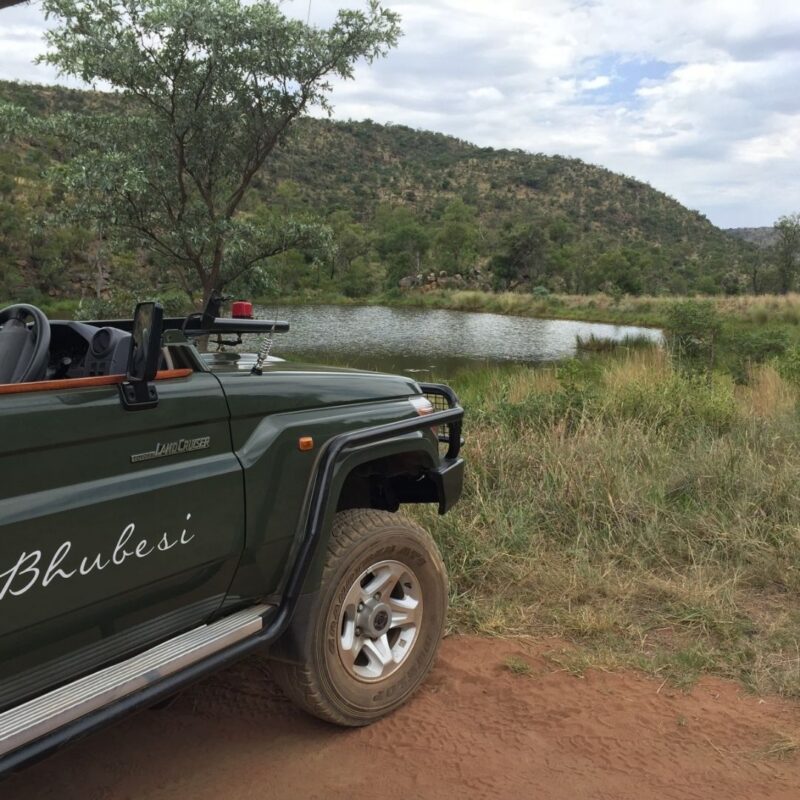
Welgevonden covers approximately 37,000 hectares. It operates on a fully private basis, no public access. Guests must stay in one of the reserve’s lodges to enter. That exclusivity keeps vehicle numbers very low. Encountering another vehicle on a morning game drive at Welgevonden is genuinely unusual.
The Big Five are present, including healthy populations of elephant, lion, and rhino. Lion sightings are consistently good. The landscape combines open plateau grassland, rocky ridgelines, and tree-lined drainage lines. Views from higher ground extend across the plateau in every direction.
Sediba Private Game Lodge has built a strong reputation for personal service and food quality within an intimate camp. Mhondoro Safari Lodge and Villa sits at the luxury end of the market, taking full advantage of the mountain backdrops. Several lodges offer walking safaris as a primary activity alongside game drives. The terrain rewards it, and guiding standards are strong.
Welgevonden is approximately two hours 45 minutes from Johannesburg by road. Light aircraft access is also available.
Marakele National Park
Marakele covers 67,000 hectares and is managed by SANParks, South Africa’s national conservation authority. The Big Five are present. The park carries particular significance for rhino: both white and black rhino are established here, and Marakele has served as an important refuge as poaching pressure has intensified in other reserves.
The Cape vulture colony is what Marakele is famous for. Up to 800 breeding pairs nest on the park’s cliff faces, one of the largest colonies in the world. Watching these birds, wingspan approaching three metres, catch thermals off the rock faces and ride them upward is an experience with very little equivalent anywhere in Africa.
Marakele’s mammal list extends well beyond the Big Five. Eland, sable, tsessebe, kudu, and mountain zebra move through the park in significant numbers. The topography creates habitat niches that sustain species absent from flat-country reserves.
The private concession within the park is Marataba, covering 23,000 hectares of the park’s finest game-viewing territory. Marataba Safari Lodge runs 15 canvas-and-stone tented suites above the open plains. Marataba Mountain Lodge caters to travellers who want challenging guided walks through serious wilderness. The exclusive-use Marataba Residence is available for private groups. Children of all ages are welcome at the safari lodge. The mountain lodge suits older teenagers and adults.
One activity at Marataba stands apart from anything in the other malaria-free regions: afternoon boat safaris on the Matlabas River. Elephants come down to drink. Hippos and crocodiles share the water. The perspective from the boat is entirely different from a game drive vehicle.
Walking in the Waterberg
The Waterberg is one of South Africa’s best environments for guided walking safaris. Visibility across open ground is good. Elevation changes allow you to read the landscape at distance. The absence of extreme lowveld heat makes walking comfortable across a longer season.
Both Welgevonden and the Marataba concession in Marakele include guided walks as part of their standard programme. For travellers whose interest in the bush extends beyond the game drive vehicle, the Waterberg rewards time on foot in ways that flatter, more heavily vegetated reserves do not.
The Night Sky
The Waterberg’s distance from major urban centres and its elevation produce some of the clearest dark skies in South Africa. Several lodges have built formal stargazing programmes around this. Marataba’s treehouse experience, a night spent in an elevated structure above the bush, includes guided stargazing as part of the programme. For Australians familiar with outback night skies, this is a context that will feel natural and be genuinely rewarding.
Combining the Waterberg with Other Destinations
The Waterberg’s proximity to Johannesburg makes it ideal at the beginning or end of a trip. Three nights at Welgevonden or Marataba followed by a road transfer or short flight to OR Tambo closes a South African journey cleanly.
The Waterberg pairs well with Madikwe, covered in Hub 2: Malaria-Free Safari: Madikwe Game Reserve. Both are reachable from Johannesburg. Together, they offer contrasting landscapes, mountain plateau versus open savanna, and a wildlife list that covers most of what malaria-free South Africa can deliver.
A Cape Town to Waterberg itinerary requires a domestic connecting flight through Johannesburg. It works well as part of a longer two-week trip.
When to Visit
May through September is prime time. Vegetation opens, animals concentrate at the water, and the air is clear. Mornings can be genuinely cold, pre-dawn game drives in June and July require proper layering. The dry-season light is exceptional for photography.
October through April brings summer rainfall, green landscapes, and significant midday heat. Birdlife reaches its peak as migrant species arrive. Game viewing requires more patience through the thicker vegetation. The landscape is at its most beautiful.
Access and Logistics
Welgevonden lodges arrange transfers from Johannesburg or accept self-drive guests. Marakele and the Marataba concession are accessible by road, approximately three hours from Johannesburg, or by light aircraft to a nearby airstrip. The tarred roads to the Waterberg are good and well-signed.
If you are weighing the Waterberg against the Eastern Cape, Madikwe, or Tswalu Kalahari, covered in Hub 4: Malaria-Free Safari: Tswalu Kalahari, we can work through the specifics in detail.
Series Navigation
• Malaria-Free Safaris in South Africa: Complete Guide
• Malaria-Free Safari: Eastern Cape, South Africa
• Malaria-Free Safari: Madikwe Game Reserve
▶ Malaria-Free Safari: Waterberg, South Africa (You are here)
• Malaria-Free Safari: Tswalu Kalahari
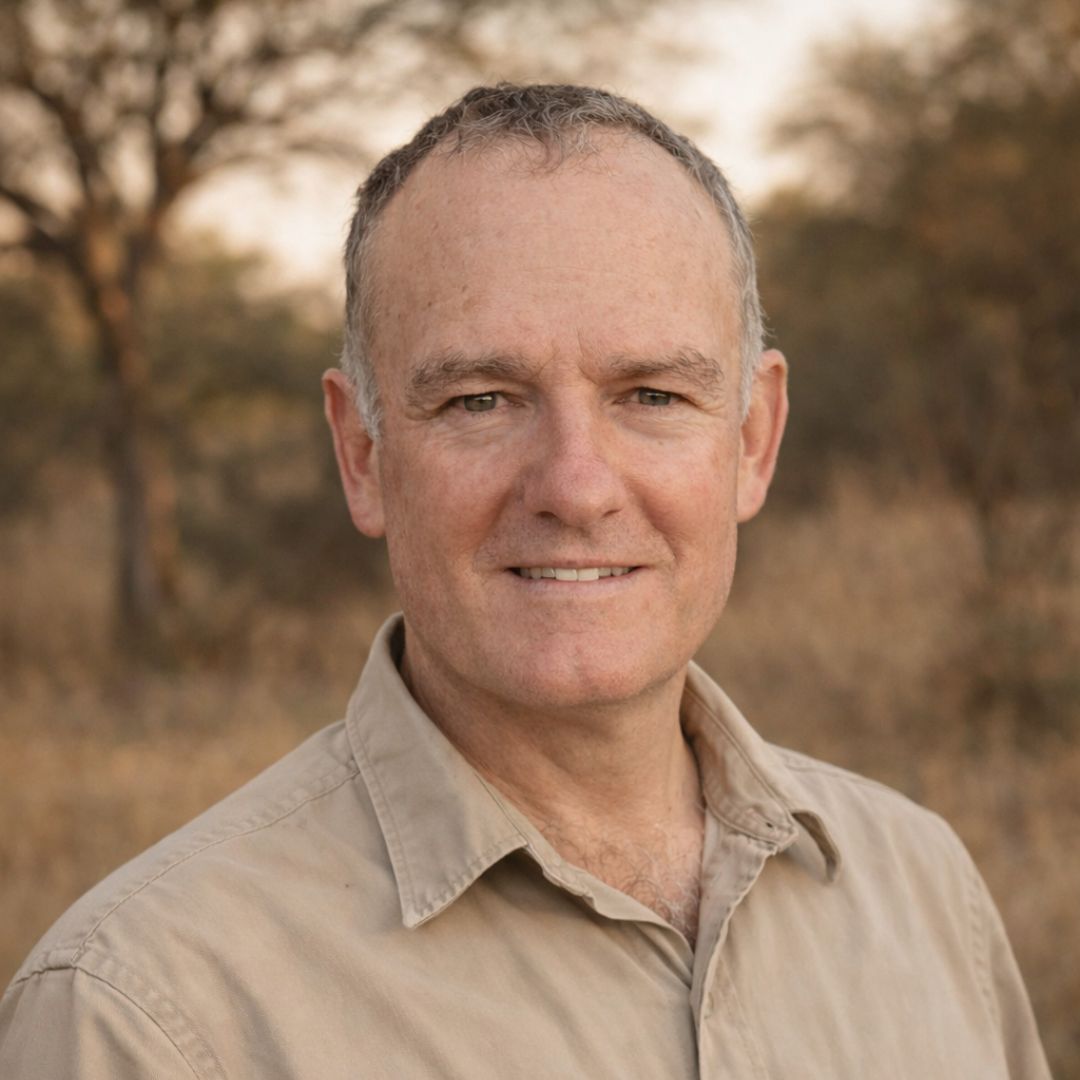
Sean Lues
Award Winning Safari Guide
Content by Award Winning Safari Guides
The content on African Signature Journeys is overseen by Sean Lues, an award-winning professional safari guide who was born and raised in Zimbabwe and has spent decades living, guiding, and managing safari operations across Africa.
Winner of the Zimbabwe Professional Guides Association Guide of the Year award, Sean is recognised for his deep knowledge of African wildlife, landscapes, and safari experiences. Now based in Australia, he combines firsthand African expertise with an understanding of what Australian travellers want from their safari adventure.
His experience helps ensure the information, recommendations, and insights shared by African Signature Journeys are practical, accurate, and based on real-world experience.