Safari Tipping in Kenya: Who to Tip, How Much, and How It Works
Our complete safari tipping guide covers the framework that applies across all of Africa. Kenya has its own character within that framework, a safari culture built on long-established traditions, exceptional guiding standards, and a landscape that ranges from the open savannah of the Masai Mara to the private conservancies bordering it and the dramatic scenery of Amboseli beneath Kilimanjaro.
Kenya is the destination that introduced the world to the African safari. Tipping is deeply woven into its service economy. The conventions are well established, the guiding culture is mature, and the expectations, while never pressure-driven, are clearly understood by everyone operating in the industry.
For Australian travellers, Kenya is often a first experience of African safari. Getting the tipping right from the start sets the tone for everything that follows.
The Safari Model in Kenya: What Shapes Tipping Here
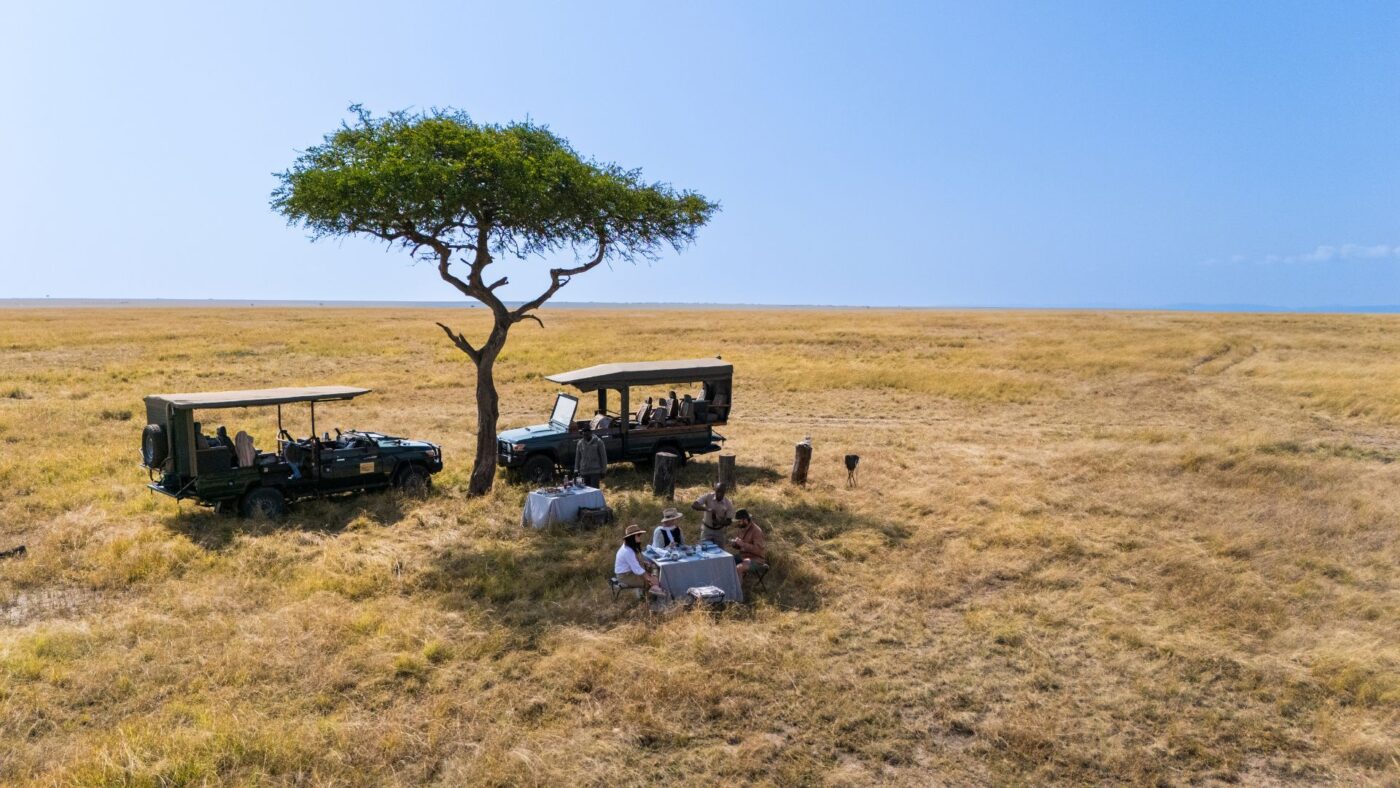
Kenya operates a mix of national parks and private conservancies. The national parks, the Masai Mara National Reserve, Amboseli, Samburu, Tsavo, are government-managed and accessible to multiple operators and vehicles. The private conservancies that border them, Ol Kinyei, Mara North, Naboisho, Olare Motorogi, are exclusive, low-density, and operate with stricter vehicle limits.
This distinction matters for tipping. In the private conservancies, your guide and vehicle are often dedicated to your group alone. In the national reserve, you may share a vehicle with other guests. The per-person-per-day framework applies in both cases, but on a private vehicle or exclusive conservancy safari, tipping at the upper end of the range is appropriate.
Kenya’s conservancy guides are frequently among the most highly trained in Africa. Many hold formal qualifications from institutions such as the Kenya Professional Safari Guides Association. Understanding what is behind the guiding standards helps frame what a tip means here.
Who to Tip in Kenya
The following amounts come directly from African Signature Journeys’ tipping guidelines for Kenya.
Safari Guide — Group Game Drive
USD $10–$20 per person per day, tipped directly in cash at the end of your stay. Your guide in Kenya is likely to have deep contextual knowledge of the ecosystem, migration patterns, predator territories, bird life, Maasai cultural history. Tip at the end of your stay, in a prepared envelope, handed directly.
Safari Guide — Private Vehicle
USD $25–$40 per vehicle per day for a standard private vehicle, or USD $80–$120 per day for an extended private hire. Split the total among your party. On a private basis, the guide’s energy and expertise belong entirely to your group.
Tracker / Spotter
USD $10–$15 per person per day, tipped directly and separately from the guide. Trackers are used more commonly in Kenya’s conservancies than in the national reserve. Where present, they are integral to finding wildlife in areas where animals are not funnelled by the same vehicle pressure as in the reserve.
Game Lodge General Staff
USD $5–$15 per person per day, deposited in the communal tip box. Kenya’s tented camps and lodges, from intimate conservancy camps to larger Mara lodges, all maintain a staff tip box for back-of-house team members.
Private Butler
USD $10–$15 per person per day, handed directly on departure.
Transfer Driver
USD $2–$10 per person per transfer, scaled to the length and complexity of the journey. Road transfers from Nairobi to the Mara or between airstrips can be significant undertakings.
Baggage Porter
USD $1–$2 per bag, paid directly on delivery.
Spa or Massage Therapist
The Kenya-specific convention here is approximately USD $1 (equivalent to 100 Kenyan Shillings) per treatment, paid directly. For treatments at higher-end properties, 10% of the treatment cost is more appropriate.
City or Sightseeing Guide in Nairobi
USD $15–$20 per person for a full-day private tour. Nairobi has a growing range of cultural and wildlife experiences, the Giraffe Centre, Karen Blixen Museum, Nairobi National Park, and local guides who lead these tours are tipped directly at the end.
Meals at Restaurants
10–15% of the bill. Check whether a service charge is already included, many Nairobi restaurants add it automatically. If in doubt, leave cash on the table.

Currency in Kenya: What to Use
US Dollars Are Standard
US dollars are the accepted tipping currency across Kenya’s safari camps and lodges. Bring clean, unfolded notes printed after 2006. Small denominations, $1, $5, $10, and $20, are the most useful.
Kenyan Shillings for City and Local Tipping
For restaurant tipping, spa therapists, and city-based service in Nairobi, Kenyan Shillings (KES) are practical and preferred. If you are transiting through Nairobi before or after your safari, convert a small amount of Australian dollars to KES for these situations. It removes the burden on staff of converting foreign currency.
A Note on Card Tips
Some larger Nairobi hotels and restaurants will allow you to add a tip to a card payment. In safari camps, card tipping is less reliable due to intermittent satellite connectivity in remote areas. Always have cash prepared as your primary tipping method.
Practical Protocol: How to Tip in Kenya
Tip at the End of Each Camp Stay
Kenya’s safari itineraries often move between multiple camps, perhaps starting in the Masai Mara, moving to Amboseli, and finishing in a conservancy. Tip at the end of each stay separately. Do not accumulate tips and hand them at the end of the journey.
Prepare Envelopes for Each Property
Before your last evening at each camp, prepare envelopes for your guide, tracker, and the communal staff pool. Most Kenyan camps provide tipping envelopes in your tent, a practical gesture that makes the process simple.
Handing Tips to Guides
Hand guide tips directly and privately. The end of a final game drive, back at camp, with the dust still on your jacket, is a natural moment. A genuine thank-you said out loud matters.
What If You Are on a Group Tour
On a group departure from Nairobi with a shared vehicle, your guide is managing a roster of guests across multiple days. Tip at the end of the journey. If the group wants to contribute collectively, the guide will appreciate the gesture and the simplicity of a single handover.
Tipping in Kenya as an Australian Traveller
Kenya is often the entry point into African safari for Australians, the Masai Mara is iconic, the wildlife density is extraordinary, and the logistical access from Nairobi makes it a natural first destination. It is also one of the most forgiving places to learn the rhythm of safari tipping, because the conventions are well understood and the camps are accustomed to helping guests navigate them.
If this is your first African safari, do not overthink it. Prepare your envelopes, follow the amounts in this guide, and hand them with sincerity. The warmth with which a tip is given matters as much as the amount inside the envelope.
Many Australian travellers combine Kenya with Tanzania, often following the Great Migration across both sides of the ecosystem, or with Uganda for gorilla trekking. Each country has its own tipping customs. Our country guides cover each one, and the downloadable PDF brings them all together.
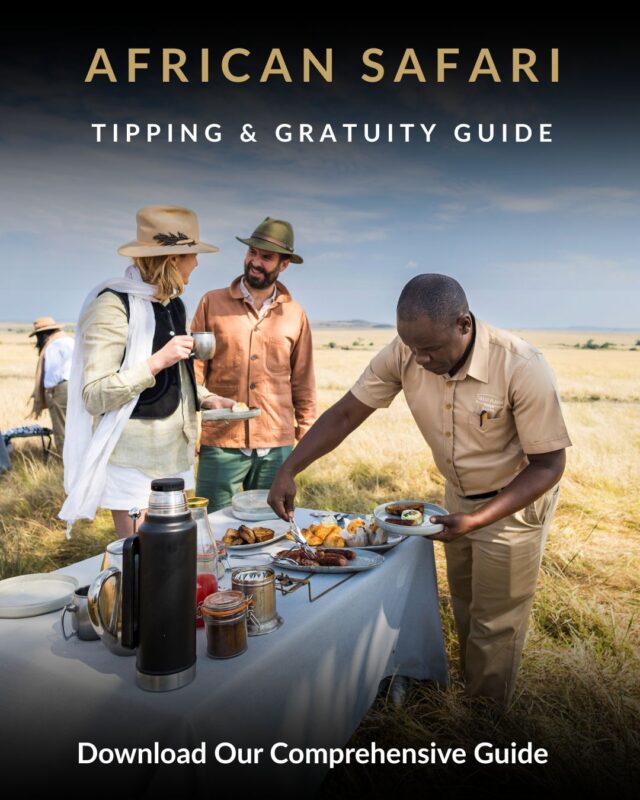
You can download our African Safari Tipping & Gratuity Guide for a comprehensive understanding of tipping customs and protocols in Africa
Reach out to the African Signature Journeys team if you would like to talk through tipping as part of your Kenya itinerary planning.
In This Series
- Safari Tipping in Africa: The Complete Guide
- Safari Tipping in Botswana
- Safari Tipping in Kenya (You are here)
- Safari Tipping in Tanzania
- Safari Tipping in Uganda
- Safari Tipping in Zambia
- Safari Tipping in Zimbabwe
- Safari Tipping in Namibia
- Safari Tipping in South Africa
Discover Signature Kenya Experiences
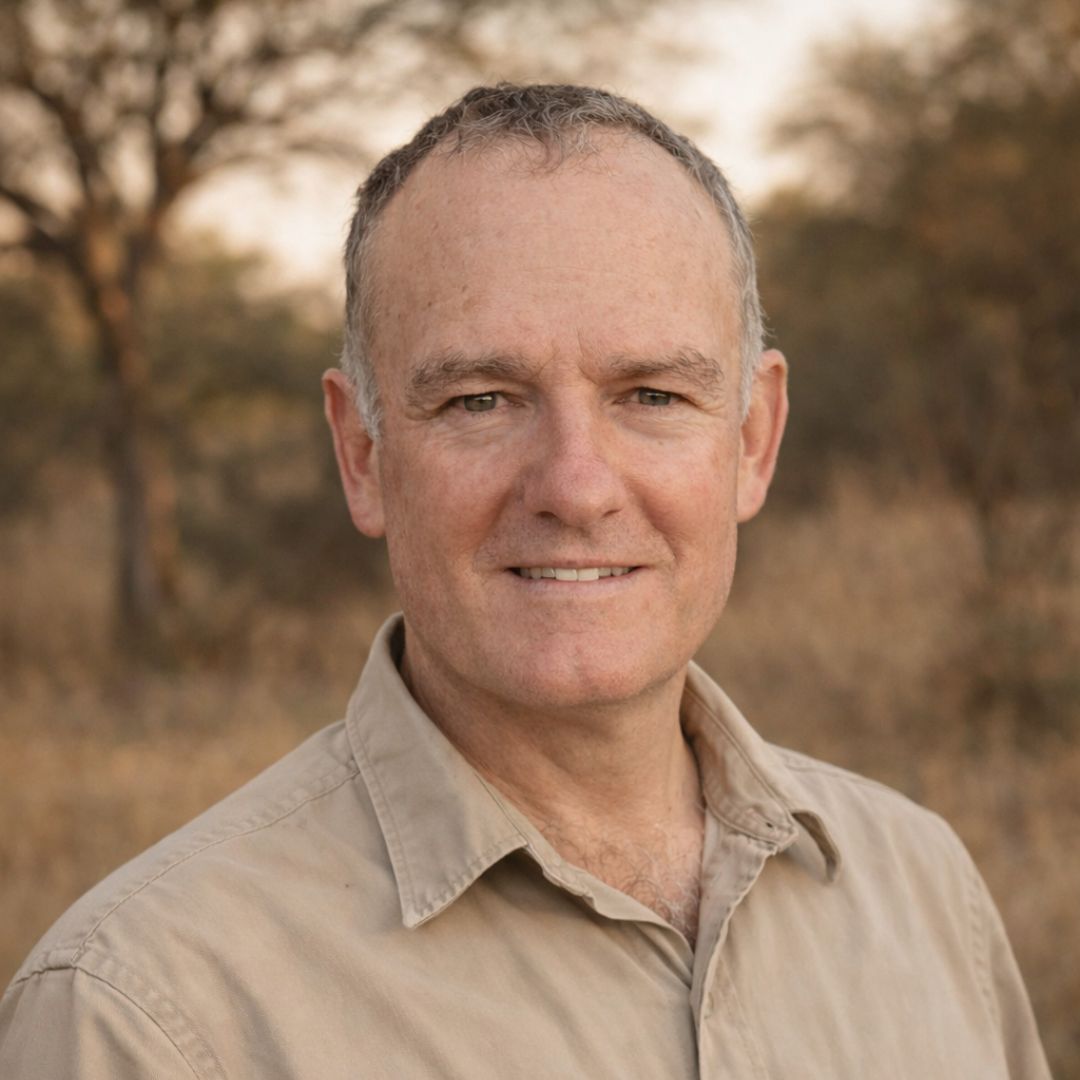
Sean Lues
Award Winning Safari Guide
Content by Award Winning Safari Guides
The content on African Signature Journeys is overseen by Sean Lues, an award-winning professional safari guide who was born and raised in Zimbabwe and has spent decades living, guiding, and managing safari operations across Africa.
Winner of the Zimbabwe Professional Guides Association Guide of the Year award, Sean is recognised for his deep knowledge of African wildlife, landscapes, and safari experiences. Now based in Australia, he combines firsthand African expertise with an understanding of what Australian travellers want from their safari adventure.
His experience helps ensure the information, recommendations, and insights shared by African Signature Journeys are practical, accurate, and based on real-world experience.