The Ndutu Calving Season: Africa’s Most Concentrated Wildlife Event
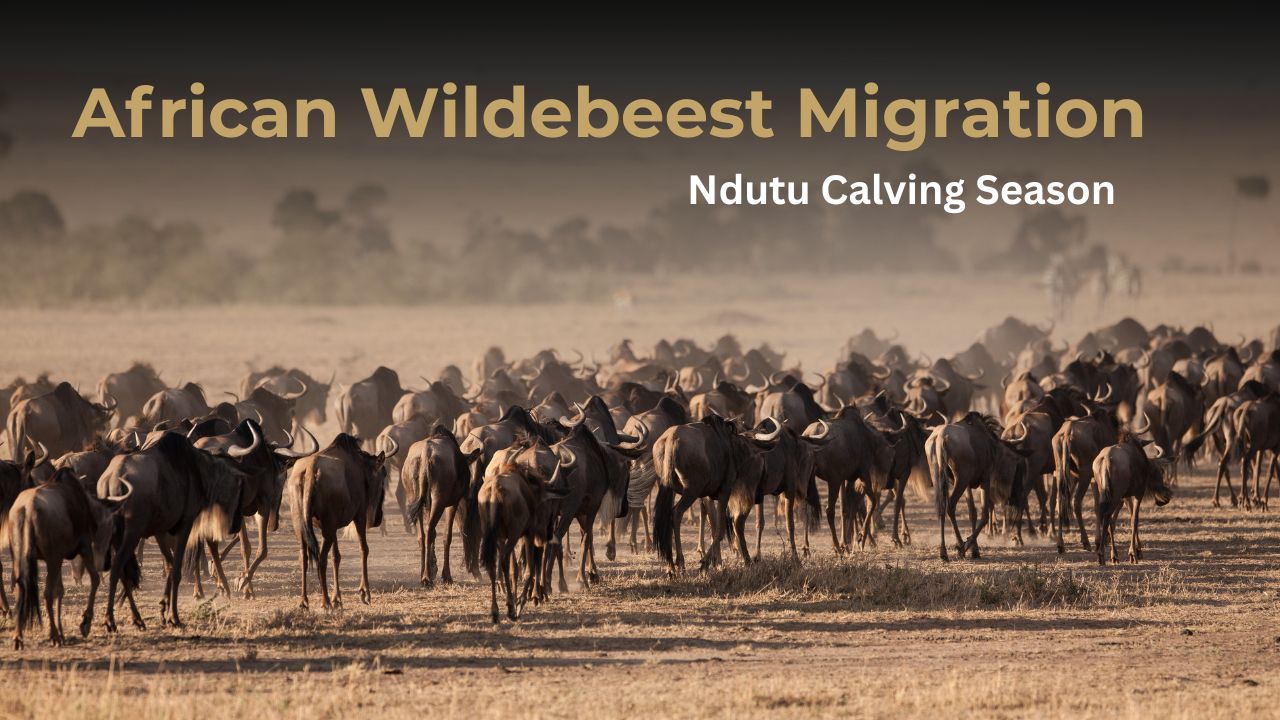
Our guide to the Great Wildebeest Migration describes the full circular journey of the herds. This piece focuses on its first significant chapter: the calving season on the southern Serengeti plains, centred on the Ndutu area, from January through March.
Most people come to the Serengeti for the river crossings. Those who know the calving season come back for it.
Why the Herds Come to Ndutu
The Ndutu area sits at the junction of the Serengeti National Park and the Ngorongoro Conservation Area in northern Tanzania. For most of the year, it is a quiet, open landscape of acacia woodland and short-grass plains.
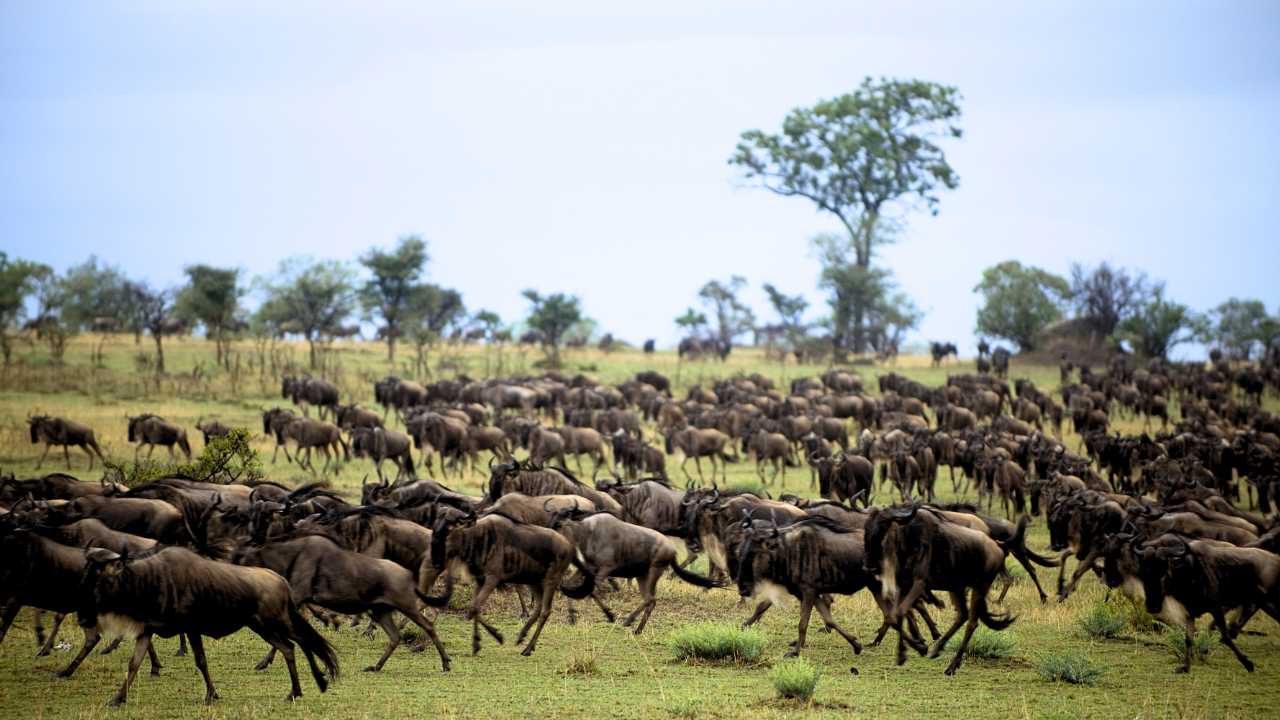
Between January and March, it holds roughly one million wildebeest.
The reason is chemistry. The Ngorongoro Crater highlands are volcanic. Over thousands of years, ash deposits have enriched the soils of these southern plains with phosphorus, calcium, and other minerals. The grass that grows here is nutritionally dense, exactly what lactating wildebeest mothers need.
Newborn wildebeest calves require calcium-rich milk to build bone structure. Mothers need phosphorus to produce that milk. The Ndutu plains provide both. The herds have been selecting this specific location for the birthing season because the soil chemistry matches their biological needs.
The volcanic soil of the southern Serengeti has effectively become the maternity ward for the world’s largest wildebeest population. This is not coincidence, it is millions of years of ecological co-evolution at work.
The Birthing Synchrony: 500,000 Calves in Three Weeks
What happens in Ndutu during peak calving season has no parallel in the natural world.
Wildebeest are one of the few mammals that synchronise their births with precision. Roughly 500,000 calves are born within a three-week window. At the peak of this period, an estimated 8,000 calves are born every single day.
This is not accidental. It is a survival strategy called predator saturation.
The logic is brutal and effective. By flooding the plains with newborns simultaneously, the wildebeest overwhelm the predator population’s capacity to kill. Lions, hyenas, leopards, and cheetahs can consume only so many calves per day. When 8,000 arrive at once, the majority survive simply because predators run out of appetite and energy.
A wildebeest calf born outside this synchronised window, earlier or later, faces individual predator attention and is far more likely to die. Synchrony is the strategy.
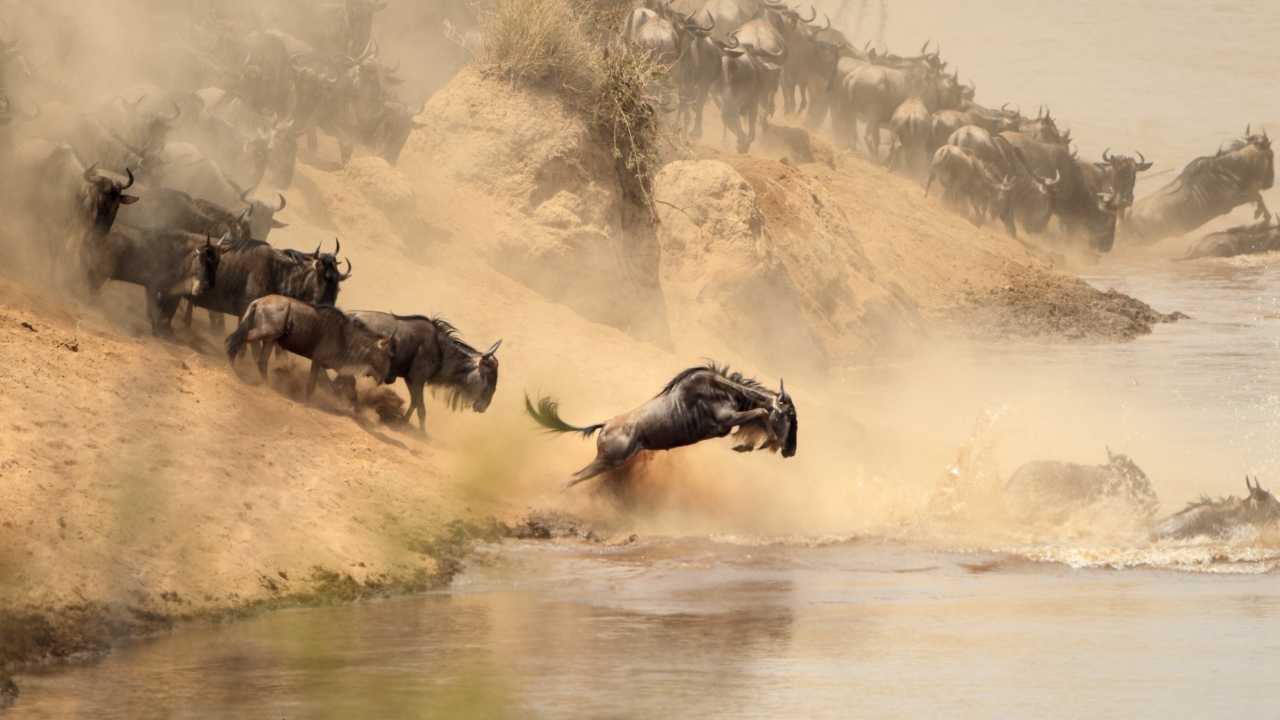
The Speed of Survival
A newborn wildebeest calf stands within five minutes of birth. It walks within fifteen minutes. Within a few hours, it runs alongside the herd.
This developmental speed is extraordinary compared to most mammals. It is also essential. A calf that cannot run is a calf that does not survive its first day.
Mothers identify their calves immediately using scent and vocalisations. The bond forms fast. If a calf becomes separated in the chaos of the calving period, by a predator attack, a panicked herd movement, or simple disorientation, it rarely reunites with its mother and typically does not survive.
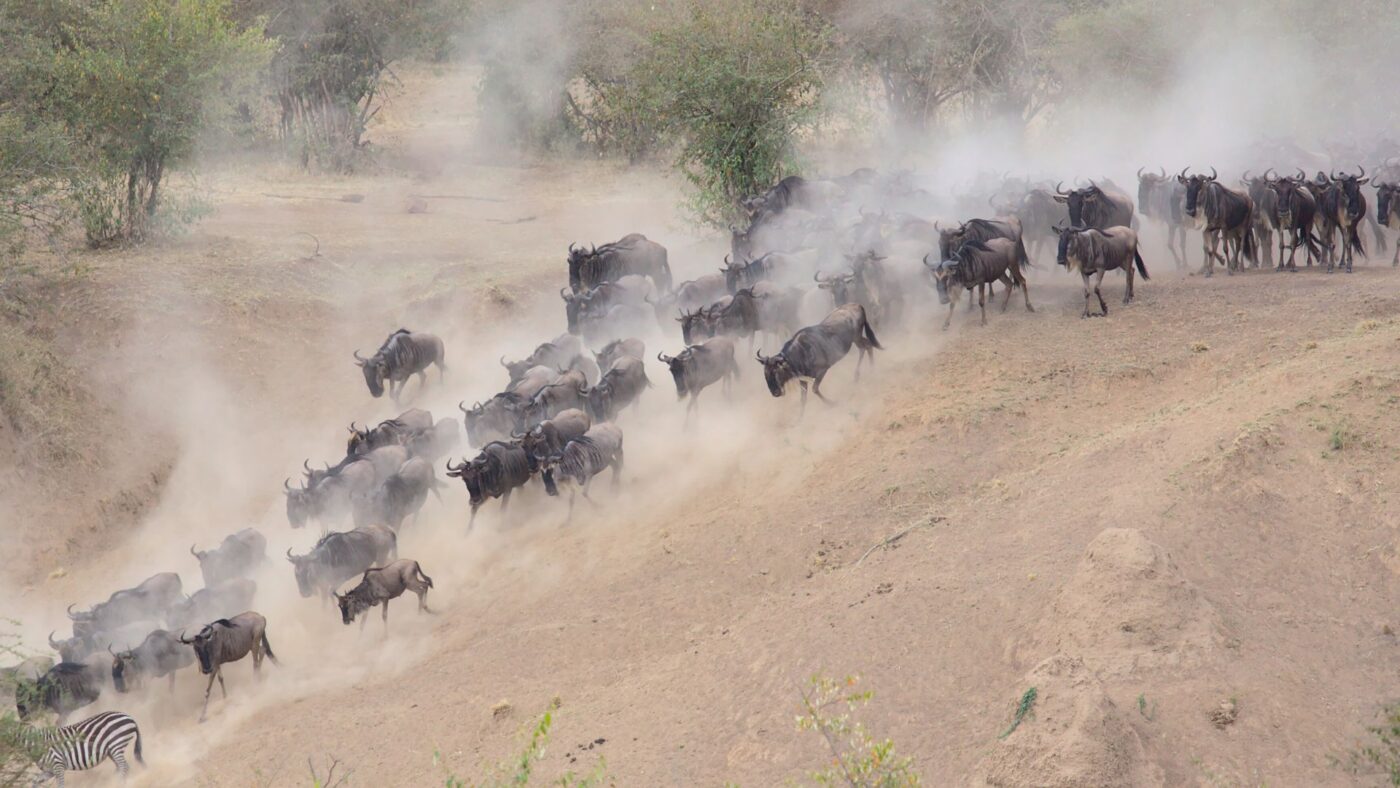
Predators at the Height of Their Season
The concentration of vulnerable newborns draws every significant predator in the region.
Lions gather in the Ndutu area in large numbers and build significant body condition during the calving season. The hunting is comparatively easy, calves cannot outrun a lion, and prides consume far more than at other times of year.
Cheetahs operate differently. The short-grass plains of Ndutu are ideal cheetah terrain. Their speed is most effective where vegetation is low and sight lines are long. During calving season, cheetah hunting success rates can reach 50 per cent, roughly double their year-round average.
Spotted hyenas arrive in enormous numbers. Some clans in the Ndutu area exceed 80 members. Their coordinated group attacks on wildebeest are among the most strategically sophisticated predator behaviours you will see anywhere in Africa.
Jackals and vultures operate on the periphery, taking advantage of abandoned calves, weakened animals, and leftover carcasses from larger predators.
The social hierarchy of the plains shows itself most clearly at Ndutu during calving season. A cheetah makes a kill. It begins to eat. A hyena arrives. The cheetah retreats. Lions arrive. The hyenas disperse. Then the vultures descend.
This raw sequence of competition and displacement is not a separate drama from the calving. It is part of the same event, predator saturation playing out in real time.
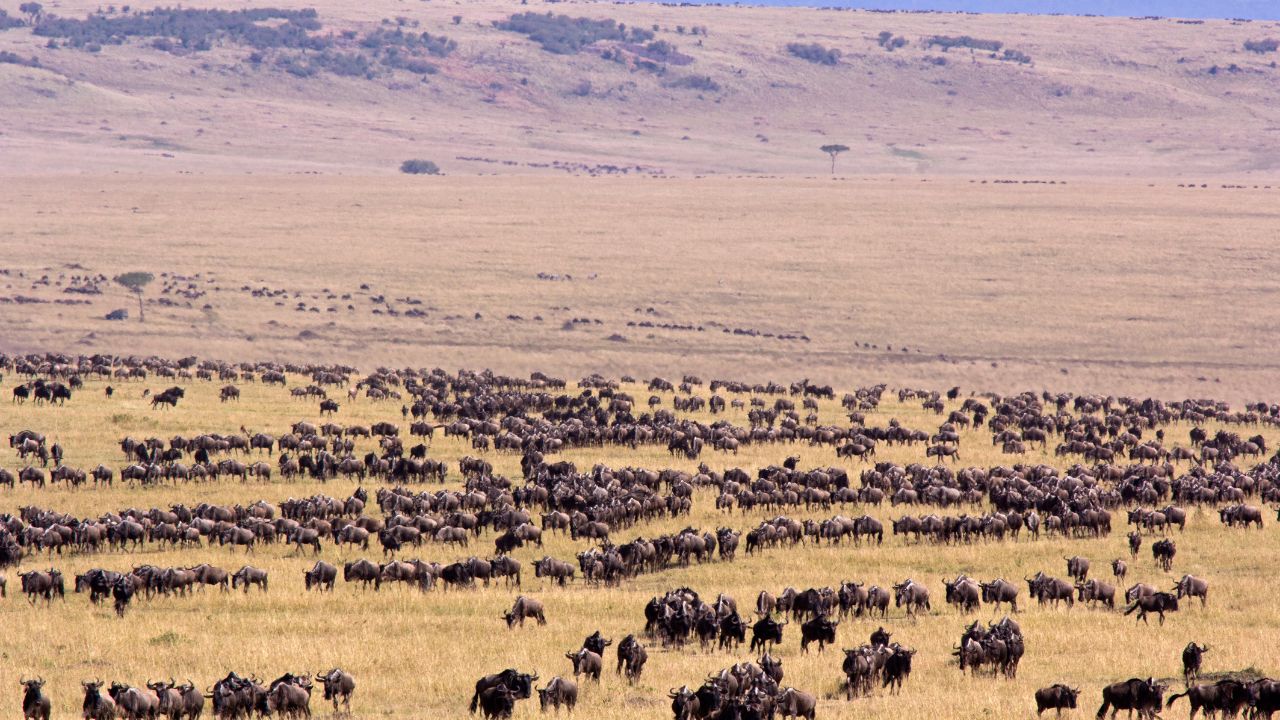
The Open Plains Advantage
The short-grass character of the Ndutu plains offers something the northern Serengeti cannot: visibility.
When a predator makes a chase, you see all of it. There is no long grass to obscure the pursuit, no woodland to block the kill. A cheetah acceleration from 0 to 100 kilometres per hour plays out in full view. A hyena clan converging on a wildebeest is visible from 500 metres.
This makes Ndutu one of the best places in Africa to photograph predator-prey interactions. Light arrives early on the open plains and stays clean. The animals are accustomed to vehicles and allow close approach. A skilled guide can position a vehicle for exceptional sightlines.
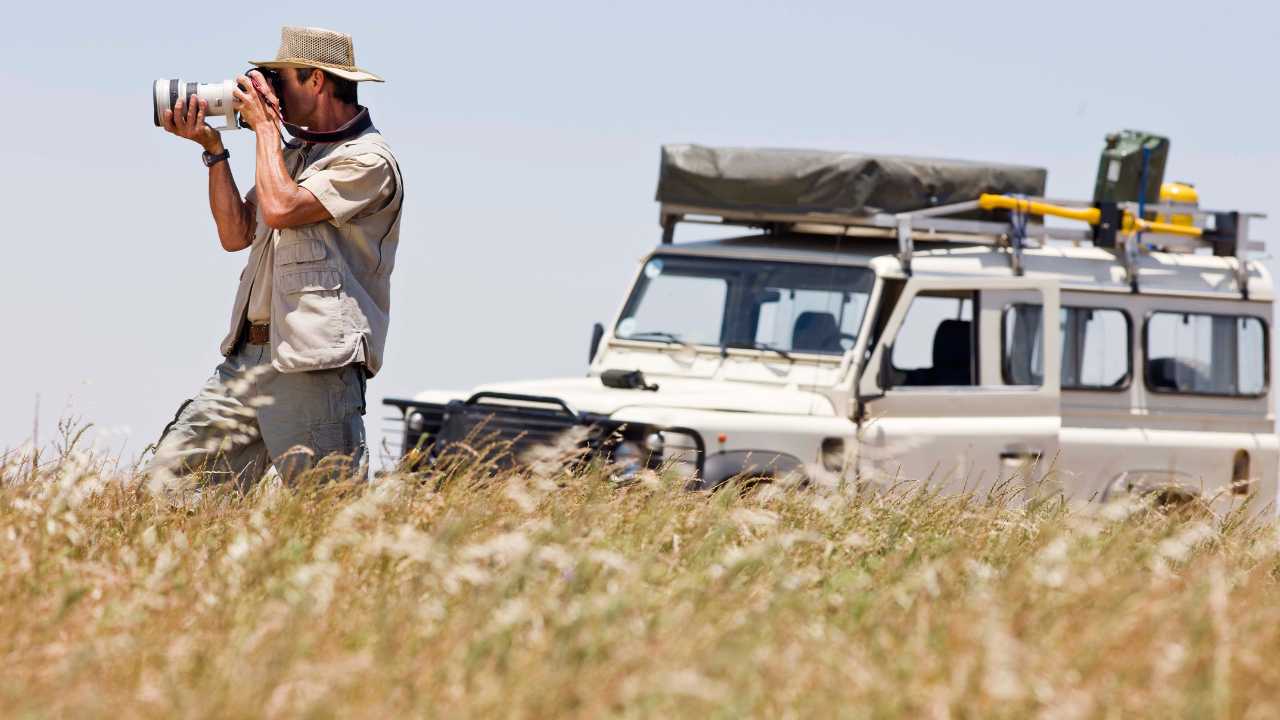
Practical Viewing: When and How
January and February are the peak calving months, though the season can run from late December through to mid-March depending on rainfall timing.
Morning game drives, leaving before first light, offer the best chance of predator action. The cool hours are when lions are most active after a night hunt, and when cheetahs begin their morning circuits across the plains. Midday light is harsh and predators rest. Afternoon drives pick up again from around 4pm.
Full-day drives make sense during peak calving. If you are positioned near a large herd with active predators, returning to camp for lunch and coming back in the afternoon means missing whatever happened in between.
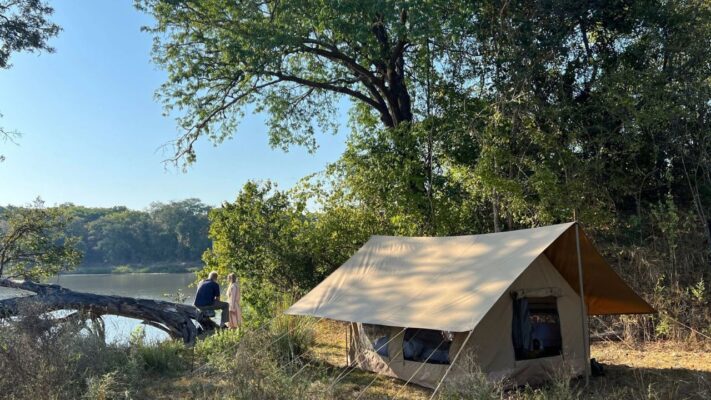
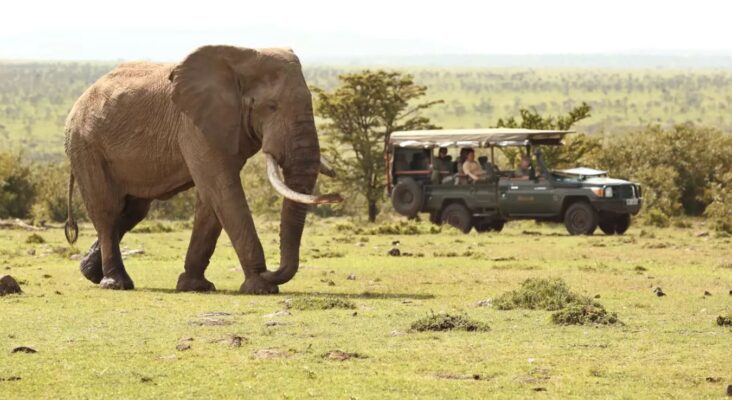
Accommodation at Ndutu ranges from the classic Ndutu Safari Lodge, one of the few permanent lodges permitted in this zone, to mobile camps that move to track the herds. Mobile camps are highly recommended for calving season, as they can reposition to follow the densest concentrations of animals.
For practical logistics, visas, health requirements, and luggage restrictions for internal flights, see our migration planning guide.
And for those who want to understand the dramatic river crossing phase later in the year, our guide to the Mara River crossings explains what to expect in the northern Serengeti from July onwards.
African Signature Journeys can design a calving-season itinerary that positions you in Ndutu when the action peaks. Contact us to start planning.
CONTENT SERIES: THE WILDEBEEST MIGRATION
→ Complete Safari Guide: Wildebeest Migration
▶ Ndutu Calving Season: Wildebeest Migration ← You are here
→ Mara River Crossings: Wildebeest Migration
→ Planning Your Safari: Wildebeest Migration

Sean Lues
Award Winning Safari Guide
Content by Award Winning Safari Guides
The content on African Signature Journeys is overseen by Sean Lues, an award-winning professional safari guide who was born and raised in Zimbabwe and has spent decades living, guiding, and managing safari operations across Africa.
Winner of the Zimbabwe Professional Guides Association Guide of the Year award, Sean is recognised for his deep knowledge of African wildlife, landscapes, and safari experiences. Now based in Australia, he combines firsthand African expertise with an understanding of what Australian travellers want from their safari adventure.
His experience helps ensure the information, recommendations, and insights shared by African Signature Journeys are practical, accurate, and based on real-world experience.
Do You Have a Question We Can Answer For You?
Connect with Sean