Flying into East Africa: Nairobi or Kilimanjaro — Which Airport is Right for Your Safari?
In our guide to flying from Australia to Africa for safari, we touched on the two main entry points for East Africa: Nairobi and Kilimanjaro. For Australian travellers, the choice between them is rarely obvious, and getting it wrong can add unnecessary hours, connections, and complexity to a journey that is already long.
This comes down to one question: where does your safari actually begin?
Nairobi: The Dominant Hub of East Africa
Nairobi’s Jomo Kenyatta International Airport (NBO) handles the vast majority of international arrivals into East Africa. Every major carrier with services from Australia connects here, Emirates from Dubai, Qatar Airways from Doha, and regional networks operated by Kenya Airways and its partners.
Nairobi’s strength is its breadth of onward connections. From Jomo Kenyatta, you can connect to virtually every corner of East Africa:
- Wilson Airport, just 6 kilometres away, handles domestic charter flights into Kenya’s national parks and reserves. It’s the departure point for light aircraft to the Maasai Mara, Amboseli, Laikipia, and Samburu. A taxi between the two airports takes 20–30 minutes in reasonable traffic.
- Kenya Airways operates scheduled services from Nairobi to Kilimanjaro, Dar es Salaam, Zanzibar, Entebbe (Uganda), Kigali (Rwanda), and other regional destinations, often multiple times daily.
- RwandaAir connects Nairobi to Kigali, the gateway for gorilla trekking in Volcanoes National Park.
For a safari that begins in Kenya, the Maasai Mara, Amboseli, or a combination of Kenyan parks, Nairobi is the only sensible entry point. Fly in, overnight if necessary, and connect the following morning to a bush flight.
Nairobi also works as the entry point for northern Tanzania, particularly the Serengeti. The Kilimanjaro–Nairobi air connection is frequent and well-established, and many operators run their Tanzanian safaris from Nairobi-side logistics even when the game viewing is entirely across the border.
Kilimanjaro: The Direct Entry for Northern Tanzania
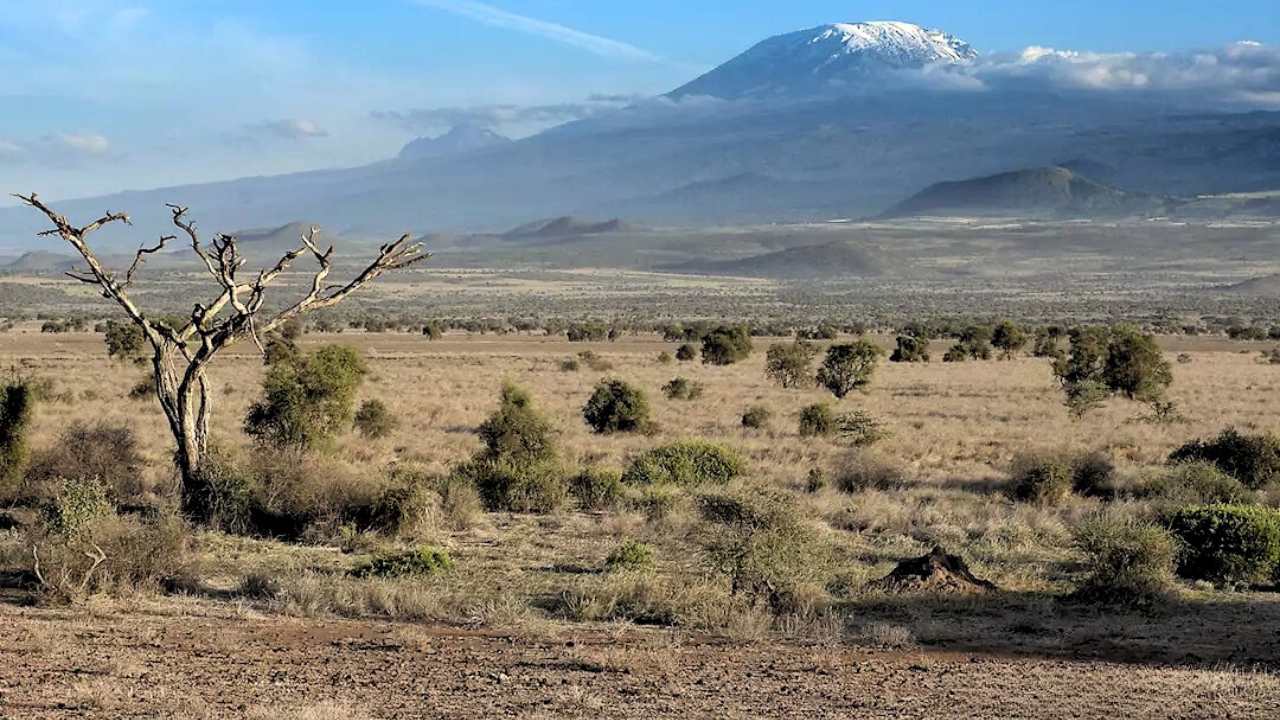
Kilimanjaro International Airport (JRO) sits between Arusha and Moshi at the foot of Africa’s highest mountain. It is the natural gateway to Tanzania’s northern safari circuit, arguably the most famous concentration of wildlife in the world.
From Kilimanjaro, the distances to key destinations are short:
- Arusha, the operational base for most northern Tanzania safaris, is approximately 45 minutes by road
- Tarangire National Park is 2 hours from Arusha, home to some of Africa’s largest elephant concentrations
- Lake Manyara, famous for tree-climbing lions and flamingo-fringed shores, is a similar distance
- The Ngorongoro Crater, a UNESCO World Heritage Site and one of the planet’s great wildlife spectacles, sits about 3 hours from Arusha
- The Serengeti, including the world-famous Mara River wildebeest crossings, is a 4-hour drive or a short charter flight from Arusha
If your entire safari is in northern Tanzania, flying into Kilimanjaro is more direct, avoids a Nairobi transit entirely, and puts you on the ground closer to where the game driving begins.
The airport is smaller and quieter than Nairobi, which is a genuine advantage after 20-plus hours of travel. Transfers are straightforward, and the drive to Arusha through the foothills of Mount Kilimanjaro is one of the more atmospheric arrivals in African travel.
International Flight Access: How Do You Get There from Australia?
This is where the decision becomes more nuanced.
Nairobi is extensively served by every Gulf carrier from Australia. Emirates offers up to three daily connections via Dubai from March 2026. Qatar Airways connects via Doha daily. Ethiopian Airlines, which many travel agents use for budget-conscious itineraries, has hubs in Addis Ababa with multiple daily flights into Nairobi.
Kilimanjaro receives fewer direct international connections. The most common routing from Australia is:
- Fly from Sydney, Melbourne, Brisbane, Perth, or Adelaide via Dubai or Doha
- Connect to Nairobi
- Take a Kenya Airways or Precision Air service from Nairobi to Kilimanjaro (approximately 55 minutes)
Alternatively, some routings connect through Dar es Salaam (DAR), Tanzania’s largest city and international gateway, with an onward domestic flight north.
For most Australian travellers, Kilimanjaro involves one more short flight than Nairobi. Whether that connection adds meaningful time depends on the schedule alignment. A well-timed connection through Nairobi adds 2–3 hours. A badly timed one adds an overnight.
Combining Kenya and Tanzania
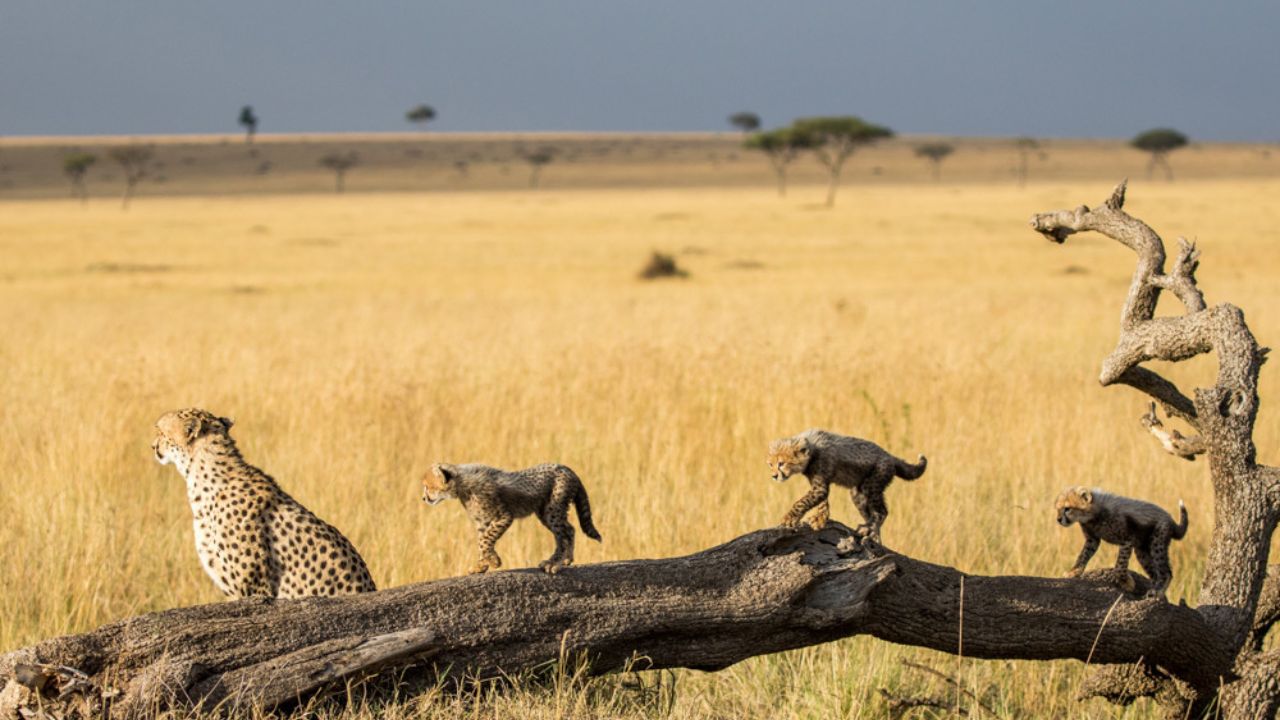
Many of the best East African itineraries cross both countries — a few days in the Maasai Mara followed by the Serengeti and Ngorongoro Crater is a classic pairing, and for good reason. The two reserves share a migratory ecosystem. The wildebeest don’t respect the border, and neither should the itinerary.
For these combined safaris, entry via Nairobi and exit via Kilimanjaro (or vice versa) is the most efficient structure. You arrive in Nairobi, fly to the Maasai Mara on a charter, work south through the Mara triangle, cross into the Serengeti by road or air, continue through Ngorongoro, and depart from Kilimanjaro or Dar es Salaam. No doubling back. No unnecessary transit.
Most international carriers — particularly Emirates and Qatar- can accommodate open-jaw tickets that allow you to arrive in one city and depart from another. The additional cost is typically modest relative to the total journey, and the efficiency gained is significant. Discuss this structure with your safari operator before booking flights.
If You’re Going to Rwanda or Uganda for Gorilla Trekking
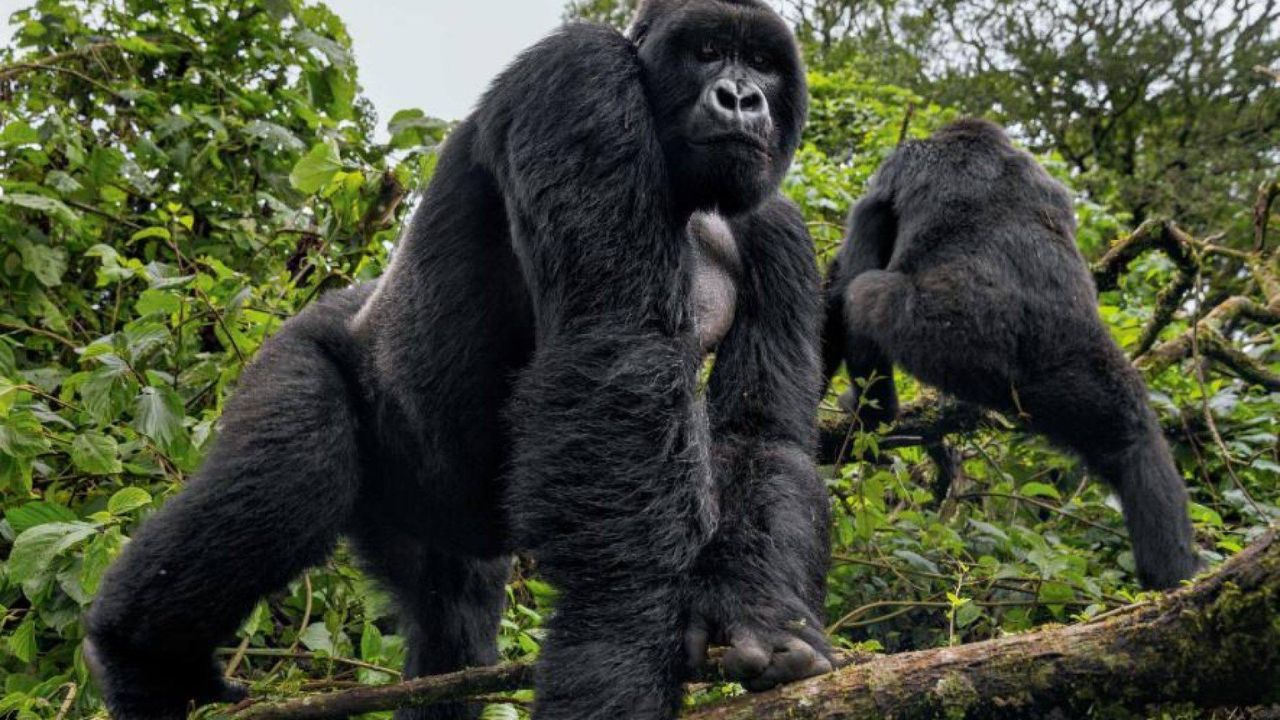
Neither Nairobi nor Kilimanjaro is the right entry point if your safari begins with gorillas. Rwanda’s Volcanoes National Park, home to the mountain gorillas tracked by Dian Fossey, is best accessed via Kigali (KGL). Uganda’s Bwindi Impenetrable Forest and Queen Elizabeth National Park are accessed via Entebbe (EBB).
Both cities are well connected from Nairobi on Kenya Airways and RwandaAir. If a gorilla trek forms part of a broader East African itinerary, Nairobi is still often the international entry point, with a regional flight onward to Kigali or Entebbe.
The combination of gorilla trekking in Rwanda with a Kenya or Tanzania safari is one of the most extraordinary wildlife journeys available to Australian travellers. It is longer and more expensive than a single-country trip, and it is worth every complication.
Getting the Connection Right
The most common mistake is booking a tight connection through Nairobi without accounting for the transfer between Jomo Kenyatta and Wilson Airport. These are two separate facilities. The transfer itself takes 20–30 minutes, but in Nairobi traffic it can extend considerably. International arrivals also involve immigration and baggage collection.
Allow a minimum of four hours between an international arrival at Jomo Kenyatta and a domestic charter departure from Wilson. Five is more comfortable, especially for morning charter departures when the Maasai Mara is hazy and warm and everything is exactly as it should be.
If the schedule doesn’t allow for a same-day connection, Nairobi has good hotel options near both airports. An overnight in Nairobi is not wasted time; many travellers add a visit to the Giraffe Centre, the David Sheldrick elephant orphanage, or the Karen Blixen Museum.
How to Choose
For a Kenya-only safari — Maasai Mara, Amboseli, Samburu, Laikipia, fly into Nairobi.
A northern Tanzania-only safari — Serengeti, Ngorongoro, Tarangire, Lake Manyara, points to Kilimanjaro, with a connection from Nairobi if necessary.
Combined Kenya and Tanzania safaris work best on an open-jaw ticket: fly into Nairobi, depart from Kilimanjaro or Dar es Salaam.
Add Rwanda or Uganda to the itinerary and the answer is still Nairobi first, then connect regionally.
For the right choice on which Middle Eastern hub to use for your East Africa flights, read our companion piece: Dubai or Doha: Which Hub Works Best for Your Safari Route?
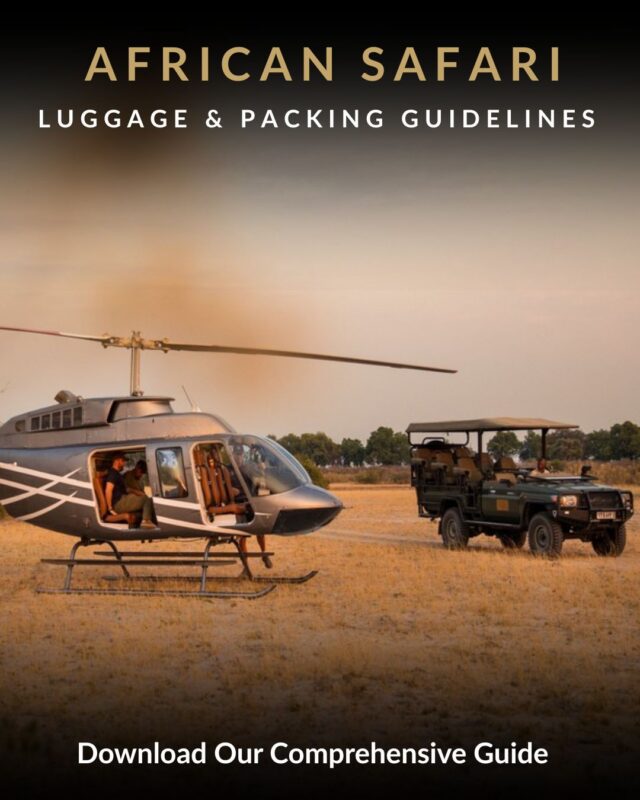
And for the luggage considerations that affect every East Africa flight, including the 15-kilogram bush plane limits, see: Safari Luggage Rules: What Australian Travellers Get Wrong
Plan Your East Africa Itinerary with African Signature Journeys
The flight structure for an East Africa safari involves more moving parts than most travellers expect. African Signature Journeys designs the full journey, international connections, charter flights, and camp-to-camp transfers, so nothing falls through the gaps.
Contact us to start building your East Africa safari.
Also in This Series
- Pillar: Australia to Africa Safari Flights: Complete Route Guide
- Hub 1: Dubai or Doha: Which Hub Works Best for Your Safari Route?
- Hub 2: Flying into East Africa: Nairobi vs Kilimanjaro for Safari (You are here)
- Hub 3: Safari Luggage Rules: What Australian Travellers Get Wrong