Inside the Vehicle: What a Safari Game Drive Actually Involves
The typical day on an African safari pivots entirely around two game drives, one at dawn, one in the late afternoon. Most first-time safari travellers picture the drives as essentially a slow tour through a large zoo. The reality, however, is more interesting, more skilled, and considerably more unpredictable than that.
Here is what actually happens from the moment you climb into the vehicle.
What Happens Before You Leave Camp
Your guide has been working before you are awake. Most safari camps run a radio network among guides in the area. The evening before, your ranger will have noted where each significant animal sighting was, a pride of lions moving east toward the river, a leopard with a kill in a marula tree, a cheetah coalition hunting along the eastern boundary.
Overnight, camp staff and security guards, known in East Africa as askaris, monitor what moves through the property. A distant roar at 2am. Fresh tracks crossing the main road. These reports are waiting for your guide at first light.
By the time you sit down in the vehicle, your ranger already has a hypothesis. Not a guarantee, but a reasoned plan based on the night’s intelligence. On private game drives, where the vehicle is yours alone, that plan is calibrated entirely to what you want to see and how you like to travel. On shared vehicles, your guide is managing the interests of the group. Both have their merits. The private vehicle, however, offers a meaningfully different experience, especially for photographers, keen birders, and travellers with specific wildlife priorities.
The Tracker: The Person Most Guests Overlook
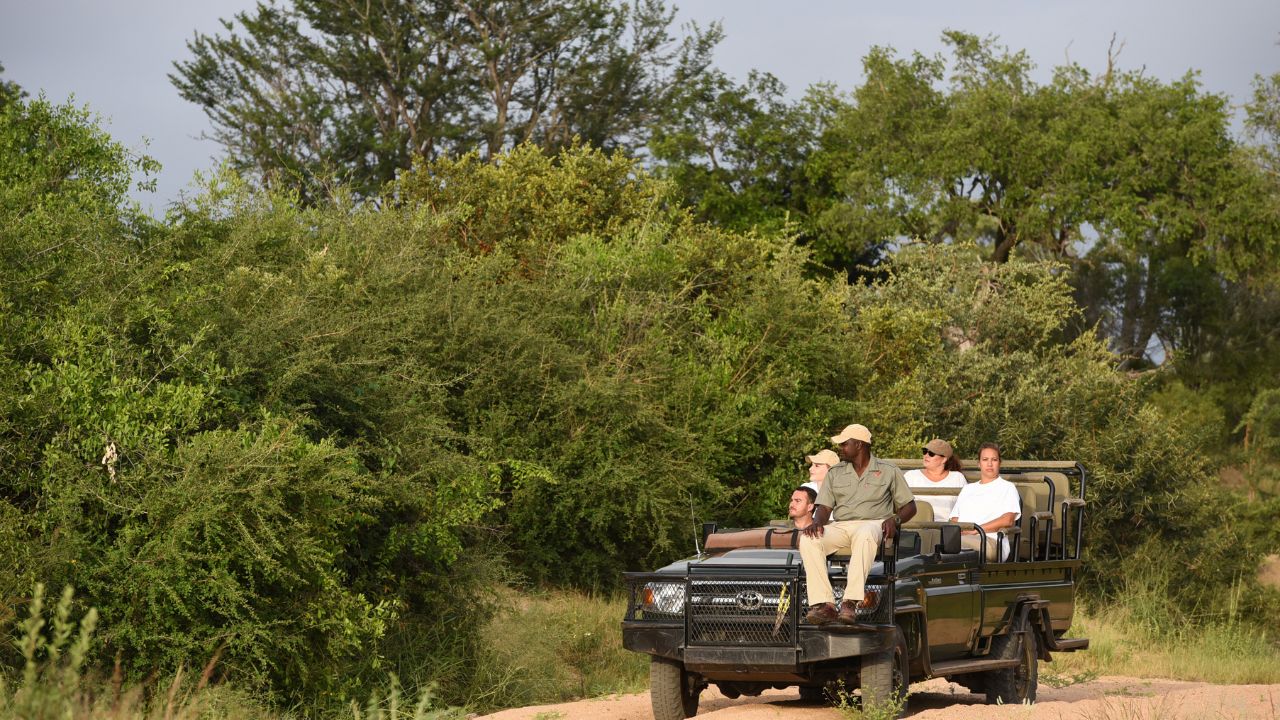
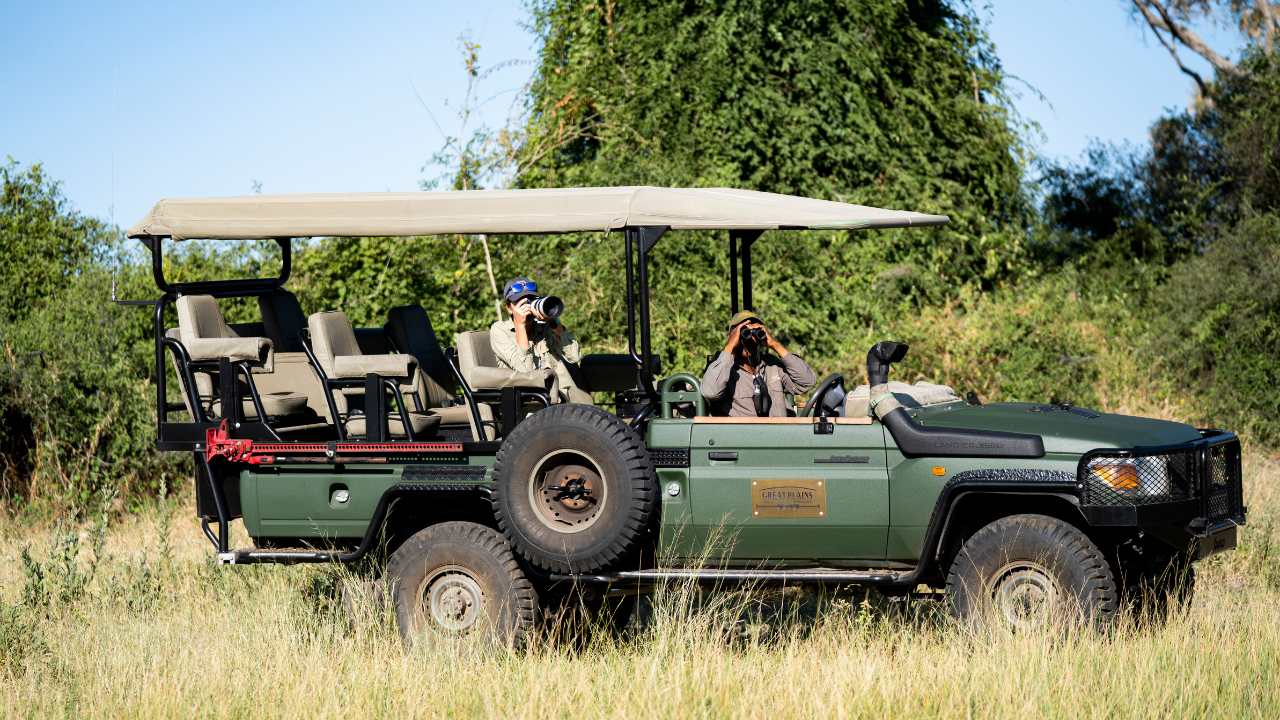
On quality safaris in southern Africa, and in many of the better East African operations, a second person sits in the vehicle alongside the guide. The tracker takes the front-mounted seat, elevated above the bonnet, facing forward.
The tracker’s role is to read the ground. Fresh lion spoor in the sand. A broken twig on a branch at elephant shoulder height. The distinctive smell, sharp, musky, warm, of a leopard that passed this way recently. Flattened grass where a herd rested for the night.
Tracking is a skill that takes years to develop and a lifetime to refine. Many of Africa’s most celebrated trackers come from communities with generations of knowledge embedded in their work. Watching a skilled tracker in action is itself one of the most memorable experiences a safari provides. They stop the vehicle, step down, crouch to examine a print, and then point out precisely which direction the animal moved and approximately when.
Not every operation uses a separate tracker. In some East African camps, the guide drives and tracks simultaneously. In the Sabi Sand Game Reserve adjacent to Kruger in South Africa, however, and in camps across the Okavango Delta in Botswana, the guide-tracker partnership is standard. The results in terms of finding animals are remarkable.
How Animals Are Actually Found
There is no GPS signal that says lion, 200 metres north. Instead, animals are found by a combination of method, experience, and communication.
First, the guide uses direct observation, scanning the landscape continuously and reading the behaviour of other animals. A group of vultures spiralling downward almost always signals a kill or a carcass. Impalas and baboons in particular give loud, specific warnings when they detect a predator nearby. A good guide can triangulate from these alarm calls to determine what type of predator is close and roughly where it is.
Second, the radio network operates continuously among guides covering the same area. When one vehicle finds a significant sighting, the information goes out on the shared channel. Other vehicles can then move toward the sighting. In private reserves and conservancies, informal protocols typically limit the number of vehicles at a single sighting to two or three. This prevents overwhelming the animals and protects the quality of the experience for guests.
Third, the guide reads the landscape itself. Animals move predictably in response to water, food, temperature, and each other. Knowing that lions in a particular reserve tend to use a certain drainage line in the early morning, or that elephants reliably move toward the river between 8am and 10am, is knowledge accumulated over months and years of watching the same individuals.
The best guides know individual animals by sight. They know the name, history, and personality of the dominant male lion in the area. They know which leopard raised her cubs in the rocky outcrop near the northern boundary. That depth of knowledge transforms what could be a wildlife-spotting exercise into something closer to witnessing a real, ongoing story.
What to Expect Inside the Vehicle
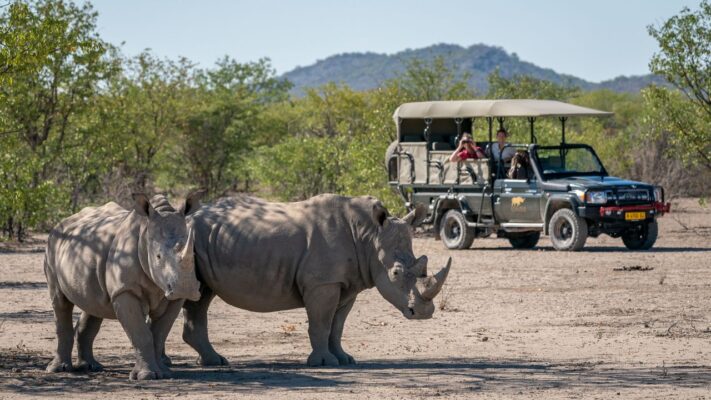
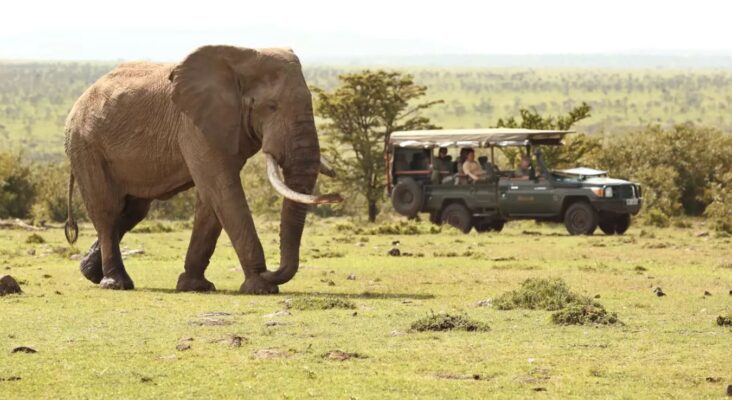
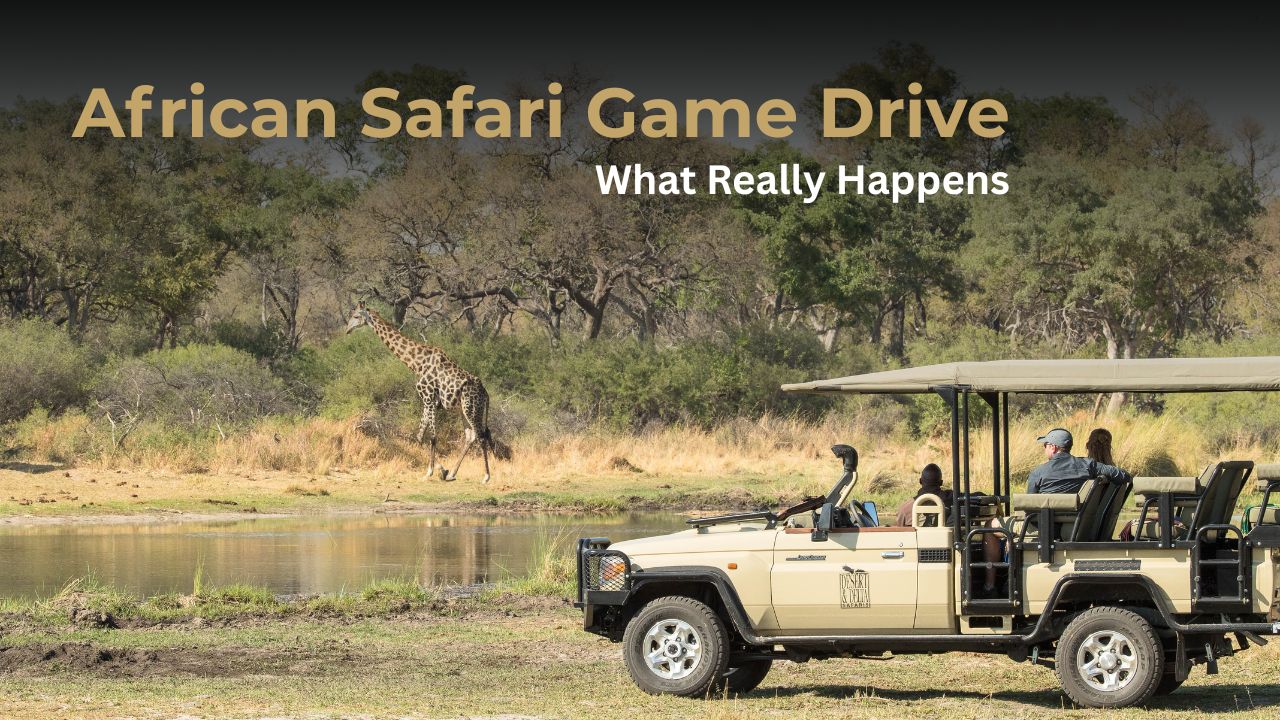
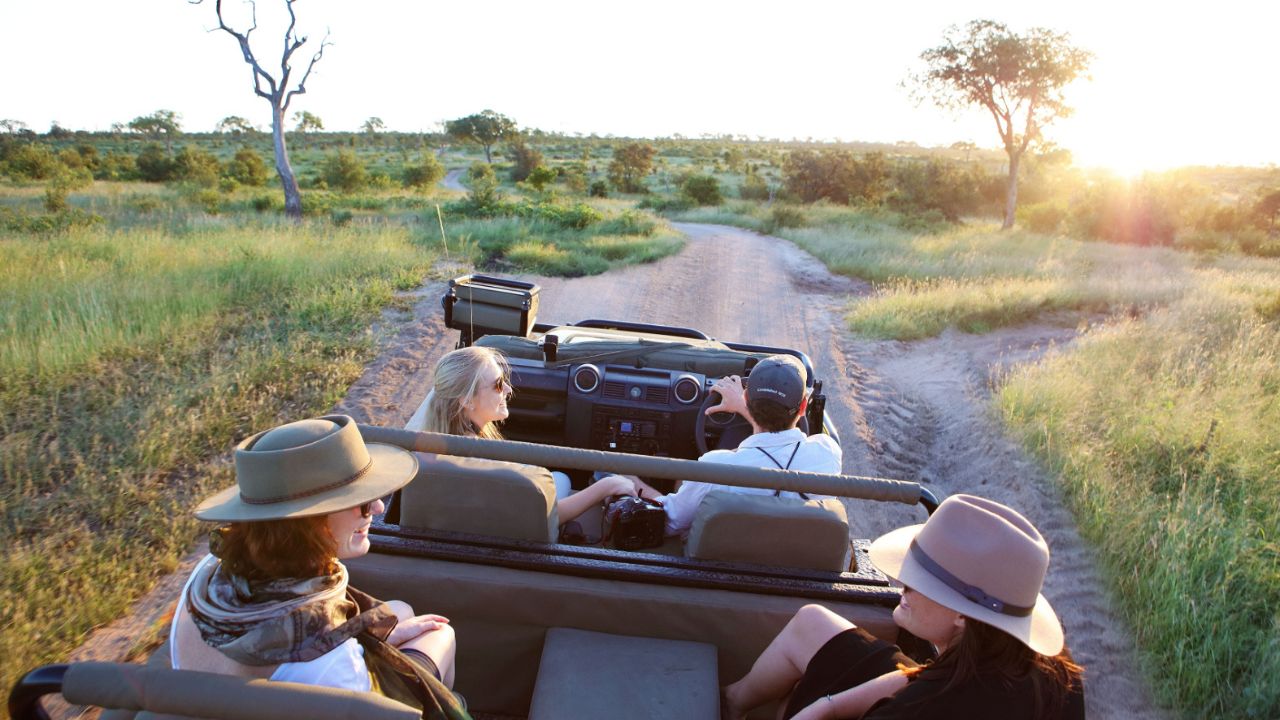
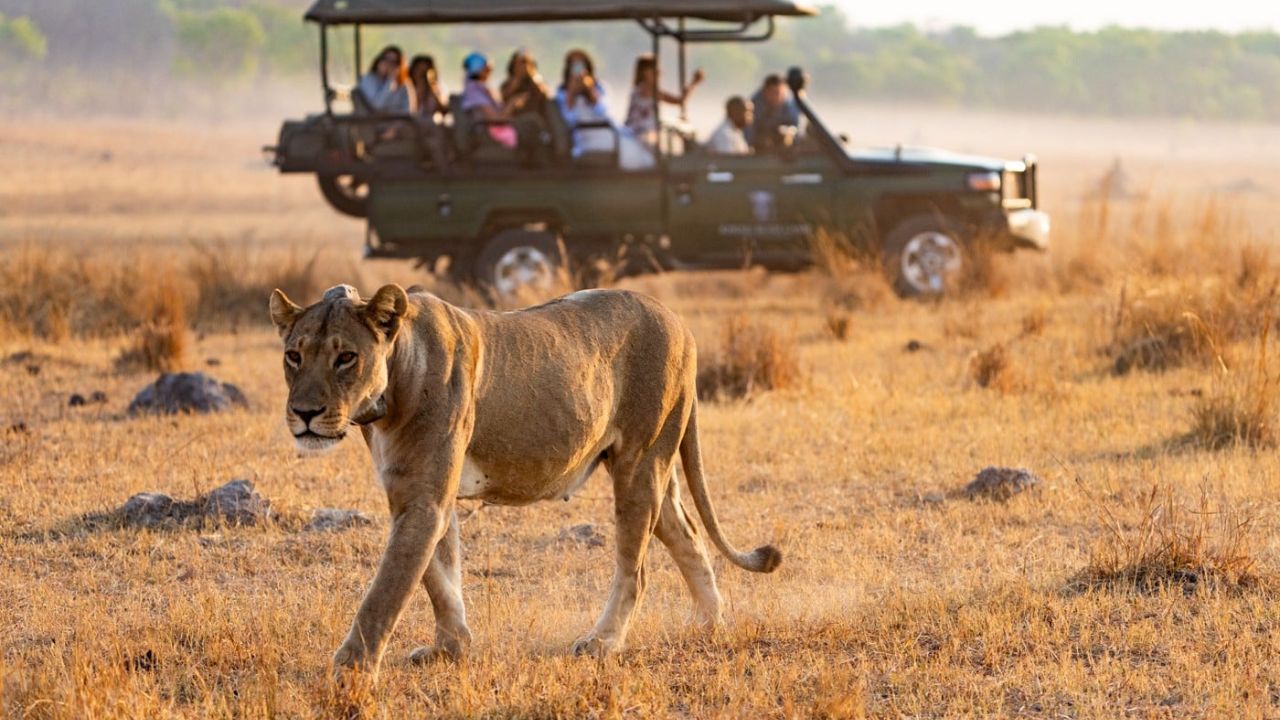
Open-sided safari vehicles seat between six and ten passengers in shared configurations, or two to four in private setups. Seating is tiered, rows elevated above each other, so every passenger has an unobstructed view. Most vehicles have a pop-up roof or open top. Many in East Africa are purpose-built with roof hatches that open fully for standing and photography.
When on a game drive, you are expected to remain seated while the vehicle is moving and while near wildlife. Your guide will tell you when it is safe to stand or shift position. This is non-negotiable in most operations. Sudden movement changes the vehicle’s silhouette and can startle animals, affecting the sighting for everyone.
Bring binoculars. A decent pair, 8×42 or 10×42 magnification, transforms distant sightings from vague shapes to readable animals. Many guests consider binoculars more useful than a camera for the majority of the drive. They also cost a fraction of the camera equipment most people bring.
Cold mornings are colder than most Australian visitors expect. Before sunrise in winter in the Sabi Sand or the Maasai Mara, temperatures can drop to single digits. Pack a warm layer in your day bag and remove it as the morning warms up. Your guide can usually advise on conditions the evening before.
What You’re Likely to See — and What You Might Not
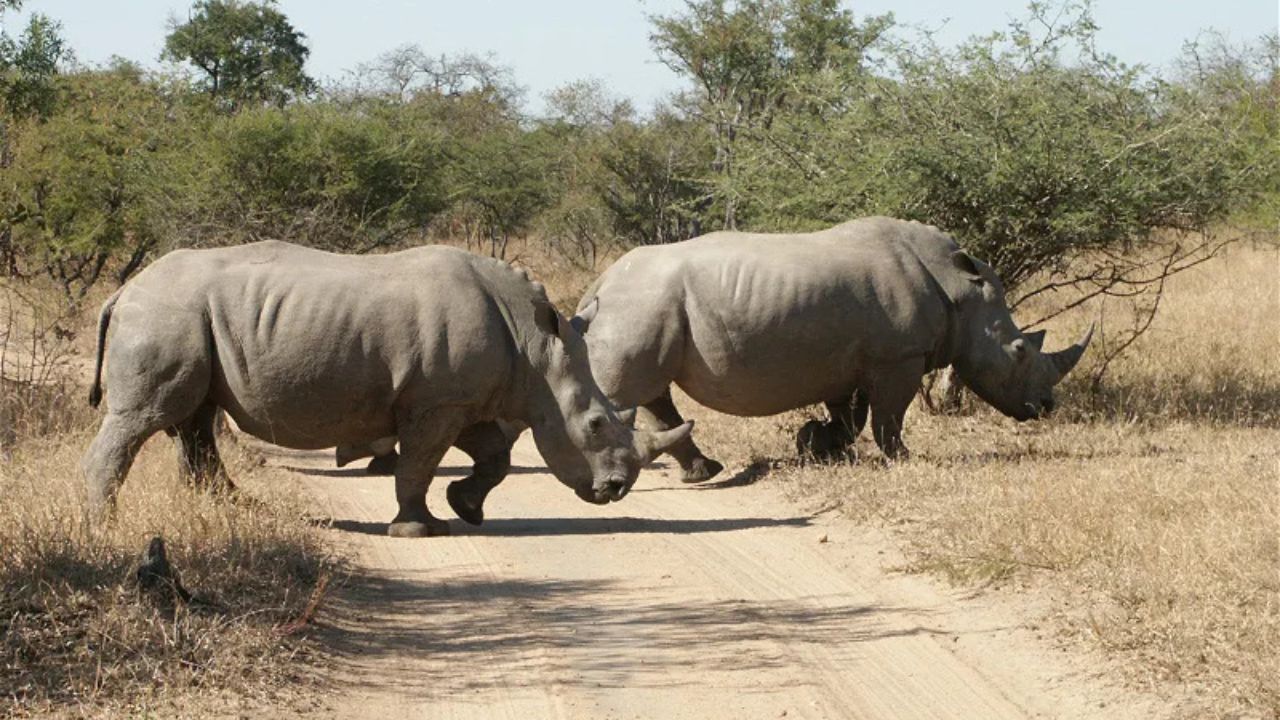
The Big Five, lion, leopard, elephant, buffalo, and rhino, are the species most commonly associated with African safaris, and for good reason. All five are large, dramatic, and visible on game drives in the best reserves.
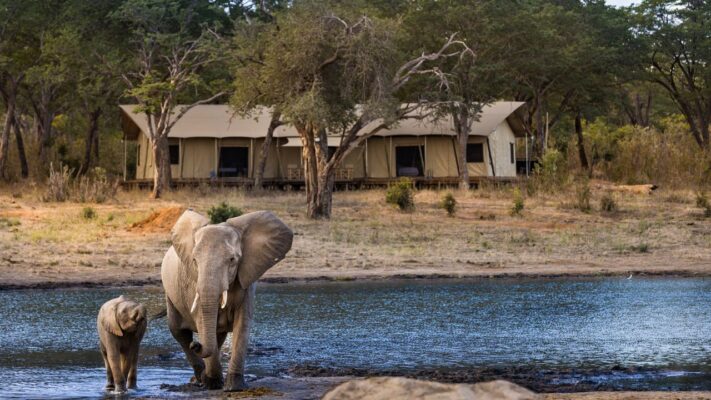
Seeing all five on a single trip is achievable in the right destinations with the right amount of time. South Africa’s Sabi Sand offers arguably the most reliable leopard sightings anywhere on the continent, sometimes multiple per day. Kenya’s Maasai Mara delivers lion sightings with extraordinary consistency. Botswana’s Linyanti region holds excellent numbers of wild dogs alongside its Big Five. Zimbabwe’s Hwange, meanwhile, is famous for its elephants, which can appear in herds of several hundred.
What most guests do not expect is the sheer variety beyond the Big Five. A single morning drive in the Serengeti might yield lions, cheetah, giraffe, zebra, wildebeest, warthog, impala, vervet monkey, baboon, and dozens of bird species. These include the unmistakable lilac-breasted roller and the enormous Kori bustard.
Nothing on safari is guaranteed. Experienced travellers learn to embrace this; the uncertainty is part of what makes a genuine sighting so affecting. The morning you watch a cheetah hunt and make a kill fifty metres from the vehicle stays with you for the rest of your life. It stays precisely because you could not have arranged it or predicted it.
Photography on the Game Drive: Practical Notes
The light on an African morning drive is extraordinary. The golden hour after sunrise delivers warm, directional light that flatters wildlife photography in a way that midday light simply does not.
Most modern smartphones will capture usable images of stationary animals in good light. For moving subjects, animals in low light, or situations where you need to reach across a distance, a dedicated camera with a telephoto lens makes a significant difference. At minimum, aim for 300mm equivalent, ideally 400mm or more.
Tell your guide if photography is a priority. A good ranger will position the vehicle with the light behind you and allow time at significant sightings rather than moving on. They will also actively look for behaviour rather than just static resting animals. In addition, many camps can arrange private vehicles for dedicated photography days, allowing the guide to position precisely and stay indefinitely at sightings.
The Moment the Vehicle Goes Quiet
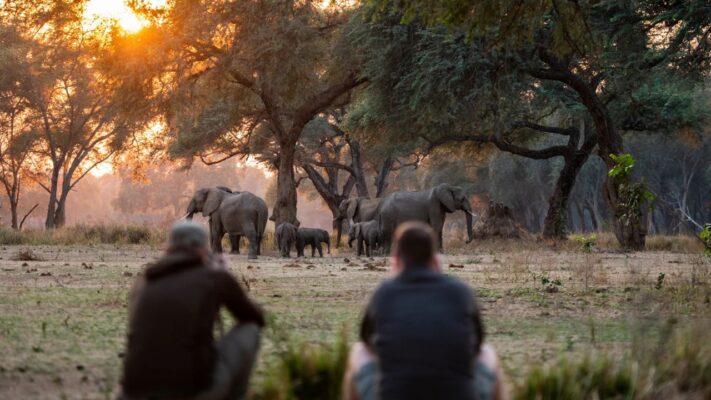
There are moments on a game drive when the guide cuts the engine and everything goes still. A leopard has just emerged from the undergrowth twenty metres ahead. A breeding herd of elephants is crossing the track, rumbling softly to each other as calves press against their mothers’ sides. The guide says nothing. Everyone in the vehicle says nothing.
These moments are what an African safari actually is. All the logistics, the early mornings, the long flight from Australia, the itinerary planning, they exist to put you in a seat in that vehicle, in that moment, watching something that has no equivalent anywhere else in the world.
African Signature Journeys designs private safari itineraries for Australian travellers. If you have questions about game drive experiences in specific destinations, our team is glad to help you think through the options. Get in touch at africansignature.com.
IN THIS SAFARI SERIES
PILLAR — African Safari: What to Expect Each Day
▸ HUB 1 — African Safari Game Drive: What Really Happens ← You are here
HUB 2 — African Safari Walking: What to Expect on a Bush Walk
HUB 3 — African Safari Evenings: Sundowners, Dinner, Camp Life
Sean Lues
Award Winning Safari Guide
Content by Award Winning Safari Guides
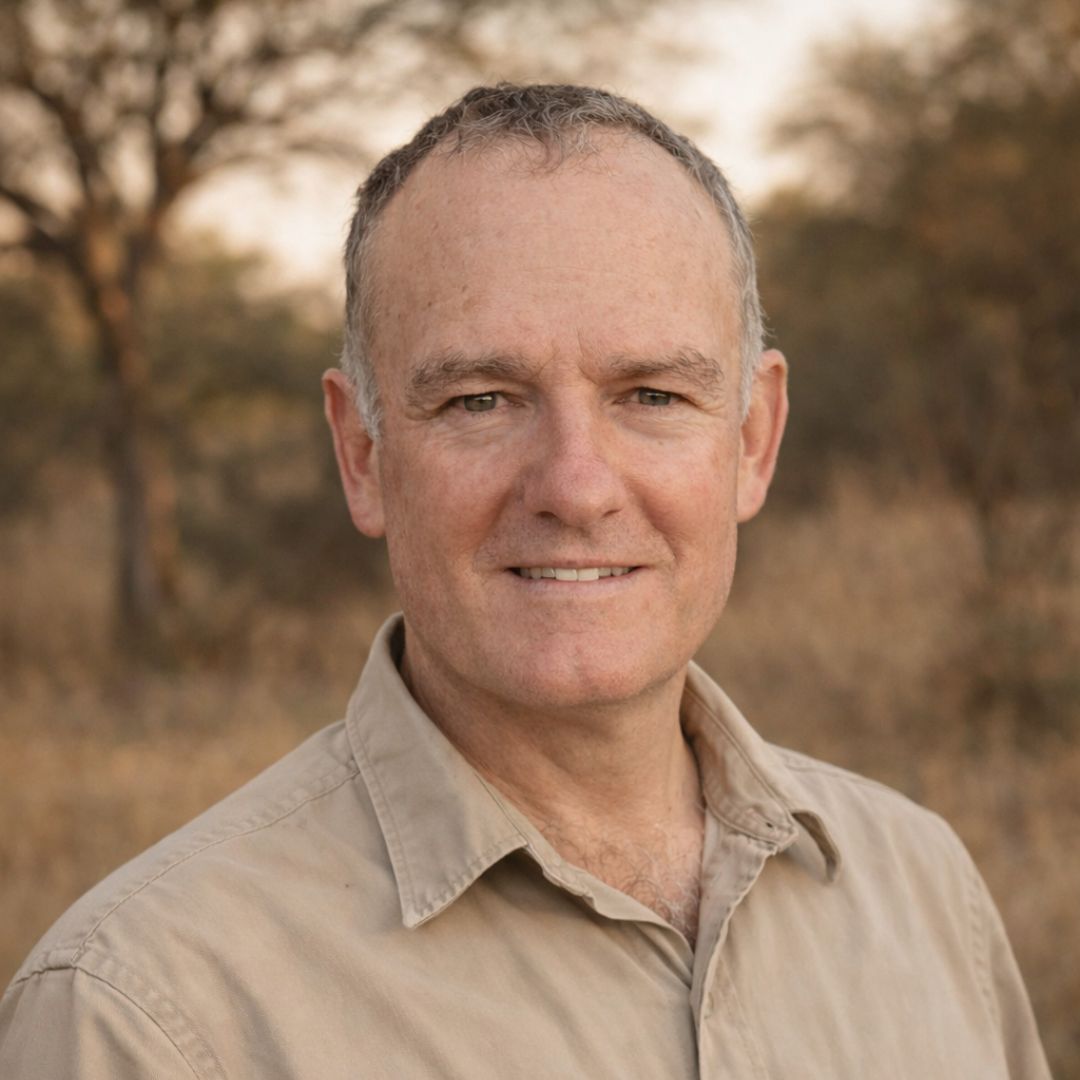
The content on African Signature Journeys is overseen by Sean Lues, an award-winning professional safari guide who was born and raised in Zimbabwe and has spent decades living, guiding, and managing safari operations across Africa.
Winner of the Zimbabwe Professional Guides Association Guide of the Year award, Sean is recognised for his deep knowledge of African wildlife, landscapes, and safari experiences. Now based in Australia, he combines firsthand African expertise with an understanding of what Australian travellers want from their safari adventure.
His experience helps ensure the information, recommendations, and insights shared by African Signature Journeys are practical, accurate, and based on real-world experience.
Do You Have a Question We Can Answer For You?
Connect with Sean