
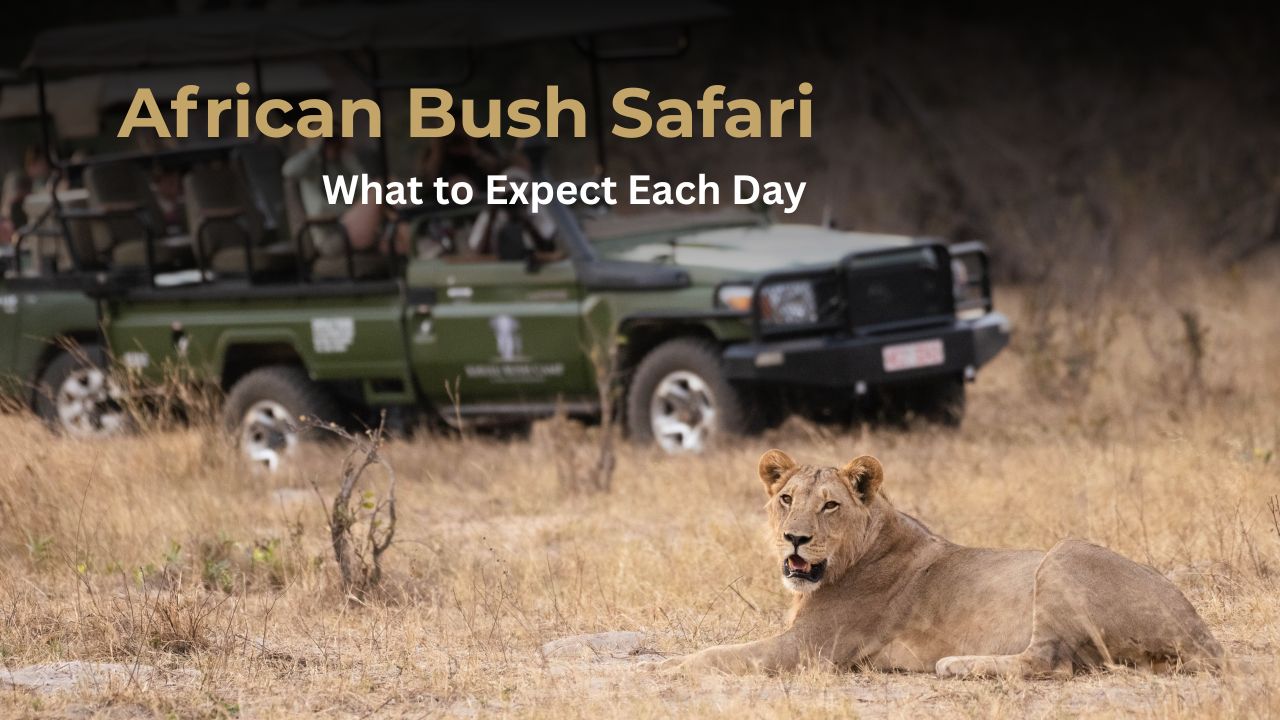
A Day in the Bush: What to Expect on an African Safari from Dawn to Bedtime
Most travellers arrive in Africa with a rough idea of what a safari involves. Game drives, wildlife, open vehicles, big skies. What surprises nearly everyone, however, is the rhythm of it. The days fall into a pattern that feels ancient and unhurried. That pattern is shaped entirely by the animals and the light.
This is what a typical African Safari day actually looks like. Not the brochure version, but the real one: the cold pre-dawn air, the first lion sighting before breakfast, the long drowsy afternoons, the sundowner ritual. And the kind of dinner you eat under stars so bright they feel close enough to touch.
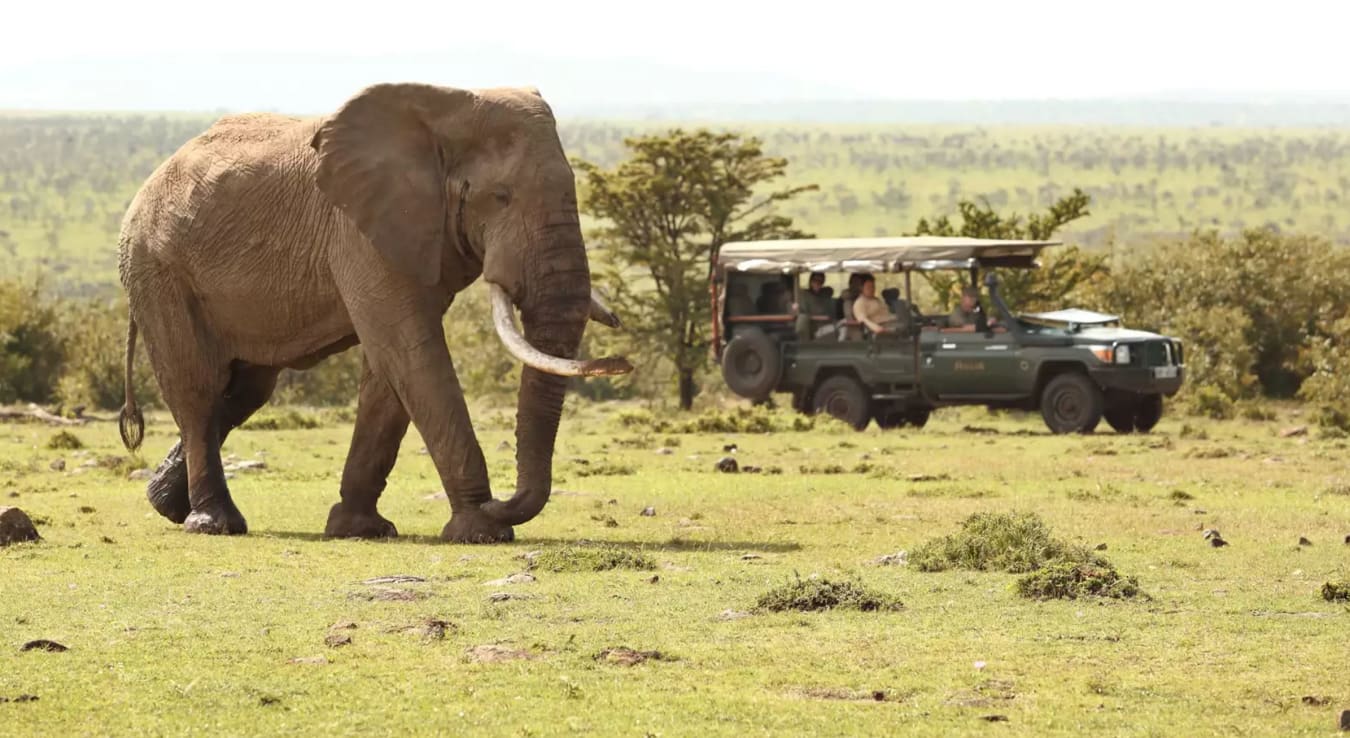
Why Safari Days Start Before Sunrise
The African bush runs on animal time, not human time. Wildlife activity peaks in the cool hours of early morning and late afternoon. As temperatures climb toward midday, pushing past 35°C in places like the Serengeti, the Okavango Delta, or South Africa’s Greater Kruger, most animals retreat into shade. They become nearly impossible to find.
As a result, your wake-up call comes early. On most traditional lodge safaris, a staff member knocks on your door between 5:30am and 6:00am. They usually arrive carrying tea or coffee and a small plate of biscuits. In some camps, the call comes even earlier. In private conservancies bordering Kenya’s Masai Mara, guides are sometimes out by 5:15am to catch the first light on the plains.
The logic is straightforward. Lions and leopards finish overnight hunting in the cool hours and become visible as the sun rises. Antelope are active and moving before the heat sets in. Cheetahs begin to hunt as soon as there is enough light to see. For these reasons, the morning drive can be, by nearly universal agreement, the most productive of the day.
Dress in layers. Even in summer, an open 4WD moving through the bush before sunrise is cold. A fleece or light jacket is essential. By mid-morning, however, you will be peeling it off.
The Morning Game Drive: Three to Four Hours in the Bush
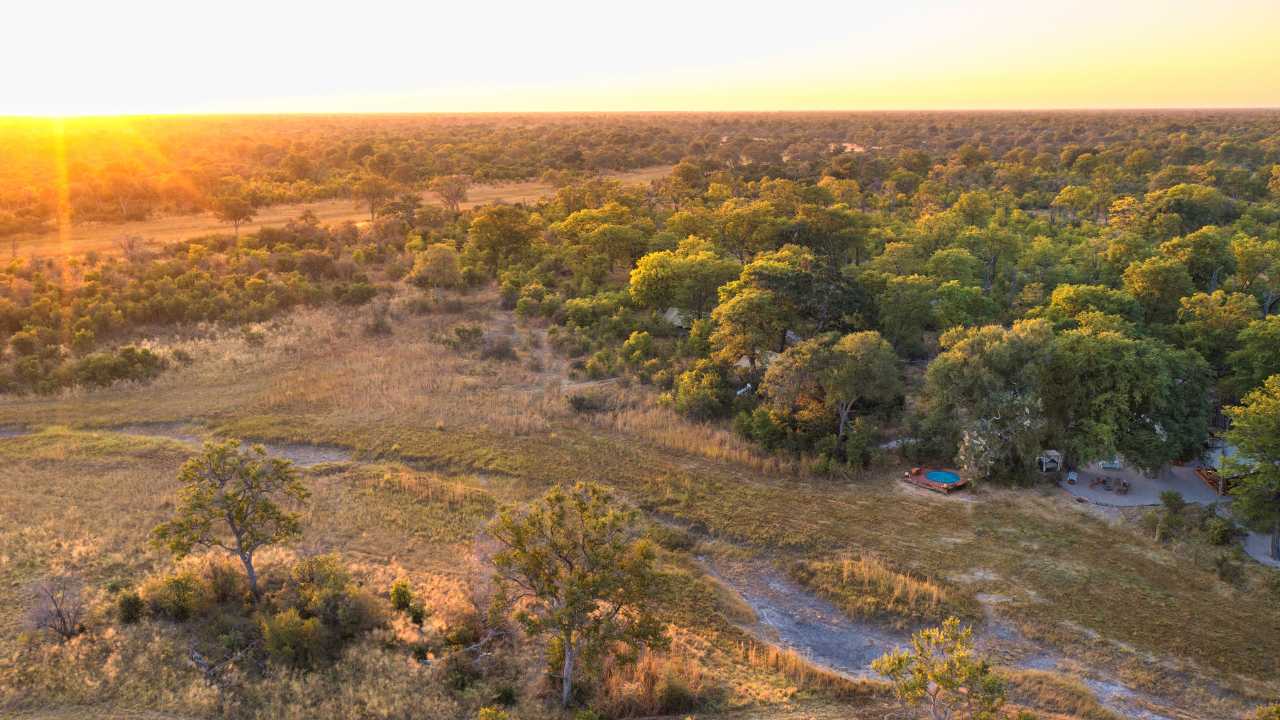
You depart from the lodge or camp shortly after the brief coffee and rusks. Most vehicles leave by 6:00 am or 6:30 am. The vehicle is typically an open-sided 4WD, a Land Rover, Land Cruiser, or similar. Seating is elevated so every passenger has a clear view. Your ranger drives, while sometimes a tracker reads the ground for signs of animal movement. The tracker sits on a raised seat at the front of the vehicle, sometimes called the “bonnet seat.”
This guide-and-tracker partnership is one of the most impressive things to witness on safari. The tracker can identify a fresh lion paw print from a vehicle moving at walking pace. They can distinguish between a sleeping elephant and a dead one from hundreds of metres away. They can also read bent grass to tell which direction a herd moved and how long ago. In some areas the guides stay in radio contact with others in the area, sharing sightings in real time.
The morning drive typically runs three to four hours. During that time, you might cover forty kilometres across open plains, riverine forest, and rocky outcrops. Alternatively, you might park beside a single pride of lions and watch them for an hour without moving. The best guides read what their guests want, have an understanding of what is likely to happen in the bush and adapt accordingly.
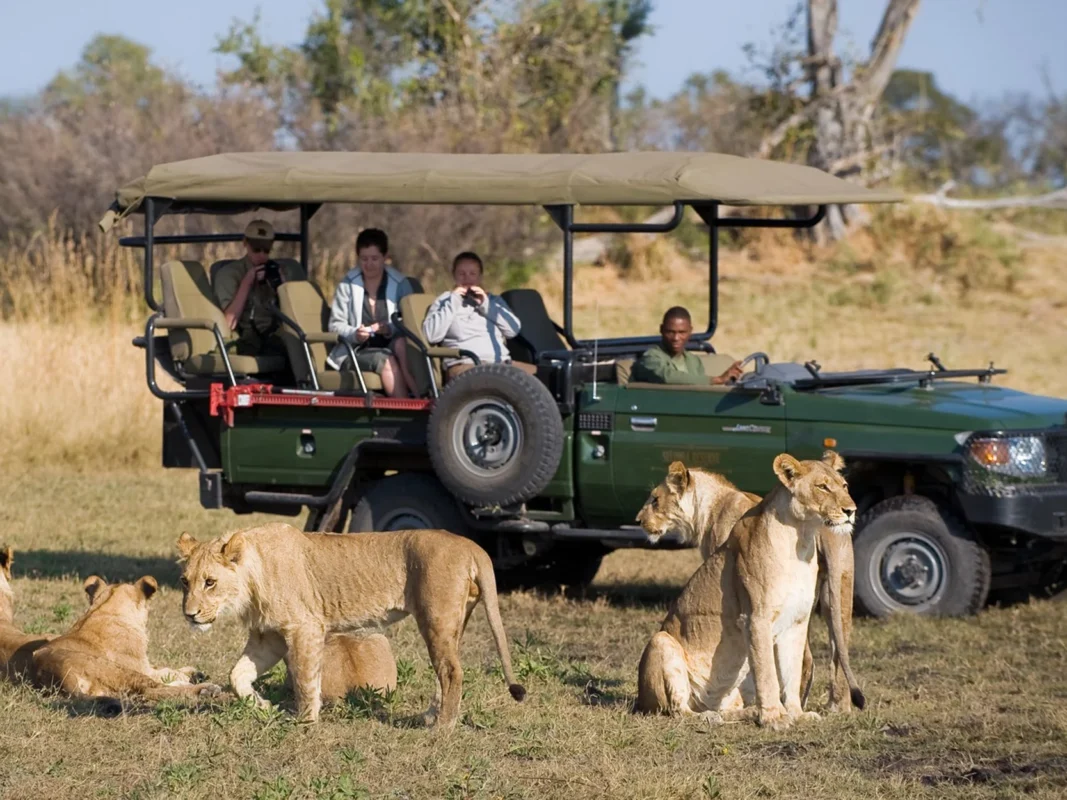
For a deeper look at what actually happens inside the vehicle and how guides find animals, read our Hub post on African Safari Game Drive: What Really Happens.
Bush Breakfast: One of Safari’s Quiet Pleasures
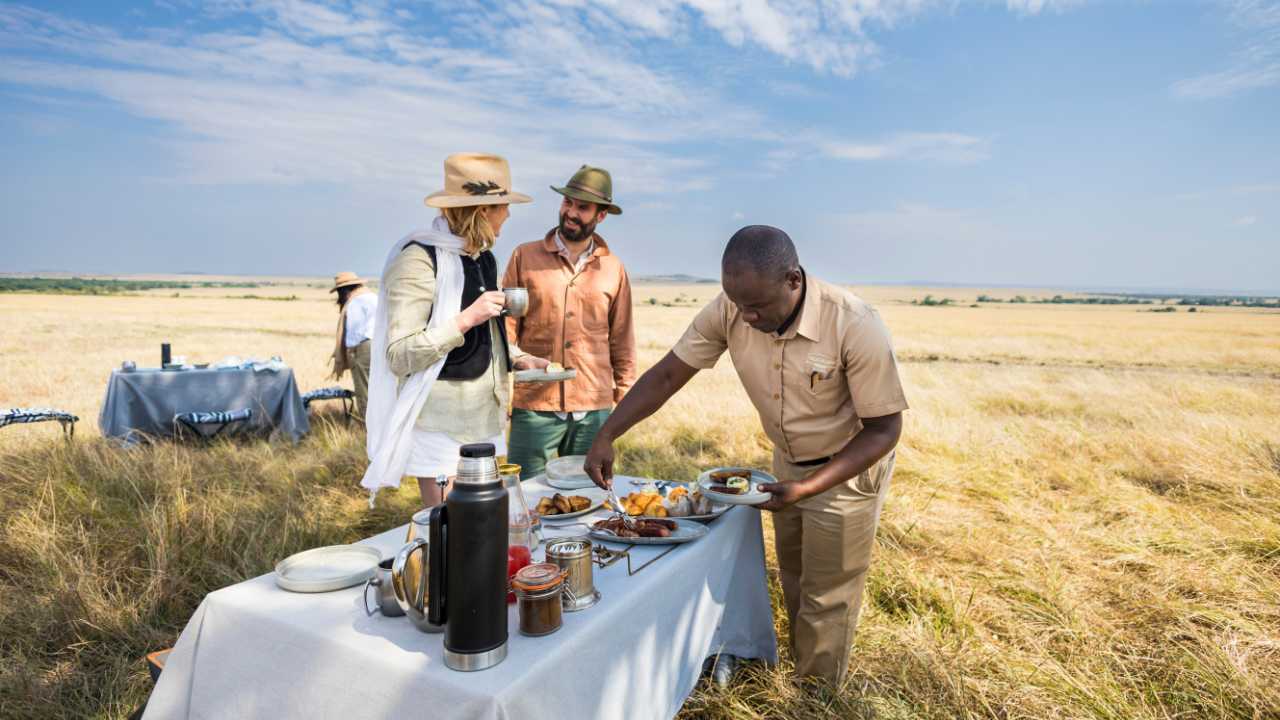
Around 9:00 am or 9:30 am, the vehicle stops somewhere beautiful. A fallen log near a waterhole, a clearing on the riverbank, a termite mound with a view across the plains.
The guide will lay out a breakfast in the bush. Or, on occasion the camp staff drive out ahead to meet you.
Fresh fruit, boiled eggs, toast, pastries, yoghurt, strong coffee, juice. You sit in the open air with lions possibly audible in the distance. Nearby, oxpeckers work the necks of a nearby giraffe. Without question, it is one of the most memorable meals most people eat in their lives. And it happens on a Tuesday morning.
Some camps serve breakfast back at the lodge if the morning drive wraps earlier. Either way, it is a proper spread. After four hours in the cool air, you will certainly be hungry.
Midday: The Bush Goes Quiet — and So Should You
Return to the lodge usually happens between 10:00 am and 11:00 am. The next game drive does not leave until around 3:30 pm or 4:00 pm. This gap is not dead time; it is a fundamental part of the safari rhythm.
The animals are resting. Your body is telling you to do the same.
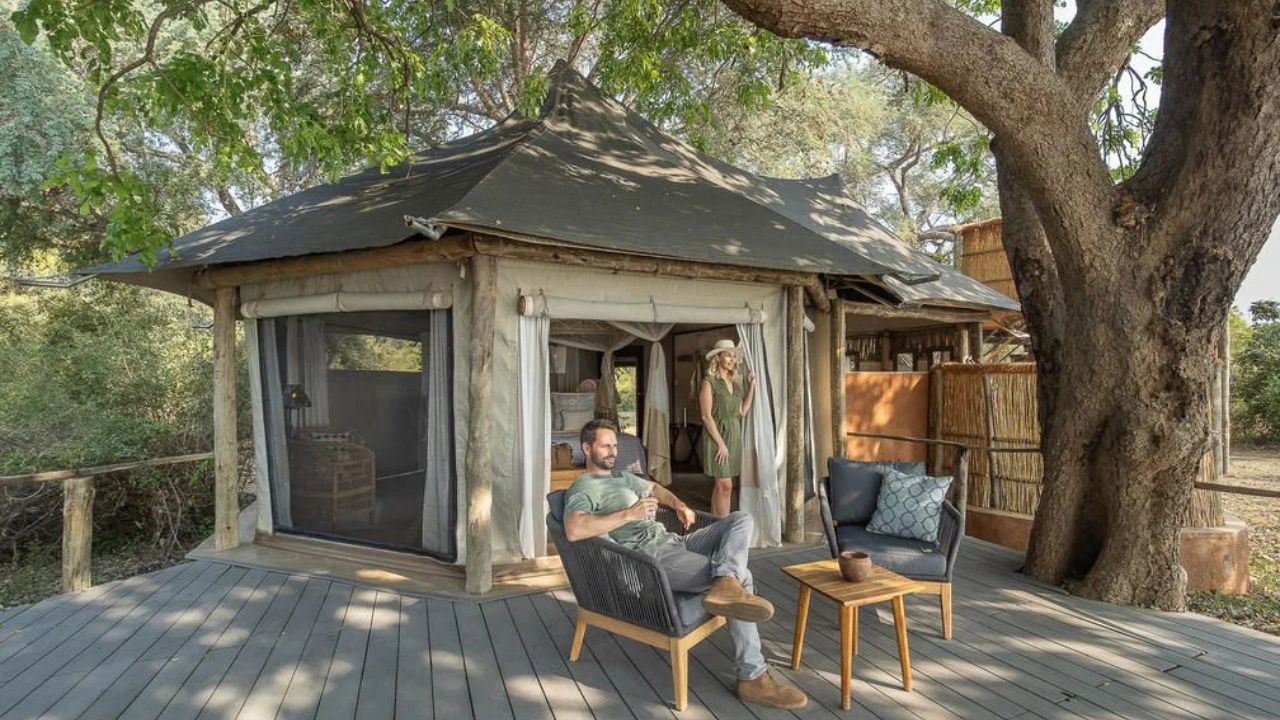
Most lodges and camps offer ample space to relax between drives: a shaded deck overlooking a waterhole, a pool, a comfortable lounge. Lunch is usually served around midday, often a light, seasonal spread. After lunch, a rest is genuinely advised. The heat is real. The early mornings accumulate. As a result, the afternoon drive will be better for it.
This is also the time to review your morning’s photographs or write notes. Many travellers chat with their guide about what they saw or ask about the afternoon plan. Indeed, many experienced safari guests say the midday hours, quiet, warm, with the bush sounds all around, are among the most restorative of any holiday they have taken.
Afternoon Tea and the Second Game Drive
Around 3:00pm or 3:30pm, afternoon tea appears. High tea has been a safari tradition since the colonial era, and the better camps take it seriously: scones, small sandwiches, homemade cake, biltong, tea (hot or iced) and coffee. It is, as one camp manager once put it, the meal you did not know you needed before spending four more hours in the bush.
The afternoon drive departs by 4:00pm at the latest. Shadows lengthen. The temperature drops. Animals that spent the day hiding under trees begin to stir. Lions start contact-calling across the grass as prides reassemble after the heat. Hippos lumber out of their pools to begin grazing. Leopards, meanwhile, drop from the tree canopy and begin moving through the undergrowth.
The afternoon drive runs until dark, roughly 6 to 6:30pm, depending on the season. In private concessions and conservancies, vehicles can legally stay out after dark and use spotlights to find nocturnal animals. This applies to properties around the Sabi Sand in South Africa, the conservancies adjoining the Masai Mara in Kenya, and camps in the Okavango Delta in Botswana. In national parks with fixed closing times, however, drives must return by gate closing.
This is where the sundowner comes in.
Sundowners: The Ritual at the End of the Day
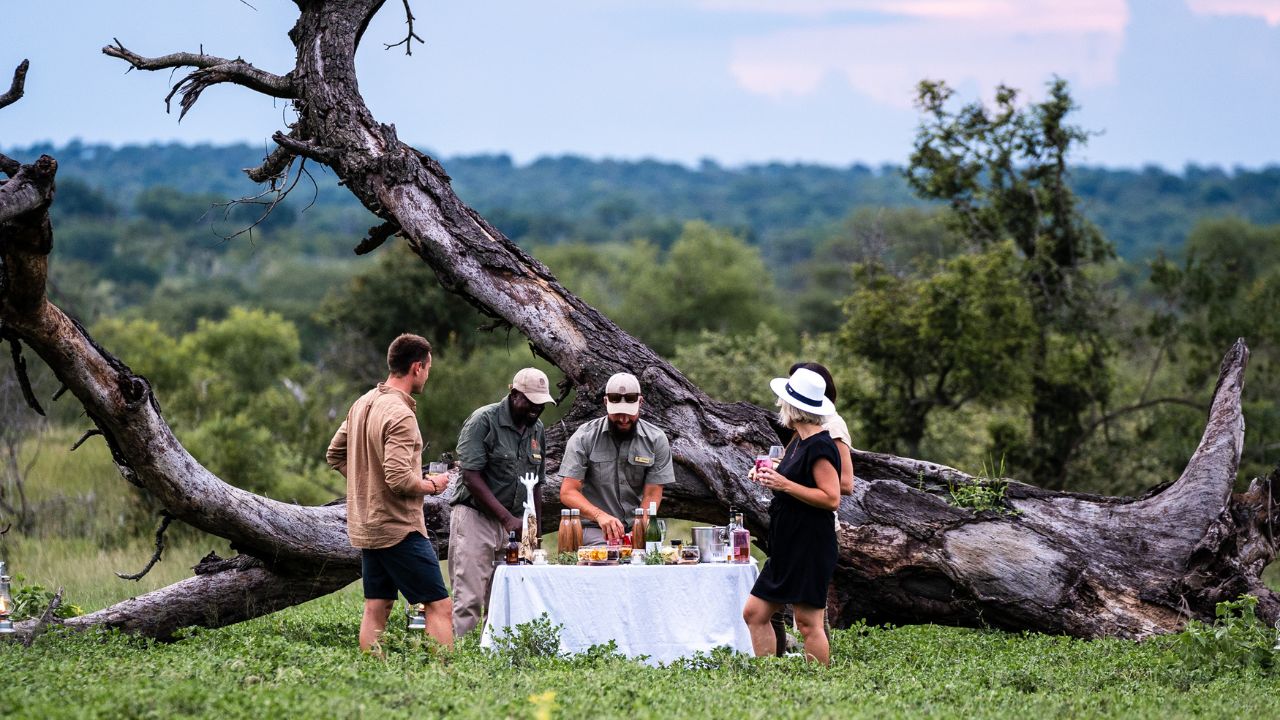
Partway through the afternoon drive, as the sun starts its descent, your guide pulls the vehicle to a chosen spot. It might be a kopje (rocky outcrop) with a 360-degree view, a bend in the river, or a clearing where elephants are drinking in the fading orange light.
The cooler box comes out. Drinks are poured: cold beer, gin and tonic, wine, sparkling water, juice. The biltong, nuts, and small snacks follow. Then everyone stops talking for a moment, because the sky does something extraordinary.
Sundowners are not a marketing invention. They are a deeply established tradition. Every seasoned Africa traveller regards them as one of the most emotionally memorable parts of the safari experience. The combination of the day’s sightings, the physical openness of the landscape, the cooling air, and the quality of African light at dusk produces something genuinely difficult to articulate.
Night Drives, Walking Safaris, and the Other Dimensions of a Safari Day
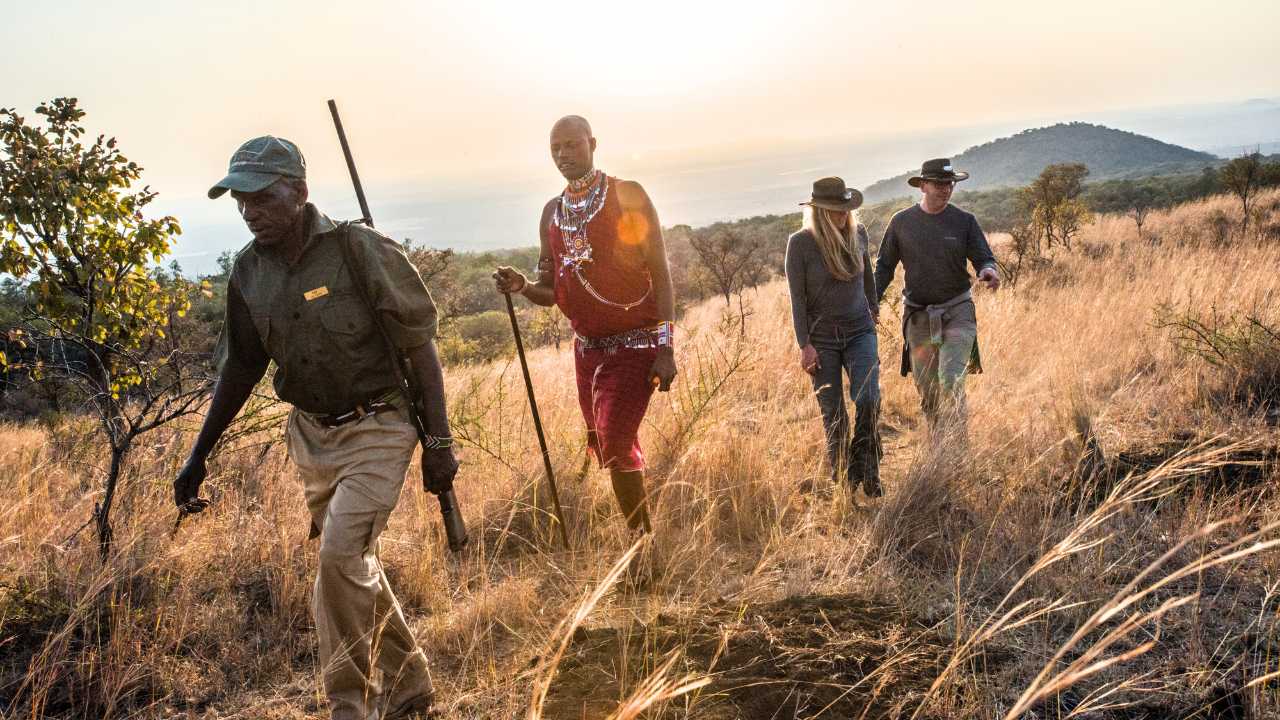
Not every day on safari is purely game drives. Many of the best camps offer walking safaris, usually early morning, sometimes mid-morning, occasionally late afternoon. You leave the vehicle and enter the bush on foot, led by an armed ranger and a tracker.
Walking changes everything about scale. A termite mound that looks modest from a vehicle is taller than you are. Elephant dung that seemed like background detail is warm and fresh, a signal that a herd passed through in the last twenty minutes. Furthermore, the sounds and smells of the bush, damp grass, wild sage, and the musty-sweet scent of a lion register in ways they simply cannot through a vehicle window.
Walking safaris are available in many of Africa’s best wilderness areas. These include Zambia’s South Luangwa, a pioneer of the walking safari, Zimbabwe’s Hwange, the private reserves around Kruger, and various Botswana concessions. Veterans of African travel frequently cite them as life-changing.
Night drives are available in private concessions throughout southern and East Africa, revealing a completely different cast of characters. Porcupines, civets, genets, aardvarks, spring hares, and the occasional leopard illuminated by a red spotlight. The nocturnal world is as rich as the daytime one. Most travellers are surprised to discover it exists at all.
Dinner and the Evening in Camp
Return to camp usually happens between 6:30pm and 7:30pm. You will have twenty to thirty minutes to shower and change before drinks gather around the campfire or on the lodge deck.
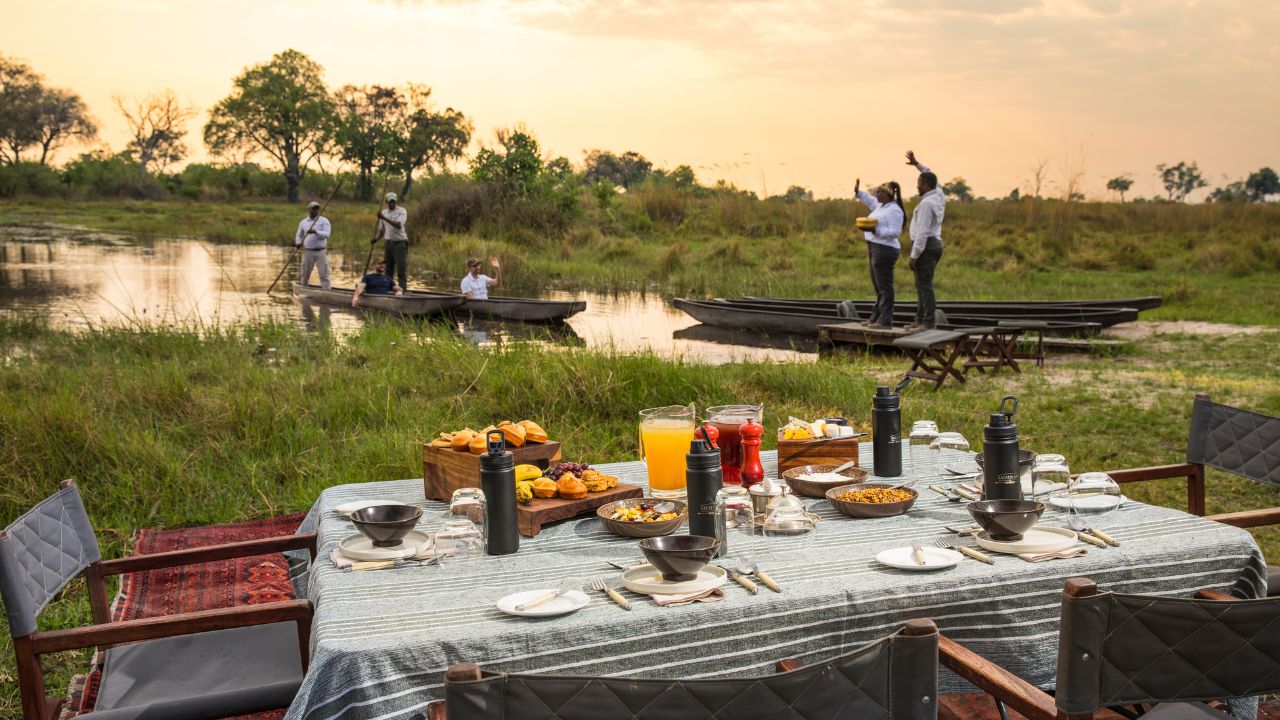
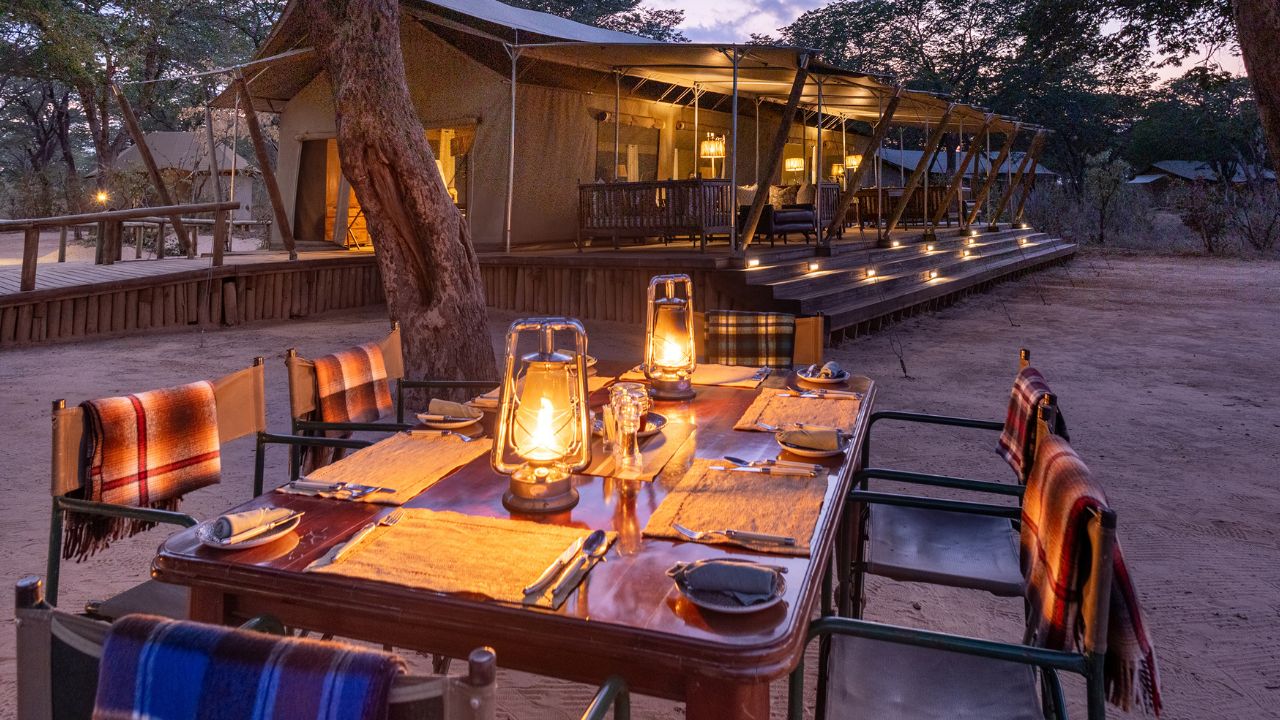
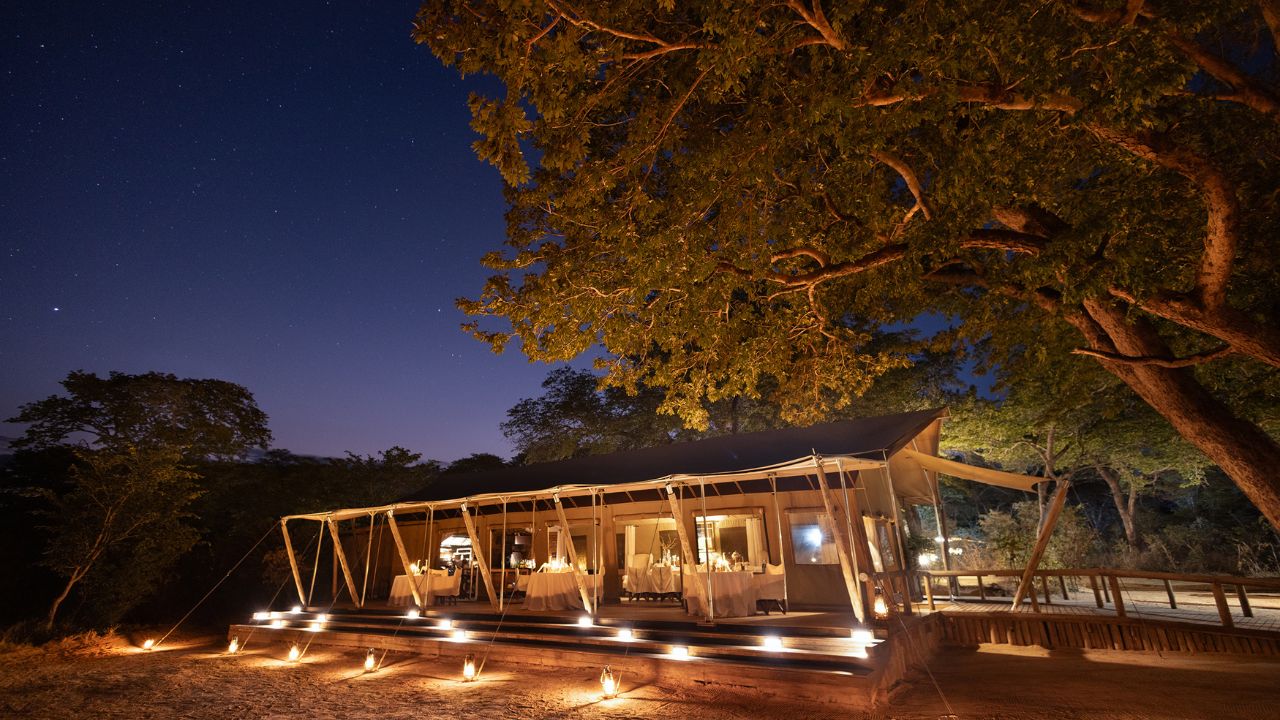
Dinner on an African safari is a proper occasion. Some camps serve it in an open boma, a traditional circular enclosure with a fire at its centre, open to the sky. Others lay tables on a deck overlooking a floodlit waterhole. Some go entirely alfresco under the stars. In all cases, the quality is consistently high. Most African lodges and camps at the four- and five-star level employ trained chefs who produce food that would not be out of place in a good city restaurant. Local ingredients and African-inspired flavours sit alongside familiar international dishes.
Wine and drinks are included at most all-inclusive lodges. Conversation around the table and fire tends to go long, about the day’s sightings, the animals and their stories, about Africa itself. Most safari guests find themselves in bed by 9:30 pm or 10:00 pm. Not because they are forced to be, but because they have been up since before dawn and the day has been genuinely full.
The next morning the knock comes again. And you find yourself, surprisingly quickly, looking forward to it.
What Changes Between Destinations
The basic rhythm described here holds across most of eastern and southern Africa. What changes, however, is the wildlife, the landscape, and the style of the experience.
In Tanzania’s Serengeti and Kenya’s Masai Mara, vast open plains mean game drives cover more ground. The Great Migration, over 1.5 million wildebeest moving in a continuous circuit, also adds a dramatic seasonal dimension. In Botswana’s Okavango Delta, some camps swap the vehicle for a mokoro (dugout canoe) for part of the day. The water-based wilderness adds an entirely different sensory register. In South Africa’s Sabi Sand Game Reserve, meanwhile, private land adjacent to Kruger means extraordinary leopard sightings at close range. The guiding standards here are consistently among the highest on the continent.
Each destination deserves its own consideration, the right season, the right camp style, the right activity mix. That is exactly what a well-designed bespoke safari does. It builds a day-by-day experience that puts you in the right place at the right time, with the right people to help you understand what you are seeing.
A Note for First-Time Safari Travellers from Australia
The flight from Australia to Africa is long, typically 14 to 18 hours depending on routing, often via Dubai, Singapore, or Johannesburg. Arriving tired at your first camp is completely normal. Most experienced operators, therefore, build an arrival day with minimal pressure. This gives you time to settle in, enjoy a proper dinner, and get an early night before your first full safari day begins.
Time zones are manageable. Eastern Africa, Kenya, Tanzania, Uganda- runs five to seven hours behind Australian eastern states’ time, depending on the season. Southern Africa runs eight to ten hours behind. Interestingly, the early wake-up call often helps with jet lag adjustment. It forces your body onto African time from day one.
Within three or four days, most travellers stop noticing the early mornings. They start waking up before the knock.
Planning an African safari from Australia? African Signature Journeys designs bespoke safaris tailored to your travel style, timing, and the wildlife experiences that matter most to you. Get in touch with our team to start the conversation.
In This Safari Series
- African Safari: What to Expect Each Day ← You are here
- The Game Drive in Depth: How Guides Find Wildlife and What to Expect in the Vehicle
- The Walking Safari: What To Expect on a Bush Walk
- Sundowners to Starlight: The Culture of Safari Evenings

Sean Lues
Award Winning Safari Guide
Content by Award Winning Safari Guides
The content on African Signature Journeys is overseen by Sean Lues, an award-winning professional safari guide who was born and raised in Zimbabwe and has spent decades living, guiding, and managing safari operations across Africa.
Winner of the Zimbabwe Professional Guides Association Guide of the Year award, Sean is recognised for his deep knowledge of African wildlife, landscapes, and safari experiences. Now based in Australia, he combines firsthand African expertise with an understanding of what Australian travellers want from their safari adventure.
His experience helps ensure the information, recommendations, and insights shared by African Signature Journeys are practical, accurate, and based on real-world experience.
Do You Have a Question We Can Answer For You?
Connect with Sean
No block ID is set