National Parks, Private Game Reserves, and Conservancies: What Every Safari Traveller Needs to Know
Most people planning their first African safari start with a destination: Kenya, Tanzania, Botswana, South Africa. The country feels like the decision. It isn’t.
The more consequential choice is the type of land you safari on. A national park and a private conservancy sitting side by side can share the same animals and the same landscape, and deliver completely different experiences.
Understanding the three main categories, national parks, private game reserves, and conservancies, is the foundation of good safari planning. Each has a different ownership model, different rules, and a different feel. Knowing what you’re choosing matters enormously, especially when you’re flying from Australia and investing in a once-in-a-decade journey.
What a National Park Is, and What That Means for You
National parks are government-owned and managed. The land belongs to the state. Anyone who pays the entrance fee can enter.
Africa’s most famous safari destinations fall into this category. The Serengeti in Tanzania. Kruger in South Africa. Chobe in Botswana. The Maasai Mara National Reserve in Kenya. Etosha in Namibia. These are iconic names for good reason, they protect vast ecosystems with extraordinary concentrations of wildlife and diverse habitats.
The trade-off is the word public. Public means open to everyone. And during peak season, at popular sightings, that can translate to vehicles. Many vehicles.
In busy areas of Kruger or the Maasai Mara, a lion kill or a leopard sighting can attract 20 to 30 vehicles simultaneously. The rules in most national parks require all vehicles to stay on designated roads. When an animal disappears into thick bush 40 metres from the road, you stay on the road.
Night drives are generally not permitted inside national park boundaries. Gates close at sunset. Guided walking safaris are rarely available, and where they are, they operate under strict conditions.
None of this makes national parks a lesser experience. The Serengeti’s scale is humbling. Kruger’s road network is extraordinary for self-drivers. Ngorongoro Crater in Tanzania is one of the most concentrated wildlife spectacles anywhere on earth. National parks have things that private land cannot replicate, above all, sheer size and the full sweep of an ecosystem.
However, the rules are the rules. They are there for good conservation reasons. And they shape the experience in ways that aren’t always obvious until you’re there.
What a Private Game Reserve Is, and How It Differs
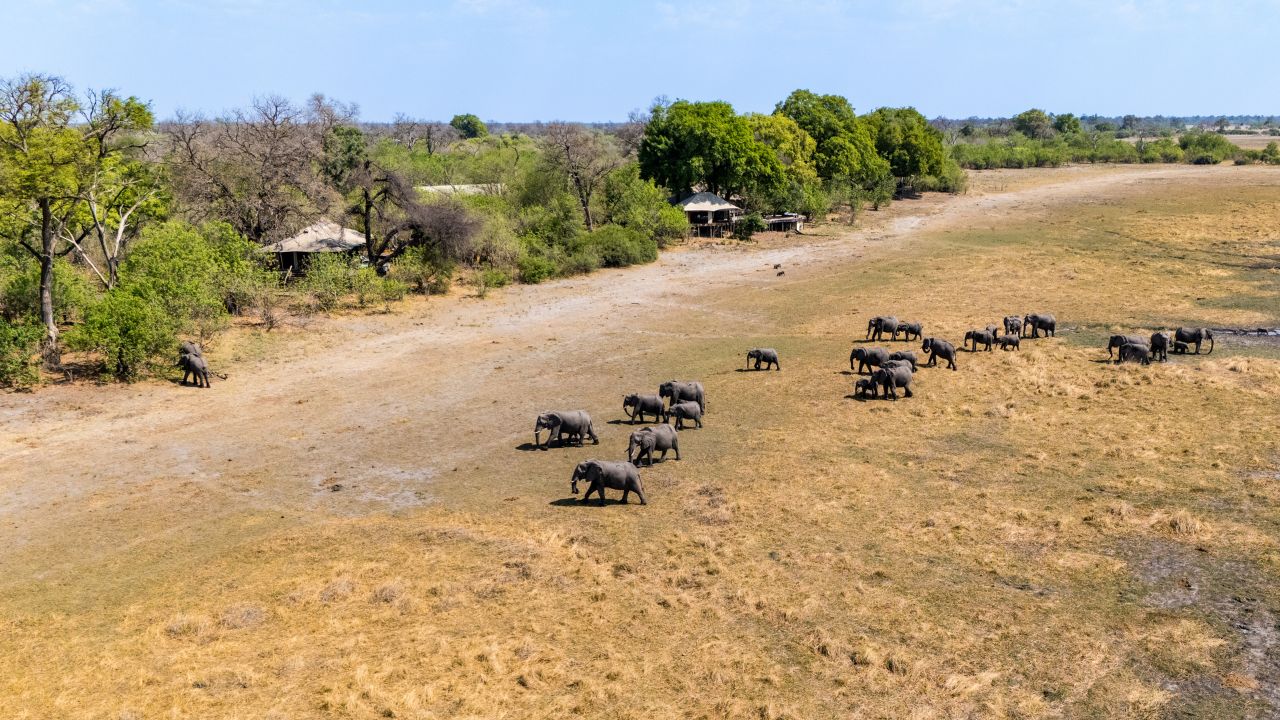
A private game reserve is privately owned land, managed for conservation and tourism by individuals, companies, or organisations. Entry is restricted to guests staying at lodges or camps within the reserve. No day visitors. No self-drive option.
The most celebrated examples sit directly adjacent to national parks, sharing open, unfenced boundaries with them. Sabi Sands in South Africa shares a 50-kilometre border with Kruger National Park. Wildlife, lions, leopards, elephants, moves freely between them. The animals don’t know the boundary exists. The experience on each side of it is profoundly different.
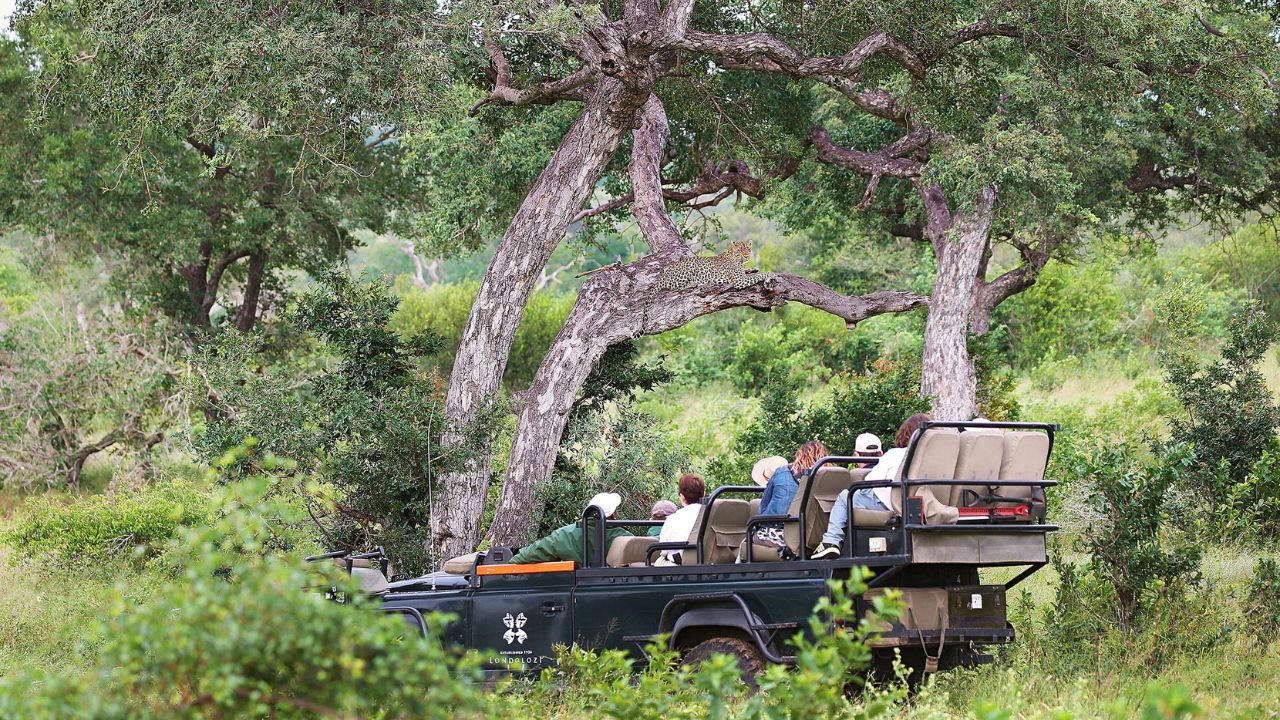
In a private reserve, the rules that constrain national park game drives largely disappear. Guides can leave the road and follow an animal wherever it leads. When a tracker locates a leopard in a thicket, the vehicle drives off-road to reach it. This single difference, off-road access, transforms what’s possible.
Night Drives
Night drives are standard. Most private reserve lodges run two game drives per day: an early morning departure and an afternoon drive that continues into the dark. A spotlight reveals a world the national park visitor simply doesn’t see. Civets. Genets. Aardvarks. Leopards hunting in real time.
Vehicle numbers at sightings are controlled. In Sabi Sands, a maximum of two to four vehicles attend any single sighting. On some exclusive concessions, just one vehicle is permitted. The silence of sitting alone with a sleeping cheetah, no other engine, no other voice, is a specific, irreplaceable thing.
All of this comes at a cost. Private reserve lodges are all-inclusive: accommodation, meals, game drives, and often drinks are bundled into the nightly rate. That rate reflects not just comfort, but the infrastructure of exclusivity, the radio network among guides, the trained trackers, the control over vehicle numbers. Sabi Sands lodges run from roughly USD 700 per person per night at the accessible end to well over USD 2,000 at the most exclusive.
The value is not the same as the price. It’s worth understanding both.
What a Conservancy Is, and Why It Matters
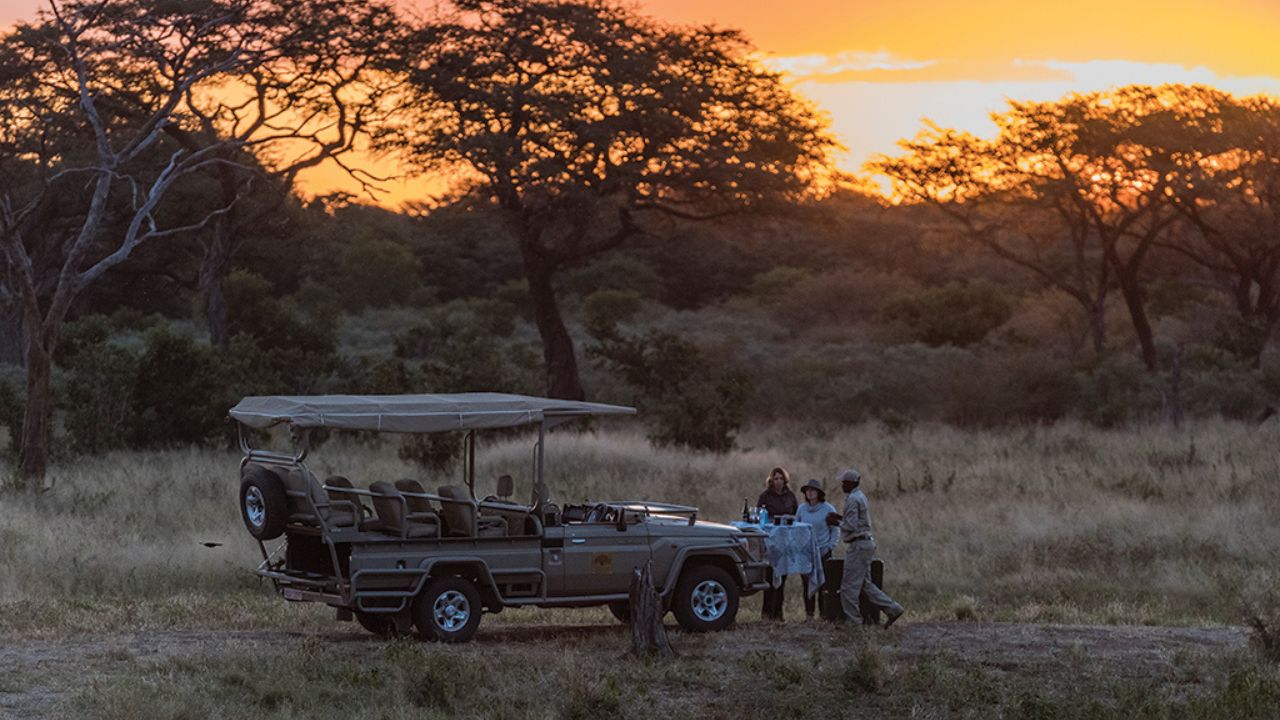
Conservancies occupy a distinct and increasingly important category. They are pieces of land owned by local communities, predominantly indigenous peoples such as the Maasai in Kenya, and leased to safari operators under agreements that return income directly to landowners and their communities.
The best example in Africa is the constellation of conservancies surrounding Kenya’s Maasai Mara National Reserve. Names like Mara Naboisho, Olare Motorogi, Ol Kinyei, and Mara North now cover more than 350,000 acres around the reserve’s boundaries. Each one was established through agreements with Maasai landowners who chose to convert cattle-grazing land into wildlife habitat. The animals came back. The ecosystem recovered. And the communities receive monthly lease payments plus daily visitor fees that fund schools, clinics, and clean water.
The conservancy model delivers a safari experience closer to a private reserve than a national park. Visitor numbers are strictly controlled. Mara Naboisho, for instance, has only nine camps on its 145 square kilometres, roughly 877 acres per tent. Olare Motorogi operates at one game-viewing vehicle per 2,100 acres. Off-road driving, night drives, and guided walking safaris led by Maasai guides are all available.
There are no fences between conservancies and the national reserve. Wildlife moves freely. A guest in Olare Motorogi has access to some of the highest lion densities in Africa, can take a night drive, and can arrange a full-day excursion into the main Maasai Mara Reserve, none of which is possible if staying inside the reserve itself.
Conservancies add a layer that pure private reserves don’t always offer: direct, transparent community benefit and cultural depth. Your presence in a conservancy is a material contribution to a Maasai family’s livelihood. That’s a different kind of value.
The Side-by-Side Comparison
| National Park | Private Game Reserve | Conservancy | |
| Ownership | Government | Private (individual or company) | Community (e.g. Maasai landowners) |
| Access | Open to all paying visitors | Lodge guests only | Lodge guests only |
| Off-road driving | Not permitted (most parks) | Yes, standard | Yes, standard |
| Night drives | Not permitted (most parks) | Yes, standard | Yes, standard |
| Walking safaris | Rarely; limited conditions | Yes, at most lodges | Yes, often led by local guides |
| Vehicle numbers at sightings | Unlimited | Strictly controlled (2–4 vehicles) | Strictly controlled (often fewer) |
| Wildlife scale | Very large — full ecosystem | Smaller area, high density | Varies; often excellent density |
| Accommodation range | Budget to luxury | Primarily luxury, all-inclusive | Mid-range to luxury, all-inclusive |
| Community benefit | Government revenue | Varies by operator | Direct to landowners, by design |
| Self-drive | Yes, in many parks | Not available | Not available |
How These Land Types Work Together
The most thoughtful safari itineraries combine all three.
A week in Tanzania might begin with two nights inside the Serengeti, enough time to feel the scale of the ecosystem and witness the migration if timing is right, followed by three nights in a private concession within the park boundary, where off-road access and night drives change the experience entirely.
A Kenya itinerary often pairs two or three nights inside the Maasai Mara National Reserve, for the famous migration river crossings and the sheer volume of wildlife, with three nights in Olare Motorogi or Mara Naboisho, where the pace is slower, the vehicle numbers lower, and the big cats more accessible.
In South Africa, a classic combination is several self-drive days inside Kruger National Park, followed by two or three nights in Sabi Sands. The contrast is instructive. It shows, clearly, what exclusivity buys, and what independence on a public road offers in return.
Different types of land suit different types of travellers and different moments in a trip. They are complementary, not competing.
Why Private Land Costs More — and What That Money Actually Buys
This is the question most travellers arrive with. Is the private reserve worth it?
The premium reflects several specific things. First, exclusivity has infrastructure: the radio communication between guides, the trained tracker riding ahead of the vehicle, the fuel cost of covering a large traversing area multiple times a day. Second, all-inclusive rates bundle meals, drinks, and two game drives into a single figure, which compresses the apparent gap with national parks that look cheaper but require separate bookings for accommodation, meals, park fees, and guided drives. Third, controlled vehicle numbers at sightings require more land per guest, and more land costs more to maintain.
The question isn’t whether the premium is real. It is. The question is whether the experience it delivers matches what you are looking for.
For a traveller who wants to track a leopard off-road, sit alone with a pride of lions at sunset, and drive through the dark with a spotlight picking out nightjars and honey badgers, a private reserve or conservancy is the only way to access those experiences. They are structurally unavailable inside most national parks.
For deeper context on specific land types, the Hub posts below go into more detail.
Plan Your Safari With African Signature Journeys
Choosing between land types is easier with someone who knows the specific lodges, the seasonal rhythms, and what each reserve is genuinely delivering right now. The African Signature team plans bespoke safaris for Australian travellers who want to make the most of the journey.
In This Series
Safari Land Types: The Complete Guide (You are here)
Private Game Reserves: What the Premium Actually Buys
African Conservancies: Community, Conservation, and Safari
National Parks: Where to Go and What to Expect
Explore Our African Signature Experiences

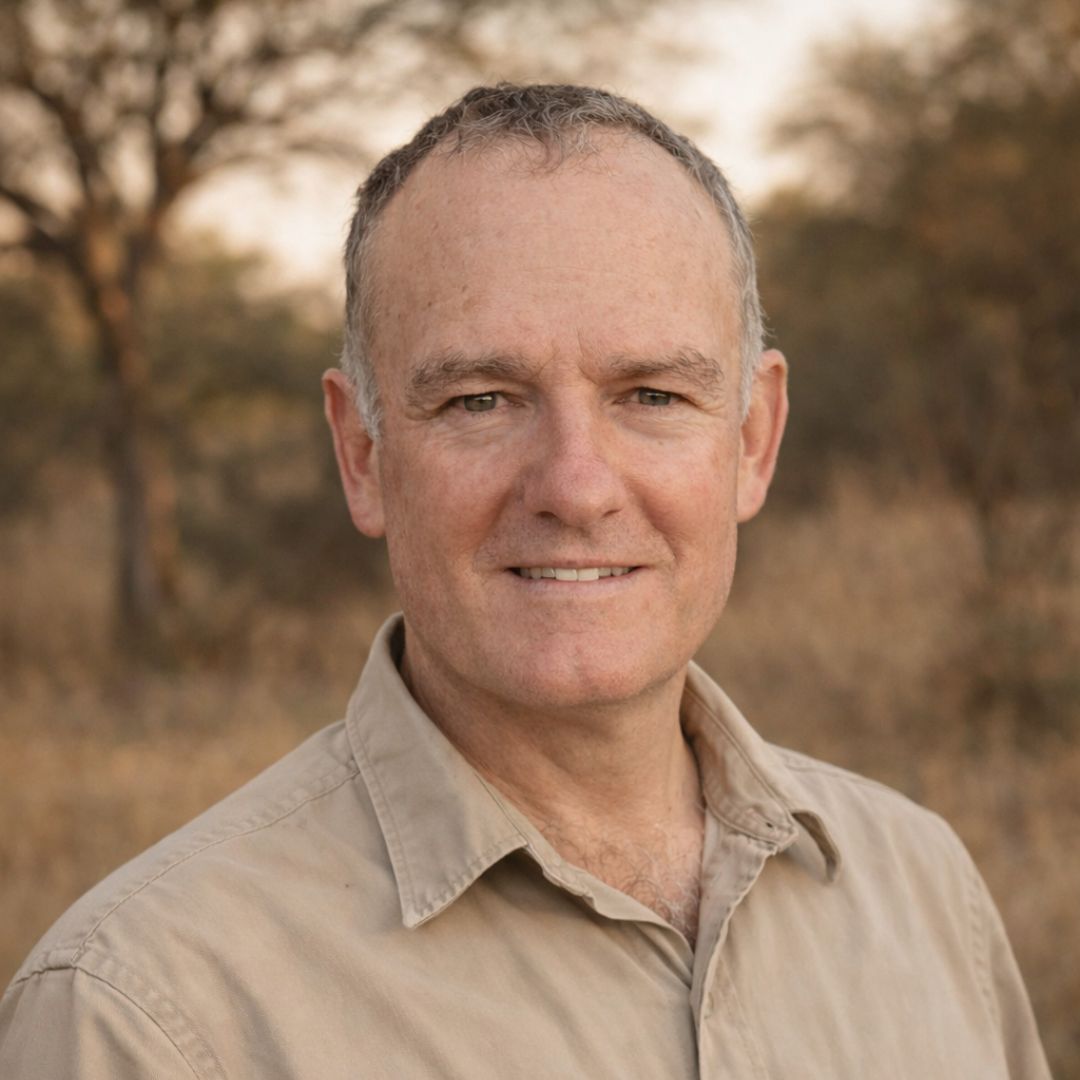
Sean Lues
Award Winning Safari Guide
Content by Award Winning Safari Guides
The content on African Signature Journeys is overseen by Sean Lues, an award-winning professional safari guide who was born and raised in Zimbabwe and has spent decades living, guiding, and managing safari operations across Africa.
Winner of the Zimbabwe Professional Guides Association Guide of the Year award, Sean is recognised for his deep knowledge of African wildlife, landscapes, and safari experiences. Now based in Australia, he combines firsthand African expertise with an understanding of what Australian travellers want from their safari adventure.
His experience helps ensure the information, recommendations, and insights shared by African Signature Journeys are practical, accurate, and based on real-world experience.