Most people researching walking safaris have the same question underneath all the other questions: Am I the kind of person this is for?
It is a fair thing to wonder. A walking safari sounds physically demanding. It sounds potentially frightening. It sounds like something for people who are already experienced in the bush not for someone planning their first or second African trip.
Most of those assumptions turn out to be wrong. But some of them contain enough truth that they are worth examining directly before you book.
This hub is for anyone at the “seriously considering it” stage, people who are drawn to the idea but not yet certain it is right for them. For the broader overview of the walking safari experience across all destinations, see our Complete Guide to Walking Safaris in Africa.
What Level of Fitness Do You Actually Need?
This is the most common practical concern, and the answer is more accessible than most people expect.
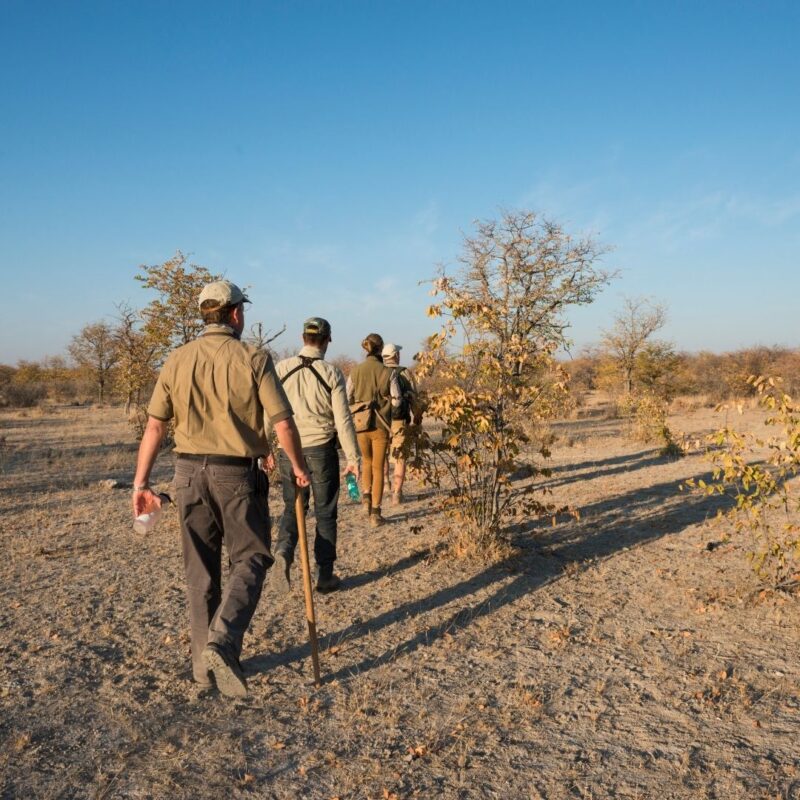
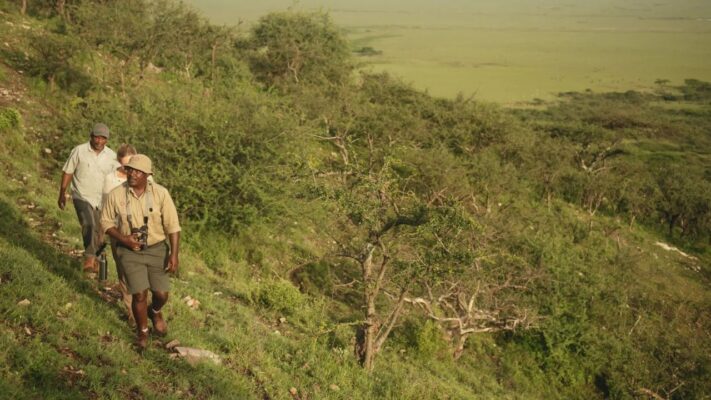
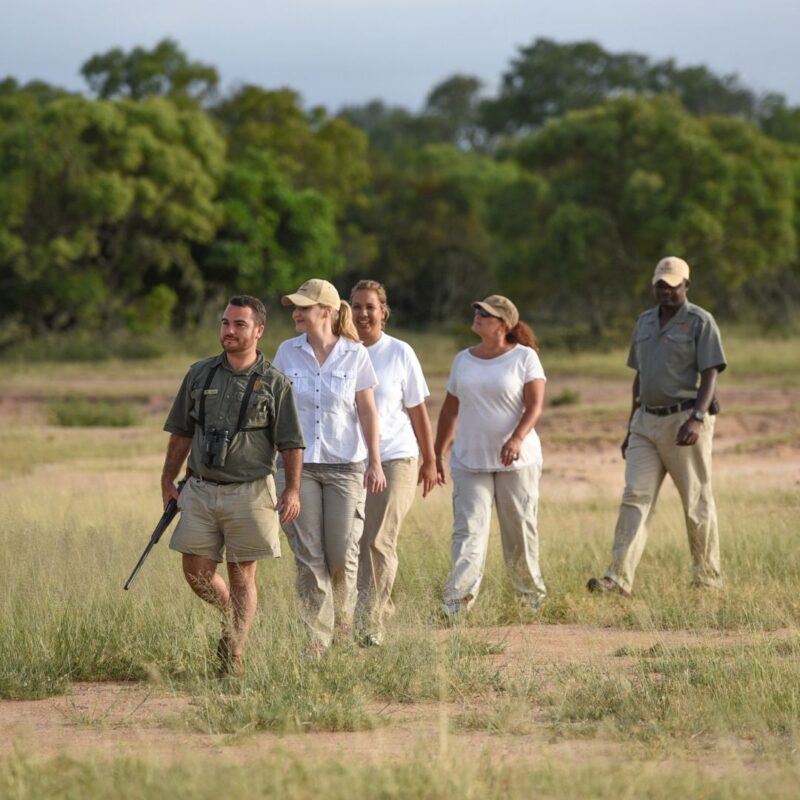
A walking safari is not a fitness test. The standard morning walk, typically three to five hours, is conducted at a pace set by the guide, which is the pace of observation, not the pace of exercise. The group moves slowly. Stops are frequent, sometimes lasting twenty or thirty minutes while the guide tracks an animal or the group watches a specific behaviour unfold.
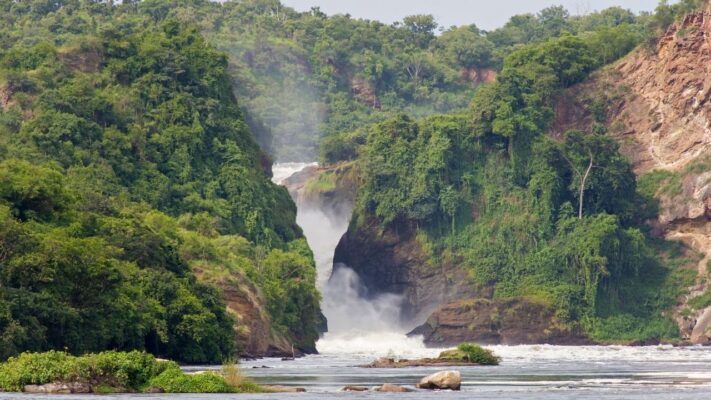
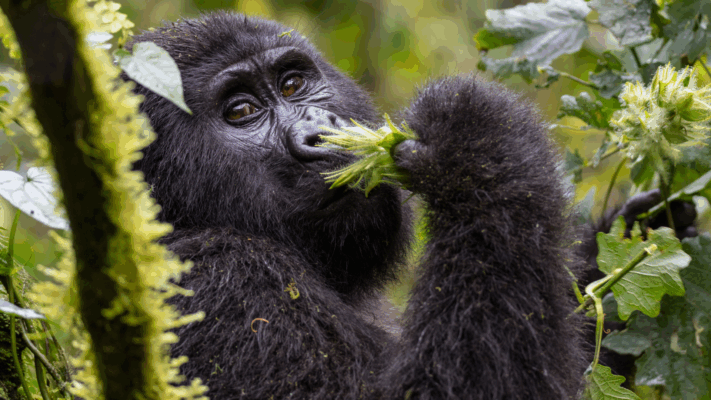
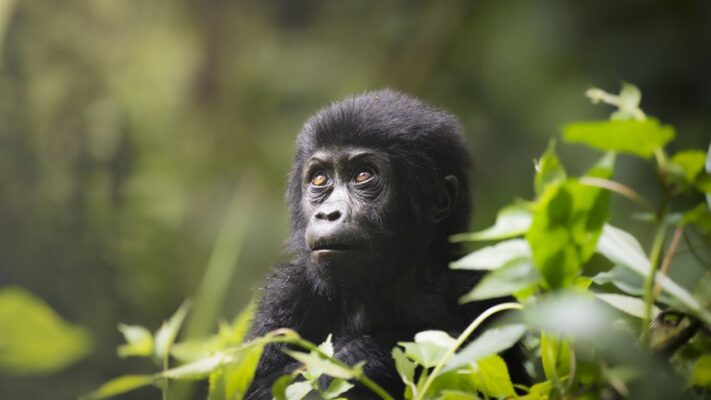
The terrain varies by destination. Zambia’s South Luangwa is relatively flat riverine country, not technically demanding. Zimbabwe’s Mana Pools involves some uneven ground, but nothing requiring athletic ability. South Africa’s bushveld is generally accessible terrain. Tanzania’s Ruaha and Nyerere offer more demanding ground for those who want it, and Uganda’s Bwindi Forest for gorilla trekking is the most physically demanding of all destinations, involving steep, dense terrain at altitude.
The honest baseline: if you can walk comfortably on uneven ground for three to four hours, taking it slowly, stopping regularly, you are fit enough for the majority of walking safari destinations. That covers a very wide range of ages and fitness levels.
Guests in their sixties and seventies regularly complete walking safaris without difficulty. The pace is set by the environment and the group, not by a schedule.
I’ve Done Game Drives Before — Will This Feel Very Different?
Yes. Significantly different, and in ways that most people who have done vehicle safaris find immediately compelling.
The vehicle safari is optimised for volume and distance. A well-run game drive covers a lot of ground, locates a variety of species, and produces close encounters efficiently. The photographic opportunities are excellent. The comfort is high.
What it cannot do is put you inside the ecosystem rather than in front of it.
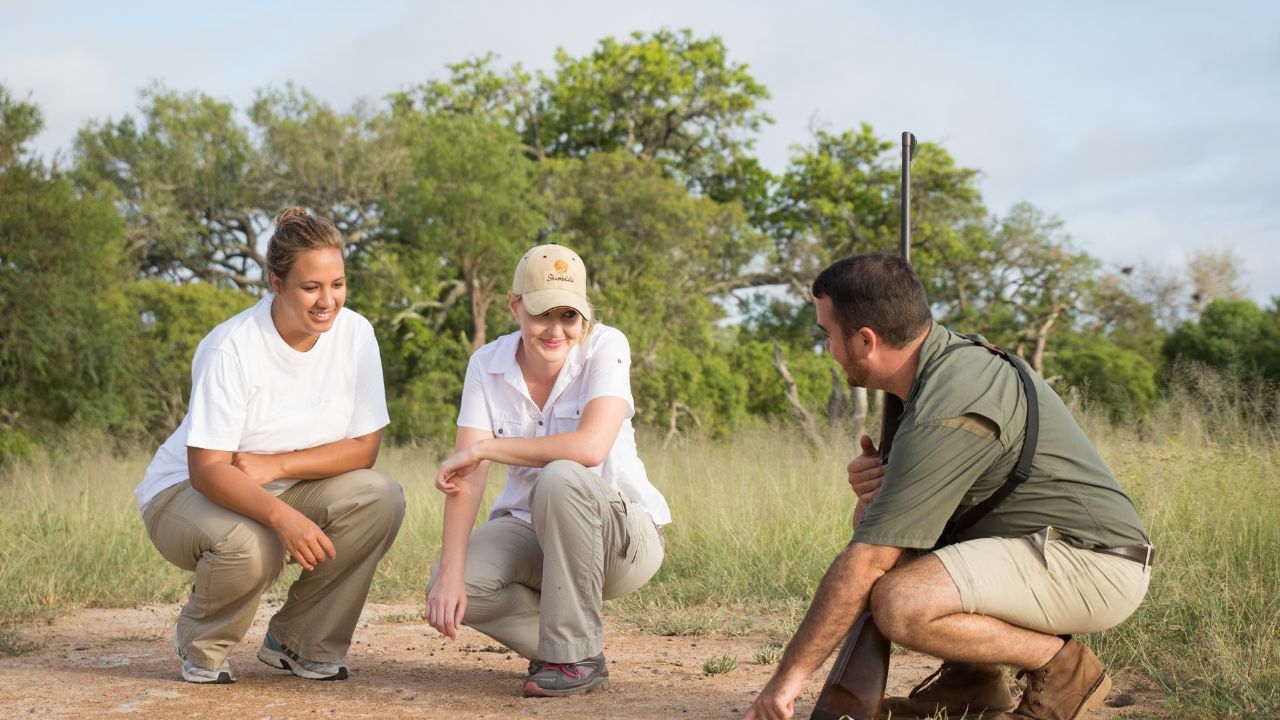
On foot, the scale of attention shifts entirely. A set of lion tracks in the dust that your guide crouches beside for five minutes tells a story: how recently the animal passed, whether it was moving with purpose or hunting, and which direction it headed. Following that story, on foot, through the actual terrain the lion moved through, produces a quality of engagement that no amount of time spent in a vehicle can replicate.
Many guests who have done multiple vehicle safaris describe their first walking experience as the point at which the bush finally made sense, where the pieces of what they had observed from vehicles assembled into a coherent picture.
If you have done game drives and felt there was something more available, walking is almost certainly what you were reaching toward.
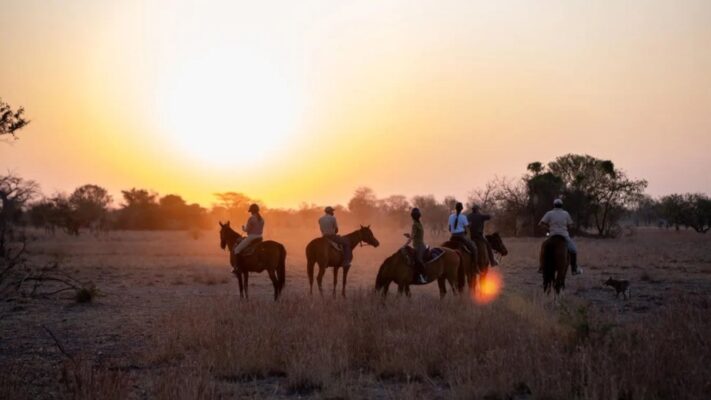
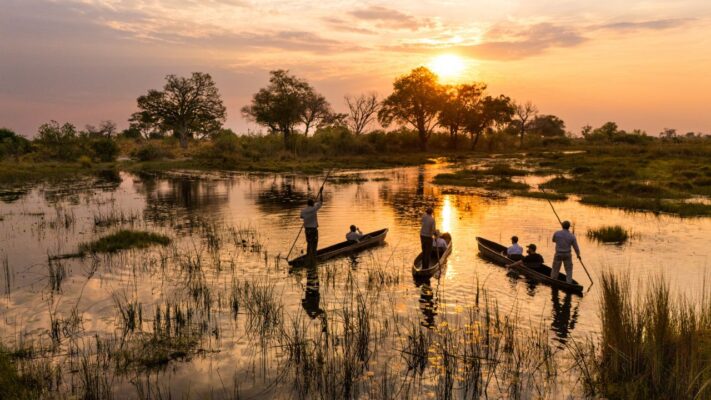
Signature Walking Safari Experiences

Do You Need Prior Safari Experience?
No. Walking safaris are appropriate for first-time safari visitors, provided the destination and camp are matched to the experience level.
For someone with no prior safari background, a few destination choices tend to work particularly well:
South Africa’s private Kruger concessions offer professional guiding at a very high standard, accessible terrain, and the flexibility of combining walking mornings with vehicle game drives, which provides context and familiarity before or after walks.
Zambia’s South Luangwa has a long tradition of introducing first-time walking guests to the experience through well-structured, appropriately paced programmes at camps that have been doing this well for decades.
What matters more than prior experience is attitude. Walking safari guests who get the most from the experience are those who are genuinely curious, willing to move at the pace of the bush rather than expecting constant action, and comfortable with the idea that a three-hour walk that produces no large predator encounters but reveals an extraordinary set of tracks, a medicinal plant with a specific use, and an understanding of how a termite mound regulates its own temperature is a worthwhile three hours.
What If You Have Children in the Group?
Walking safaris with children are possible, but age requirements vary by camp and destination, and this is worth clarifying before planning.
Most walking safari camps set a minimum age of 12 or 16 for participation in walks, for a combination of safety and practical reasons, children need to be able to follow guide instructions immediately, move quietly, and manage several hours on foot without difficulty.
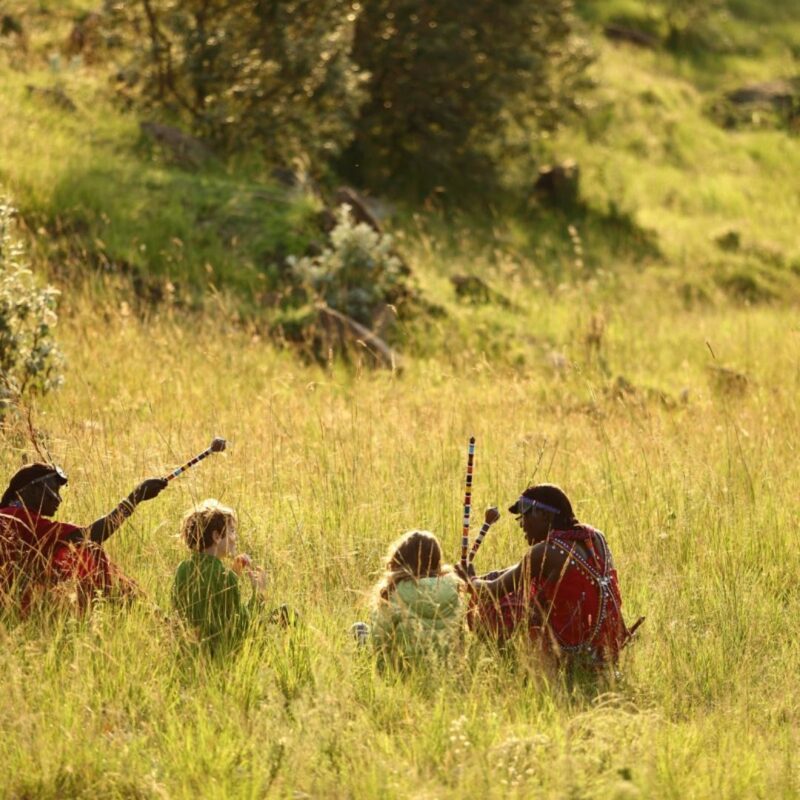
For families with younger children, South Africa’s private reserves offer the most flexibility. Many properties offer dedicated children’s programmes, and the combination of vehicle game drives with age-appropriate bush walk, shorter, more structured, focused on tracks and smaller wildlife, can work very well.
For multi-generational groups where walking is the primary objective, the planning conversation needs to include specific ages, fitness levels, and interests so that the right combination of camps and activities can be matched to the group.
African Signature Journeys handles the travel compliance requirements for minors, including the documentation required for children travelling internationally as part of the itinerary planning process.
What Is the One Thing Most People Don’t Expect?
Almost universally, the answer is the same: the silence.
Not the absence of sound, the bush is rarely quiet. But the absence of engine noise, and what that absence reveals. The quality of attention that walking produces. The way the guide communicates is through hand signals and small gestures rather than words. The experience of moving through a landscape where the volume of what you are taking in the tracks, the smells, the light, the calls of animals is high, but the cognitive noise that accompanies most daily life is simply absent.
Environmental psychologists describe this through Attention Restoration Theory, the documented process by which natural environments, particularly those that are immersive and away from ordinary life, allow the over-taxed directed attention of the modern brain to recover. The African bush, experienced on foot for several days, satisfies every condition this framework identifies for genuine cognitive restoration.
Most guests do not arrive knowing this. Most guests notice it by the second or third morning walk a specific quality of presence and clarity that they are not accustomed to in their daily lives.
Who Is a Walking Safari Not Right For?
Honesty here matters more than salesmanship.
A walking safari is probably not the right choice if:
- You need constant, high-frequency wildlife sightings to feel the day was worthwhile. Walking safaris produce fewer total animal encounters than a full day of vehicle game drives. The encounters they do produce are different in character, but if volume is the primary measure, a vehicle-based trip better serves that expectation.
- You have significant mobility limitations that would make four hours on uneven terrain genuinely difficult. Most destinations are accessible with moderate fitness, but this varies, and it needs an honest conversation.
- You are not comfortable with a structured, guide-led format. Walking safaris require guests to follow the guide’s instructions and move at the group’s pace. Guests who find this constraining tend to find the experience frustrating.
- You are expecting drama and action from the first morning. Some walks are extraordinary by any measure. Others are quieter but rich in detail if you are paying attention. Managing this expectation before departure makes a significant difference to the experience.
For everything that sitting inside the experience is the immersion, the pace, the specific quality of attention, it produces a walking safari rewards a particular kind of traveller. Understanding whether you are that traveller before you book is worth the thought.
Ready to explore specific walking safari itineraries? Browse our African walking safari programmes, or contact the planning team to discuss which destination fits what you are looking for.

Africa Is Rich With Choice
We Are Here To Help
Connect with an Africa Specialist to design a bespoke African Experience!
Hub Series Navigation
- Pillar: Walking Safaris in Africa — The Complete Guide
- Hub 1: Is a Walking Safari Right for You? (You are here)
- Hub 2: Walking Safari Countries Compared
- Hub 3: Walking Safari Safety — What Professional Guides Actually Do
- Hub 4: What to Pack for a Walking Safari
- Hub 5: Walking Safari Camps — The Difference Between Good and Great
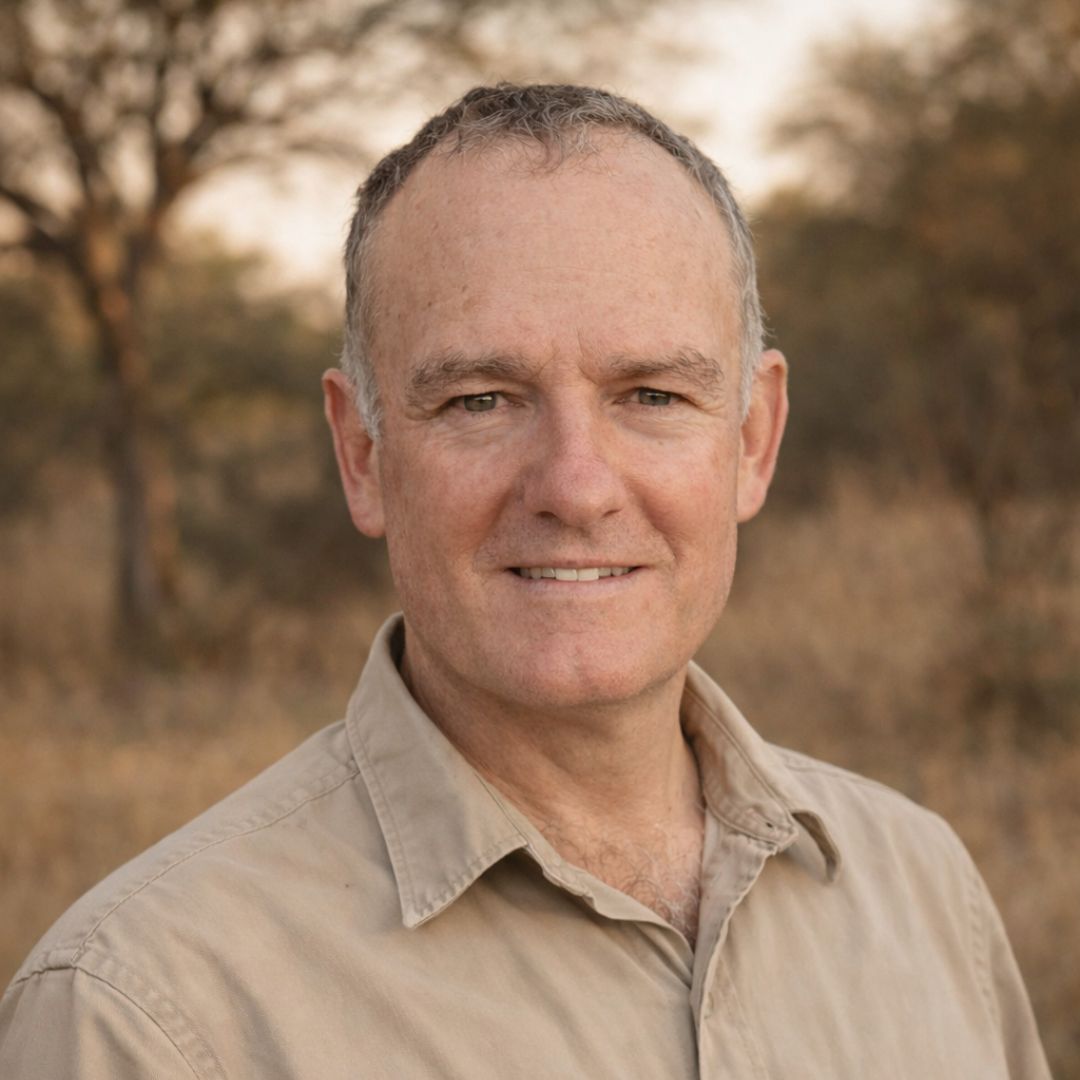
Sean Lues
Award Winning Safari Guide
Content by Award Winning Safari Guides
The content on African Signature Journeys is overseen by Sean Lues, an award-winning professional safari guide who was born and raised in Zimbabwe and has spent decades living, guiding, and managing safari operations across Africa.
Winner of the Zimbabwe Professional Guides Association Guide of the Year award, Sean is recognised for his deep knowledge of African wildlife, landscapes, and safari experiences. Now based in Australia, he combines firsthand African expertise with an understanding of what Australian travellers want from their safari adventure.
His experience helps ensure the information, recommendations, and insights shared by African Signature Journeys are practical, accurate, and based on real-world experience.
Do You Have a Question We Can Answer For You?
Connect with Sean