The Green Season & Birthing Safari Guide: November to April
Our complete guide to the best time to visit Kruger National Park names the green season as Kruger’s most underrated window. This guide explains why experienced safari travellers keep coming back to it.
What Happens During Kruger’s Green Season
The green season runs from November through April, when subtropical heat returns alongside dramatic afternoon thunderstorms. Rainfall climbs sharply, from negligible dry-season totals to over 100 millimetres a month at the January and February peak.
Within days of the first proper soaking, the bush transforms. Dry, brown vegetation flushes green almost overnight. Grass grows rapidly, softening the harsh dry-season landscape into something lush and photogenic.
This shift changes how animals behave. Instead of concentrating around rivers, herbivores disperse widely into the interior, following newly filled pans and fresh grazing. Sightings require more tracking skill, but they also feel less staged and more like genuine wildlife encounters.
The Impala Lambing Season
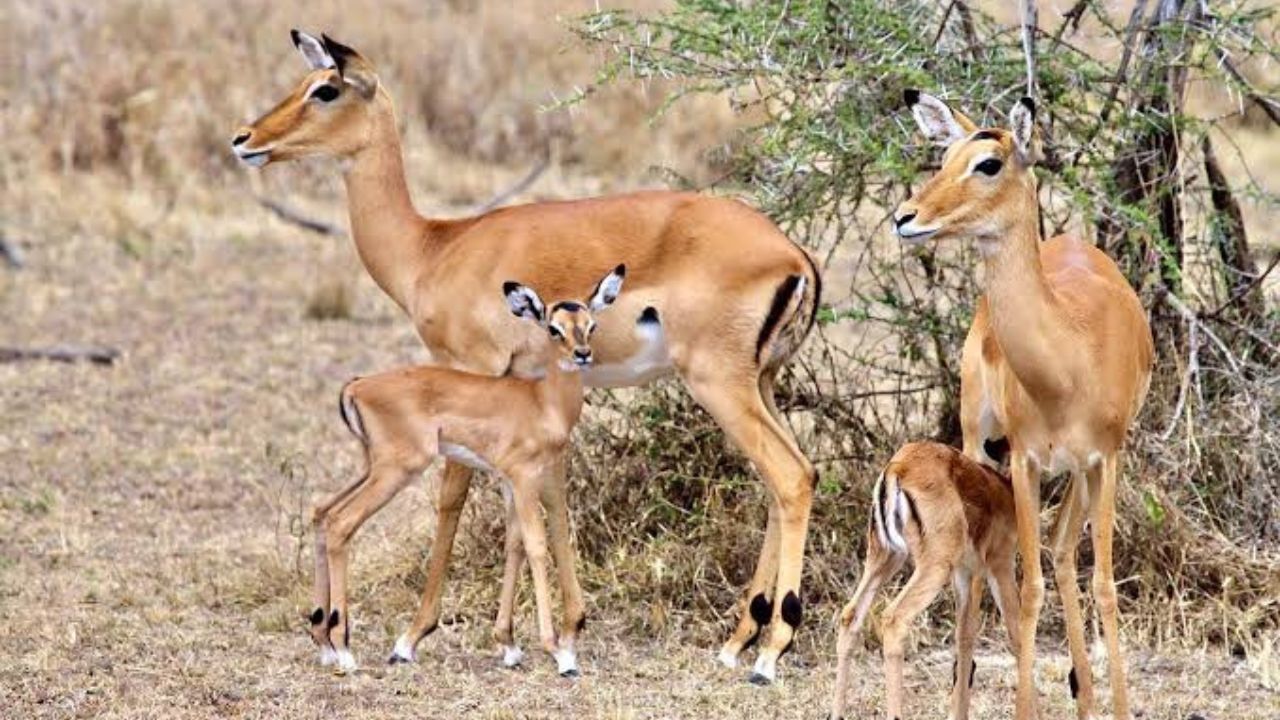
November delivers one of Kruger’s most remarkable annual events. Thousands of impala lambs arrive within a tight two-to-three-week window, triggered by the first substantial rains.
This synchronised birthing overwhelms predators with more prey than they can consume, a strategy that improves survival odds for the herd as a whole. For visiting travellers, it creates constant, dynamic predator activity. Cheetahs, wild dogs and caracals hunt actively throughout the month, often within easy view of game drive routes.
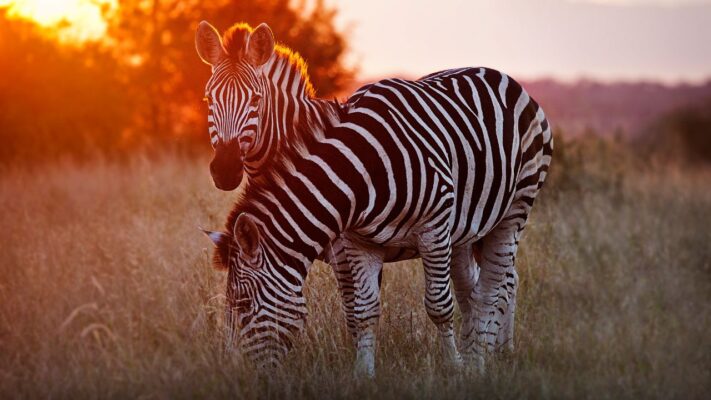
Other species follow a similar pattern into December, including wildebeest calves and zebra foals, keeping the plains full of vulnerable young animals and the predators that pursue them.
A Birder’s Paradise
Dry winter months offer Kruger’s weakest birding, since resident species stay quiet and migrants remain absent. The green season reverses this completely.
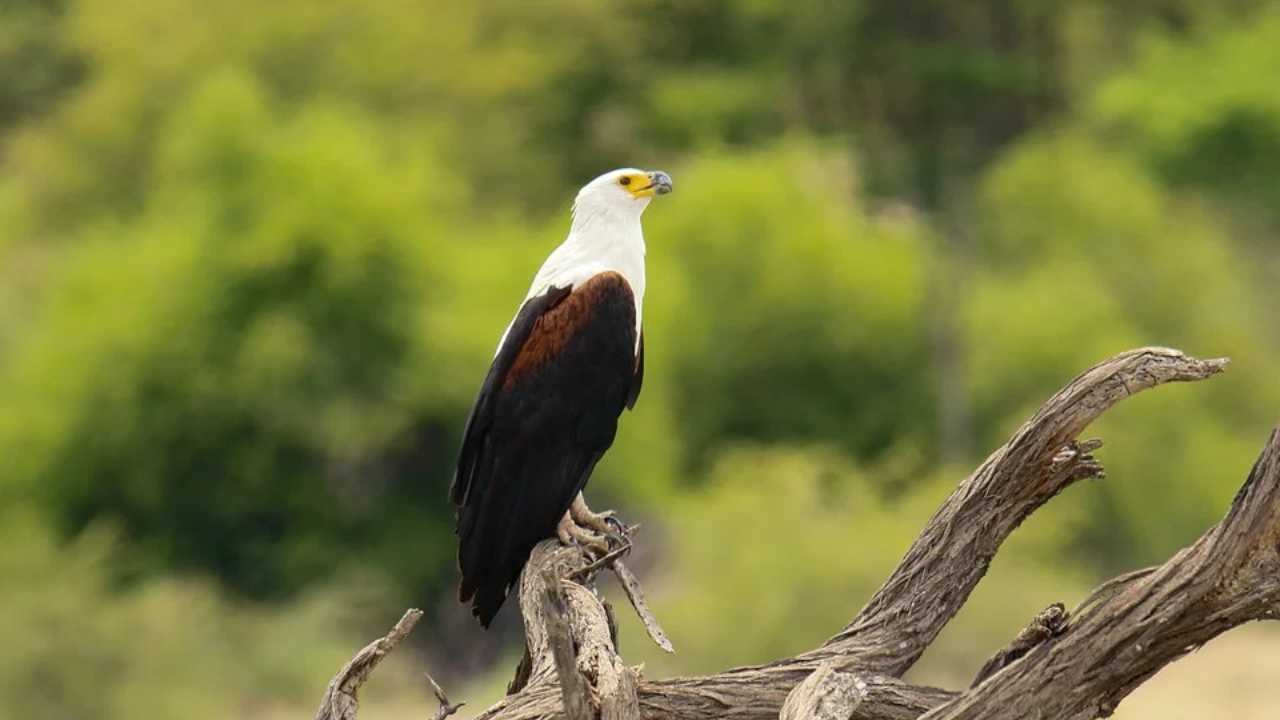
Migratory species arrive from Europe and Central Africa between November and February, pushing the park’s total bird count past 500 species. Woodland kingfishers, European rollers and various cuckoo species fill the bush with territorial calls. Waterbirds gather at flooded pans, while raptors follow termite emergences after heavy rain.
For dedicated birders, November through February represents the single best window of the year, and it rarely overlaps with the crowds of dry-season peak months.
Photography in the Green Season
Photographers who limit themselves to dry-season dust are missing half of what Kruger offers.
Vibrant emerald backgrounds replace the bare, monochromatic dry-season palette. Dramatic thunderhead clouds build most afternoons, creating striking skies for landscape shots. Rain also clears dust from the air, producing cleaner, sharper light than winter’s hazy afternoons.
Soft light after storms suits portrait-style wildlife photography particularly well. The main challenge is tall grass, which can obscure smaller predators like cheetahs and servals. Patience, and an experienced guide, generally solves this.
Value Pricing and Fewer Crowds
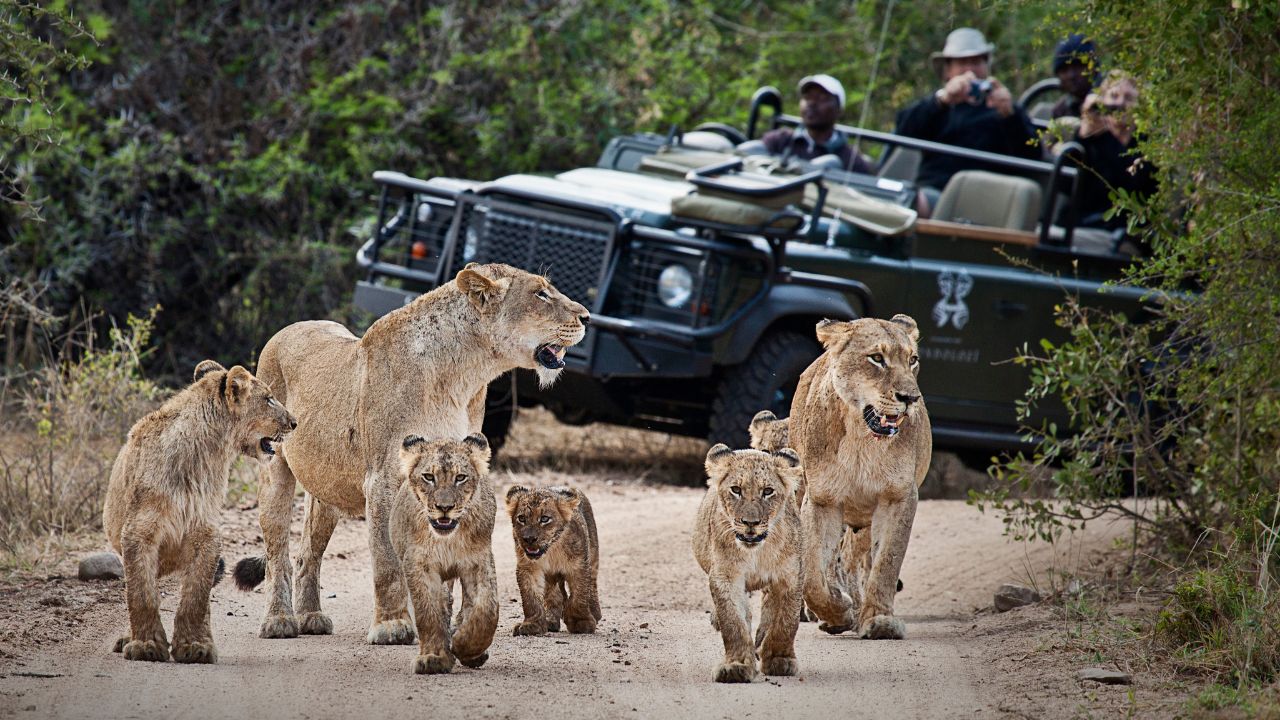
Private lodges across Sabi Sand and Timbavati typically drop nightly rates by 20% to 40% during the green season compared to peak winter pricing. This makes the period particularly attractive for longer stays or larger family groups.
Vehicle numbers at sightings also fall sharply outside the December festive period. Guides rely more heavily on tracking and radio coordination between vehicles, which experienced private reserve teams handle well. The trade-off of denser bush is largely offset by fewer competing vehicles and a calmer overall pace.
Regional Differences Within the Green Season
Rainfall and vegetation growth vary across Kruger, and this shapes where the green season feels most rewarding.
The southern region receives the heaviest rainfall of the park, often exceeding 700 millimetres annually at Pretoriuskop. Thick granite woodland grows dense here quickly, which can make game viewing more challenging than further north during the height of summer.
Central Kruger, around Satara, sits on basalt plains that support fast-growing sweetveld grasses. Herbivores gather here in strong numbers once the rains soften the ground, drawing predators along cleared roadways and drainage lines, where movement stays easier to track despite the taller grass.
The far north receives the lightest rainfall, so mopane shrubveld thickens more slowly than the woodlands further south. This makes the northern reaches a useful option for green-season travellers who still want relatively open sightlines, alongside excellent riverine birding around Pafuri.
South Africa Wildlife Experiences





Which Traveller Profile Suits the Green Season
Repeat safari visitors often gravitate toward the green season once their first dry-season trip has satisfied the need for guaranteed Big Five sightings. Having already ticked the major species, they shift focus toward wildlife behaviour, newborn animals and rarer birdlife.
Photographers benefit from the dramatic lighting and lush backdrops unique to this period. Families comfortable with warmer weather and willing to apply mosquito precautions can also enjoy excellent value, particularly during the January and February lull between the December holidays and the Easter break.
Managing Malaria Risk
Mosquito activity rises with the rains, and malaria transmission risk increases through the green season, peaking in March and April. This should not deter a well-prepared traveller.
Standard precautions apply: long sleeves and repellent at dawn and dusk, air-conditioned or netted accommodation, and prescribed antimalarial medication taken under medical guidance. Kruger remains a low-to-moderate risk zone throughout the year, and most lodges are well equipped to manage the risk comfortably.
Concerned About Malaria Risks? – Take A look at our Malaria-free safari guide
Who Should Choose the Green Season
The green season suits birders, photographers and repeat safari visitors seeking a different experience from their first dry-season trip. It suits budget-conscious travellers, particularly between mid-January and March, once the December holiday surge has passed. It also suits anyone drawn to newborn wildlife and dramatic, storm-lit skies.
Travellers prioritising guaranteed Big Five sightings within a short stay should instead consider our Dry Season Deep-Dive, which covers Kruger’s prime winter window from May through September.
Ready to experience Kruger’s green season for yourself? Contact African Signature Journeys and our team will help you plan around the newborn season, the birding calendar or the best value dates.

Africa Is Rich With Choice
We Are Here To Help
Connect with an Africa Specialist to design a bespoke African Experience!
Hub Series Navigation
- Best Time to Visit Kruger National Park
- The Dry Season Deep-Dive
- The Green Season Guide (You are here)
- The Shoulder Seasons Guide

Sean Lues
Award Winning Safari Guide
Content by Award Winning Safari Guides
The content on African Signature Journeys is overseen by Sean Lues, an award-winning professional safari guide who was born and raised in Zimbabwe and has spent decades living, guiding, and managing safari operations across Africa.
Winner of the Zimbabwe Professional Guides Association Guide of the Year award, Sean is recognised for his deep knowledge of African wildlife, landscapes, and safari experiences. Now based in Australia, he combines firsthand African expertise with an understanding of what Australian travellers want from their safari adventure.
His experience helps ensure the information, recommendations, and insights shared by African Signature Journeys are practical, accurate, and based on real-world experience.