Safari National Parks: Which Ones Are Worth It, and What You Need to Know
In our guide to safari land types, we described national parks as the foundation of any serious African itinerary. That’s still true. But the word national park covers an enormous range of experiences. Kruger in South Africa and Kafue in Zambia are both national parks. The experience of each is completely different.
This post covers Africa’s key national parks for Australian travellers, what makes each one distinct, the practical realities of visiting, and how they fit into a broader itinerary that might also include private reserves and conservancies.
What National Parks Share — and Where They Diverge
Every national park in Africa is government-owned and open to paying visitors. Beyond that, the similarities thin out quickly.
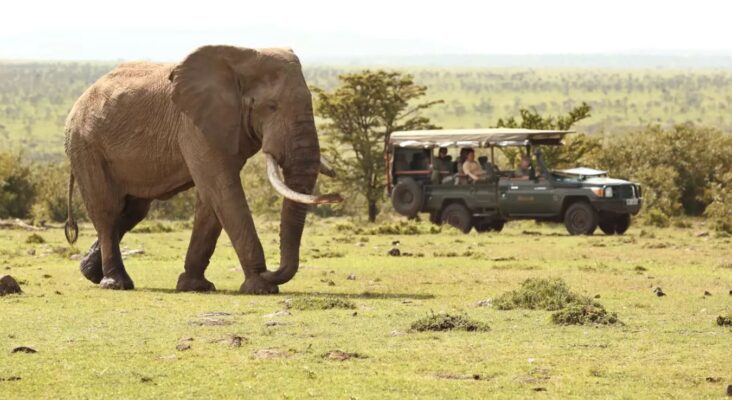
Some national parks are fenced. Others cover ecosystems so vast that fencing would be ecologically meaningless. Some allow self-drive in your own vehicle. Others require a guide for all game drives. Some permit night drives from designated concession lodges within the park’s boundaries. Most do not.
The rules that typically apply in most national parks:
- All vehicles must stay on designated roads or tracks
- No off-road driving
- Gates close at sunset; no vehicle movement after dark (exceptions exist)
- Walking safaris are not available on open plains (some parks permit escorted walks in designated areas)
- Visitor numbers are not limited (though some parks in remote destinations naturally see few travellers)
These constraints exist for good reasons. Roads are designed to minimise erosion and habituation pressure. Closing gates at sunset reduces human-wildlife conflict and gives nocturnal animals a degree of peace. In large, well-managed parks, these rules work.
The experience they produce is different from a private reserve or conservancy. That’s neither better nor worse. It’s a different kind of safari.
The Serengeti, Tanzania: Scale and the Migration
The Serengeti covers approximately 30,000 square kilometres of northern Tanzania. It is a World Heritage Site. It is home to the largest terrestrial wildlife migration on earth. And it is one of the reasons people travel to Africa at all.
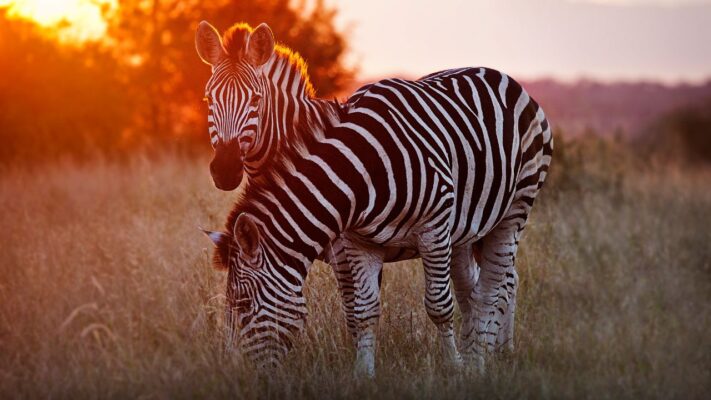
The ecosystem extends north into Kenya’s Maasai Mara. Together, they form an almost unbroken savannah wilderness, one of the last intact large mammal ecosystems on the planet. More than two million wildebeest, plus zebra and gazelle, complete an annual circuit across this ecosystem, following rainfall and new grass.
Visiting the Serengeti means choosing where to be and when. The park is not homogeneous. The southern short-grass plains (Ndutu area) hold the calving season herds from December to March. The western Grumeti River corridor sees the first river crossings in June. The northern Lobo and Kogatende areas are the location of the famous Mara River crossings from July through October.
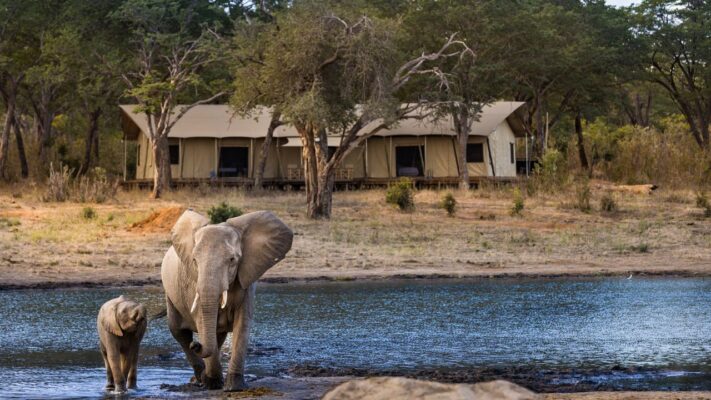
Most visitors to the Serengeti stay in lodges or camps either inside the park boundaries or in adjacent private concessions. The private concessions — operated by companies such as Singita, andBeyond, Asilia, and others exist within the Serengeti ecosystem and offer off-road driving and night drives not available on the open park roads. They function more like private reserves than national parks, though they sit within the broader Serengeti conservation area.
For a first visit to Tanzania, the combination of Serengeti time with a private concession stay and a visit to the Ngorongoro Crater is the most complete itinerary available in East Africa.
Ngorongoro Conservation Area, Tanzania: A World Apart
Ngorongoro is not technically a national park. It is a Conservation Area, a different category that allows Maasai people to continue living and grazing cattle within its boundaries. The distinction matters ethically and practically.
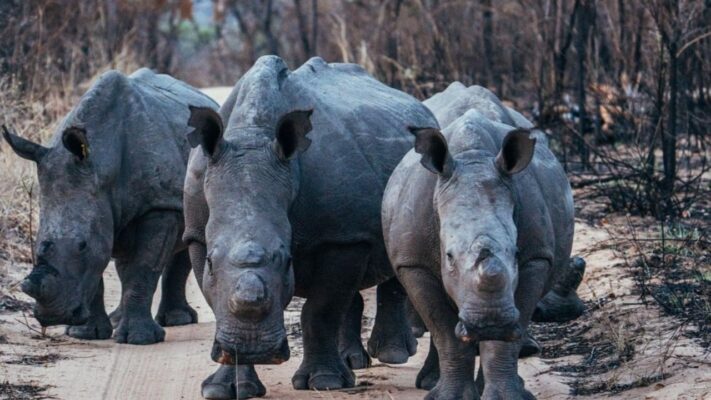
The Ngorongoro Crater is the reason people visit. It is the world’s largest intact volcanic caldera, roughly 260 square kilometres of enclosed savannah, forested walls, and a shallow alkaline lake at its base. The crater contains lions, leopards, elephants, buffalo, hippos, hyenas, black rhino (rare and closely monitored), and flamingos on the lake in season. All within a naturally bounded area from which most wildlife rarely leaves.
Wildlife density in the crater is extraordinary. Black rhino sightings, vanishingly rare in most of Africa, are relatively achievable in Ngorongoro. The crater floor is accessed by a steep descent road, and all game drives take place on the crater floor with vehicles returning to the rim by sunset.
The limitation is the vehicle concentration during peak season. The crater floor is small enough that multiple vehicles at a sighting is common. This is one case where a morning descent before the main tourist rush, arriving at opening gates at dawn, makes a meaningful difference.
Most travellers visit Ngorongoro on a day trip from a nearby lodge on the crater rim, or as part of a longer Tanzania itinerary that combines Serengeti and the southern Ndutu area.
Kruger National Park, South Africa: The Self-Drive Classic
Kruger covers 19,485 square kilometres, roughly the size of Wales. Its road network is extensive: tarred main roads connecting government rest camps, and dirt tracks covering more remote areas. The park is home to all of the Big Five: lion, leopard, elephant, rhino (both species), and buffalo.
Kruger is Africa’s most accessible self-drive safari destination. A visitor can fly into Johannesburg, hire a car, and be inside the park the same day, staying in well-equipped government rest camps from around USD 50 per night. The scale, the habitat variety, and the wildlife are exceptional.
The self-drive experience is specific and worth understanding. You navigate in your own vehicle. You decide where to go and how long to stay. When you spot something, or miss something, the success or failure is yours. There is real satisfaction in locating a lion independently. There is also genuine frustration in watching a leopard disappear into a thicket while you’re locked on the road.
The adjacent private reserves, Sabi Sands, Timbavati, Manyeleti, and others, share Kruger’s wildlife and ecosystem through unfenced boundaries, while offering off-road access, night drives, and guided expertise. A Kruger self-drive combined with a Sabi Sands lodge stay is the most instructive comparison available in safari travel. The same animals. Two completely different ways of encountering them.
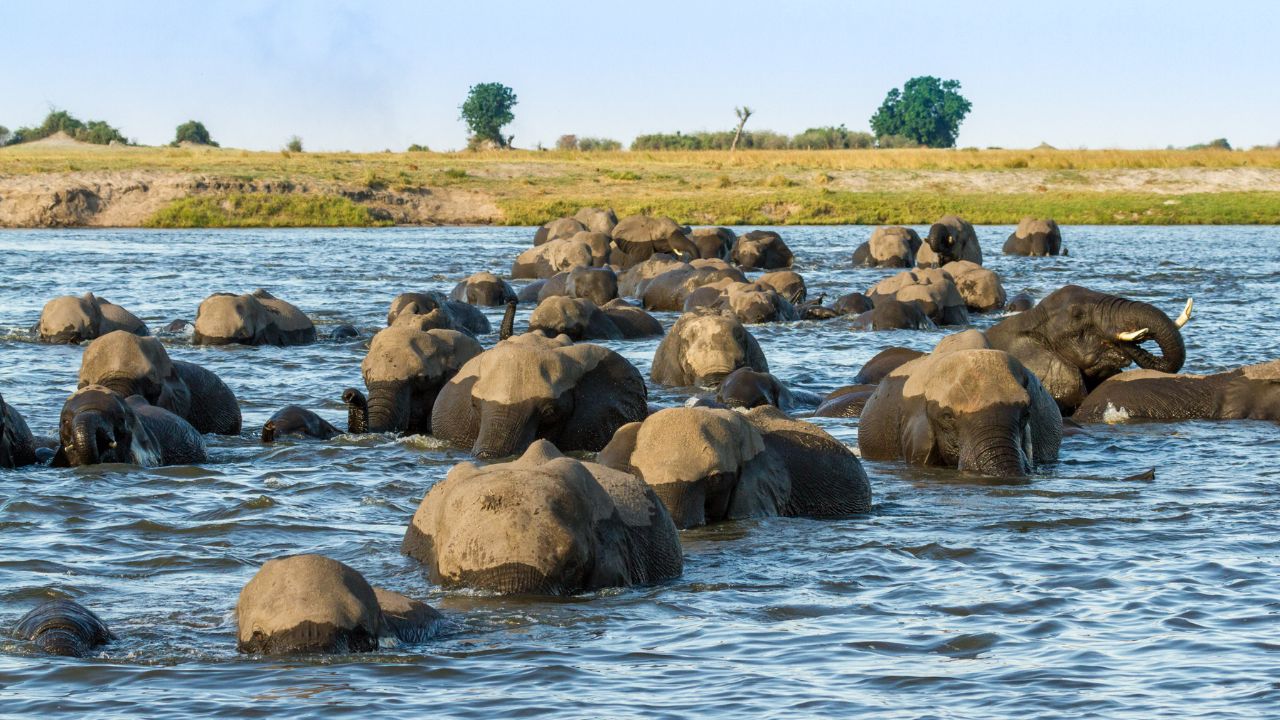
Chobe National Park, Botswana: Elephants on the River
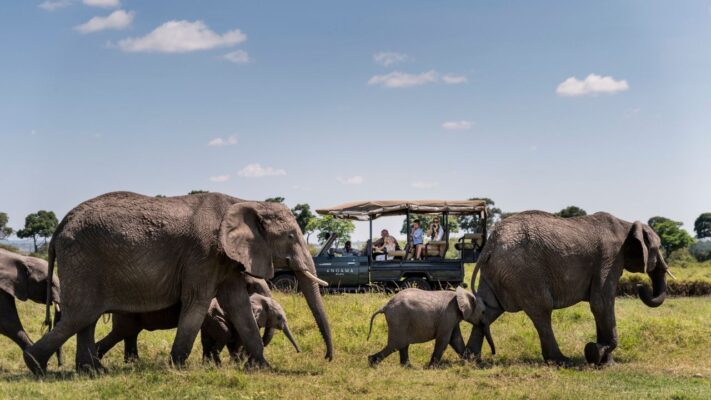
Chobe is primarily known for elephants. The park contains one of the largest elephant concentrations in Africa, estimates range from 50,000 to 120,000 animals, and the Chobe River, which forms the park’s northern boundary, provides river-based game viewing that is unusual in African safari destinations.
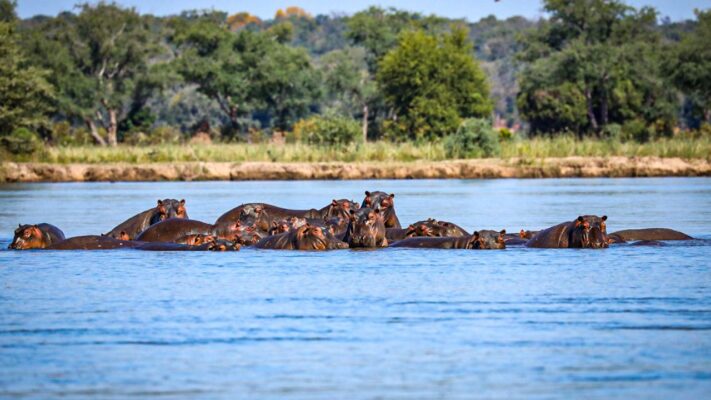
Boat safaris on the Chobe River are among the best wildlife experiences available from a national park setting. Hippos surface metres from the boat. Elephants wade across. Crocodiles emerge from sandbanks. Buffalo herds gather at the water’s edge. The river removes the road constraint entirely, boats are not confined to tracks.
The Chobe riverfront town of Kasane sits at the park’s edge and is a gateway destination for the broader southern Africa circuit, connecting Botswana with Zimbabwe’s Victoria Falls, Zambia’s Livingstone, and Namibia’s Caprivi region. Many travellers visit Chobe for two nights before or after Victoria Falls, making it one of the more naturally integrated park visits in southern Africa.
Private concessions within the Chobe Forest Reserve, the northern extension of the broader Chobe park area, offer the typical private reserve advantages: off-road access, night drives, walking. These concessions are adjacent to rather than within the main national park.
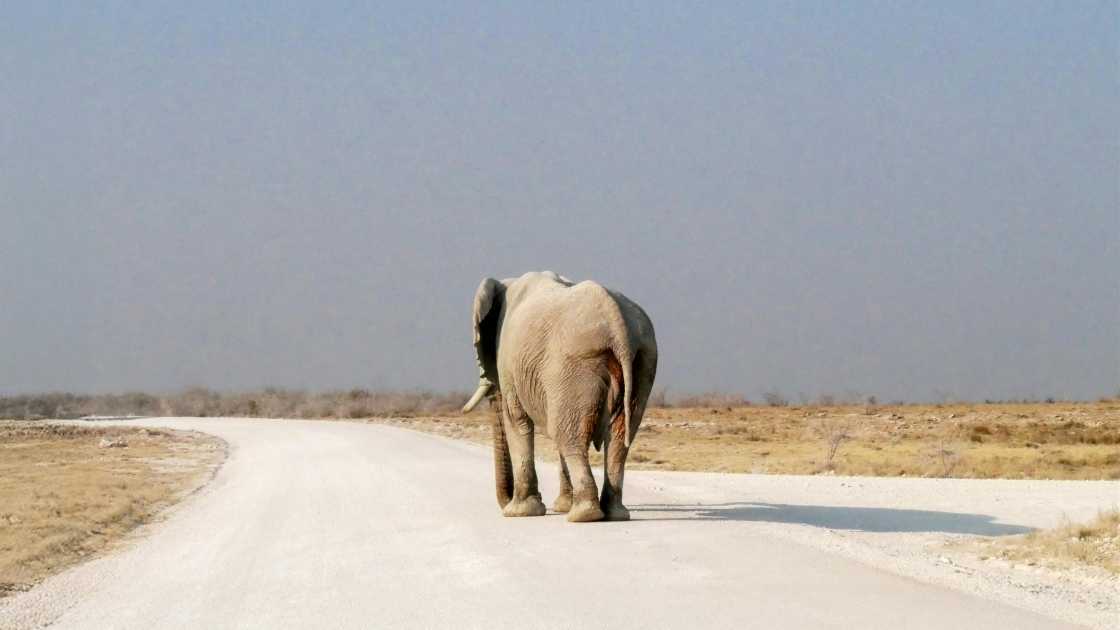
Etosha National Park, Namibia: Game Viewing at the Pan
The Etosha National Park is a fenced national park centred on one of Africa’s largest salt pans, 4,800 square kilometres of blinding white mineral flat. Around the pan’s edges, waterholes draw wildlife in extraordinary concentrations, particularly in the dry season from June to October.
The fencing is significant. Etosha manages a contained wildlife population. This means reliable predator viewing, lions, cheetahs, leopards, and spotted hyena are all resident, but within a different ecological context from unfenced parks like Kruger or the Serengeti.
Etosha is excellent for self-drive. Government camps at Okaukuejo, Halali, and Namutoni each have floodlit waterholes observable from camp after dark, a rare opportunity to watch nocturnal wildlife from a fixed position within a national park. Rhino sightings at Okaukuejo’s waterhole are among the most reliable in southern Africa.
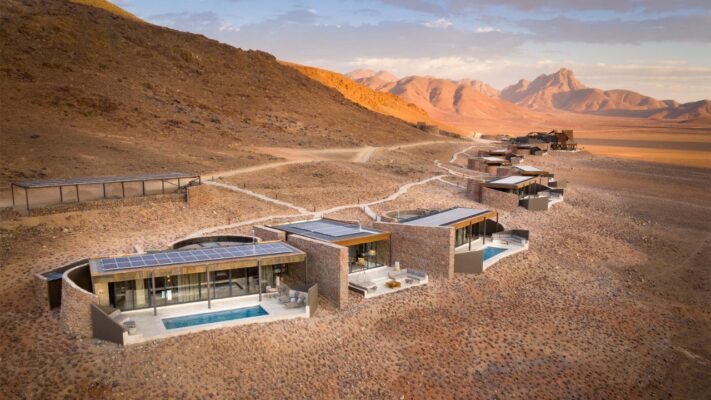
Namibia’s landscape and the Etosha experience combine well with private concessions in Damaraland (desert-adapted elephant and rhino) and the Skeleton Coast, creating a Namibia circuit that layers national park scale with community conservancy depth.
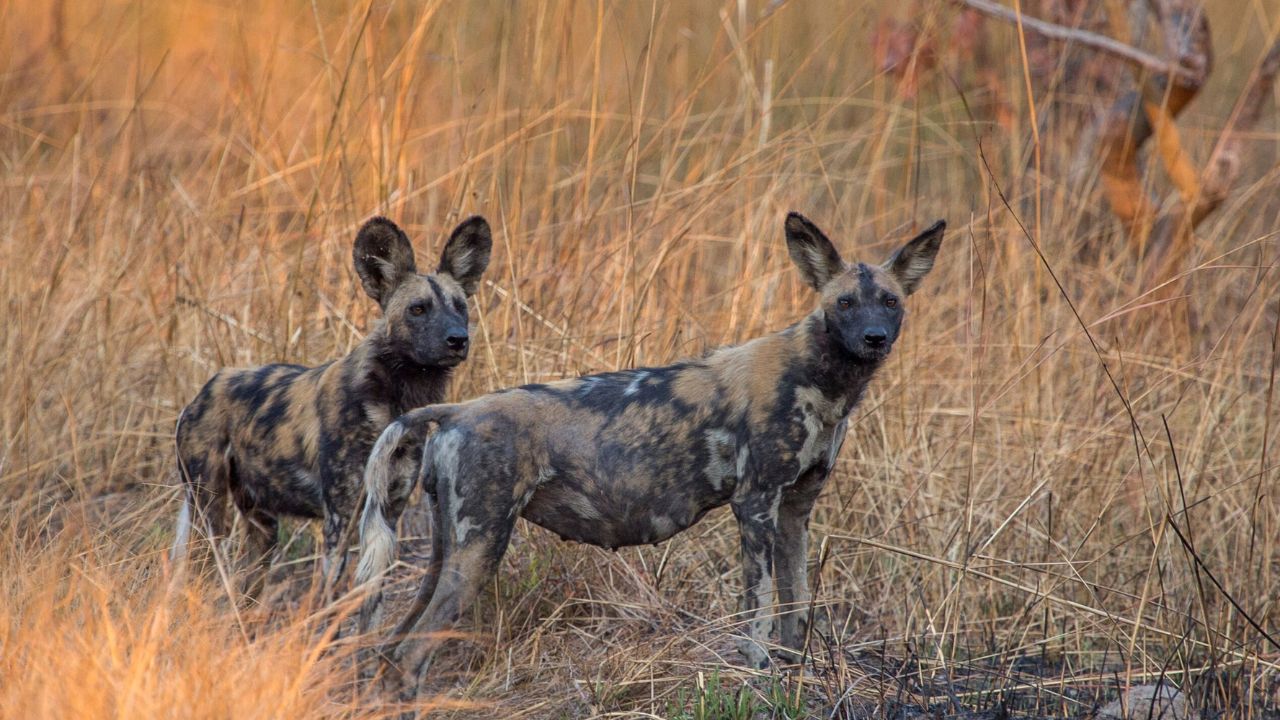
Kafue National Park, Zambia: The Overlooked Giant
Kafue is one of Africa’s largest national parks, approximately 22,400 square kilometres, and one of its most undervisited. This is not a criticism. For travellers who value remoteness and limited vehicle numbers, Kafue delivers something that more famous parks cannot.
The Busanga Plains in Kafue’s northwest are seasonally flooded grasslands that concentrate lions, cheetahs, puku, and red lechwe in extraordinary numbers during the dry season (June to October). Access is by light aircraft to a remote airstrip. The lodges here, small, specialist, and owner-operated, are among the finest wilderness camps in Africa.
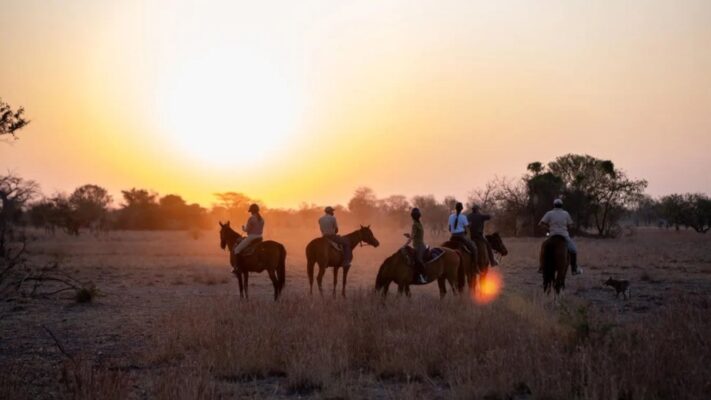
Zambia’s national parks broadly permit night drives, making them unusual in the national park category. Some Zambia parks also permit walking safaris, blurring the line between what’s typically available on private land and what national parks provide here.
How to Get the Most From a National Park Visit
A few practical considerations apply across all national park safaris.
Time the day well. Wildlife activity peaks at dawn and dusk. Arriving at the gate as it opens before the heat builds and animals rest, makes a significant difference to what you see.
Book guided drives where available. Self-drive offers independence. Guided drives with knowledgeable local guides, where available within national parks, offer interpretation and animal-finding ability that self-drive cannot match.
Consider the season carefully. Dry season concentrates animals around water, making sightings more reliable. Wet season brings lush landscapes and excellent birdlife, but wildlife is dispersed. The right season depends on what you’re prioritising.
Combine with private land. The most satisfying itineraries almost always include both. The contrast itself is part of the value. A traveller who has seen both Kruger and Sabi Sands understands African safari more fully than one who has seen only either.
Plan Your National Park Safari
African Signature Journeys designs itineraries that make the most of Africa’s national parks combined with the private reserves and conservancies that best complement them. We know the camps, the seasonal timing, and the sequencing that delivers the most complete experience.
In This Series
Safari Land Types: The Complete Guide
Private Game Reserves: What the Premium Buys
African Conservancies: Community, Conservation, and Safari
National Parks: Where to Go and What to Expect (You are here)
Explore Our African Signature Experiences
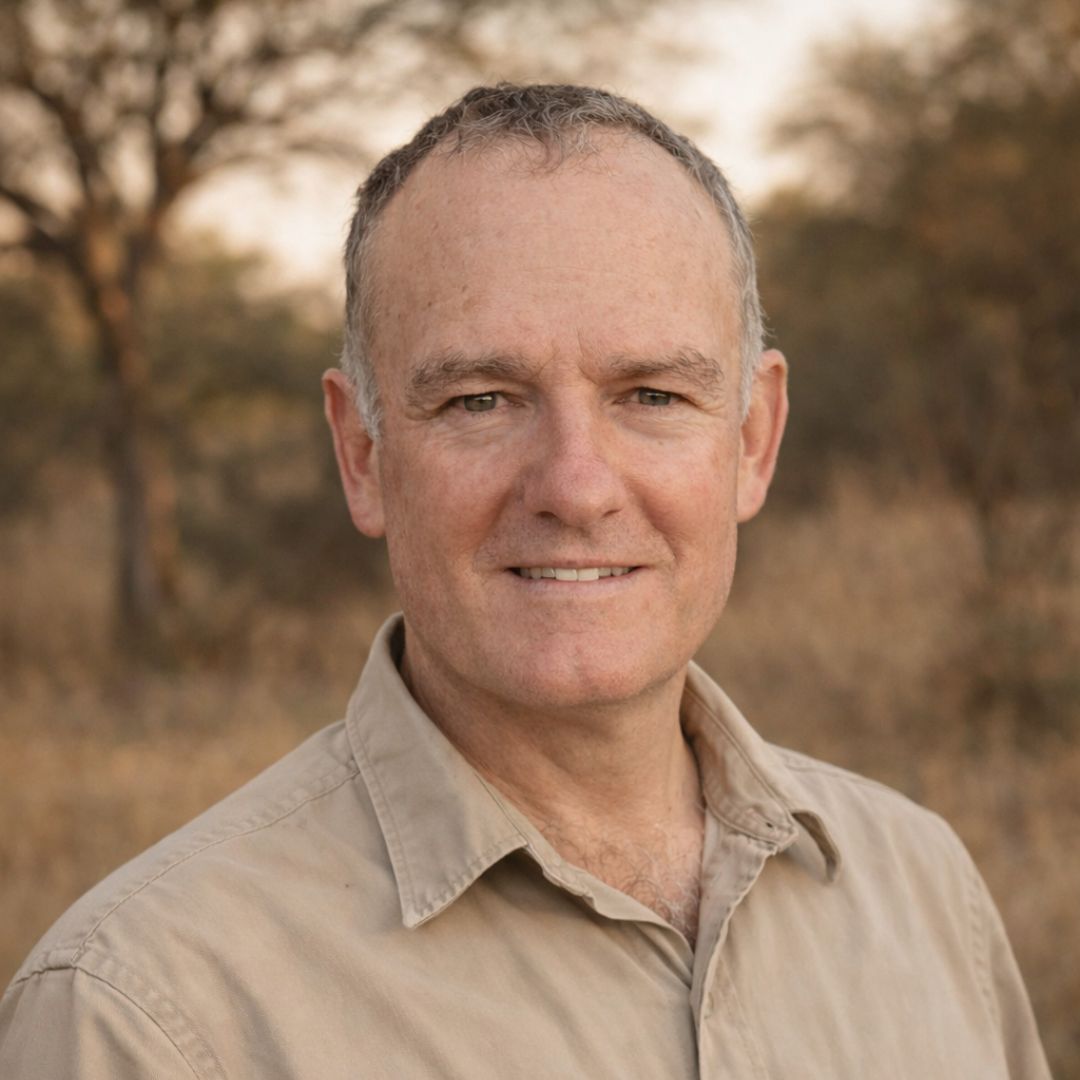
Sean Lues
Award Winning Safari Guide
Content by Award Winning Safari Guides
The content on African Signature Journeys is overseen by Sean Lues, an award-winning professional safari guide who was born and raised in Zimbabwe and has spent decades living, guiding, and managing safari operations across Africa.
Winner of the Zimbabwe Professional Guides Association Guide of the Year award, Sean is recognised for his deep knowledge of African wildlife, landscapes, and safari experiences. Now based in Australia, he combines firsthand African expertise with an understanding of what Australian travellers want from their safari adventure.
His experience helps ensure the information, recommendations, and insights shared by African Signature Journeys are practical, accurate, and based on real-world experience.