
The Shoulder Seasons: Autumn and Spring Transitions
Our complete guide to the best time to visit Kruger National Park highlights May and September as two standout windows. This guide explains why experienced safari planners often recommend them above the busier peak months.
Why Shoulder Seasons Matter
Most travellers default to July or August, assuming peak popularity means peak quality. That assumption overlooks two shorter windows that quietly outperform the crowd favourites.
May sits at the very start of the dry season. September sits at its very end. Both deliver excellent game viewing conditions, without the school holiday crowds or peak pricing that define the months between them. For travellers who value comfort and value as highly as wildlife, these transitional months deserve serious consideration.
The Autumn Sweet Spot: May
May marks the official start of Kruger’s dry winter, and it is widely regarded as one of the finest months to visit.
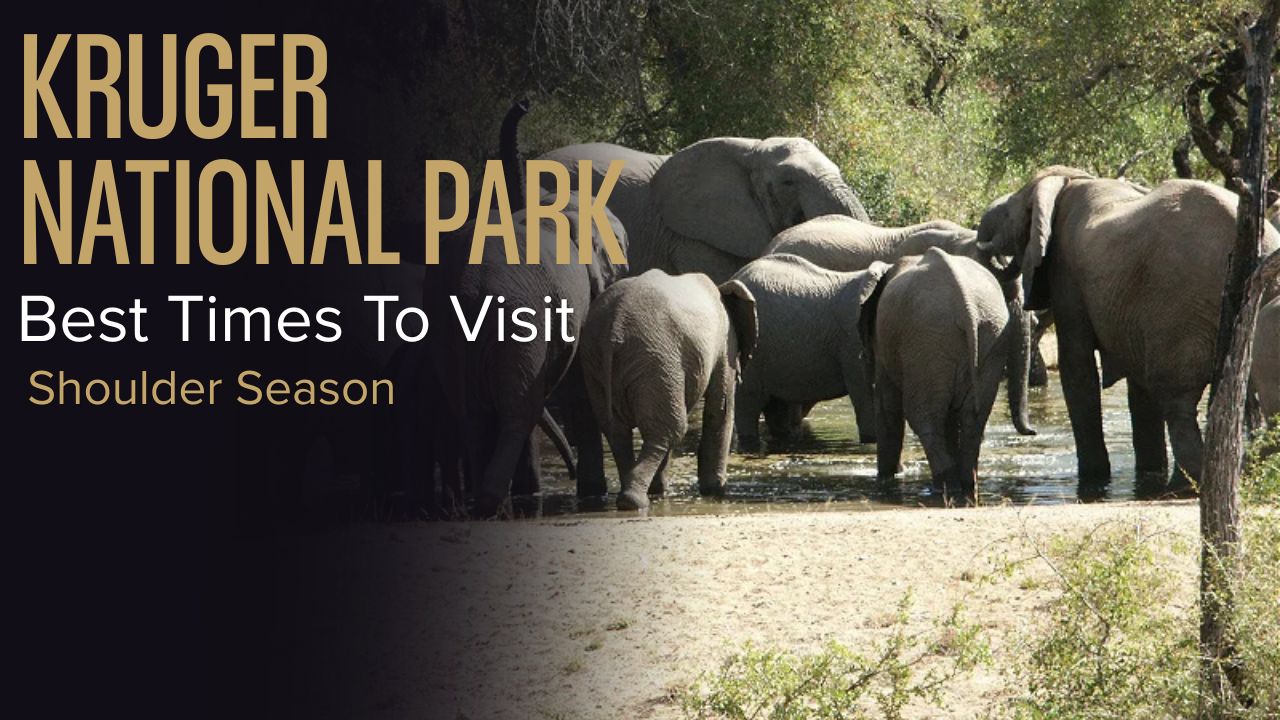
Rainfall drops to negligible levels, while daytime temperatures remain comfortable at 26°C to 28°C. Evenings cool to a manageable 10°C to 12°C, milder than the near-freezing mornings of June and July. Interior pans dry out steadily through the month, drawing elephant and buffalo herds back toward permanent rivers.
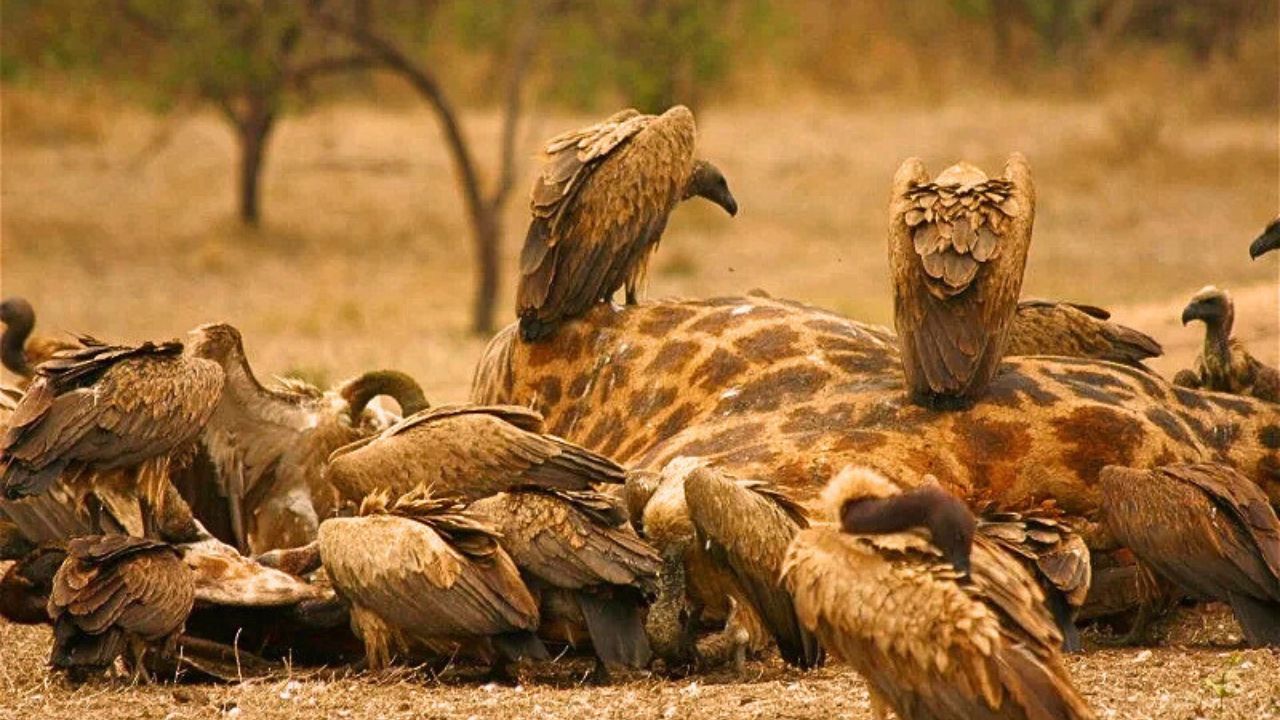
The impala rut peaks in May, filling the bush with territorial calls that attract opportunistic predators. Wild dog packs begin investigating old den sites ahead of the winter denning season. Canopies thin and ground cover dries, opening long sightlines without the full starkness of late winter.
Visitor numbers stay low throughout May, sitting in the quiet gap between the Easter holiday and the mid-year school break. Private lodges frequently offer stay-longer specials during this window, since occupancy runs lower than peak months. For couples and honeymooners wanting privacy without sacrificing wildlife quality, May consistently delivers.
The Spring Sweet Spot: September
September closes out the dry season at its ecological peak. Water sources reach their lowest annual levels, concentrating wildlife more intensely than at any other point in the year.
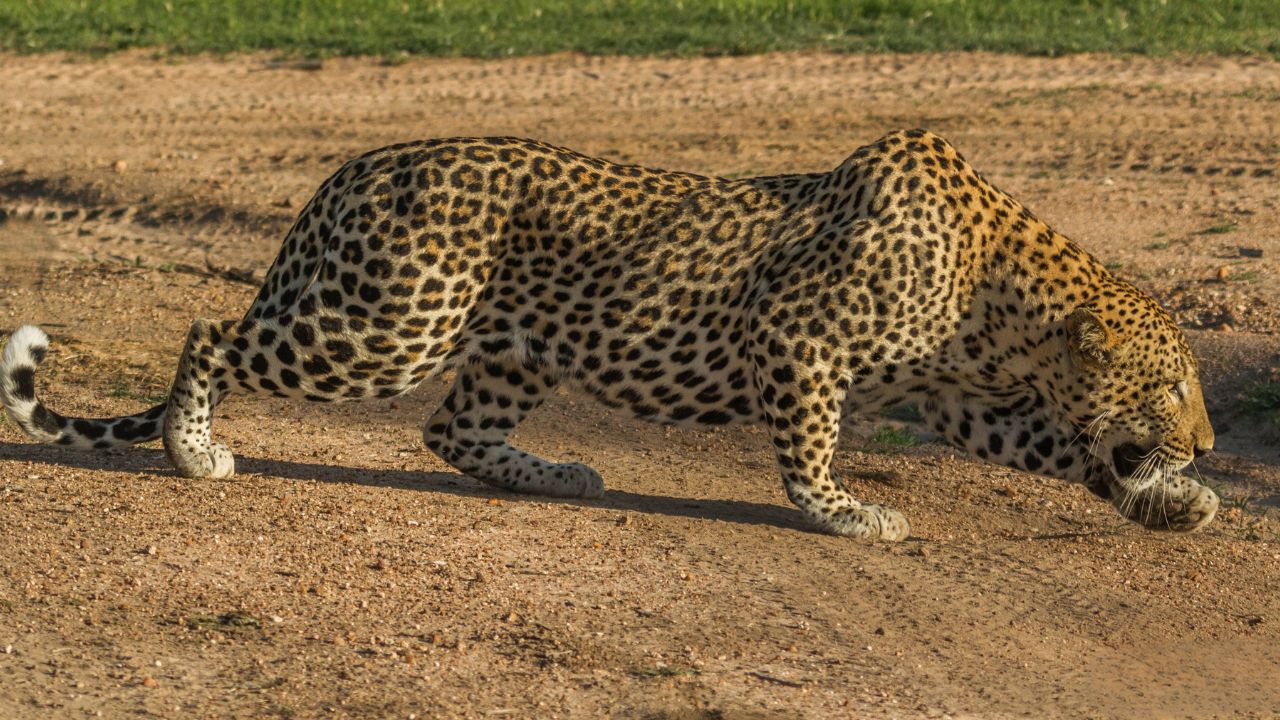
Predator sightings become frequent, often unfolding directly around shrinking waterholes. Daily highs climb toward 29°C, comfortably warmer than the depths of winter, while nights remain mild rather than bitterly cold. The first spring flowers appear on knob thorn trees, adding colour to an otherwise bare, dusty landscape.
Visitor traffic in September stays elevated but manageable, driven by Australian spring school holidays and European visitors, plus South Africa’s Heritage Day long weekend. It remains noticeably calmer than the July peak, while offering arguably superior game viewing.
September also aligns well with regional travel. Cape Town enters a pleasant spring, with whale watching along the coast reaching its peak. Victoria Falls sits at low water, opening activities like Devil’s Pool and white-water rafting that close during the March-to-May flood season. Travellers building a multi-destination itinerary across Southern Africa often find September the single easiest month to coordinate.
Rutting Season and Wildlife Behaviour
Both shoulder windows coincide with active breeding behaviour. Impala rutting peaks in May, while blue wildebeest and warthog rutting begins closer to April, tapering as the dry season sets in.
Dominant males compete visibly for territory and mating rights during these periods, often drawing in predators looking to exploit distracted, vulnerable animals. For travellers interested in wildlife behaviour beyond simple sightings, this dynamic offers some of the most compelling viewing of the year.
Value and Availability Advantages
Shoulder months typically fall between peak-rate periods, giving travellers access to winter-quality game viewing at meaningfully lower prices. Private reserves in Sabi Sand and Timbavati often list May among their better-value months, alongside a genuine reduction in vehicle density at sightings.
Lodges also tend to have more availability during these windows, which matters for travellers booking within a shorter lead time than the nine-to-fourteen-month runway many peak-season lodges require.
South Africa Wildlife Experiences






Planning a Multi-Destination Trip Around Shoulder Timing
Australian and American travellers frequently combine Kruger with Cape Town or Victoria Falls, and shoulder timing resolves a common scheduling headache.
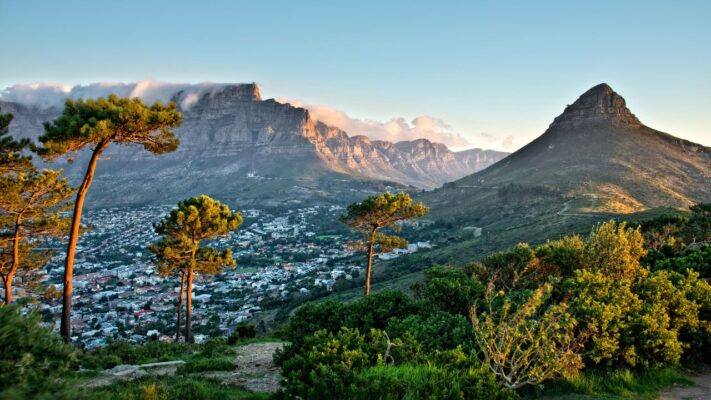
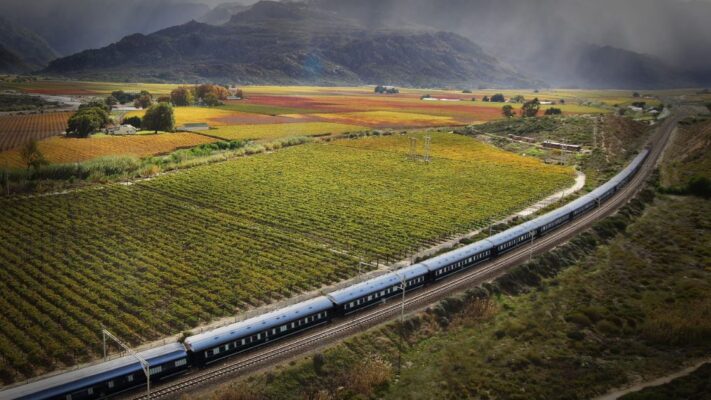
Kruger’s peak season overlaps with Cape Town’s cold, wet winter, which can disrupt boat trips and cable car access. May offers a workable compromise: dry, pleasant safari conditions alongside Cape Town’s mild autumn weather, before winter storms set in. September offers an even stronger pairing, combining peak Kruger game viewing with Cape Town’s blooming spring and Victoria Falls at low, adventure-friendly water levels.
May or September: Which Should You Choose
Both months deliver strong value, but they suit slightly different priorities.
May offers milder mornings than deep winter, thinning bush and a genuinely quiet park, making it the stronger choice for couples wanting a calm, private experience. Its main limitation is that water sources have not yet fully concentrated wildlife, so sightings, while good, rarely match September’s intensity.
September delivers the most concentrated game viewing of the entire dry season, since water scarcity peaks just before the rains return. Temperatures run a little warmer than May, and visitor numbers are slightly higher due to school holidays across Australia and parts of Europe. For travellers prioritising sighting frequency above all else, September edges ahead.
Neither month carries the steep pricing or heavy crowds of July and August, which is precisely what makes both worth serious consideration.
Who Should Choose a Shoulder Season
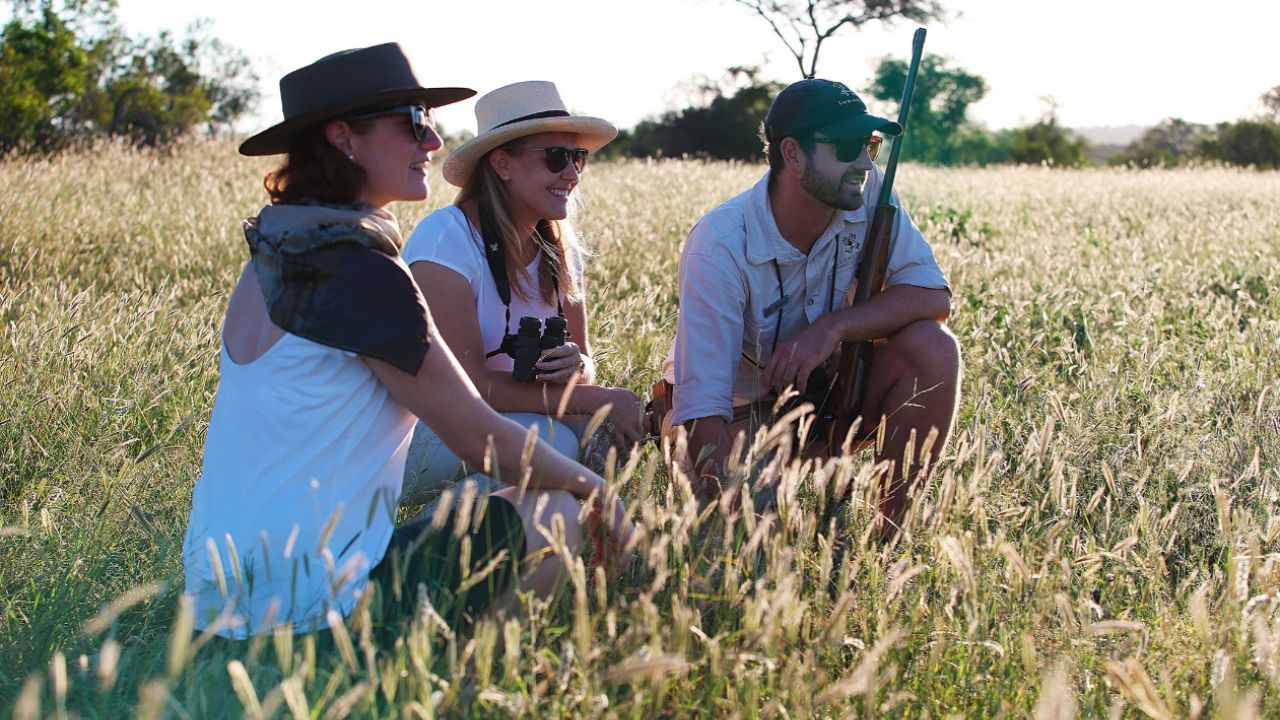
May and September suit travellers who want dry-season game viewing without dry-season crowds or pricing. They suit honeymooners and couples seeking privacy, photographers chasing clean light, and anyone building a multi-country Southern African itinerary.
Travellers who specifically want newborn wildlife, migratory birding or the lowest possible rates should instead look to our Green Season Guide. Those chasing peak-of-peak Big Five density, even with heavier crowds, should review our Dry Season Deep-Dive.
Ready to lock in a shoulder-season safari before availability tightens? Contact African Signature Journeys and our team will help you plan the ideal May or September itinerary.

Africa Is Rich With Choice
We Are Here To Help
Connect with an Africa Specialist to design a bespoke African Experience!
Hub Series Navigation
- Best Time to Visit Kruger National Park
- The Dry Season Deep-Dive
- The Green Season Guide
- The Shoulder Seasons Guide (You are here)

Sean Lues
Award Winning Safari Guide
Content by Award Winning Safari Guides
The content on African Signature Journeys is overseen by Sean Lues, an award-winning professional safari guide who was born and raised in Zimbabwe and has spent decades living, guiding, and managing safari operations across Africa.
Winner of the Zimbabwe Professional Guides Association Guide of the Year award, Sean is recognised for his deep knowledge of African wildlife, landscapes, and safari experiences. Now based in Australia, he combines firsthand African expertise with an understanding of what Australian travellers want from their safari adventure.
His experience helps ensure the information, recommendations, and insights shared by African Signature Journeys are practical, accurate, and based on real-world experience.