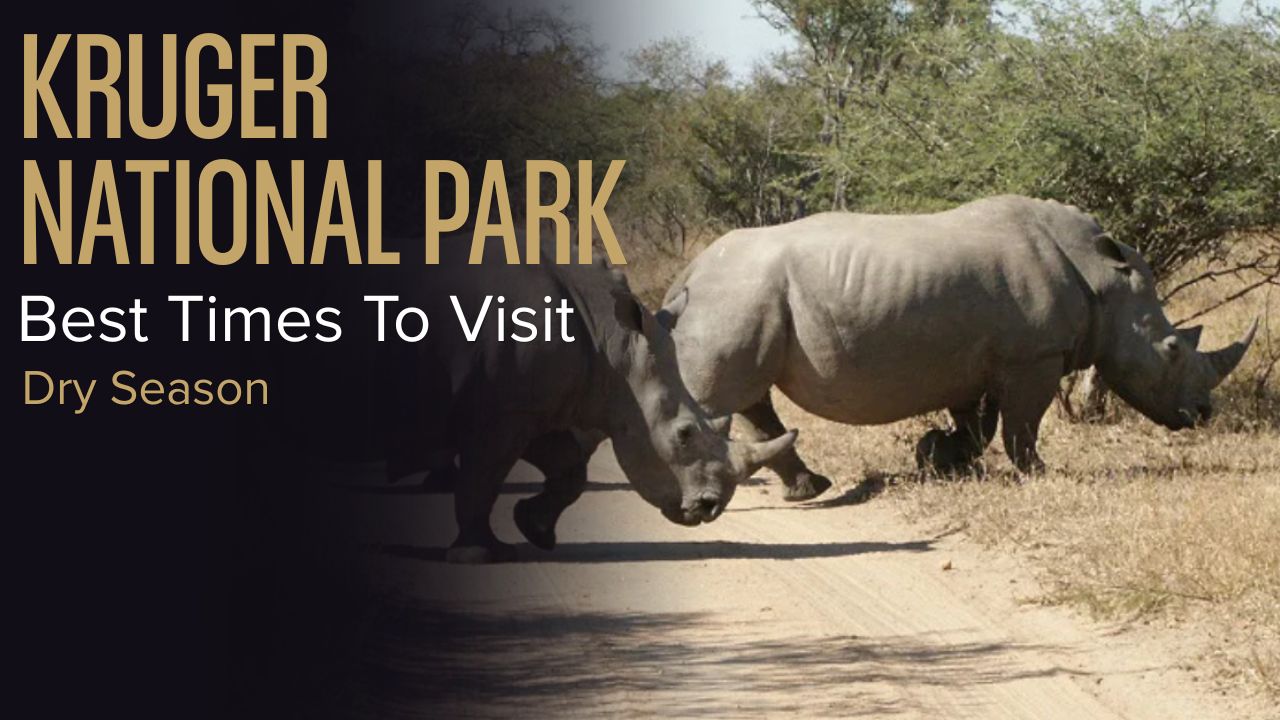
The Kruger Dry Season Deep-Dive: May to September
Our complete guide to the best time to visit Kruger National Park identifies the dry season as the most popular window for first-time safari travellers. This guide goes deeper into why, and how to plan around it properly.
What Defines Kruger’s Dry Season
The dry season spans May through September, and rainfall during this period is negligible. Monthly totals fall below 15 millimetres across most of the park, compared to over 100 millimetres in peak summer.
As surface water disappears from temporary pans, wildlife concentrates around permanent rivers and boreholes. This single dynamic drives everything that makes the dry season special. Predictable water sources mean predictable animal movement, and predictable movement means predictable sightings.
Bare trees and flattened grass strip away the bush’s summer cover. Sightlines open across the landscape, often stretching hundreds of metres. Spotting a leopard in a riverine thicket becomes genuinely achievable.
Month by Month Through the Dry Season
May marks the transition into winter. Rainfall drops to near zero, and daytime temperatures sit comfortably between 26°C and 28°C. The impala rut peaks this month, filling the bush with territorial roaring that draws in leopards and hyenas. Visitor numbers stay low, sitting in the quiet gap between Easter and the June school holidays.
June brings the coldest mornings of the year, with overnight lows near 9°C and occasional frost in low-lying valleys. Wild dog packs settle into den sites, improving tracking success within their home ranges. Crowds build sharply from mid-month as school holidays begin.
July delivers peak conditions and peak crowds simultaneously. Water resources shrink to rivers and weirs, concentrating elephant and buffalo herds along the Sabie and Olifants. Overlapping South African and Australian school breaks push southern roads to their busiest point of the year.
August continues the dry, dusty pattern while daytime temperatures climb toward 29°C. International tourism peaks this month, driven heavily by North American visitors, so lodges typically book out nine to twelve months in advance.
September represents the ecological climax of the dry season. Water sources reach their lowest annual levels, forcing dramatic concentrations of wildlife around what remains. Predator sightings become frequent and often dramatic, unfolding directly at waterholes.
Why Predator Sightings Peak in Late Winter
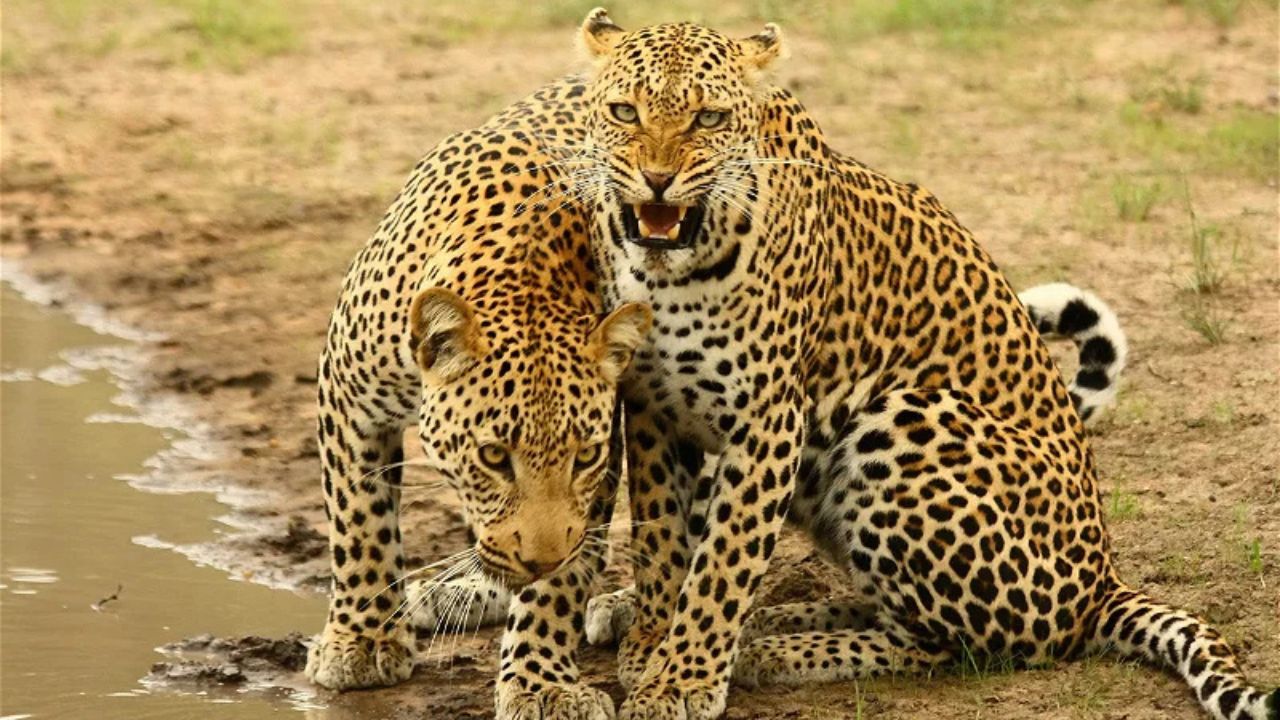
Predators hunt opportunistically, and the dry season hands them a significant advantage. As prey animals funnel toward a handful of remaining water sources, lions, leopards and hyenas learn exactly where to wait.
This pattern intensifies steadily from July through September. By September, waterhole ambushes become a near-daily occurrence in high-density areas like the Sabi Sand and southern Kruger. For travellers whose priority is Big Five sightings within a short stay, this window offers the strongest odds of the entire year.
Wild Dog Denning Season
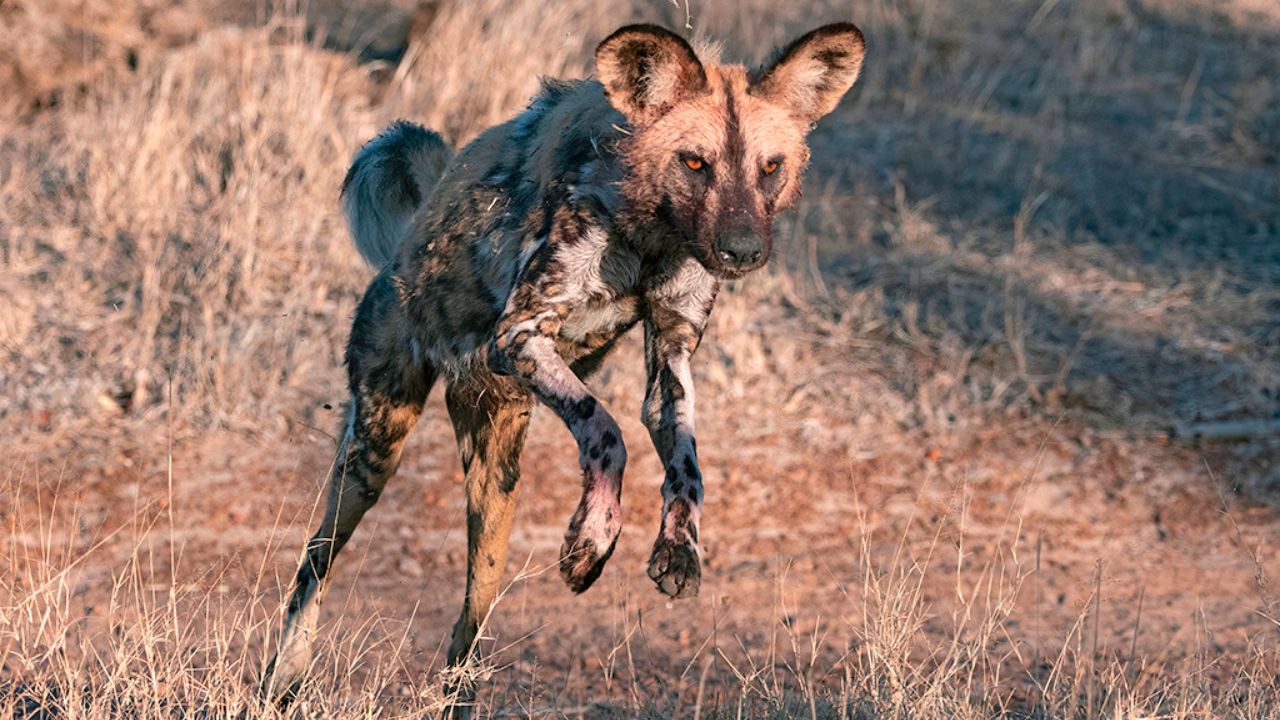
African wild dogs anchor themselves to underground dens from June through August, raising their pups in a fixed location. This behaviour transforms an otherwise wide-ranging, elusive species into one of the more reliable sightings of the season.
Guides who know active den sites can offer near-guaranteed viewing during this window. Given the wild dog’s endangered status, this represents one of the dry season’s genuine conservation highlights.
Packing for Cold Mornings
Winter game drives start before sunrise, and open safari vehicles offer no protection from windchill. Overnight temperatures in low-lying valleys can fall to 5°C, and vehicle speed makes it feel colder still.
Pack layered clothing, including a proper insulated jacket, gloves and a beanie. Most lodges provide blankets and hot water bottles, but personal thermal layers make a meaningful difference on a two-hour dawn drive. Daytime temperatures warm quickly, so layers you can shed matter more than heavy single garments.
Beating the Crowds in Peak Season
July and August bring the year’s highest visitor numbers, particularly in the public park’s southern rest camps. Daily gate quotas and long queues become common during this stretch.
Private concessions offer a genuine solution. Reserves like Sabi Sand, Timbavati and Manyeleti operate under strict vehicle limits, meaning no more than two or three vehicles gather at any single sighting. Off-road tracking rights let guides follow animals directly, rather than staying confined to public roads.
Choosing May or September instead of July or August delivers nearly identical wildlife conditions with a fraction of the traffic. Our Shoulder Seasons Guide explains this trade-off in detail.
South Africa Wildlife Experiences





Regional Differences Within the Dry Season
Dry-season conditions vary noticeably depending on where in Kruger you stay.
The southern region, near the Sabie and Crocodile rivers, holds the highest rainfall of the park, so it retains green pockets of vegetation later into winter than other areas. This softens the stark, bare look found further north, though it also means the south carries heavier tourist traffic during peak months.
The central region, around Satara and Tshokwane, sits on open basalt plains that offer exceptional dry-season visibility. Large herds of zebra, wildebeest and buffalo gather here, drawing consistent lion activity. This region often produces the most dramatic dry-season sightings in the park.
Further north, mopane woodland dominates, and canopies turn a distinctive copper colour before dropping their leaves later in the season. Game densities run lower here, but the trade-off is a genuinely remote, uncrowded experience with strong birdlife along the Luvuvhu River.
Who Should Choose the Dry Season
The dry season suits first-time safari travellers who want reliable, frequent sightings within a short stay. It suits families with young children, since cold nights improve sleep and minimal mosquito activity reduces health concerns. It also suits dedicated wildlife photographers chasing classic golden savanna light.
Travellers seeking newborn animals, dramatic storm skies or lower prices should instead consider our Green Season Guide, which covers Kruger’s wet months from November through April.
Ready to plan a dry-season safari built around your travel dates? Contact African Signature Journeys and our team will match your trip to the right month.
Africa Is Rich With Choice
We Are Here To Help
Connect with an Africa Specialist to design a bespoke African Experience!
Hub Series Navigation
- Best Time to Visit Kruger National Park
- The Dry Season Deep-Dive (You are here)
- The Green Season Guide
- The Shoulder Seasons Guide
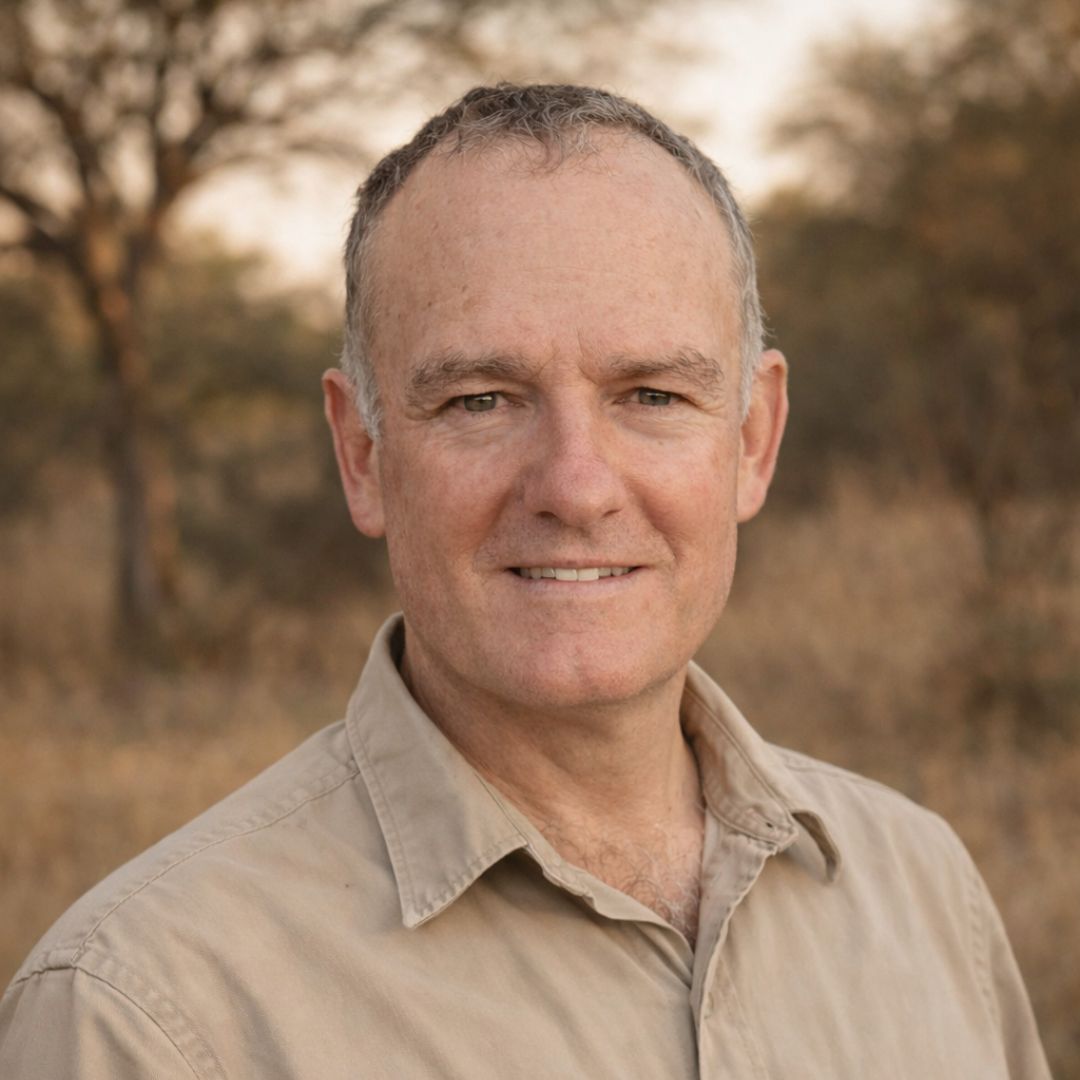
Sean Lues
Award Winning Safari Guide
Content by Award Winning Safari Guides
The content on African Signature Journeys is overseen by Sean Lues, an award-winning professional safari guide who was born and raised in Zimbabwe and has spent decades living, guiding, and managing safari operations across Africa.
Winner of the Zimbabwe Professional Guides Association Guide of the Year award, Sean is recognised for his deep knowledge of African wildlife, landscapes, and safari experiences. Now based in Australia, he combines firsthand African expertise with an understanding of what Australian travellers want from their safari adventure.
His experience helps ensure the information, recommendations, and insights shared by African Signature Journeys are practical, accurate, and based on real-world experience.