
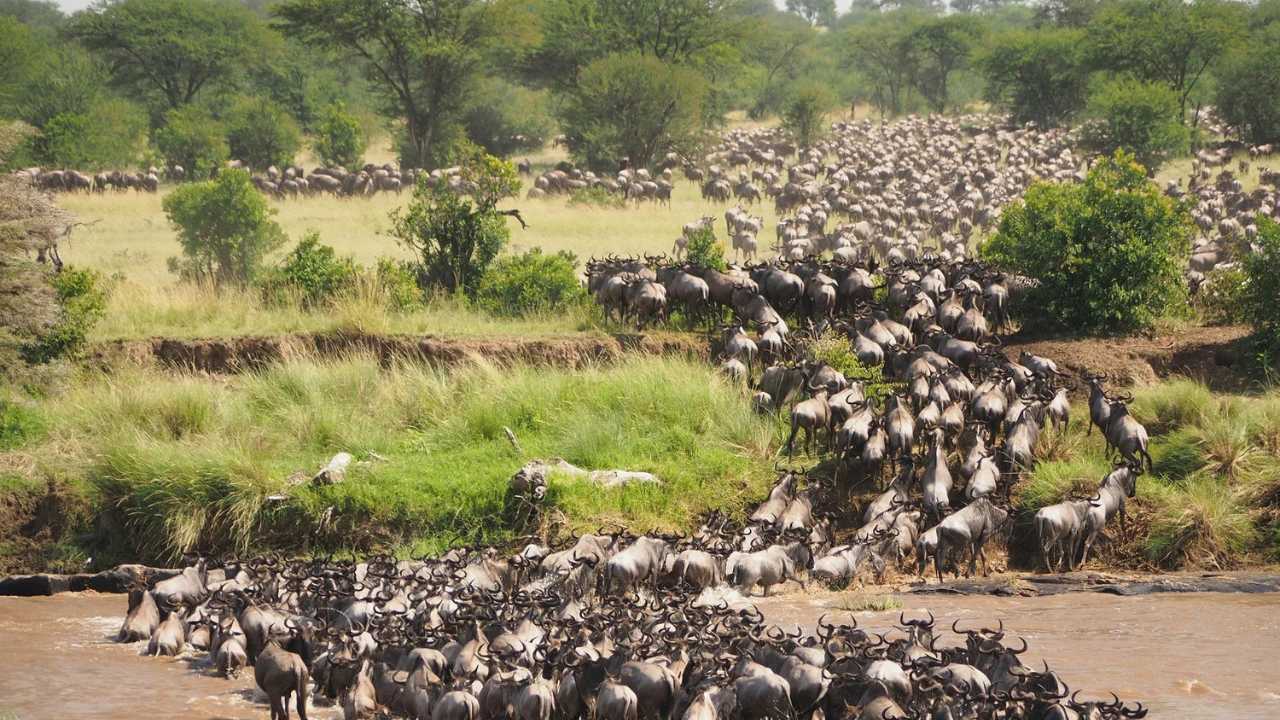
Tanzania: Africa’s Serengeti Plains
Where Migration Writes The Seasons.
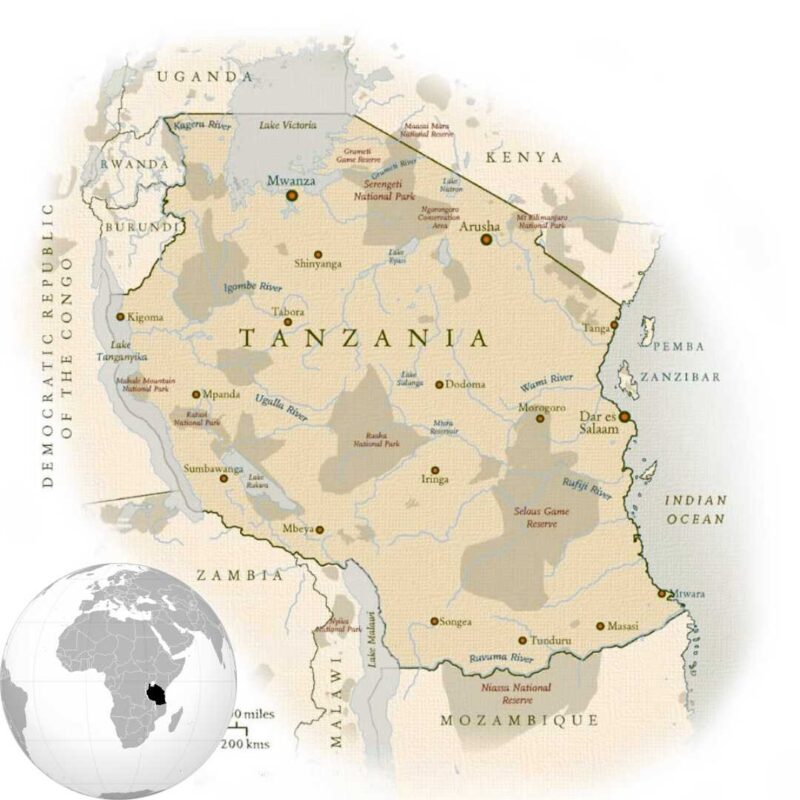
To traverse Tanzania is to witness the theatre of evolution itself. From the vast savannahs of the Serengeti, where two million wildebeest follow the rains in an endless cycle, to the collapsed caldera of Ngorongoro and the elephant kingdoms of Tarangire, this is a country built on an epic scale. Whether you track chimpanzees through the forests of Mahale, watch predators hunt across the Nyerere floodplains, or climb toward the snow-capped summit of Kilimanjaro, our Signature Experiences are crafted to reveal Tanzania’s extraordinary breadth. Welcome to a collection of encounters where the great movements of wildlife continue uninterrupted, and every moment resonates with the grandeur of an African Signature.
Discover Signature Tanzania Experiences
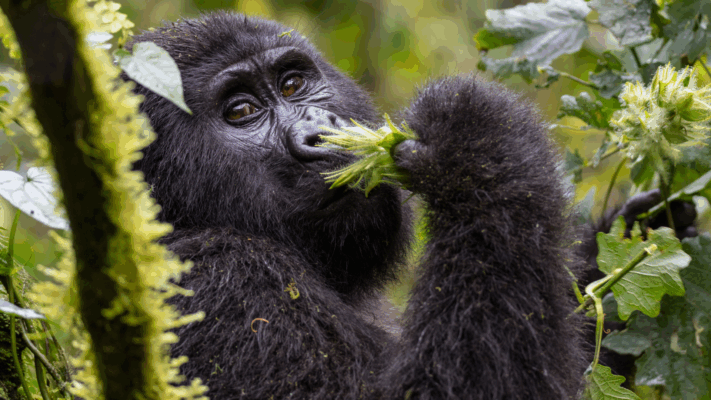
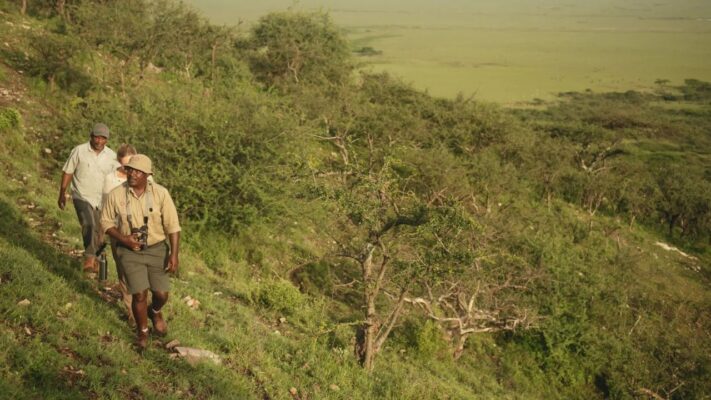

Africa Is Rich With Choice
We Are Here To Help
Connect with an Africa Specialist to design a bespoke African Experience!
Signature Regions of Tanzania
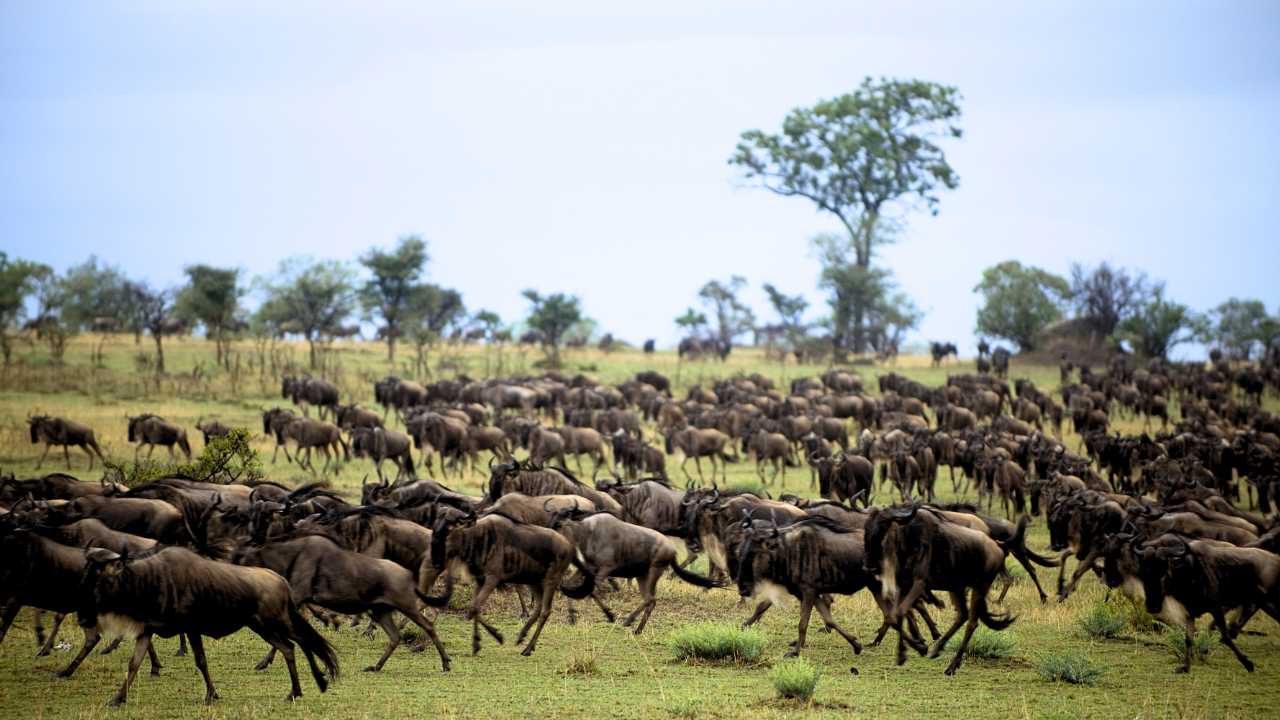
Serengeti – The Infinite Horizon
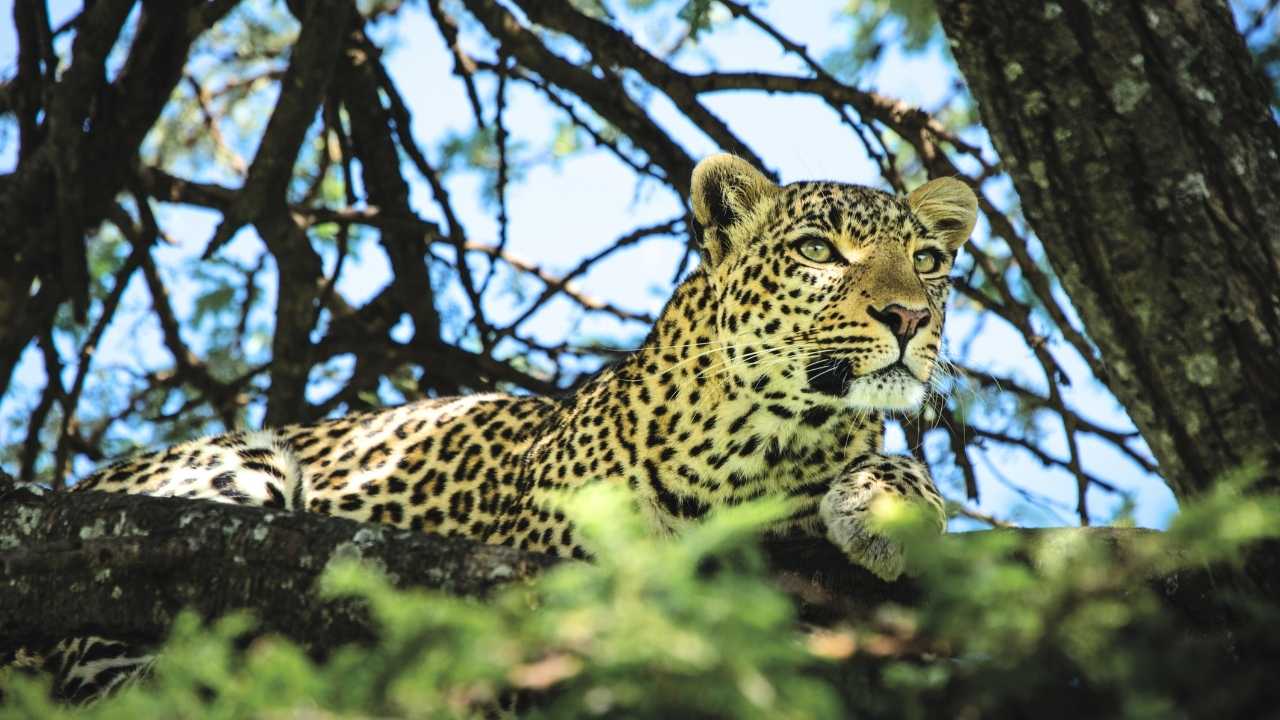
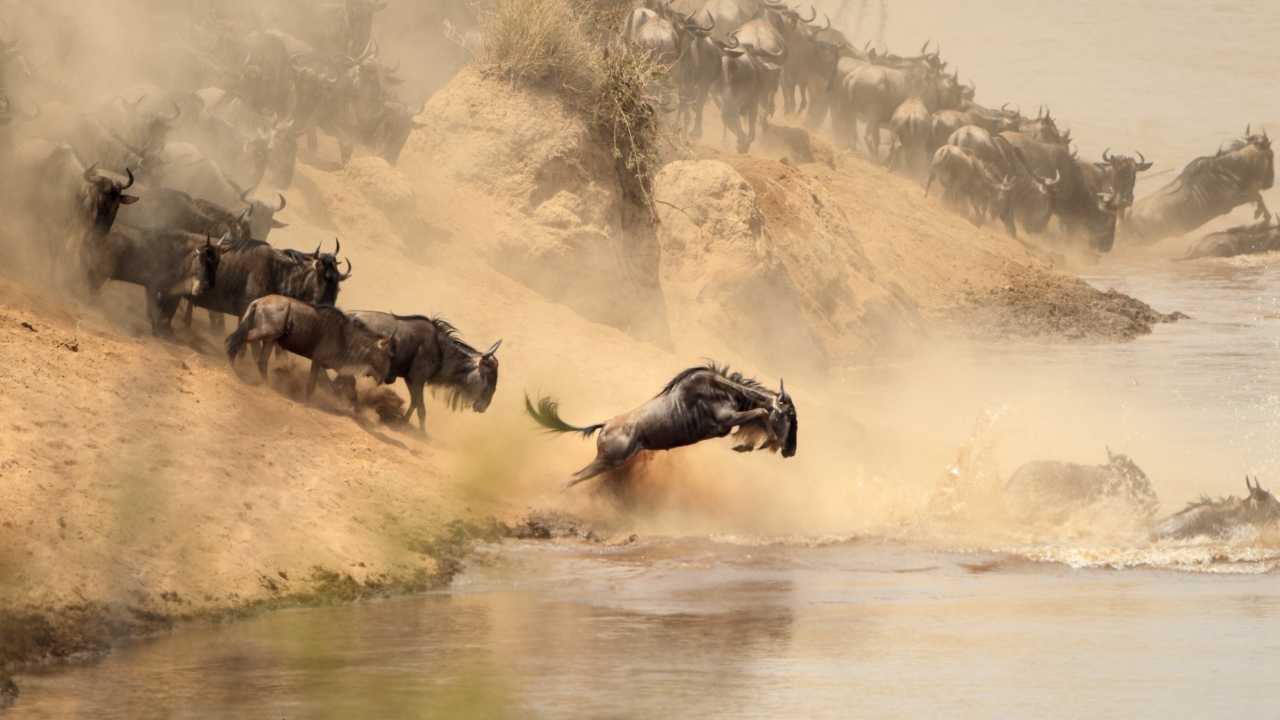
In the Serengeti, the land stretches beyond comprehension. Its name derives from the Maasai word ‘Siringet,’ meaning endless plains. Here, the greatest wildlife spectacle on earth unfolds in an annual cycle governed by rain and grass. Over two million wildebeest move in vast columns across the ecosystem. Zebra accompany them in hundreds of thousands. Predators shadow their every step. Moreover, the migration is not a single event but a continuous loop calving in the southern plains, river crossings in the north, the constant search for fresh grazing. Beyond the migration, resident wildlife thrives in remarkable density. Lions reign in the central Seronera. Cheetah hunt across the eastern plains. Additionally, kopjes rise like islands from the grasslands, each one a microcosm harbouring rock hyrax, leopard, and countless bird species. Consequently, the Serengeti offers not just spectacle but immersion into a functioning ecosystem of breathtaking complexity.
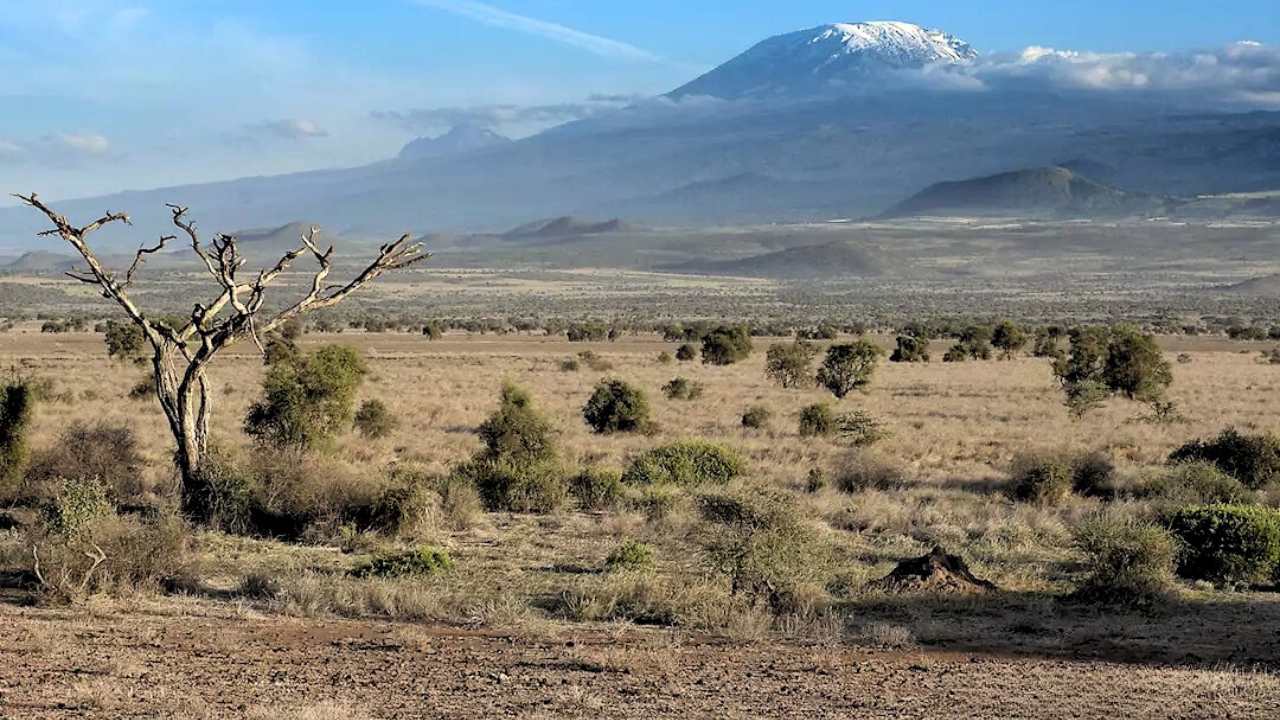
Kilimanjaro – The Roof of Africa
Rising from the plains to pierce the equatorial sky, Kilimanjaro dominates the northern landscape. At 5,895 metres, it is Africa’s highest peak. The mountain is a freestanding volcano, its snow-capped summit visible from across the Amboseli plains in Kenya. To climb Kilimanjaro is to traverse five distinct ecological zones in a matter of days. Cultivated farmland gives way to montane forest. Moorland yields to alpine desert. Finally, the summit zone exists in the permanent winter. Meanwhile, the glaciers that crown the peak are receding, a visible marker of climate change. The ascent demands no technical climbing skill, only determination and acclimatisation. Therefore, Kilimanjaro remains accessible to anyone with sufficient resolve. Standing on Uhuru Peak at sunrise, with all of Africa spread below, is to experience triumph in its purest form.
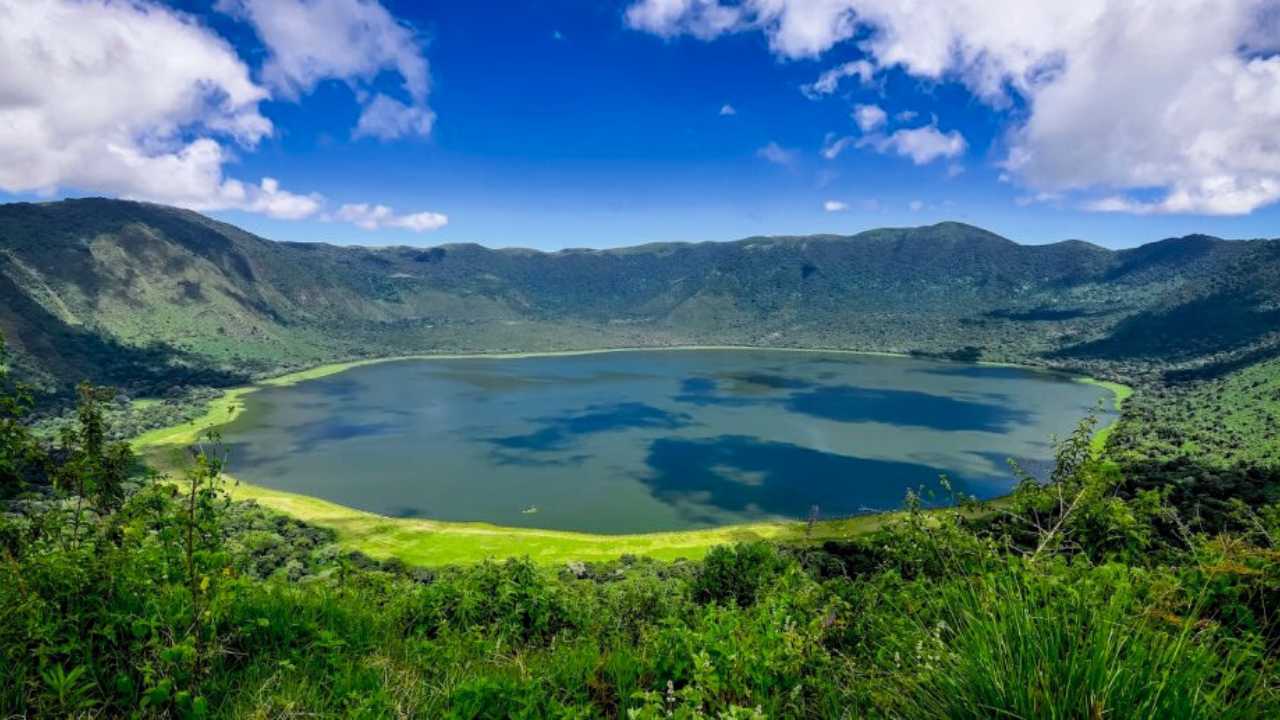
Ngorongoro Crater – The Garden of Eden
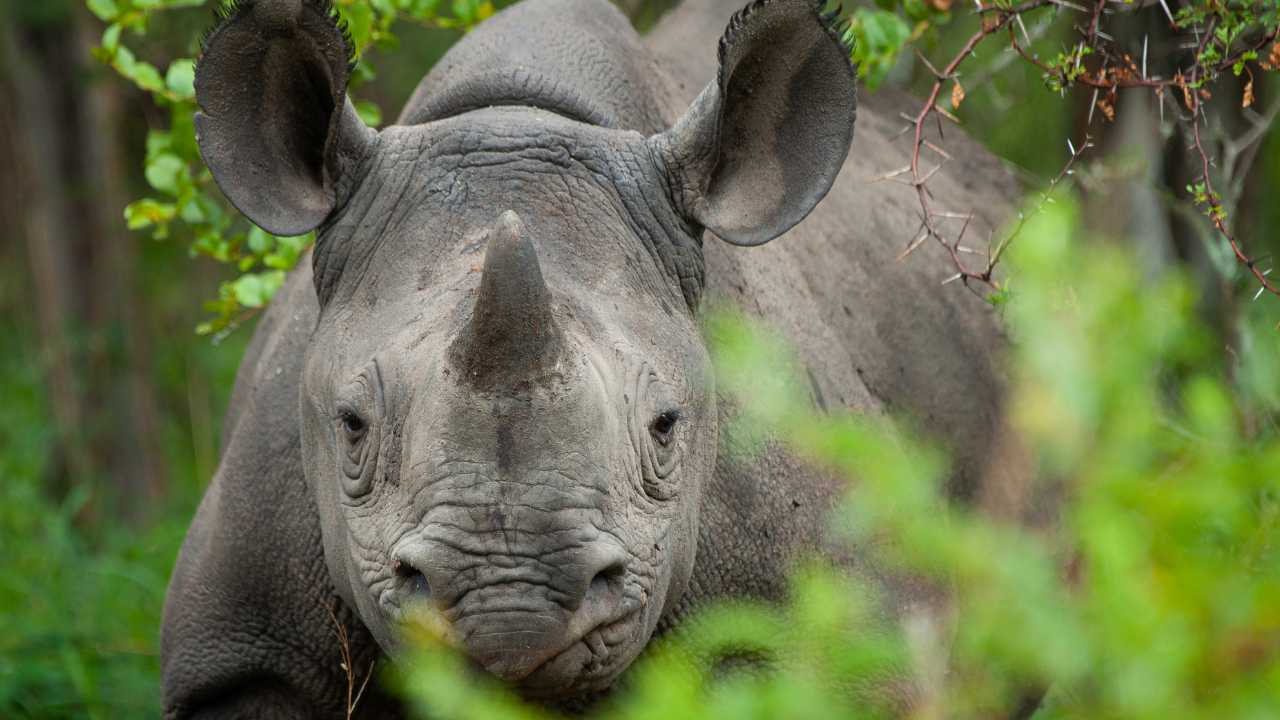
Where a volcano once stood, a caldera now cradles one of Africa’s most concentrated wildlife populations. Ngorongoro Crater is a world unto itself a perfectly formed amphitheatre six hundred metres deep and spanning three hundred square kilometres. The crater floor holds permanent water. Grasslands flourish year-round. Therefore, resident populations of lion, elephant, buffalo, and the critically endangered black rhino remain within its walls. The density is extraordinary. From the crater rim, the vista unfolds like a living diorama. Flamingos gather on the soda lake. Wildebeest graze in the open grasslands. Meanwhile, the Lerai Forest harbours elephant bulls with tusks of impressive size. Furthermore, the crater represents more than scenic beauty—it is a Maasai cultural landscape, where pastoralists have lived in harmony with wildlife for centuries. Thus, Ngorongoro stands as both natural wonder and testament to coexistence.
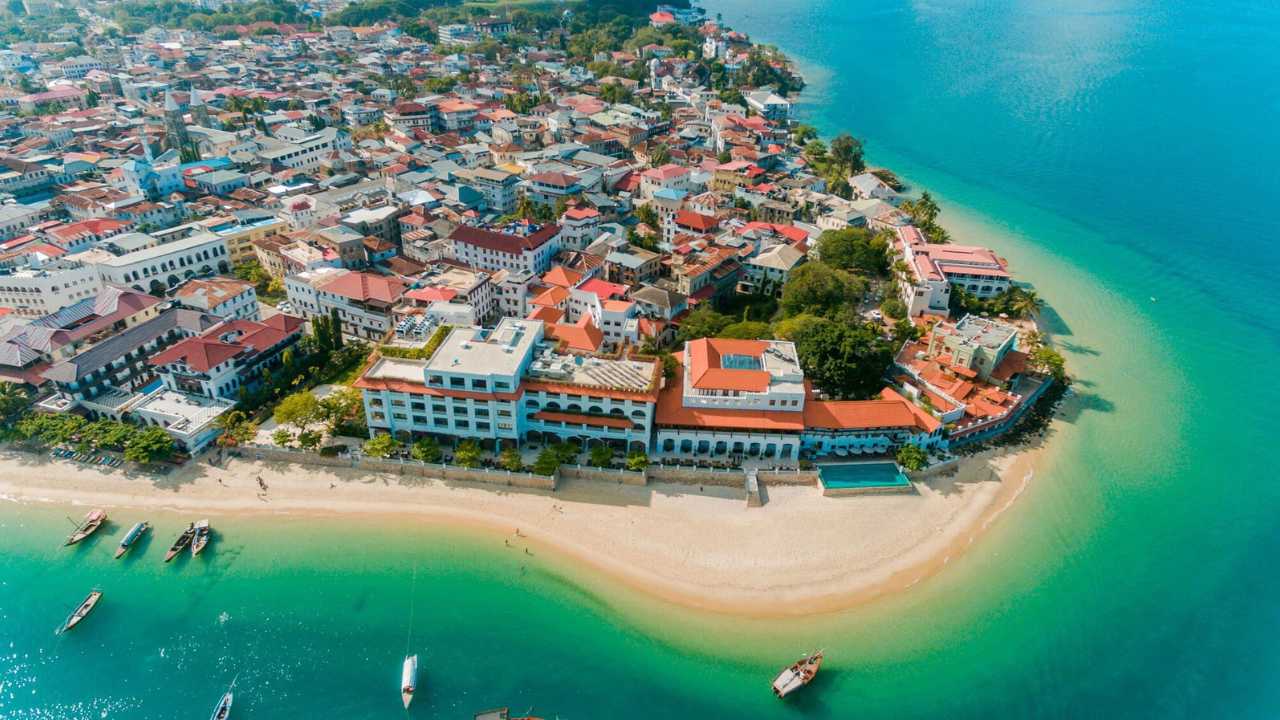
Zanzibar – The Spice Island Sanctuary
Off the coast, where the Indian Ocean laps against powder-white beaches, lies an archipelago steeped in history and fragrance. Stone Town’s labyrinthine alleys tell stories of sultans and traders. Carved wooden doors stand as testament to Swahili craftsmanship. The scent of cloves, nutmeg, and cinnamon drifts from spice plantations in the island’s interior. Moreover, the surrounding waters harbour some of East Africa’s finest coral reefs. Dolphins swim in the channels off Kizimkazi. Sea turtles nest on secluded beaches. Additionally, dhows sail at sunset, their triangular sails silhouetted against amber skies. Furthermore, the tides reveal vast expanses of sand where local women harvest seaweed in patterns unchanged for generations. Therefore, Zanzibar serves as both cultural immersion and coastal sanctuary, where the pace slows and the ocean becomes the primary conversation.
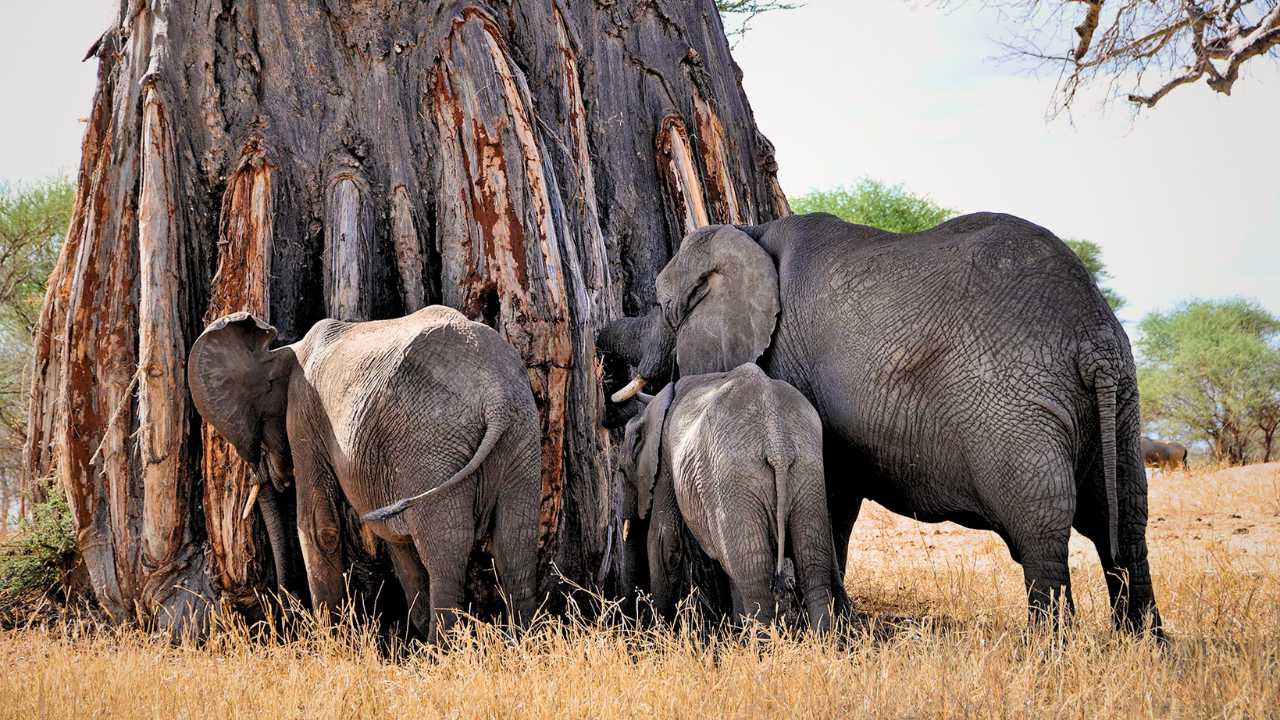
Tarangire – The Elephant Sanctuary
In the dry season, the Tarangire River becomes a lifeline, drawing wildlife from across the ecosystem. Elephant congregations here rival anywhere on the continent. Family groups merge into super-herds numbering in the hundreds. Ancient baobabs, some over a thousand years old, preside over the floodplains like sentinels. Their massive trunks store water through the lean months. Additionally, Tarangire harbours species found rarely elsewhere in northern Tanzania, fringe-eared oryx, gerenuk, and the peculiar long-necked antelope that browses on its hind legs. The landscape shifts from riverine woodland to open acacia savannah. Pythons drape themselves in the branches above seasonal swamps. Meanwhile, lion prides have adapted to hunting in the dense vegetation. Consequently, Tarangire offers intimacy where the Serengeti offers scale, a wilderness of giants where the ancient and the enduring converge.
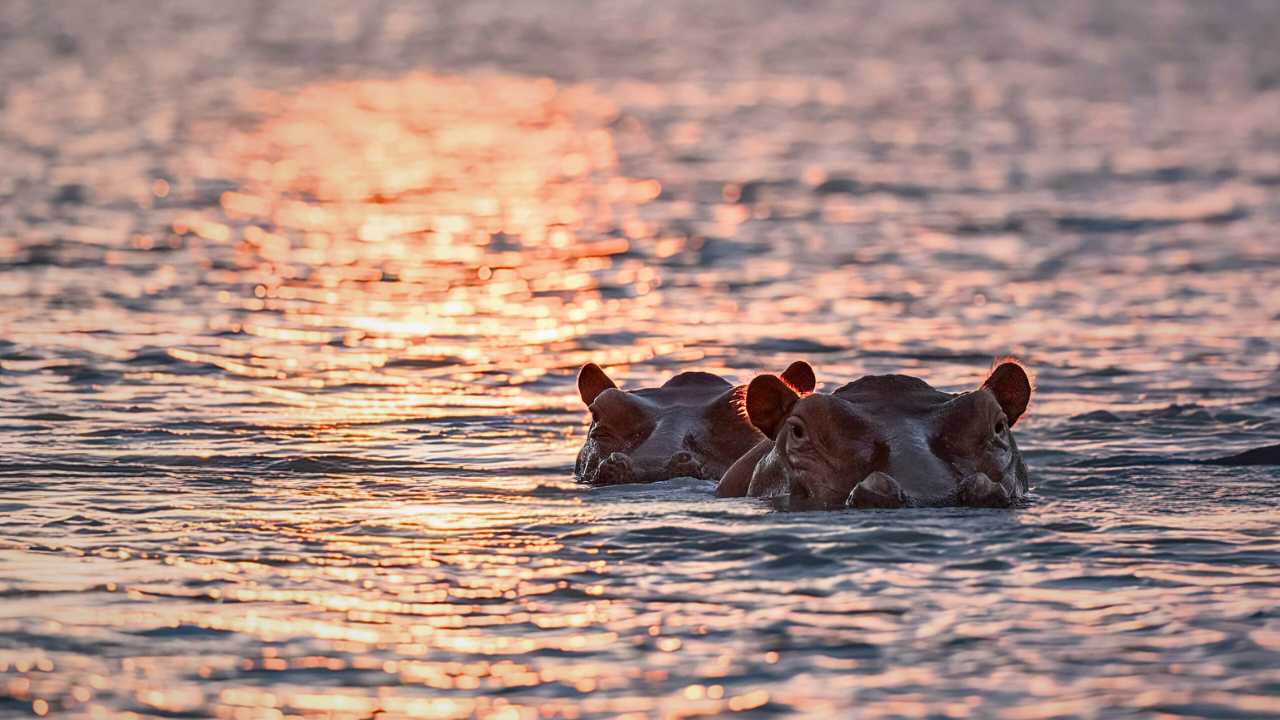
Nyerere (Selous) – The River Wilderness
In the south lies Africa’s largest protected area, a wilderness twice the size of Denmark. Nyerere, formerly known as Selous, is defined by the Rufiji River and its labyrinth of channels, lakes, and wetlands. Here, safari takes a different form. Boat journeys along the river reveal hippo pods numbering in the hundreds. Crocodiles bask on sandbanks. Elephants drink at the water’s edge. Furthermore, walking safaris penetrate the miombo woodlands where wild dogs den and sable antelope move through dappled shade. The reserve’s sheer scale ensures solitude. Visitors are few, the landscape vast. Moreover, the ecosystem supports over four hundred bird species and one of Africa’s most important populations of endangered African wild dogs. Therefore, Nyerere represents wilderness in its most uncompromising form: remote, diverse, and profoundly authentic.
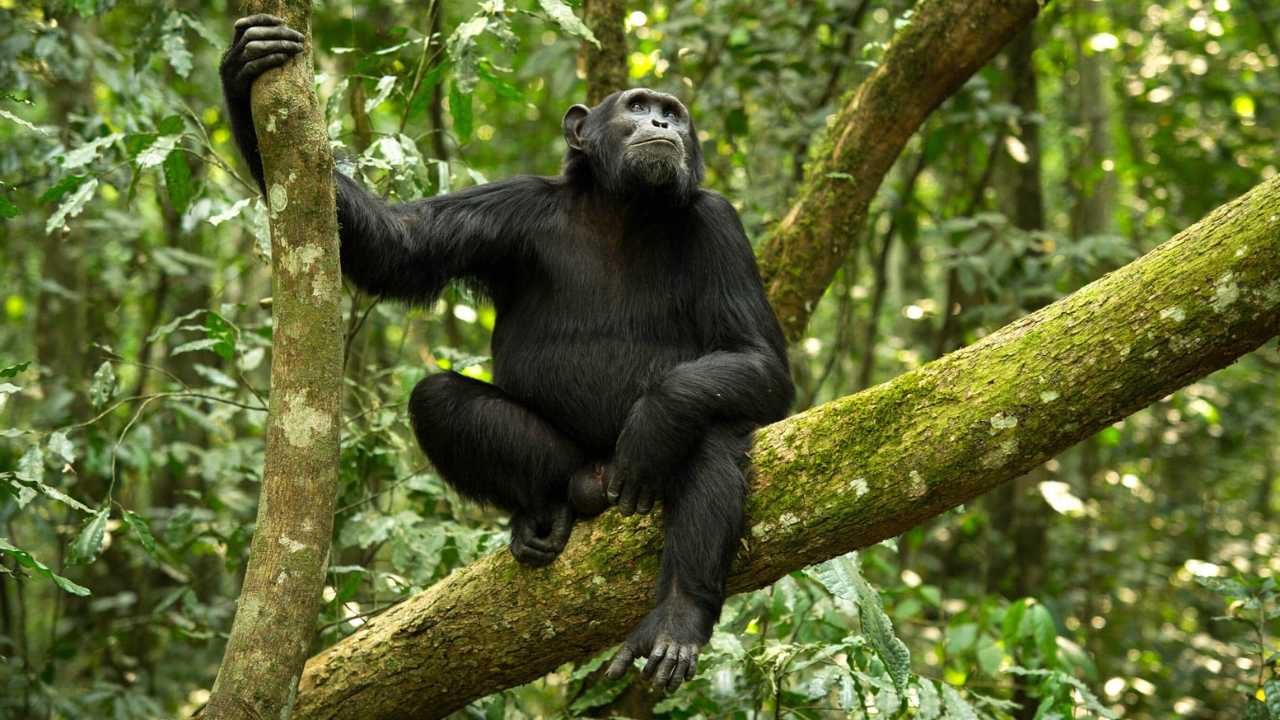
Mahale Mountains – The Chimpanzee Kingdom
On the eastern shore of Lake Tanganyika, forested mountains rise directly from the water. Mahale is accessible only by boat, isolated from road networks entirely. This remoteness has preserved both landscape and wildlife. Within these montane forests lives one of Africa’s last remaining populations of wild chimpanzees. Tracking them requires stamina—steep climbs through humid forest, following guides who know each individual by name. Once found, the experience is transformative. Chimpanzees groom, play, and forage mere metres away. The lake below shimmers turquoise. Additionally, Mahale offers a different kind of African experience, one measured in forest sounds rather than savannah vistas, in primate encounters rather than Big Five sightings. Thus, it broadens the definition of safari, revealing Tanzania’s extraordinary ecological diversity.
Explore African Experiences
Africa is not a single story, but a tapestry of encounters. We have curated our world into nine distinct African experiences, each hand-picked to ensure your journey is as profound as the landscape itself.
“The eye never forgets what the heart has seen.”— African Proverb
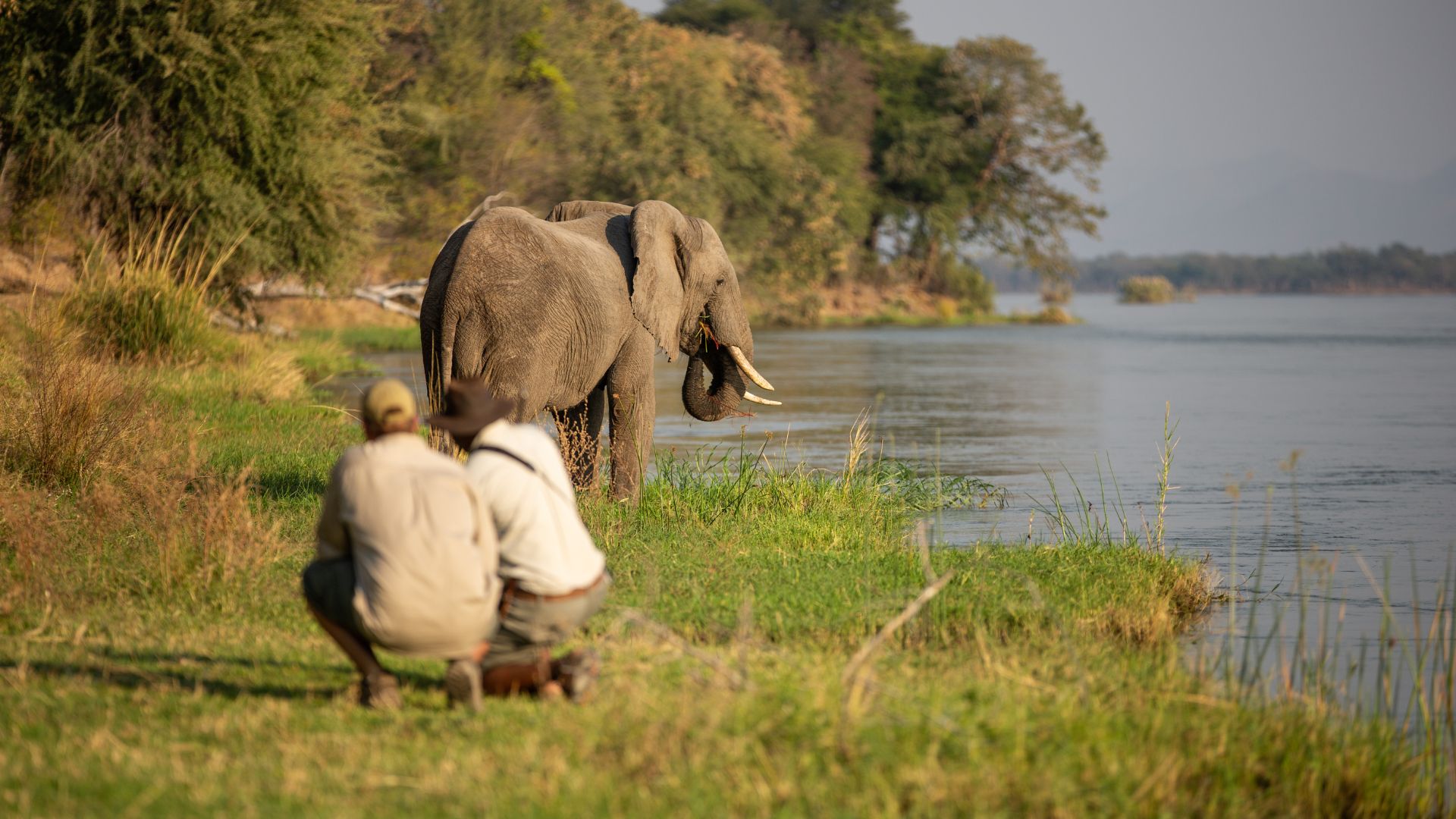
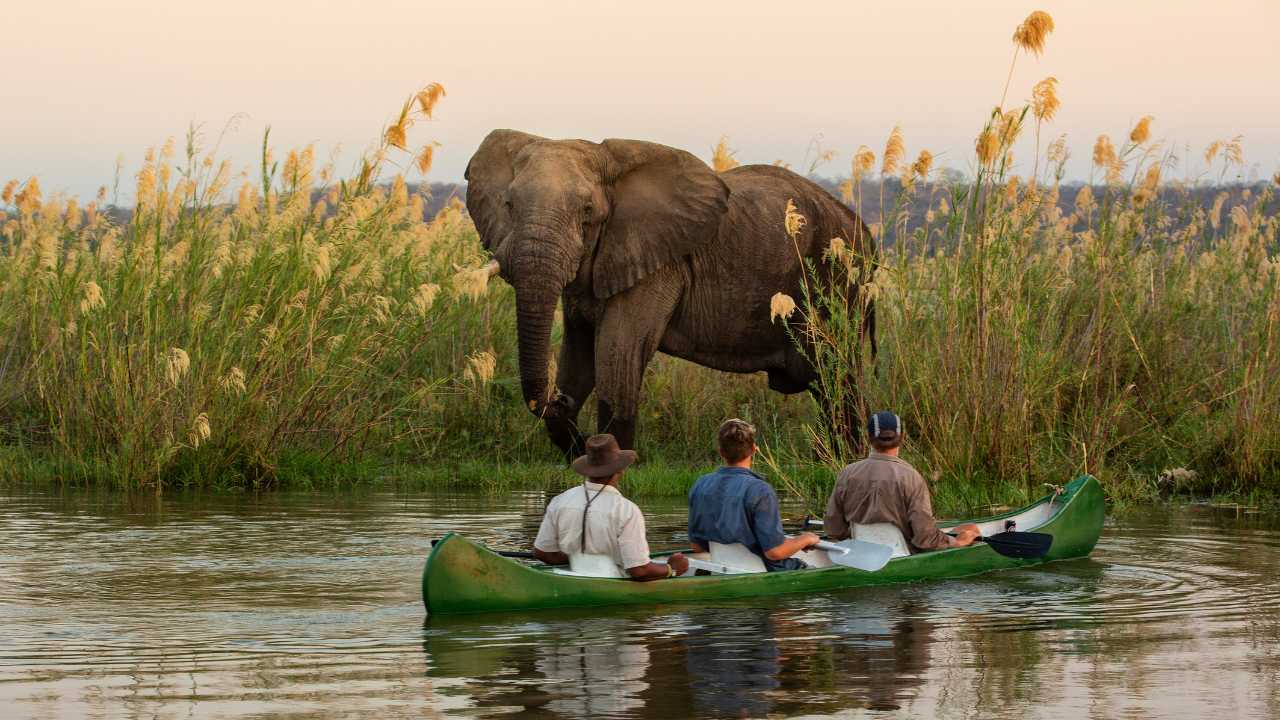
“Africa changes you forever, like nowhere on Earth.” — Brian Jackman
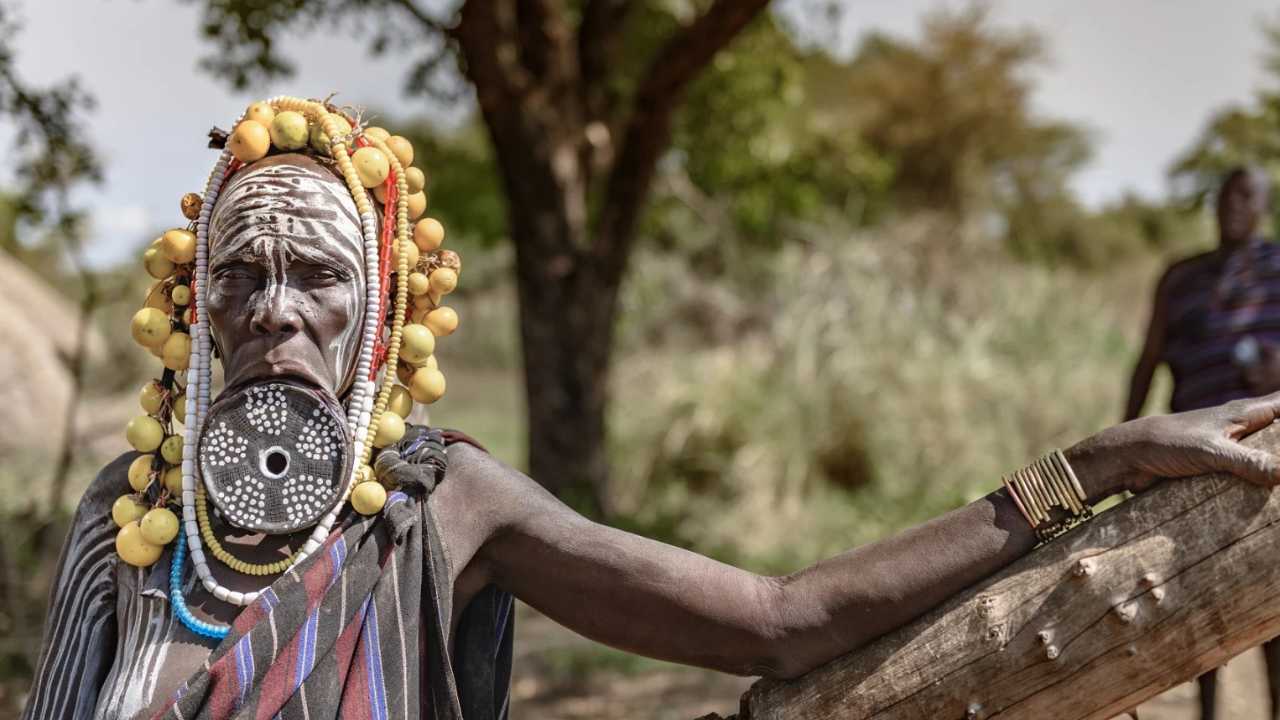
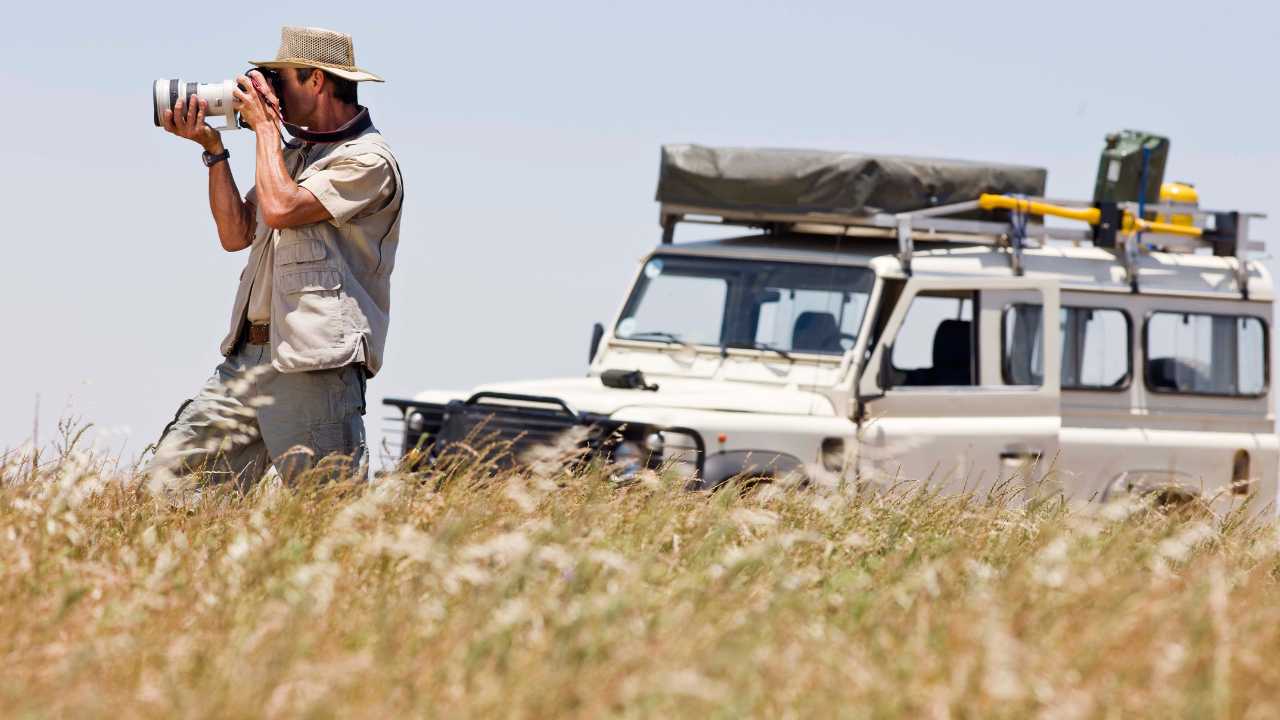
Africa Is Rich With Choice
We Are Here To Help
Connect with an Africa Specialist to design a bespoke African Experience!









Your Personal Briefing on the Soul of Africa
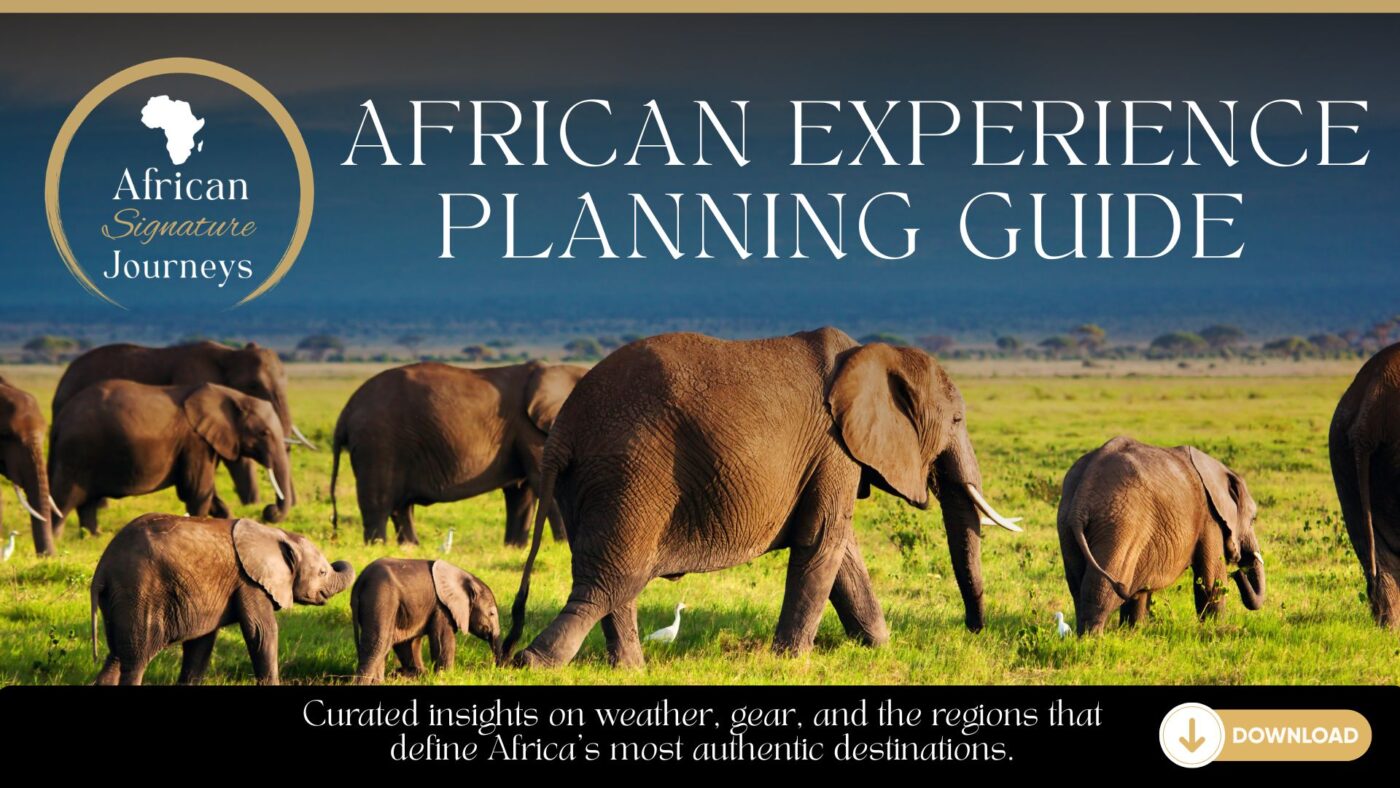
Download Your African Planning Guide
This guide is a curated invitation to discover the diverse rhythms of the African continent. It blends the wonderment of once-in-a-lifetime experiences with the essential knowledge needed for a seamless journey from the ancient desert dunes, open plains of the Savanah to the vibrant jungles of the north. Inside, you will find a heartfelt introduction to our African Signature destinations alongside practical insights on seasonal wildlife movements, the art of outfitting for the bush, and the cultural etiquette that ensures a meaningful connection with the soul of the wild.
Our Concierge Is Here To Help
If you have any questions, please feel free to ask our concierge in the bottom right corner. They will assist you or put you in contact with one of our African Specialists.